How much to feed a dog: portions and the lean years
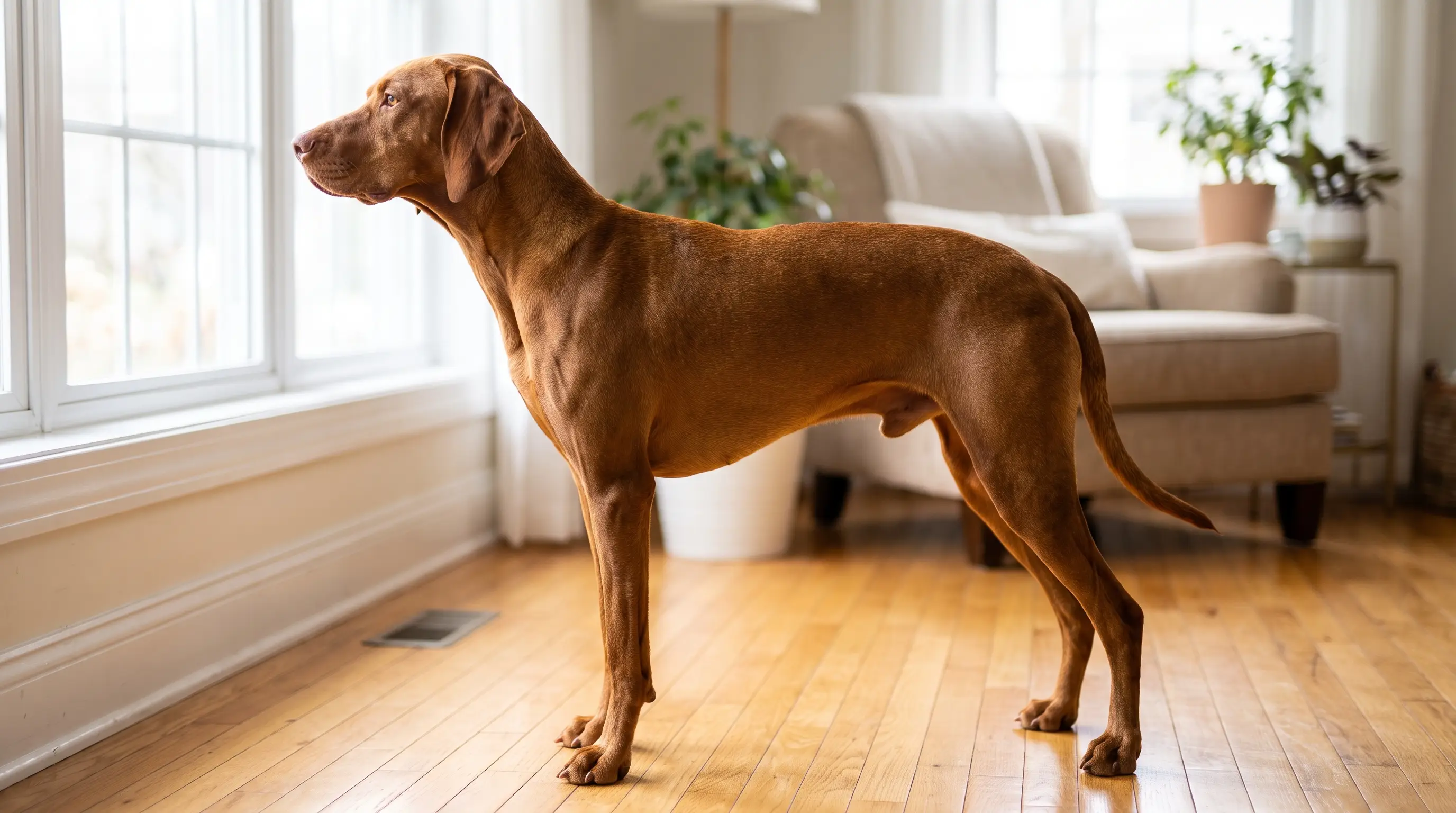
Feed your dog to the weight it should be, not the weight it is now. The number printed on the food pack is a starting point calibrated to an ideal adult, so use it as a first guess and then adjust by how the dog looks and feels, not by the cup. Get this right and you are pulling one of the biggest levers there is on a dog's health and lifespan.
Feed to your dog's ideal weight, not its current weight
The number printed on the food pack is only a starting point, and it is set for the weight your dog should be, not the weight it happens to be now. If a Labrador is meant to be 30 kg but currently weighs 38, you feed the 30 kg portion, not the 38 kg one, or you just hold him at 38 forever. Pack charts also assume an average adult, so treat the figure as a first guess and work from there. The thing that tells you whether the guess was right is not the measuring cup. It is how the dog looks and feels over the following weeks. Two dogs of the same breed and weight can need portions that differ by a third depending on age, how much they move, and whether they have been neutered. Start at the pack number for the ideal weight, then let the body tell you which way to go.
Body condition score
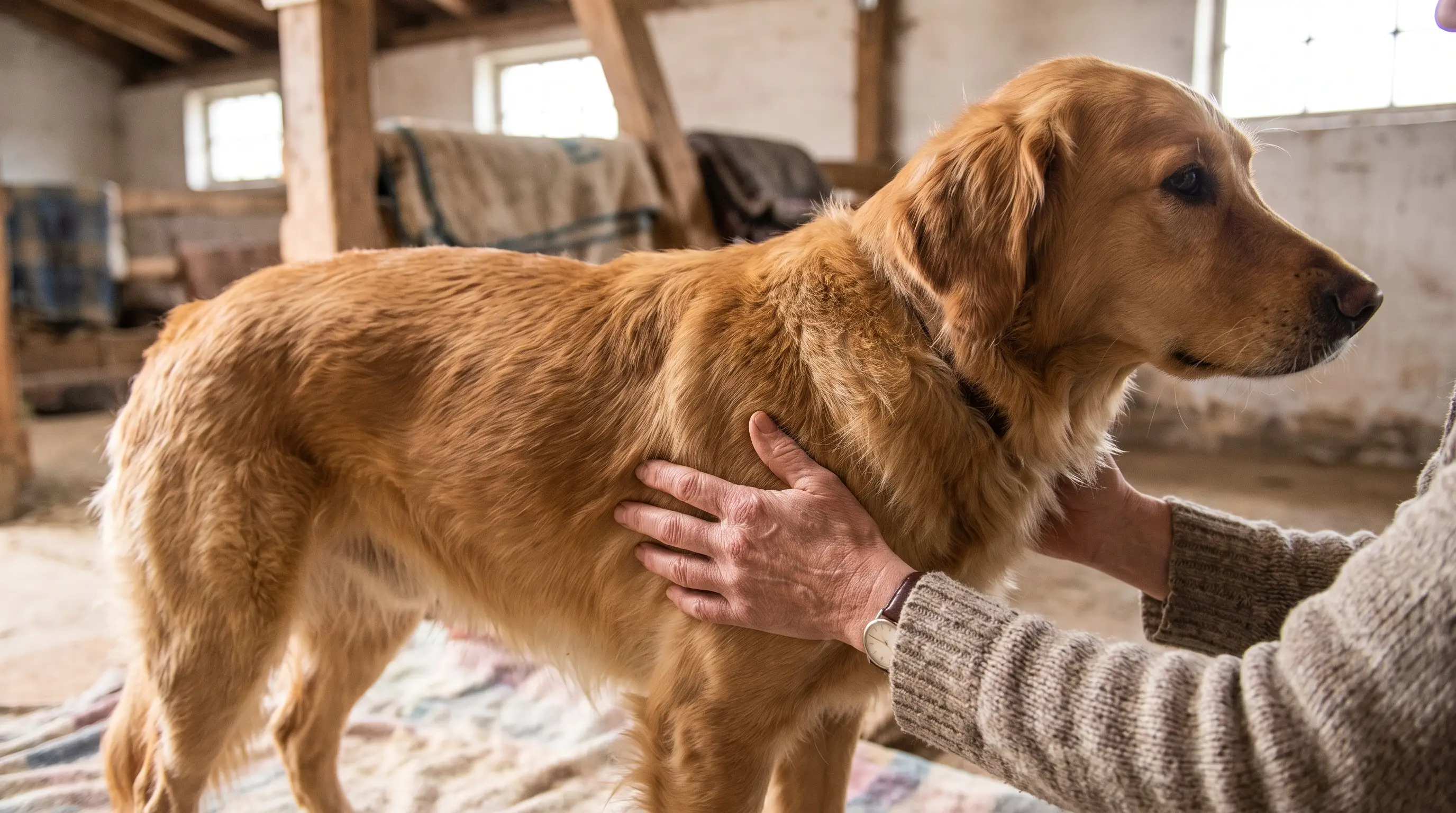
You can judge your dog's weight with your hands in about ten seconds, and it beats any chart. Run your fingers flat along the ribcage. You should feel the ribs easily under a thin layer of fat, the way you feel the knuckles on the back of your hand. If you have to press to find them, there is too much cover. If they stick out sharply with none, the dog is too thin. Then look from above: there should be a visible waist behind the ribs, a narrowing before the hips. From the side, the belly should tuck up rather than hang level with the chest. Vets put a number on this, a nine-point scale, and the target for most dogs is a 4 or 5 out of 9. Ribs easy to feel, a waist you can see, a belly that tucks. That is the whole test, and you can repeat it every week with nothing but your hands.
The Purina life span study
Keeping a dog lean is one of the biggest levers on how long it lives, and there is a decades-long study to prove it. Purina ran a 14-year trial on 48 Labradors, paired off from the same litters and followed from eight weeks old to the end of life. One dog in each pair was fed 25% less than its sibling. The lean-fed dogs reached a median age of 13 years against 11.2 for the ones fed more, about 1.8 extra years from portion size alone. They also needed treatment for osteoarthritis on average around three years later, so the extra time came with better joints rather than just more of it, along with healthier blood pressure and blood sugar. Nothing else differed between the pairs: same food, same litters, same care. The only variable was how much went in the bowl. It is the clearest evidence we have that a slightly emptier bowl is among the cheapest things you can do for a dog's lifespan.
Age, activity and neutering
Three things move the portion more than anything else: age, activity, and neutering. Puppies and young adults burn more than settled seniors, whose metabolism and movement both slow, so an older dog often needs noticeably less than it did at three. A working or sport dog can need far more than a companion of the same weight that walks twice a day. Neutering is the factor owners miss most: taking away the sex hormones lowers a dog's energy needs by roughly 20 to 30%, and appetite often rises at the same time, so a dog that keeps eating its old portion after the operation gains weight fast. Cut the portion at neutering, before the weight arrives. Size sets the scale too, since a Great Dane and a Chihuahua share almost nothing, which is why pack charts are banded by weight. Within a band, though, those three factors still decide where you land.
Measuring meals and the monthly weigh-in
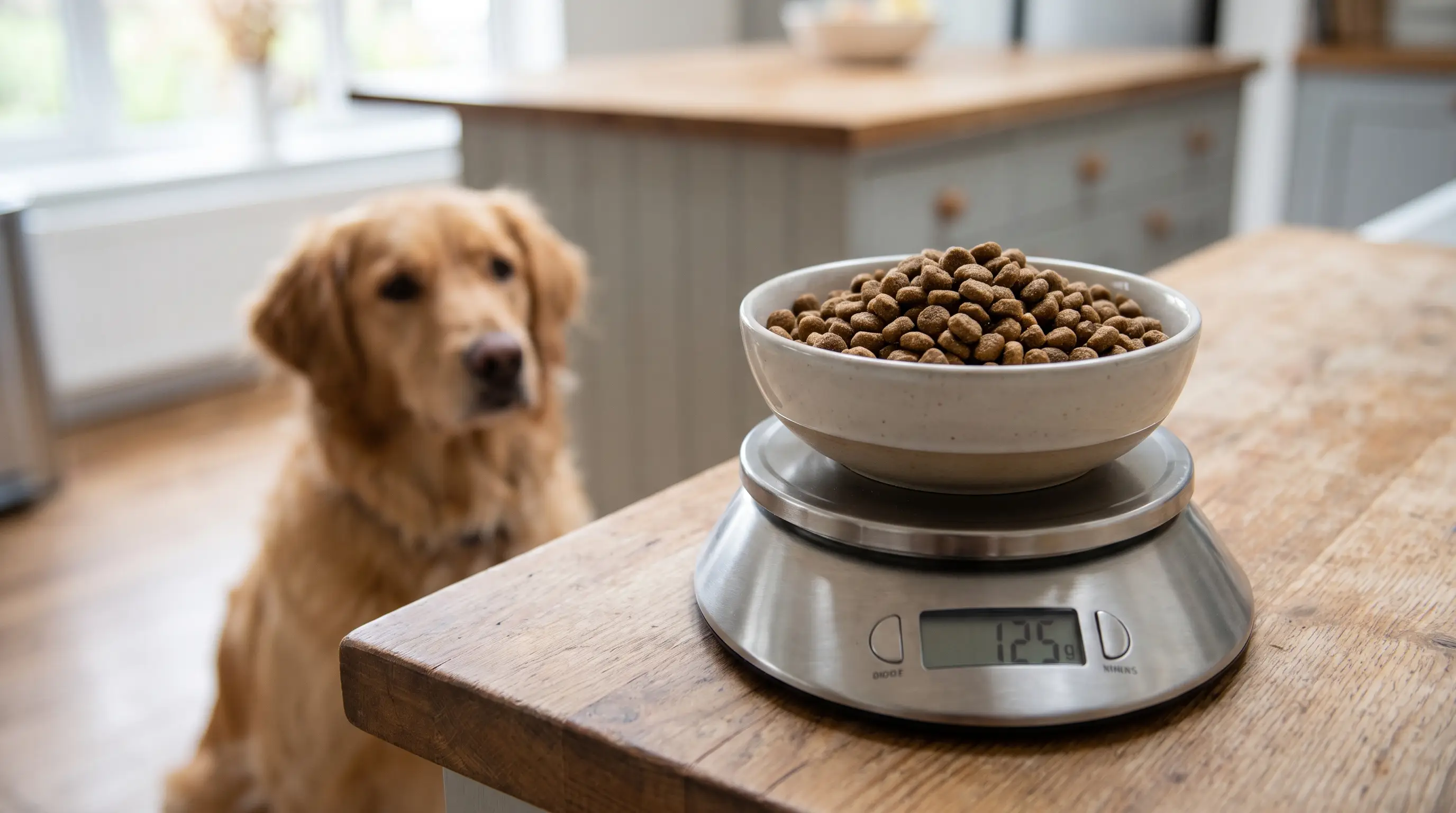
Measure every meal with a kitchen scale, or at least a proper measuring cup, never a coffee mug or an eyeballed scoop. Owners using cups are routinely off by as much as a third in either direction, which is enough to make a dog fat or keep it hungry with nobody noticing. Weigh the dog itself once a month: small dogs on a kitchen or luggage scale, big dogs by holding them on the bathroom scale and subtracting your own weight, or on the scale at the vet. A monthly number catches drift long before it shows up in the mirror. And count the treats. The rule vets use is that treats and scraps stay under 10% of daily calories, measured in calories rather than pieces, and, the part people skip, that 10% comes off the meal rather than on top of it. A handful of training treats can quietly add up to a second dinner.
Puppies and the cost of getting it wrong
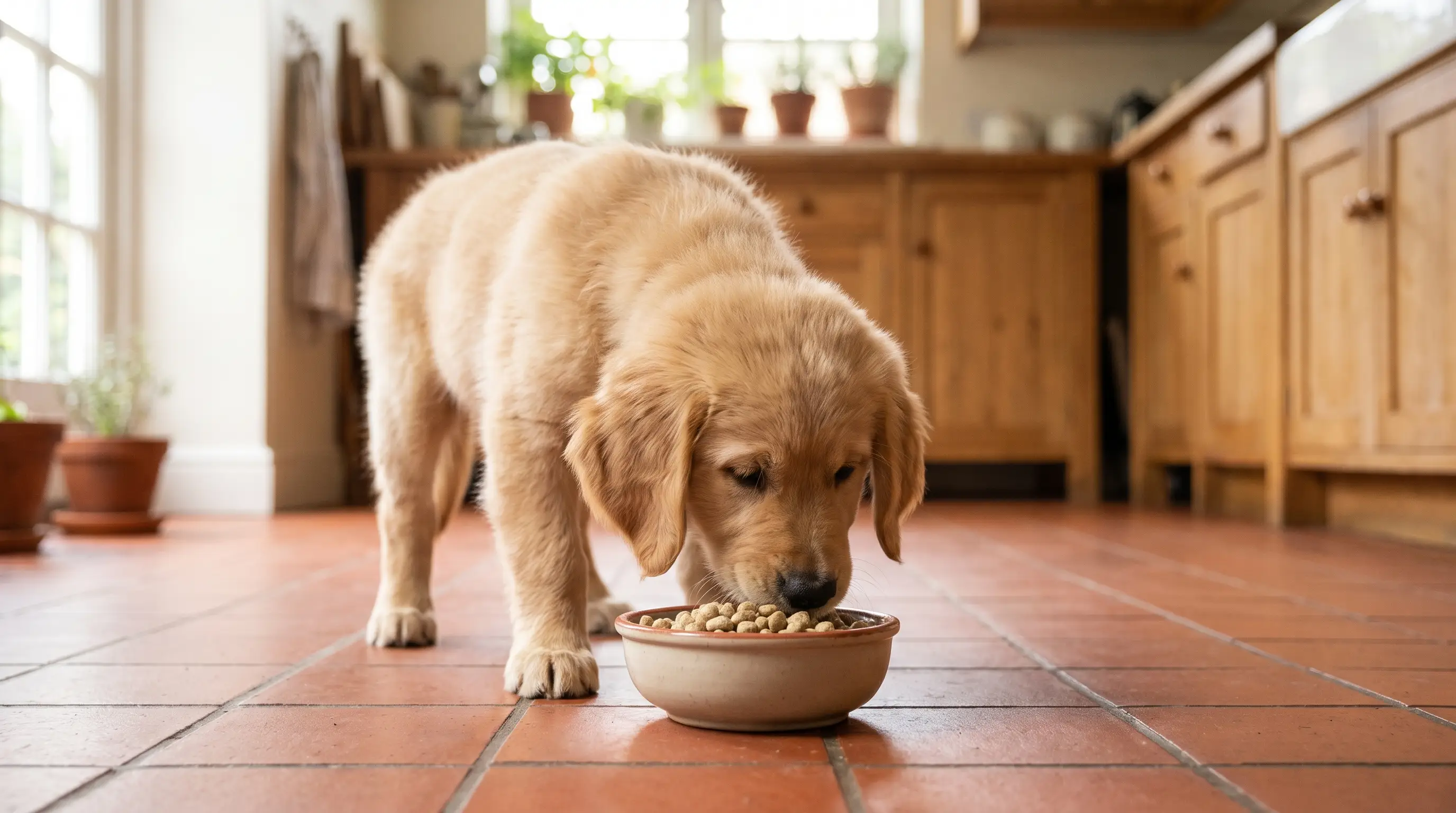
Puppies are fed differently, and you should not just shrink an adult routine down. They need more calories per kilo to build the body they will keep for life, split across three or four small meals a day while young rather than one or two, on food formulated for growth rather than adult maintenance. Follow the chart on the puppy food and your vet's schedule, and keep the same rib-and-waist check as they grow, because a fat puppy is not a healthy one. For adult dogs the danger runs the other way and it is everywhere: obesity is the most common preventable health problem vets see, and it is not cosmetic. Extra weight drives arthritis, raises the risk of diabetes, and, as the Labrador study showed, takes years off the end of a dog's life. The bowl is where most of that gets decided, one portion at a time.
Common questions
How much should I feed my dog by weight?
Start from the feeding chart on the food pack, which is banded by weight, and use the figure for your dog's ideal weight rather than its current weight. As a rough guide many dry foods land near 10 g of kibble per kg of body weight, but that varies by food and dog, so adjust by body condition.
How much food should a dog eat a day?
Most adult dogs eat once or twice a day, with the total amount set by the food's calorie density and the dog's ideal weight, age, activity and neuter status. The pack chart is the starting point, and the ribs-and-waist check tells you whether to feed more or less.
Is it better to feed a dog once or twice a day?
Twice a day suits most adult dogs, morning and evening, which keeps energy and digestion steadier than one large meal. Puppies need more frequent meals, usually three to four a day while they are young.
How do I know if I'm feeding my dog enough?
Check body condition rather than the bowl: you should feel the ribs easily without pressing, see a waist from above and a tuck from the side. If the ribs are hard to find, feed less; if they stick out sharply, feed more.
How many treats can a dog have a day?
Keep treats and scraps under 10% of your dog's daily calories, and subtract them from the meals rather than adding them on top. It is measured in calories, not number of pieces, so a few rich treats add up faster than you would think.
Should I feed my dog for its current weight or ideal weight?
Feed for the ideal weight, not the current one. Feeding to current weight just holds an overweight dog where it is, while using the ideal-weight portion is what lets it settle to a healthy size.
More in Dogs

8 rare dog breeds most people never meet
Eight of the world's rarest dog breeds — where they come from, what makes them unusual, and why you almost never see one.
Foxtails: The Summer Grass Seed That Burrows Into Pets
Foxtail grass seeds catch in fur and travel one way—inward. Here's how to spot them on a cat or dog, and stop them.
The oldest dog ever and how long dogs really live
Bluey reached 29 years. Bobi's 31-year claim fell apart. Here's the real math on dog lifespan, and how to buy your dog more time.