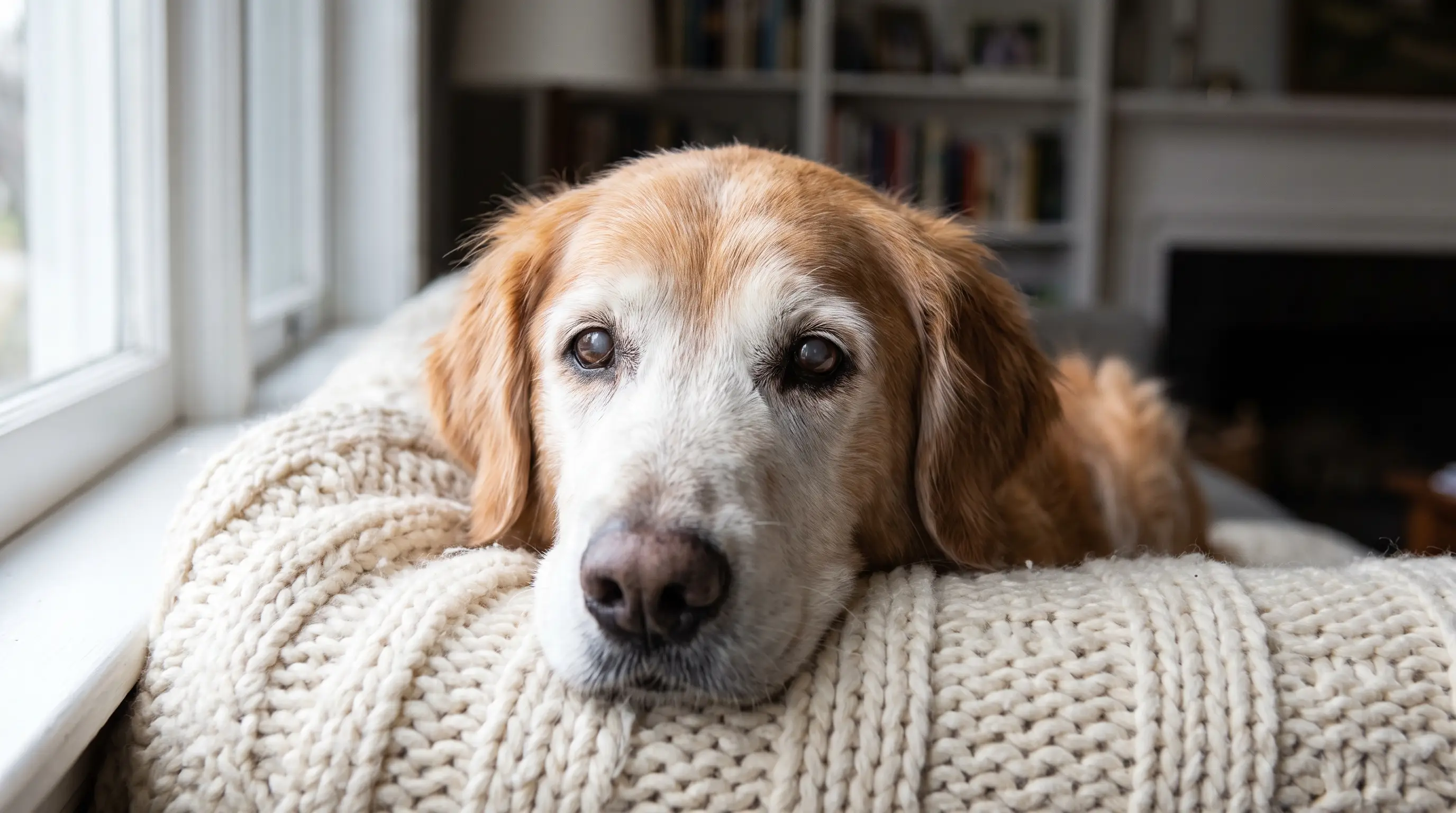
Senior dog care: what actually changes
A dog does not turn senior on a fixed birthday. Body size sets the clock, and big dogs run through it fast, so a Great Dane can be old at five while a small terrier is still springy at eleven. The later years bring real changes, but most of them are manageable if you know what to look for and act early instead of waiting for a crisis.
When a dog becomes senior
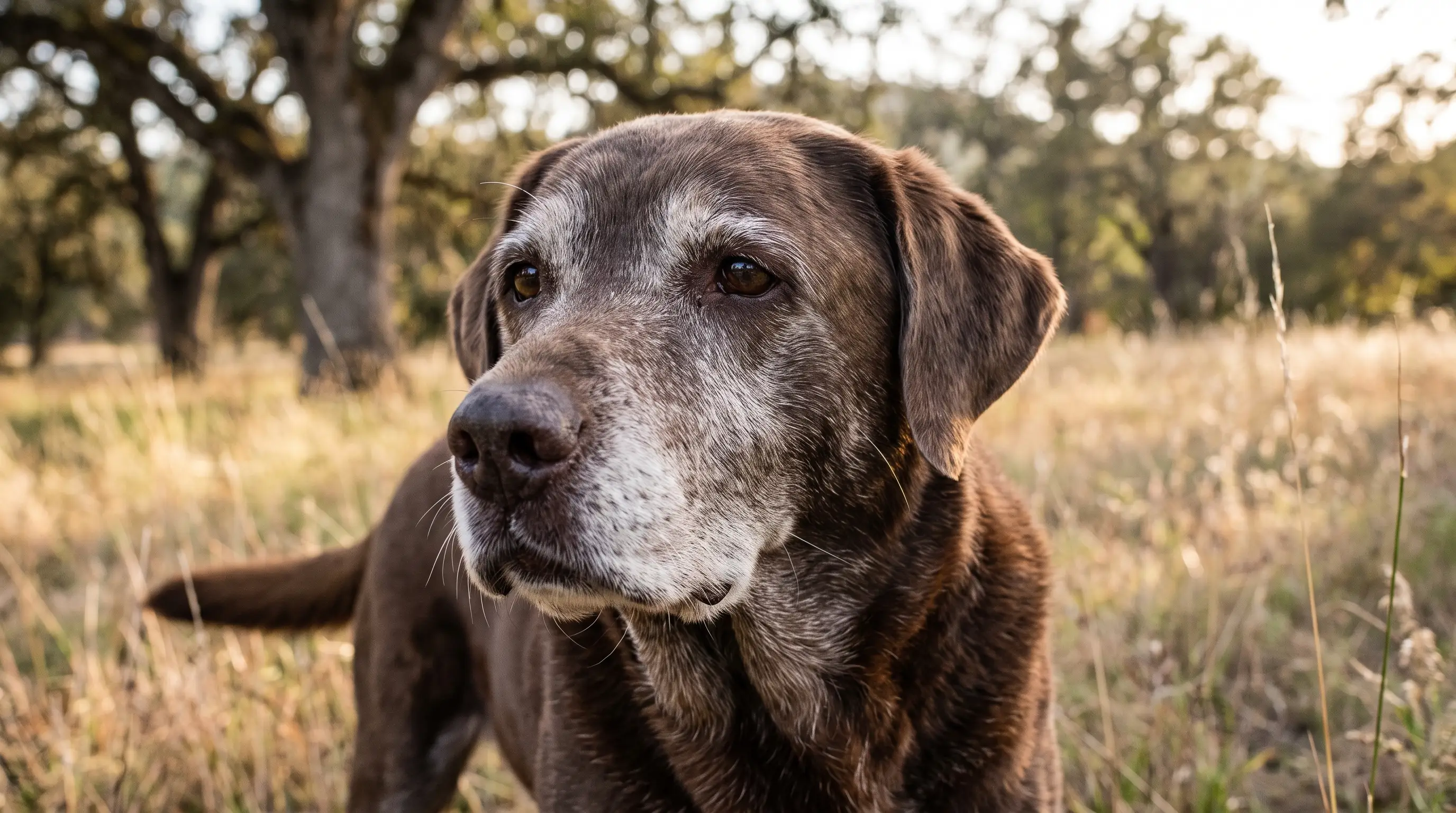
Size decides when old age starts, not the calendar. Giant breeds like the Great Dane are counted as senior by about five or six, large breeds by seven or eight, and small dogs often not until ten to twelve. The reason is blunt biology: big dogs grow fast, wear out faster, and live shorter lives, which is exactly why the record-holders for canine old age are almost always small. We pulled that thread apart in our oldest-dog story, and it holds here too.
Knowing the rough threshold matters because it changes what "normal" looks like. A seven-year-old Labrador is entering senior territory and deserves the same attention a fourteen-year-old human would; a seven-year-old Chihuahua is barely middle-aged. Don't wait for grey hair or a limp to start paying attention. The point of naming the stage is to shift your habits before problems show up, not after.
Senior wellness exams and bloodwork
Move from yearly checkups to twice a year once your dog is senior. That is the standard the American Animal Hospital Association recommends, and the logic is simple: a dog ages several human years between visits, so six months is a long time for something to develop unseen. A twice-yearly exam with routine bloodwork and a urine test catches the common age problems, kidney and liver decline, thyroid trouble, and early heart disease, while they are still quiet and treatable.
Early detection is the whole game with these conditions. Kidney disease, for instance, often shows no outward signs until most function is already gone, but bloodwork flags it long before your dog acts sick. The same visits let your vet track weight, listen to the heart, check the mouth, and put numbers on a baseline so next time they can spot a change rather than guess. It is the least glamorous part of senior care and probably the most useful.
Arthritis and pain relief
Arthritis is the change most senior dogs share, and it is treatable. Stiffness after rest, slowing on walks, hesitating at stairs, or trouble getting up are the early tells, and they creep in so gradually that owners often mistake them for "just getting old." A vet can confirm it and prescribe pain relief made for dogs, usually a canine anti-inflammatory. Never reach for the human medicine cabinet: ibuprofen and paracetamol are genuinely toxic to dogs and can cause stomach ulcers, kidney failure, or death even at small doses.
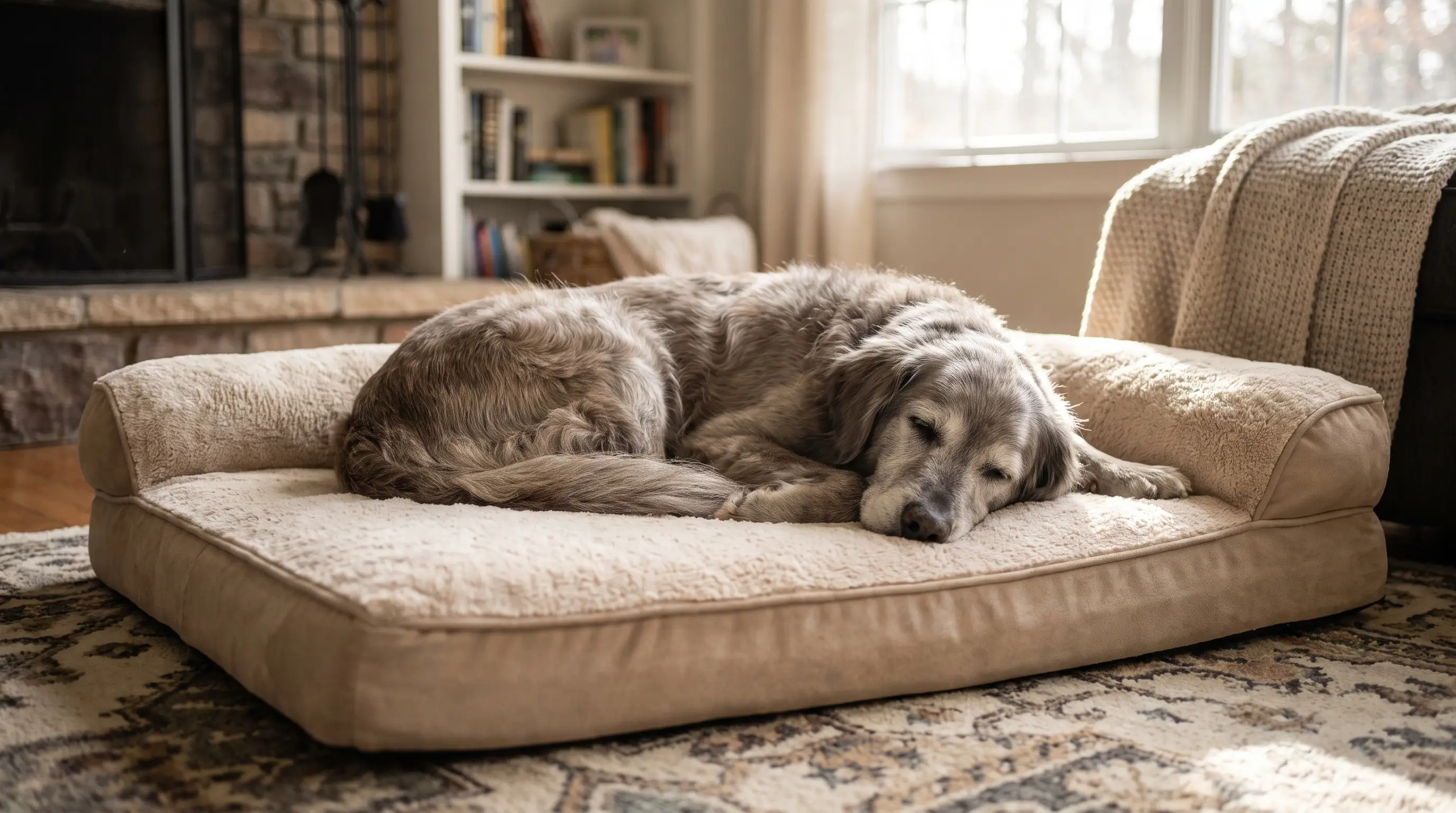
The home setup does as much as any pill. Keep a lean body weight, because every extra kilo loads sore joints. Put down rugs or runners so the dog isn't skating on hard floors, add a ramp or low steps to the car and sofa, and give them a firm orthopedic bed instead of a thin cushion. Short, regular walks beat one long weekend hike. Joint supplements and vet-guided physiotherapy help many dogs too.
Diet and dental care
Feed a senior formula, but watch the protein. Older metabolisms slow down and weight creeps on easily, so many senior diets cut calories, yet an aging dog still needs enough good-quality protein to hold onto muscle. Losing muscle mass makes everything harder, from standing up to staying warm, so don't over-restrict protein unless your vet has a specific reason, such as advanced kidney disease. Portion to the dog in front of you and adjust as their weight and activity shift.
Dental care doesn't retire when a dog gets old. Painful teeth and gum infection are common in seniors and can quietly put a dog off eating or seed bacteria elsewhere in the body. Age by itself is not a reason to skip a professional cleaning under anesthesia; a healthy senior handles it fine with proper pre-op screening. Keep brushing at home, and mention any bad breath, drooling, or dropped food to your vet rather than writing it off.
Canine cognitive dysfunction
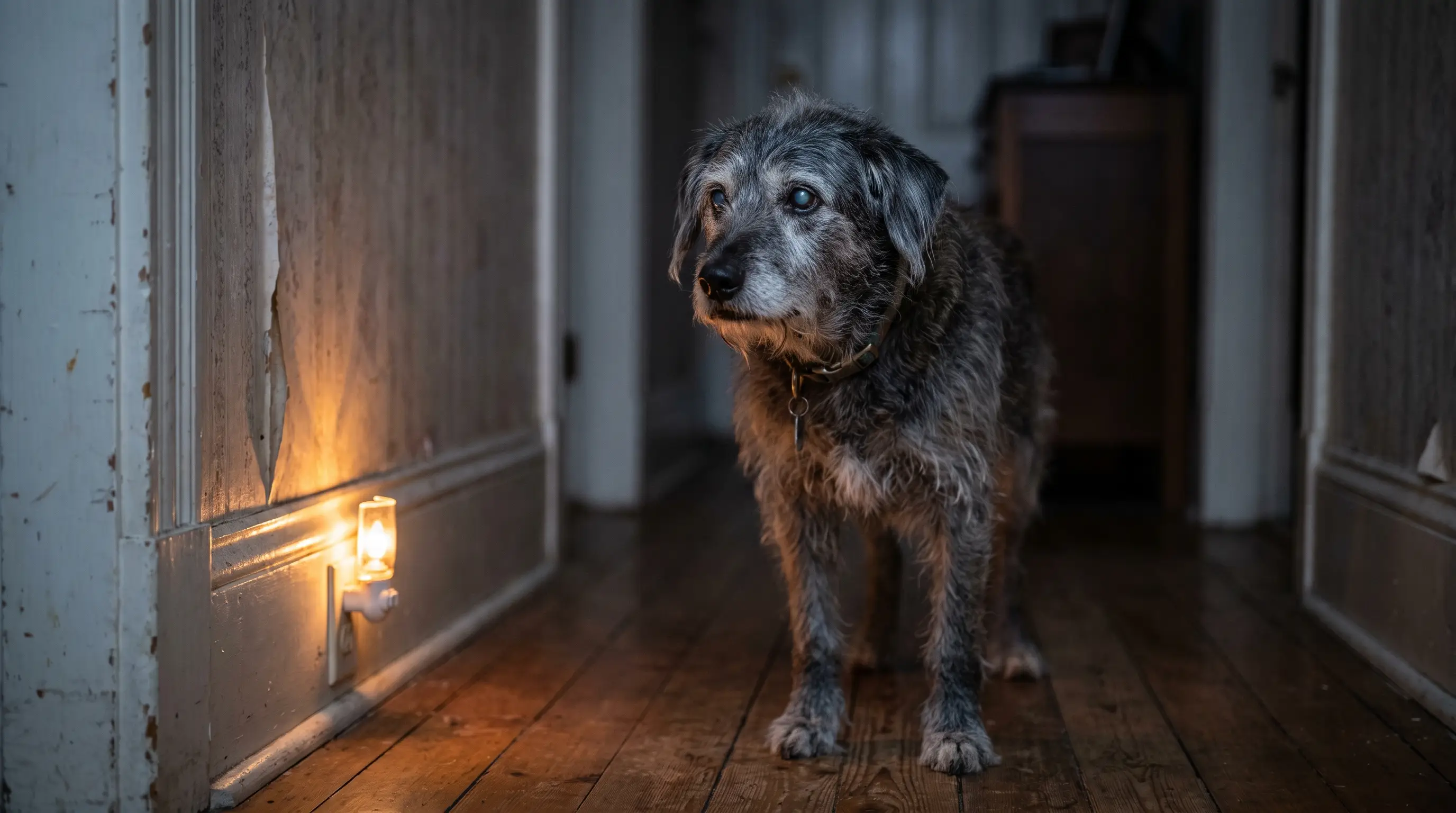
Dogs get a form of dementia, and it is more common than most owners realize. Canine cognitive dysfunction shows up as night pacing and restlessness, disorientation in familiar rooms, staring at walls or getting stuck in corners, house-soiling in a previously clean dog, and a flipped sleep cycle where they doze all day and wander all night. Vets summarize the signs with the acronym DISHAA. In one study, 28 percent of owners of dogs aged 11 to 12 reported at least one sign, rising to 68 percent by ages 15 to 16.
There is no cure, but it is manageable and worth treating. See the vet first, because pain, failing senses, and other illnesses can look the same. Keep a steady daily routine, add gentle enrichment like puzzle feeders and short sniffy walks, and use night lights to ease after-dark confusion. Your vet may suggest selegiline, a diet or supplements aimed at brain health, or anti-anxiety medication to help a restless dog settle at night. Started early, these keep quality of life up for a long time.
Failing senses and quality of life
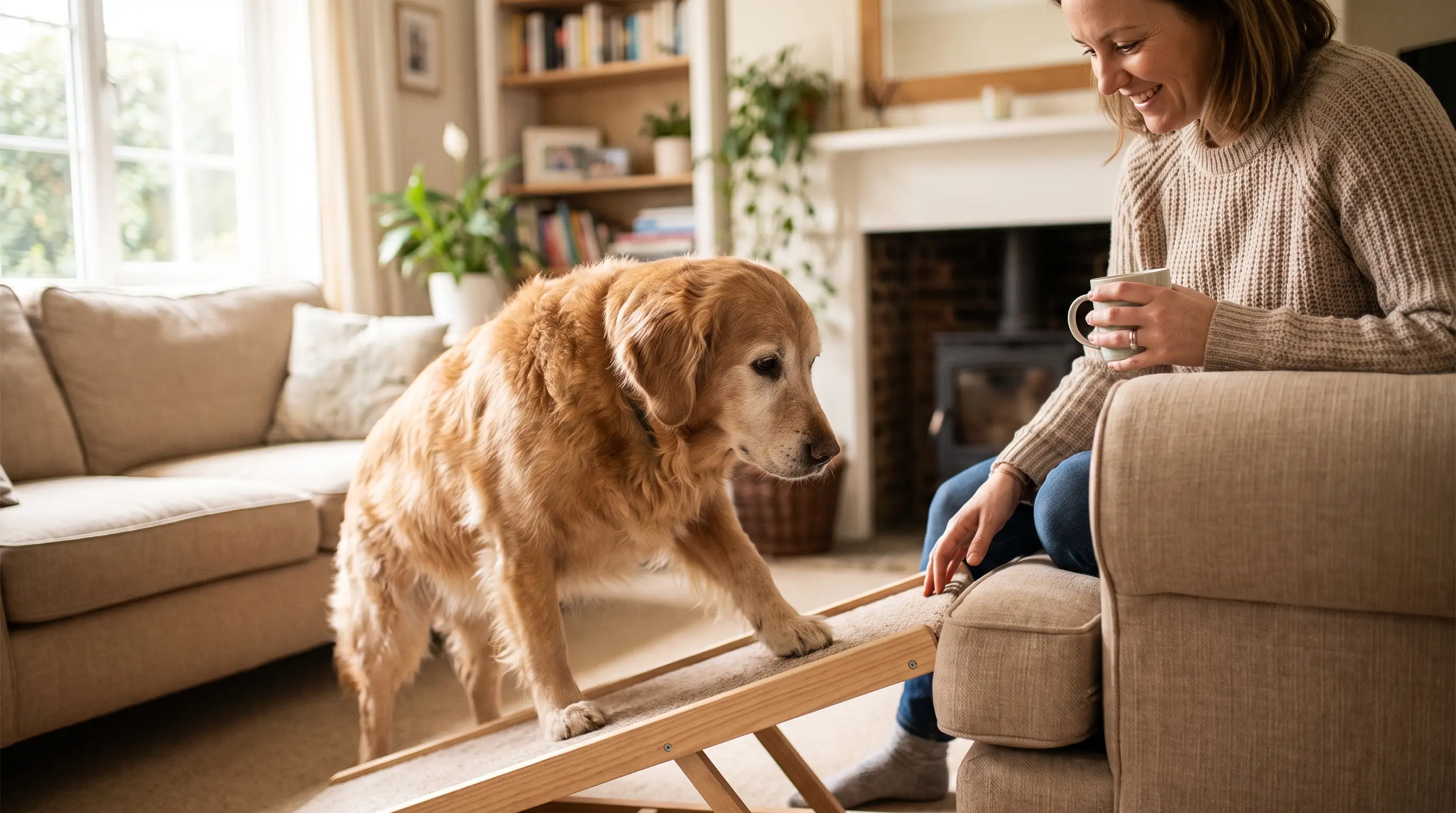
Fading sight and hearing rarely need heroics, just small adaptations. Teach hand signals while your dog can still hear, so commands survive when hearing goes. Keep furniture in the same places, since a dog that has memorized the room copes remarkably well when its eyes fail. Use night lights, approach a deaf or blind dog gently so you don't startle them, and keep them leashed or fenced in unfamiliar spaces. Most dogs adjust to slow sensory loss far better than their owners expect.
The hardest part of senior care is quality of life, and it deserves honesty. Track the good days against the bad ones, watch whether your dog still eats, greets you, and enjoys the things they always loved. When the bad days outnumber the good and comfort slips away, ask your vet the hard question plainly. A good vet will talk you through it without judgment. Letting go gently, at the right time, is the last kindness of a long life well cared for, not a failure.
Common questions
At what age is a dog considered a senior?
It depends on size. Small dogs are usually seniors around 10 to 12, large breeds by 7 to 8, and giant breeds by about 5 to 6, because bigger dogs age faster and have shorter lifespans.
What can I give my old dog for pain?
Only pain relief prescribed by your vet, typically a dog-specific anti-inflammatory. Never give human medicines like ibuprofen or paracetamol, which are toxic to dogs and can cause kidney failure, stomach ulcers, or death.
How often should a senior dog go to the vet?
Twice a year. Older dogs age quickly between visits, so a six-month checkup with bloodwork and a urine test helps catch kidney, liver, thyroid, and heart problems early while they are still treatable.
What are the signs of dog dementia?
Night pacing and restlessness, disorientation in familiar places, staring at walls, getting stuck in corners, house-soiling in a house-trained dog, and a reversed sleep cycle. See your vet, since other illnesses can look similar.
How do you take care of an old dog?
Twice-yearly vet checks with bloodwork, weight and joint management with vet-prescribed pain relief, a senior diet with enough protein, dental care, and home changes like ramps, rugs for traction, and a firm orthopedic bed.
What are the signs that a dog is nearing the end of life?
Loss of appetite, no interest in things they used to enjoy, trouble standing or moving, and more bad days than good ones. When comfort can't be kept, ask your vet honestly about quality of life.
More in Dogs
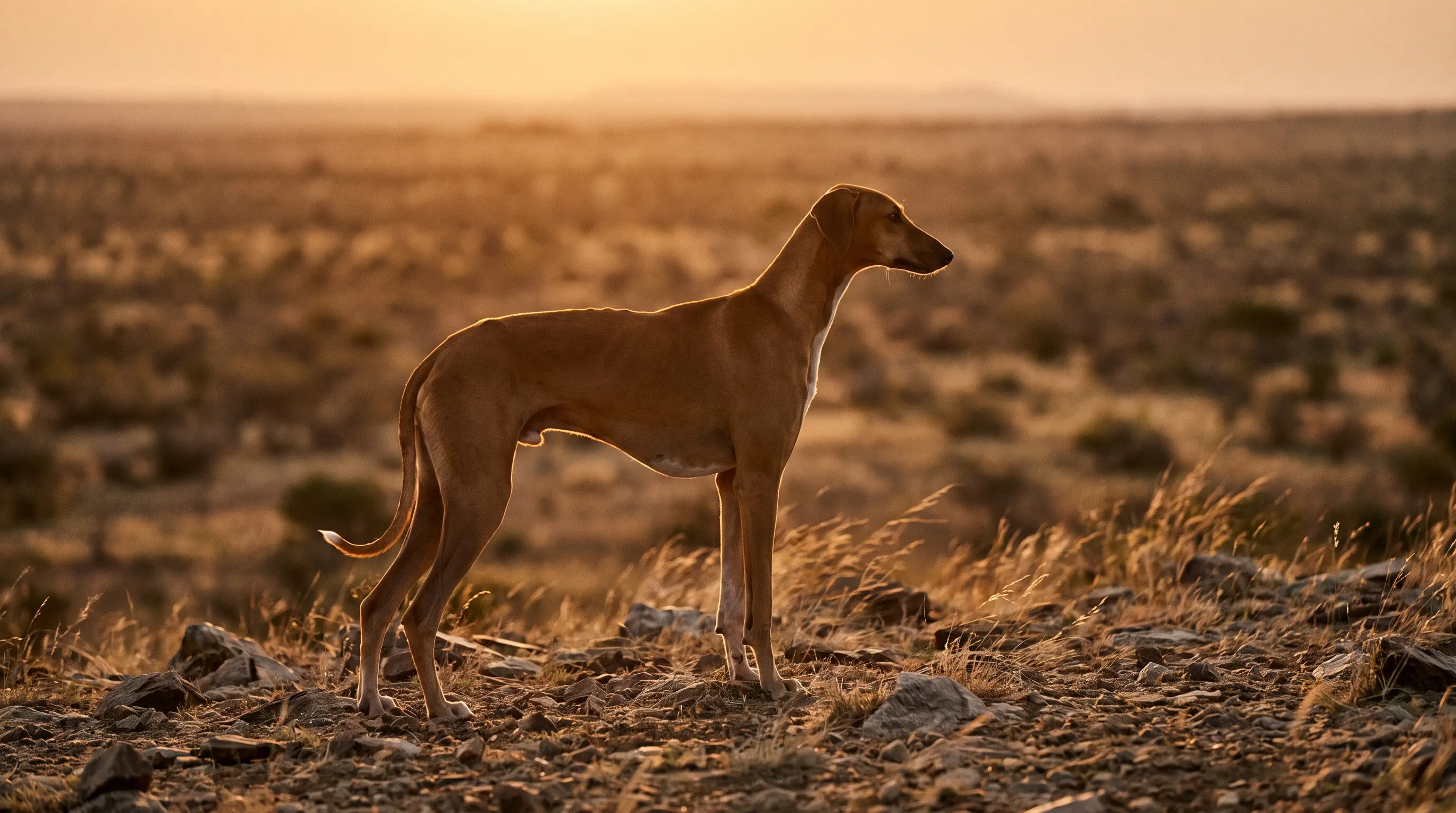
8 rare dog breeds most people never meet
Eight of the world's rarest dog breeds — where they come from, what makes them unusual, and why you almost never see one.

Foxtails: The Summer Grass Seed That Burrows Into Pets
Foxtail grass seeds catch in fur and travel one way—inward. Here's how to spot them on a cat or dog, and stop them.
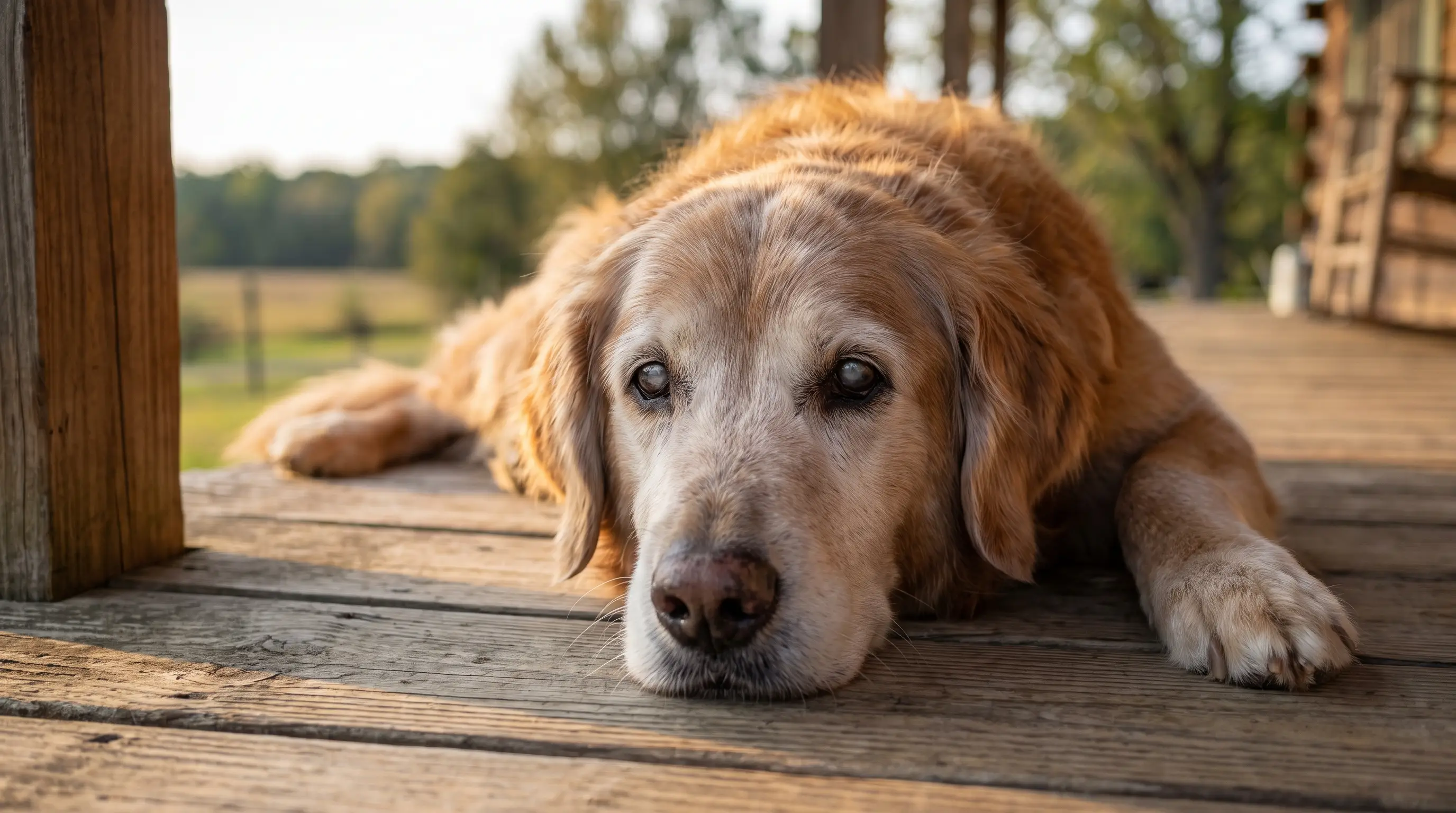
The oldest dog ever and how long dogs really live
Bluey reached 29 years. Bobi's 31-year claim fell apart. Here's the real math on dog lifespan, and how to buy your dog more time.