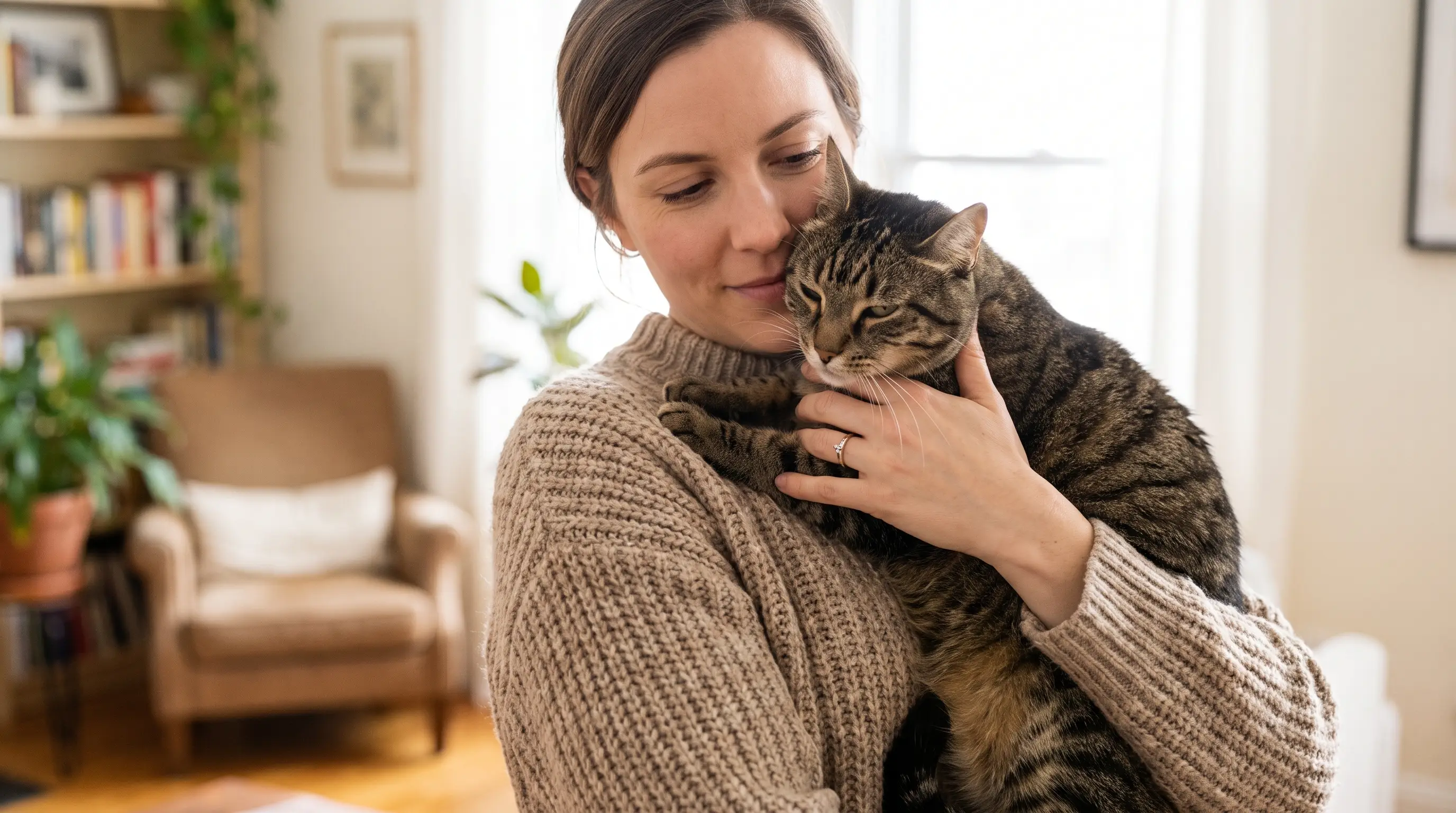
Most affectionate cat breeds and the aloof-cat myth
Most cats are not aloof by nature. When researchers put cats through the same attachment test used on human babies and dogs, about 65% formed a secure bond with their owner, almost the exact share seen in human infants. Some breeds show it more openly than others, though, and a handful will follow you from room to room and refuse to be ignored. Here are the ones that reliably seek human contact, plus the honest catch that comes with them.
The aloof-cat myth
Cats are not wired to be distant, and the science is fairly clear on this. In a 2019 Oregon State University study published in Current Biology, Kristyn Vitale and colleagues ran cats through an adapted version of the "strange situation" test, the same protocol developmental psychologists use on human infants and that others have used on dogs. About 65% of the cats showed a secure attachment to their owner, returning to them as a safe base after a brief separation. That figure is almost identical to the roughly 65% of human babies who test as securely attached.
So where does the frosty reputation come from? Usually from fear, a stressful or crowded home, thin socialization as a kitten, or simple breed temperament, not from anything species-wide. A cat that vanishes when guests arrive can still bolt to the door the moment its own person comes home. That is attachment working exactly as designed. Aloofness is a description of one cat's circumstances far more often than it is a fact about cats.
Ragdoll and Maine Coon
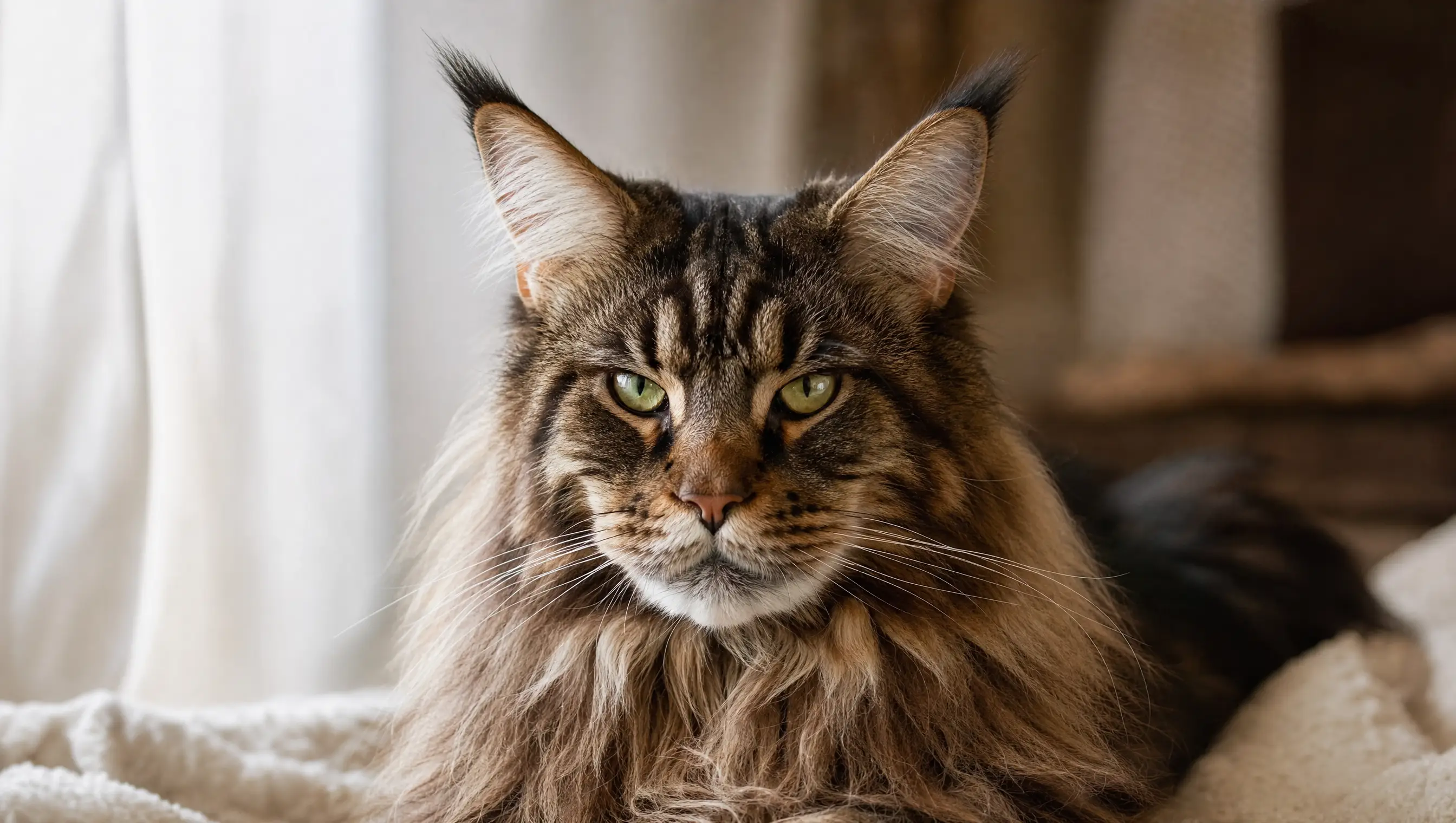
If you want a cat that actively looks for your lap, start with the Ragdoll and the Maine Coon. The Ragdoll earns its name by going limp and relaxed when you lift it, and many will trail you around the house and flop against your side on the couch. It is one of the most people-focused breeds you can pick, and you can read the full profile on the Ragdoll page.
The Maine Coon is the gentle giant, the largest domestic cat breed, and it behaves more like a dog than most cats do. Maine Coons often greet you at the door, chirp and trill to get your attention, and settle near whatever you are doing. Neither breed is a decoration that tolerates you. Both treat you as the point of the day.
Siamese and Sphynx
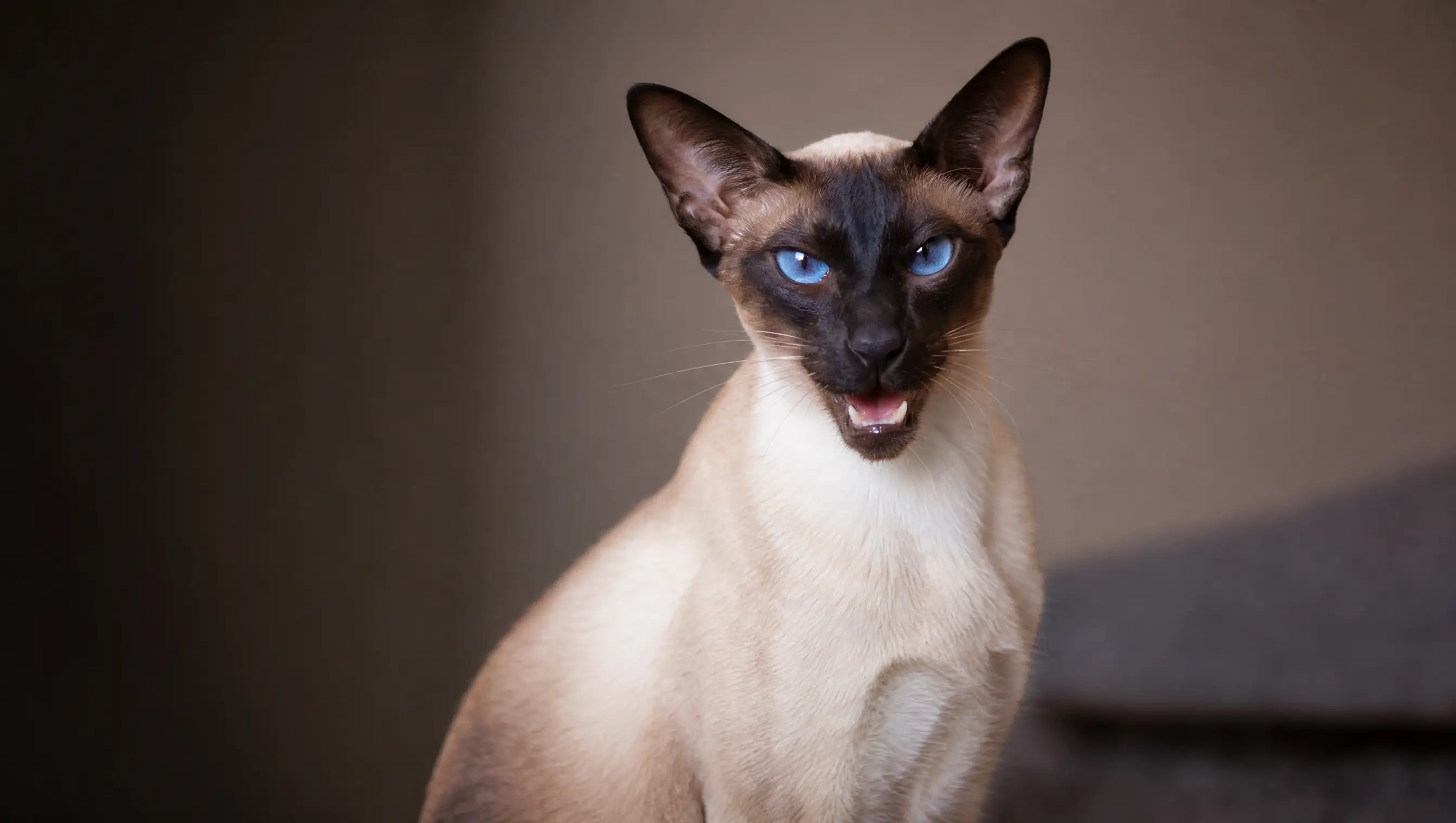
The Siamese and the Sphynx are the clingiest cats on this list, in the best and most demanding sense. Siamese are the classic velcro cat: intensely bonded, loudly talkative, and happy to hold a running conversation with you all day. They object when you leave the room and expect to be part of everything, which is charming until you need to take a call.
The Sphynx wants you for a slightly different reason. With almost no coat, it loses heat fast, so it seeks warmth constantly, your lap, your bed, the spot under the blanket. That physical need turns into genuine cuddling, and a Sphynx will press against you for hours. If you like a cat that treats you as furniture and best friend at once, this is the pairing.
Persian, Abyssinian and Scottish Fold
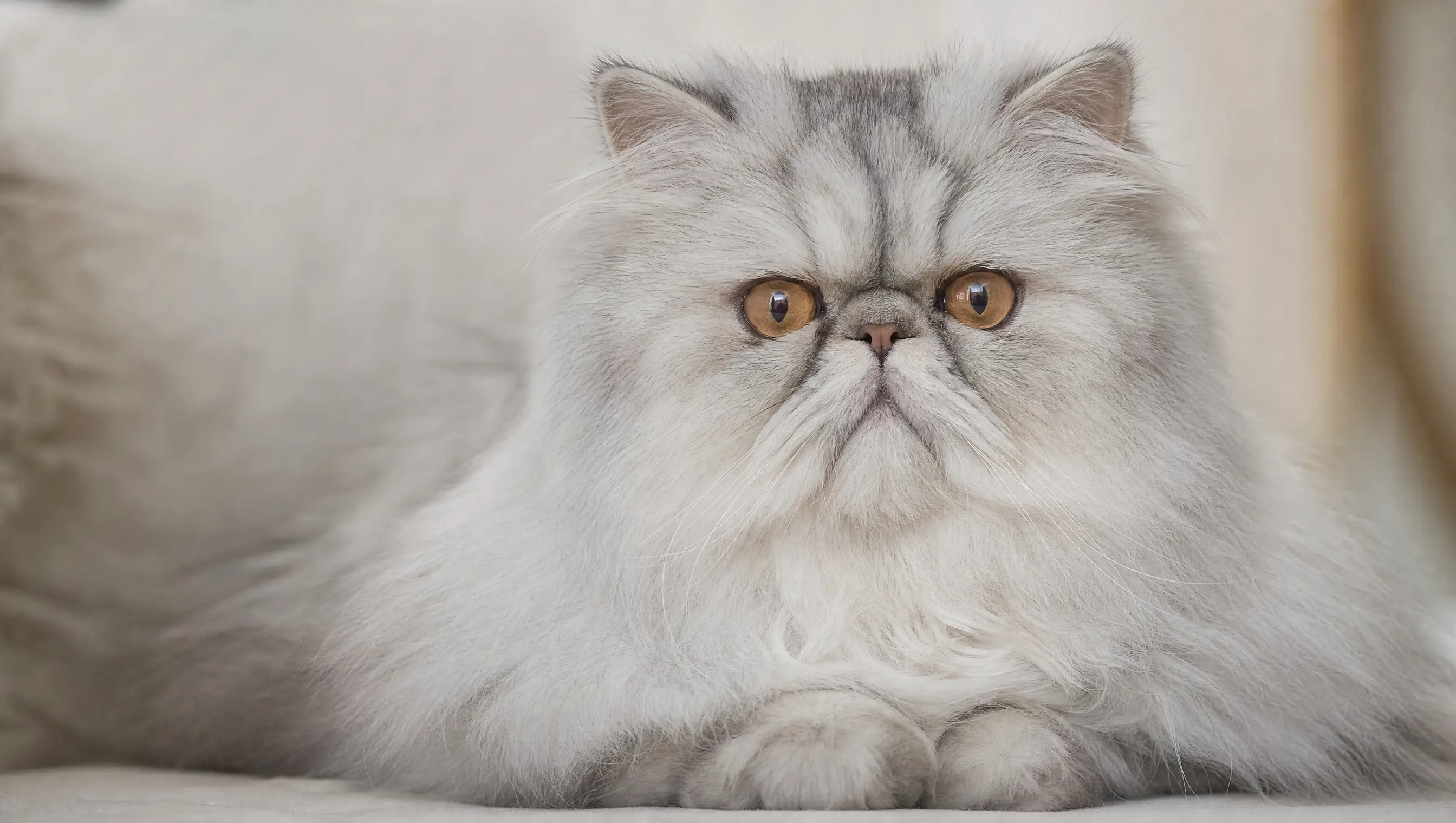
For affection at a lower volume, look at the Persian, the Abyssinian and the Scottish Fold. Persians are placid lap cats that want to be near you without much drama, content to sit quietly while you read or work. They ask for closeness rather than performance.
The Abyssinian is the busy one of the three, athletic and endlessly curious, yet strongly oriented toward its people; it stays involved in your day between sprints around the room. The Scottish Fold is the calm counterweight, an even-tempered cat that likes to sit close and keep you in its line of sight. None of these three will smother you, but all of them clearly want to be where you are.
Socialization beats breed
Breed is a weak predictor of affection next to temperament and early handling. A kitten's sensitive socialization window runs roughly from two to seven weeks of age, and kittens that are gently handled by people during that stretch tend to grow into confident, affectionate adults whatever their pedigree. This is why an adopted moggy from a good foster home can out-cuddle any show cat, and why two cats of the same breed can turn out completely different. If you meet a shy adult, that history, not the label, is usually the reason. A stray that warms up slowly can become the most devoted cat you have ever had, as our guide to what to do when you found a stray cat explains.
One honest caveat sits under all of this: with cats, "affectionate" often means "demanding". The breeds here dislike being left alone for long days and will make their feelings known through the door. If your hours are long, adopt a bonded pair so they have each other, or choose a more independent cat instead. Affection is a two-way contract, and these breeds expect you to hold up your end.
Common questions
What is the most affectionate cat breed?
The Ragdoll and the Maine Coon top almost every list: the Ragdoll goes limp in your arms and follows you around, while the Maine Coon is a gentle giant that acts almost dog-like. But affection depends more on the individual cat and its early socialization than on breed.
How can you tell if your cat loves you?
A cat shows affection by purring in your lap, rubbing its face on you, sleeping near you, and greeting you when you come home. A slow blink while looking at you is also a signal of trust and love.
Do cats get attached to their owners?
Yes, and science backs it up: a 2019 study in Current Biology found that about 65% of cats form a secure attachment to their owner, close to the rate seen in human infants. Cats bond to their people in a way comparable to dogs and babies.
Why is my cat so clingy?
A very clingy cat is usually seeking warmth, security, or simply company, and some breeds like the Siamese and Sphynx are naturally that way. If the behavior is sudden or excessive it can signal stress, separation anxiety, or a health problem, and then it is worth seeing the vet.
How can I make my cat more affectionate?
Spend time playing with it every day, respect its space, and never force it to be picked up. Trust is built with consistency and gentleness, and a cat that feels safe naturally becomes more affectionate.
What is the most cuddly cat breed?
The Ragdoll is probably the most cuddly cat of all, followed by the Sphynx, Persian, and Birman. These are all breeds that seek physical contact and love sitting in your arms or on your lap.
More in Cats
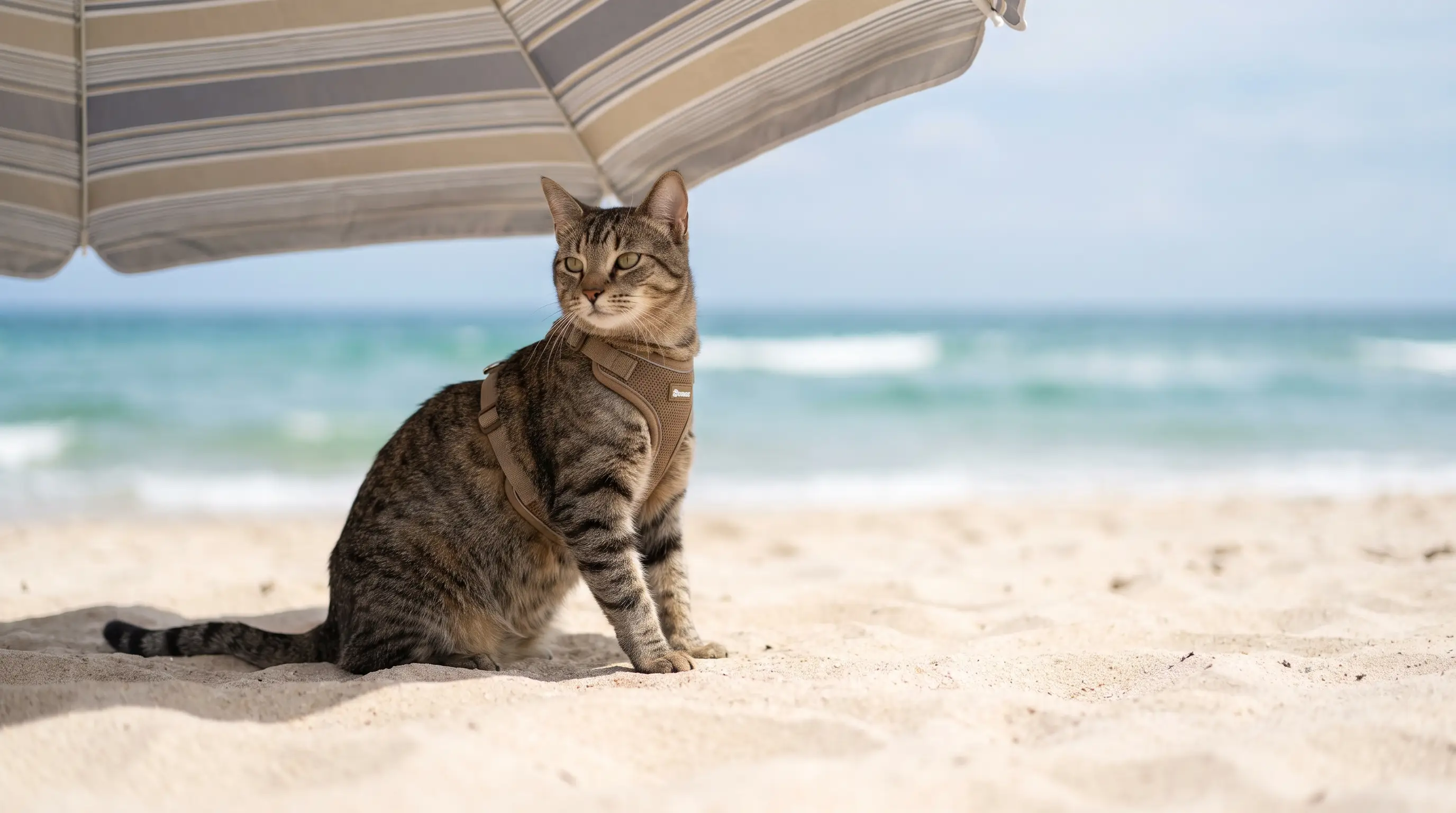
Can you take your cat to the beach? An honest guide
Most cats should skip the beach, and a few can go safely. The honest, vet-checkable guide to heat, sun, saltwater, harnesses and who stays home.
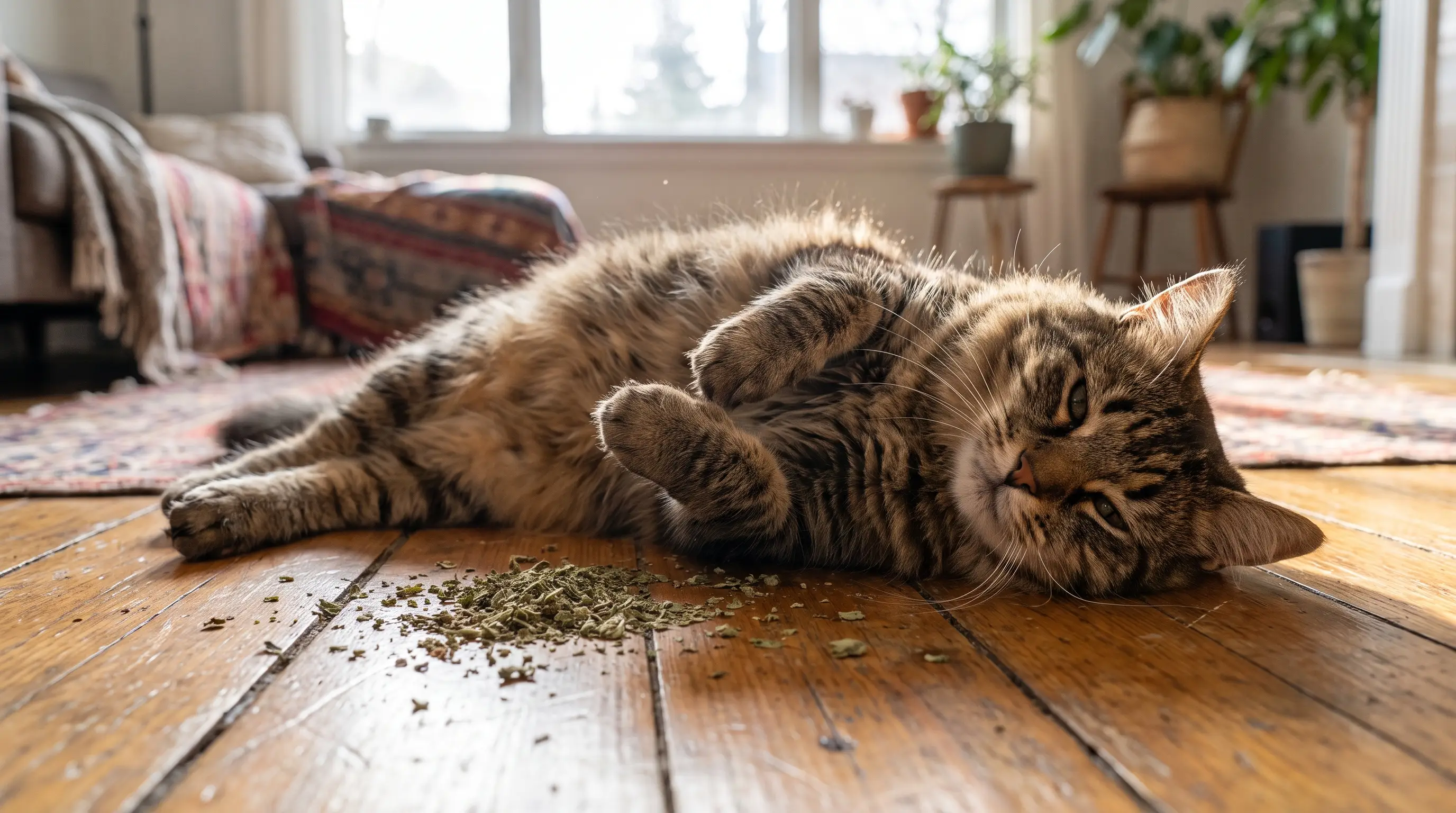
What Catnip Really Does to a Cat
The honest, myth-busting guide to catnip: what nepetalactone does, why 1 in 3 cats ignore it, and what to try instead.
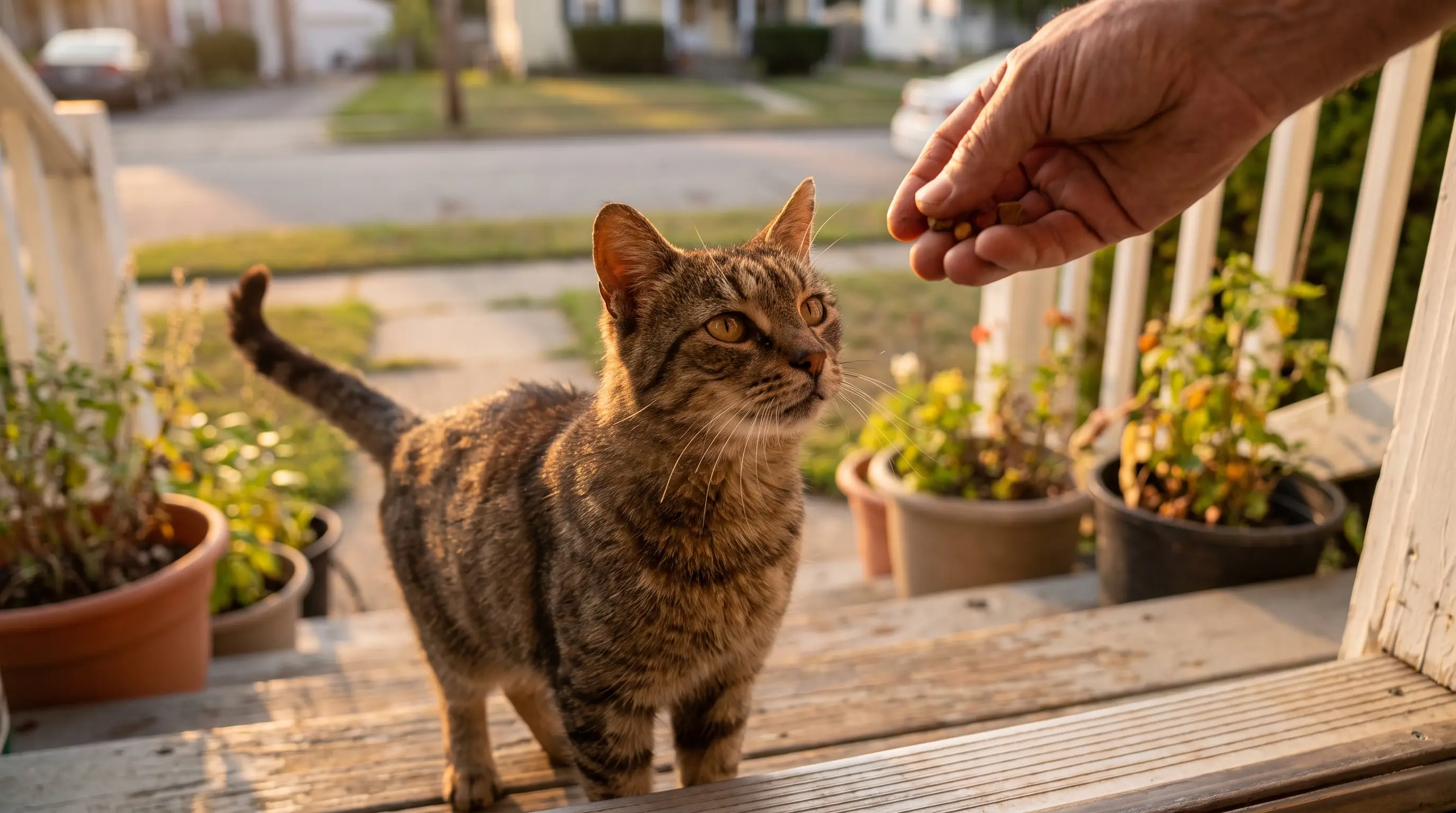
You Found a Stray Cat: What to Actually Do
A friendly cat on your doorstep may already have a home. Here is the honest, welfare-first order of steps before you take it in.