The Alpha Wolf Myth: How a Pack Really Works
There is no alpha wolf. The idea that a pack is a gang of rivals clawing toward the top, ruled by whoever wins the most fights, came from watching the wrong wolves in the wrong place. In the wild, a pack is something plainer and far more interesting: a family. Once you see that, the popular advice to "be the alpha" with your dog falls apart, because it rests on a mistake that biologists corrected decades ago.
Where the alpha wolf myth came from
The alpha wolf came from a 1940s study of captive wolves, not wild ones. Swiss biologist Rudolph Schenkel put unrelated adult wolves together in a zoo enclosure and watched them fight over rank. Strangers crammed into a small space did jockey for position, and Schenkel described a top male and top female he called alpha. The behaviour was real; the setup was not. It was the wolf version of studying human nature by locking strangers in a holding cell and concluding that people are ruled by whoever throws the hardest punch.
Biologist L. David Mech carried the term into the mainstream with his 1970 book The Wolf, which became the standard reference for a generation. Then he spent years watching real packs and realised the model was wrong. Mech has since spent decades publicly correcting the word alpha, and he has asked his own publisher to stop reprinting the old book because the science in it is out of date. That is a rare thing in any field: the man who made alpha famous became its loudest critic.
A wild wolf pack is a family, not a gang
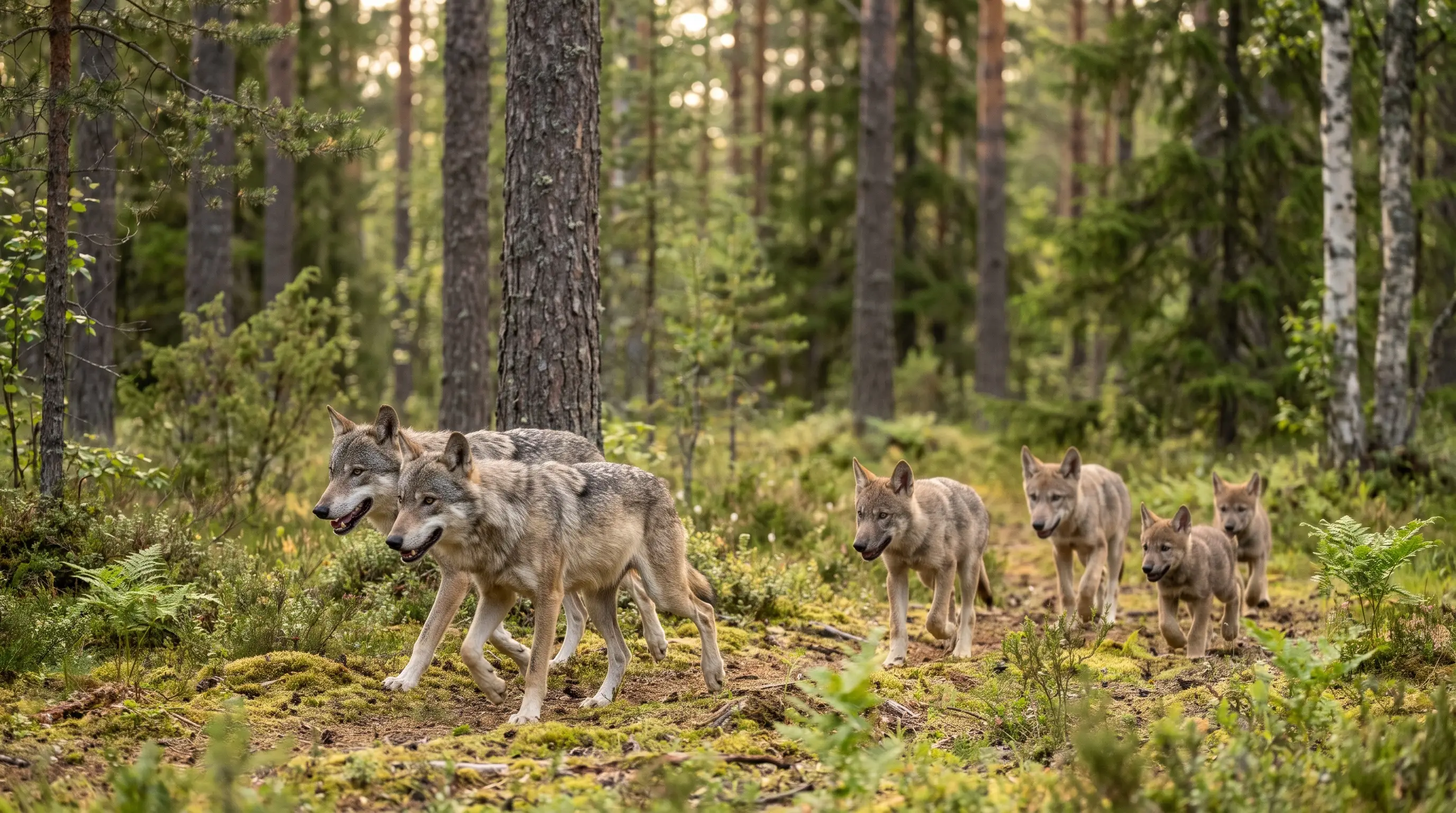
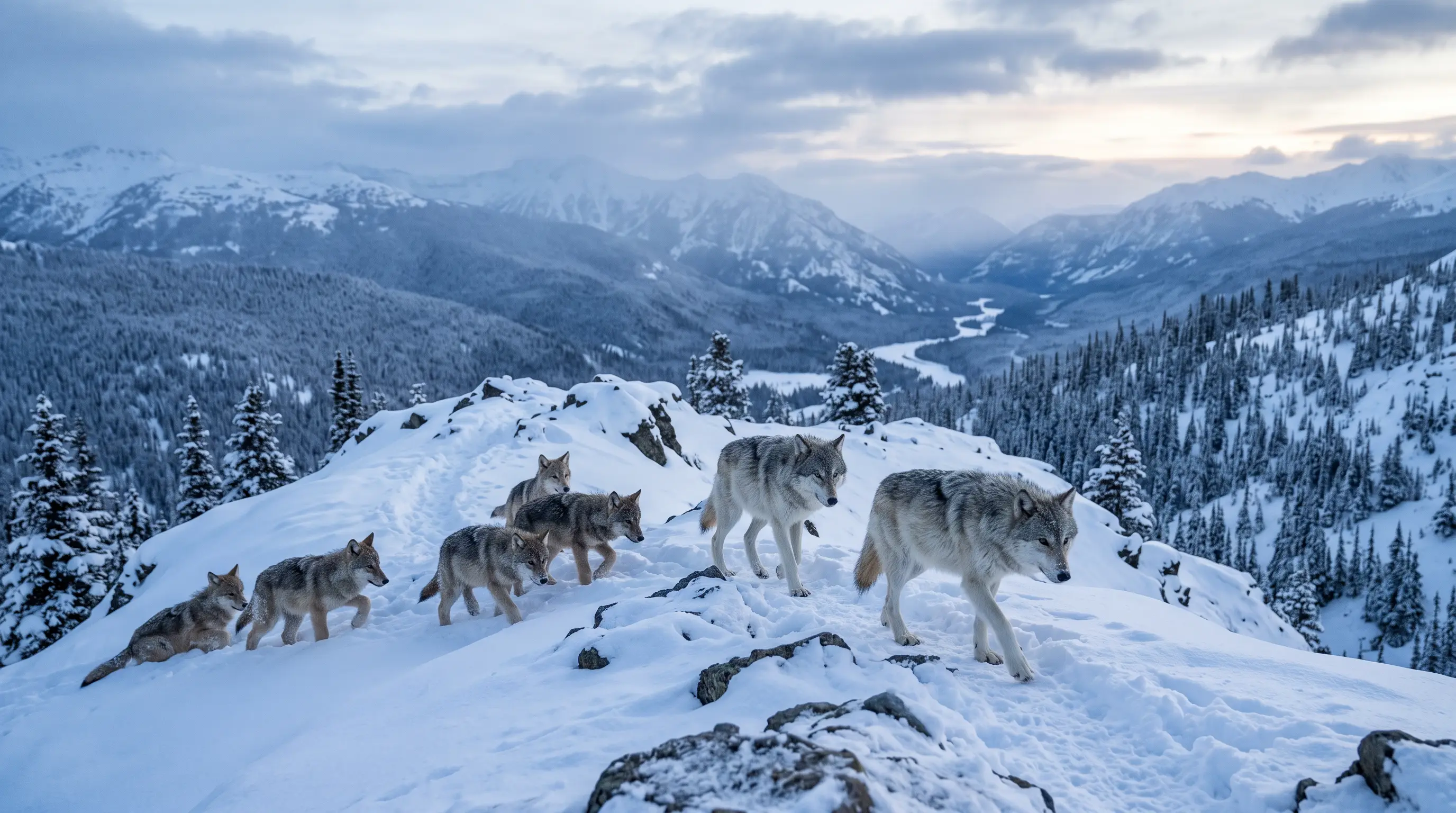
A wild wolf pack is a family group, usually a breeding pair and their offspring from one or more years. There is no ranking tournament because there is nothing to rank. The so-called alpha pair are simply the parents. Everyone else is their pups: some newborn, some a year or two old and not yet gone. They travel, hunt and rest together for the reason any family does, which is that they are related and they are raising young.
Grown pups eventually disperse. A young wolf leaves, covers long distances alone, finds an unrelated mate and starts a pack of its own, becoming a parent in turn. So the alpha status nobody fought for is just the ordinary result of growing up and having your own litter. Wolves don't climb a ladder. They leave home. If you enjoy reading animals on their own terms, the same honest lens applies to our field guide to wild cats, where solitary hunters follow rules just as specific as a wolf family's.
Who leads a wolf pack
The parents lead a wolf pack, and they lead because the young follow them, not because they beat anyone. A breeding pair decides when to travel, where to hunt and when to den, and the pups come along the way children follow parents who know the ground and control the food. Leadership here looks like experience and initiative, not intimidation. Mech has described the breeding male less as a boss and more as the member who takes charge of specific jobs, above all the hunt. Rank enforced by force is what you get in captivity, when there is no family structure to fall back on and strangers have to sort out who eats first.
Why wolves howl and hunt together
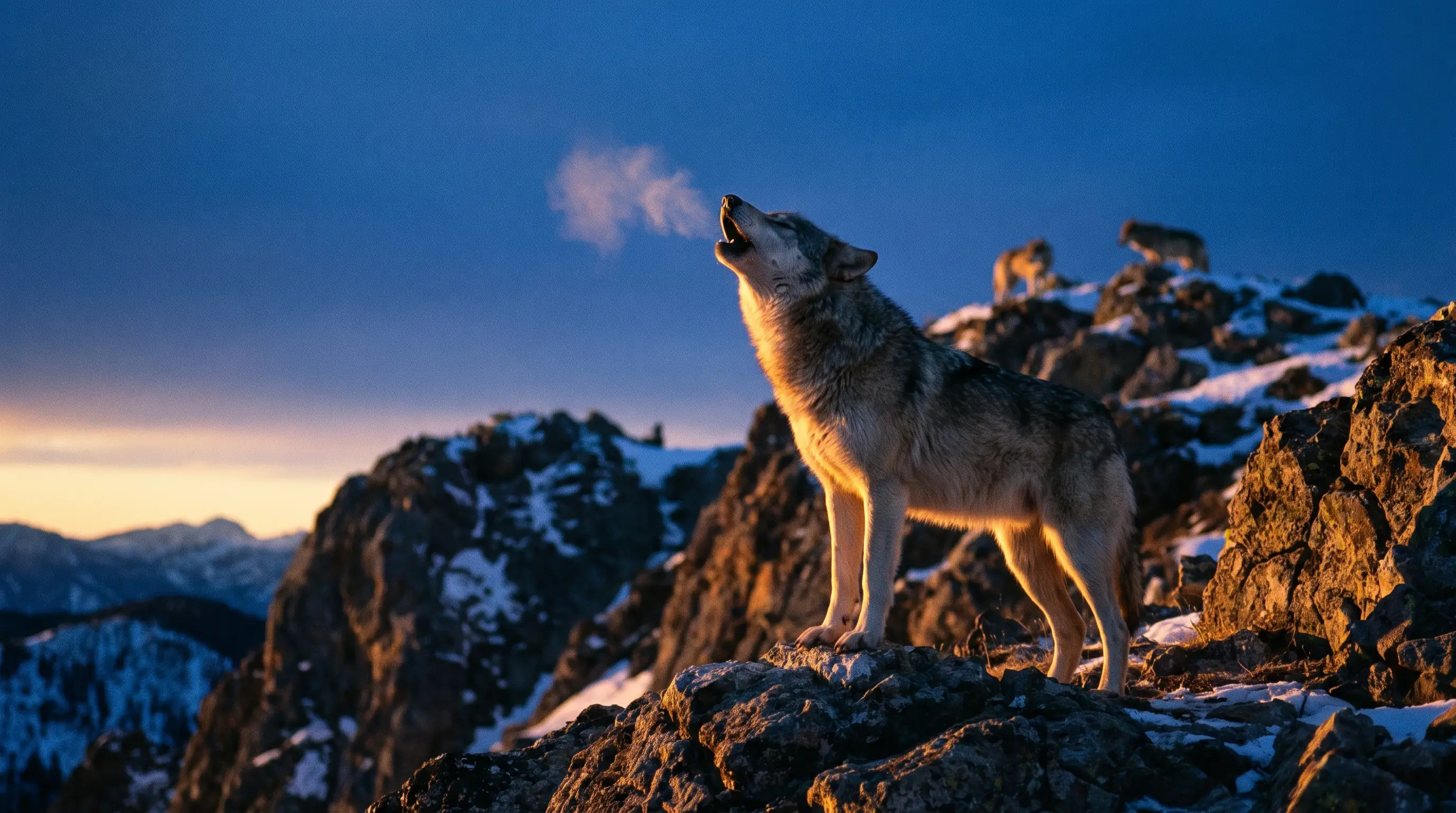
Wolves howl mainly to find each other and to warn rival packs off their land. A howl carries for miles, so a pack scattered across a hunt can regroup by voice, and a chorus tells neighbouring packs that the territory is taken. It works as both a reunion call and a boundary sign.
A typical wild pack runs about five to eleven wolves, though the count swings widely with prey and region. More food and larger game can support a bigger pack; leaner country holds a smaller one. Size matters because wolves hunt cooperatively. Working as a coordinated group is how a pack brings down prey far heavier than any single wolf, an elk or a moose that one animal could never take alone. The family that hunts together eats together.
What this means for your dog
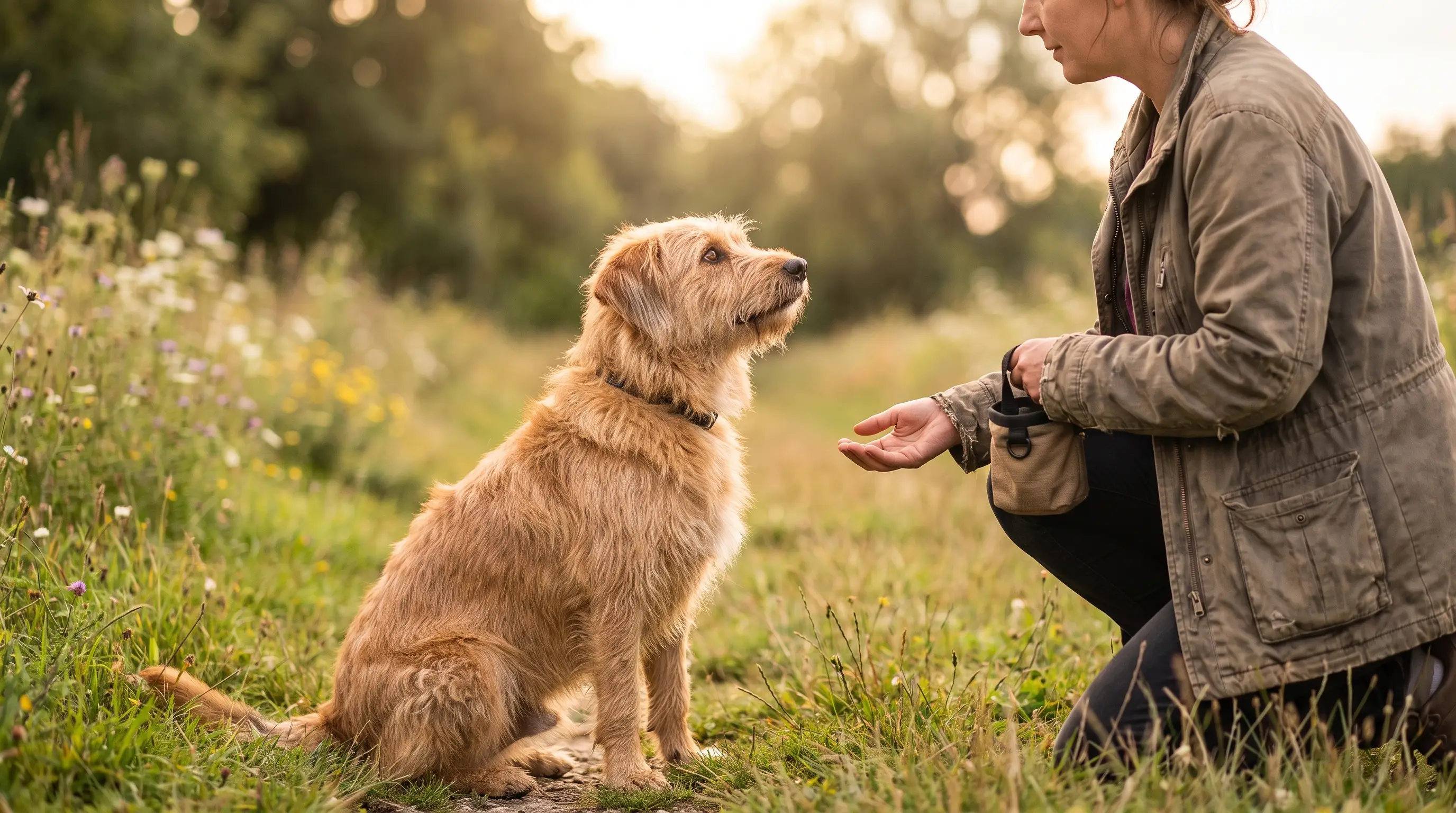
Your dog is not scheming to become the alpha of your living room. The popular "be the alpha" and "dominate your dog" training styles rest on the captive-wolf model that was debunked, and they misread both species at once. Dogs are not wolves, and wolves do not live in the rank struggle those methods imagine. A wild wolf follows its parents; it does not surrender to whoever pins it hardest to the floor.
Dogs split from wolves thousands of years ago and evolved alongside people, reading human faces and gestures in ways wolves never developed. Treating a dog like a subordinate wolf in a dominance contest solves a problem that was never there and often creates a fearful one. What dogs actually respond to is clarity, consistency and reward, the same things that hold a wolf family together in the wild. If you're choosing a companion, temperament and fit matter far more than any pack-boss fantasy; browse the breed library for how personality really varies from one dog to the next.
Common questions
Is there really an alpha wolf?
No. The alpha wolf came from 1940s studies of unrelated captive wolves forced together, who fought for rank in an unnatural setting. In wild packs there is no alpha, and even the biologist who popularised the term, L. David Mech, has spent decades correcting it.
How does a wolf pack actually work?
A wild wolf pack works as a family. It is a breeding pair and their offspring from one or more years, travelling, hunting and raising young together. The young follow their parents rather than competing for a throne, and grown pups leave to start families of their own.
How many wolves are in a pack?
A typical wild pack has roughly five to eleven wolves, but it varies widely with prey and region. Areas with more food and larger game can support bigger packs, while leaner territory holds smaller ones.
Why do wolves howl?
Wolves howl mainly to reassemble the pack across distance and to advertise their territory to rival packs. A howl carries for miles, so it works both as a way to regroup after a hunt and as an audible boundary marker.
Who leads a wolf pack?
The parents lead. They set the direction because their pups naturally follow them, not because they won any fights. Leadership in a wild pack is about experience and initiative, especially on the hunt, rather than force.
Do dogs have a pack hierarchy like wolves?
Not in the way the old alpha myth claims. That model was based on debunked captive-wolf studies, and dogs are not wolves competing with their owners for rank. Dogs evolved alongside humans and respond to clarity, consistency and reward, not domination.
More in Wild
8 small wild cats you've never heard of
Eight small wild cats — from the deadliest hunter on Earth to the ancestor of your housecat — and where each one still lives.
Italian wildcat: spotting a true Felis silvestris
Italy has a genuine native wild cat hiding in its forests. Here is how to tell one from a big farmyard tabby, and why it needs protecting.
How the wolf became the dog
The tamest wolves fed themselves at our campfires and bred a new animal into existence. The full, honestly bounded story.