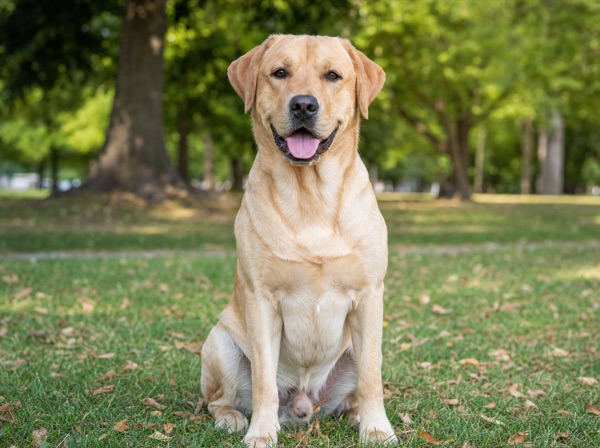
Labrador Retriever
The world's favourite family dog — sporting, sweet, and endlessly food-motivated.
Vital stats
| Size | Medium-large · 55–62 cm |
| Weight | 25–36 kg |
| Life expectancy | 10–12 years |
| Energy | High — 60–90 min/day |
| Shedding | Moderate, year-round |
| Coat | Short double coat · black, yellow, chocolate |
| Group | Sporting · AKC / FCI №122 |
Breed traits
Friendliness
Care
Mind
Temperament
Bred to retrieve waterfowl all day without complaint, the Labrador is patient, biddable, and desperate to please — which makes it wonderfully easy to train and wonderfully easy to overfeed. Expect a dog that wants to be with you, in water, ideally carrying something.
Habits & quirks
Mouthy by nature
A retriever needs to carry things — give it a toy or it'll pick its own.
Water magnet
There is no puddle it will not find, and no lake it will not enter.
Eternal puppy
Labs mature slowly; expect adolescent energy until nearly three.
Counter-surfer
Food left at nose height is, in the Labrador's view, a gift.
Care
| Exercise | 60–90 min/day — fetch, swim, and sniff work; a bored Lab is a destructive Lab |
| Feeding | Measure every meal — the breed gains weight faster than almost any other |
| Grooming | Weekly brush, more in the two annual sheds |
| Training | Easy and rewarding — start early to manage the size and enthusiasm |
Common questions
Are Labradors good family dogs?
Yes — arguably the benchmark. Gentle, patient and sturdy, they suit families with children of any age.
Do Labradors shed a lot?
Moderately, all year, with two heavier seasonal blows. Weekly brushing keeps it manageable.
How much exercise does a Labrador need?
60–90 minutes of real activity daily. Under-exercised Labs get bored and chew.