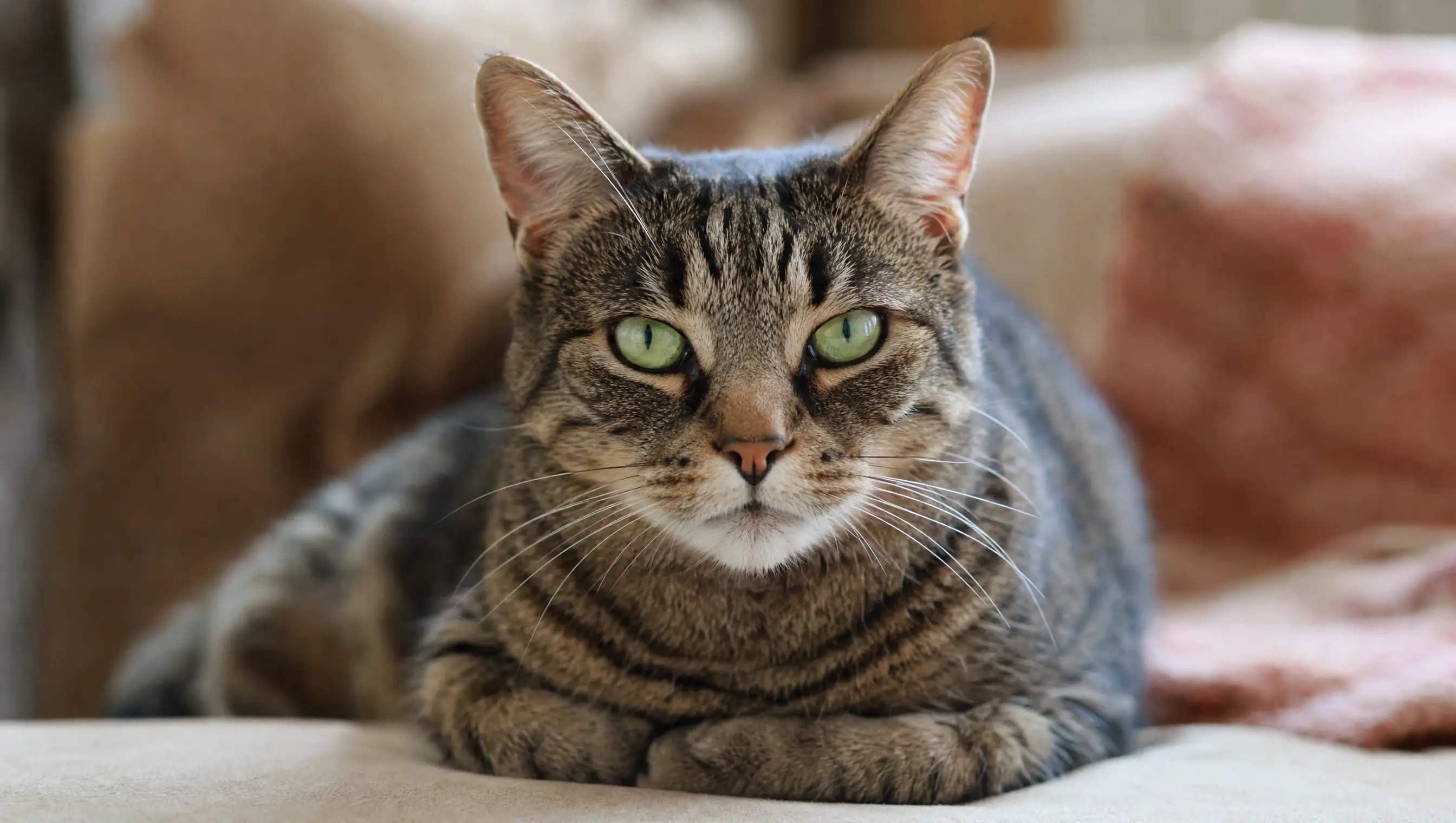
Domestic Shorthair
The ordinary house cat — mixed by no one, tuned by centuries of living alongside us.
Vital stats
| Size | Small to medium |
| Weight | 3–5 kg · some toms heavier |
| Life expectancy | 12–18 years, often more |
| Energy | Moderate — varies by cat |
| Shedding | Moderate, heavier in spring |
| Coat | Short, dense, close-lying |
| Group | Shorthair |
Breed traits
Friendliness
Care
Mind
Temperament
There is no single Domestic Shorthair temperament, and anyone who promises you one is selling something. These are mixed-ancestry cats, so what you get depends on the individual and how it was raised, not a breed blueprint. That said, generations of living close to people have selected for cats that tolerate us well: many are easygoing, adaptable, and equally content to nap through a quiet afternoon or chase a bottle cap down the hall. Kittens handled early tend to settle into confident adults; those that grew up feral or under-socialised may stay wary for life. The upside of that genetic lottery is real hybrid vigour — fewer of the inherited faults bred into narrow pedigrees.
Habits & quirks
Every colour going
One litter can hold a tabby, a black, and a calico — coat and pattern are a roll of the genetic dice, not a fixed type.
Serious hunter
The working ancestry shows: many are keen, efficient mousers that will patrol a garden or barn given the chance.
Reads the room
Bred by circumstance to fit human households, most adapt fast to new homes, routines, and other pets.
Self-sufficient
Happy to entertain themselves for stretches, which suits owners who are out during the day — though company is still welcome.
Care
| Grooming | The short coat is close to fuss-free — a weekly brush lifts loose hair and cuts down on hairballs, and that's usually the extent of it. |
| Weight | The most common health problem you'll actually meet is a fat cat; measure meals, skip the free-feeding, and keep them moving with play. |
| Health | No breed screens apply, but the routine still matters: annual checks, dental care, vaccinations, and parasite control. Neuter to prevent unwanted litters — there are already too many. |
| Enrichment | A bored house cat gets destructive or overeats; a scratching post, a window perch, and ten minutes of hunting-style play a day keep the head busy. |
Common questions
Is a Domestic Shorthair a real breed?
No. It's a catch-all term for a short-haired cat of mixed or unknown ancestry — the everyday house cat. Pedigree breeds like the British or American Shorthair are bred to a written standard; a Domestic Shorthair isn't.
Are Domestic Shorthairs healthier than purebreds?
Generally, yes. The wide, unmanaged gene pool means fewer of the inherited conditions concentrated in narrow pedigree lines. They're not immune to illness, but they dodge a lot of breed-specific baggage.
What personality will my Domestic Shorthair have?
Impossible to guarantee — that's the trade-off for a mixed background. Meet the actual cat rather than trusting a breed label, and favour one that's been handled and socialised early if you want an easy, people-friendly adult.