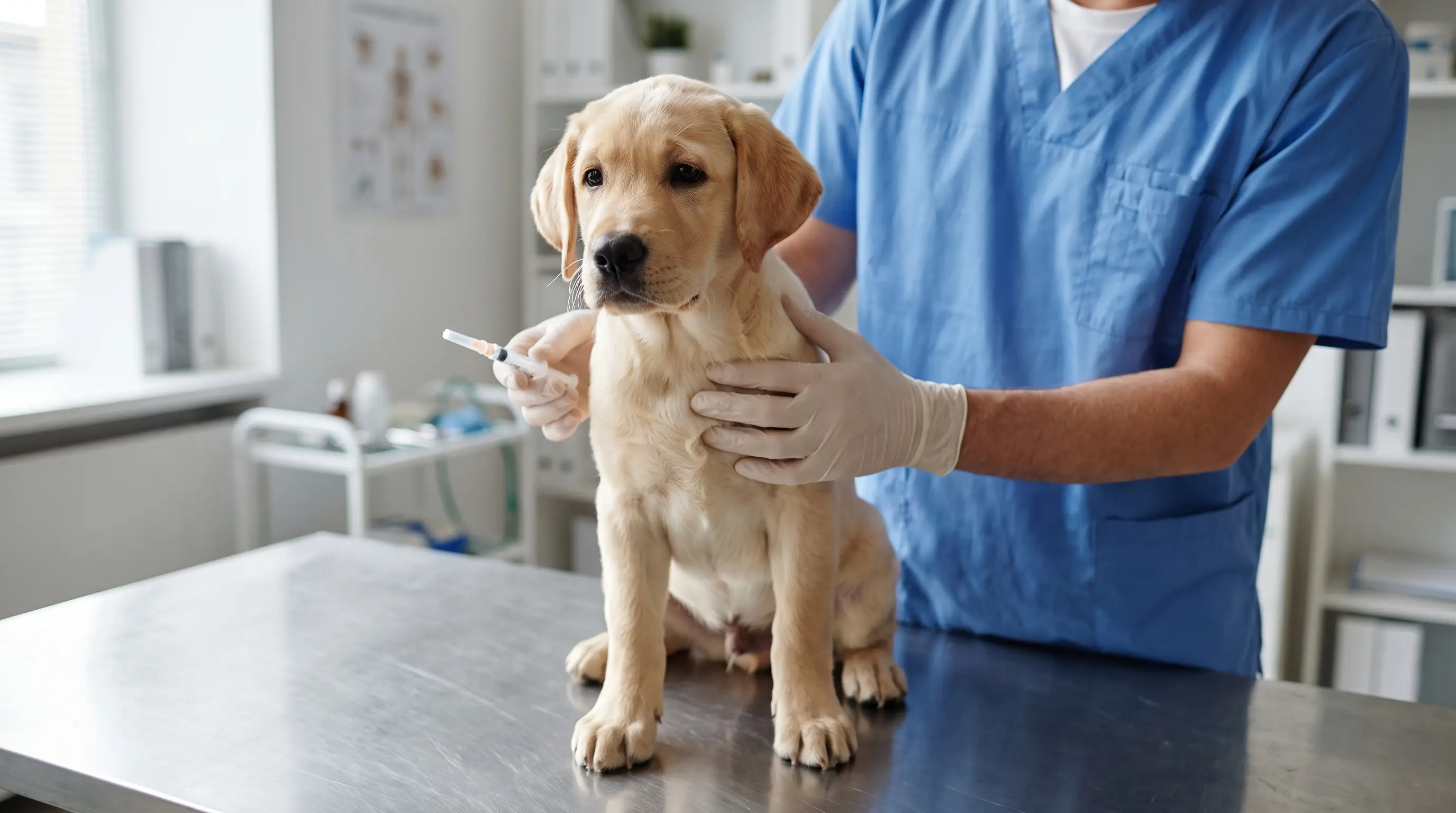
Puppy vaccinations and the first-year vet timeline
A puppy's first year of vet visits follows a fairly predictable shape: a series of core vaccines starting around 6 to 8 weeks, repeated every 3 to 4 weeks until roughly 16 weeks, then a booster near the first birthday. Exact protocols differ by country, region, and individual vet, so treat this as a map, not a prescription, and follow the schedule your own clinic gives you. What matters most is understanding why it looks the way it does, because that is what stops owners from cutting the course short.
The puppy vaccine timeline
The core of the first-year timeline is a repeating loop from about 6 weeks to about 16 weeks, followed by a booster around 12 months. A common version looks like this: a first dose at 6 to 8 weeks, a second at 10 to 12 weeks, a third at 14 to 16 weeks, with rabies usually added at 12 to 16 weeks where it is given, and the year-one booster after that. Some countries and some vets space doses slightly differently or add a fourth, which is normal.
Two things drive the whole shape. The doses stop no earlier than 16 weeks because of how a puppy's borrowed immunity fades, and they start early because the diseases they guard against can kill a young dog fast. Cost is worth knowing up front too: a full first-year series with exams and deworming often runs somewhere in the low hundreds, and low-cost clinics exist in many areas if that number is a barrier.
Core vaccines: distemper, parvovirus, and adenovirus
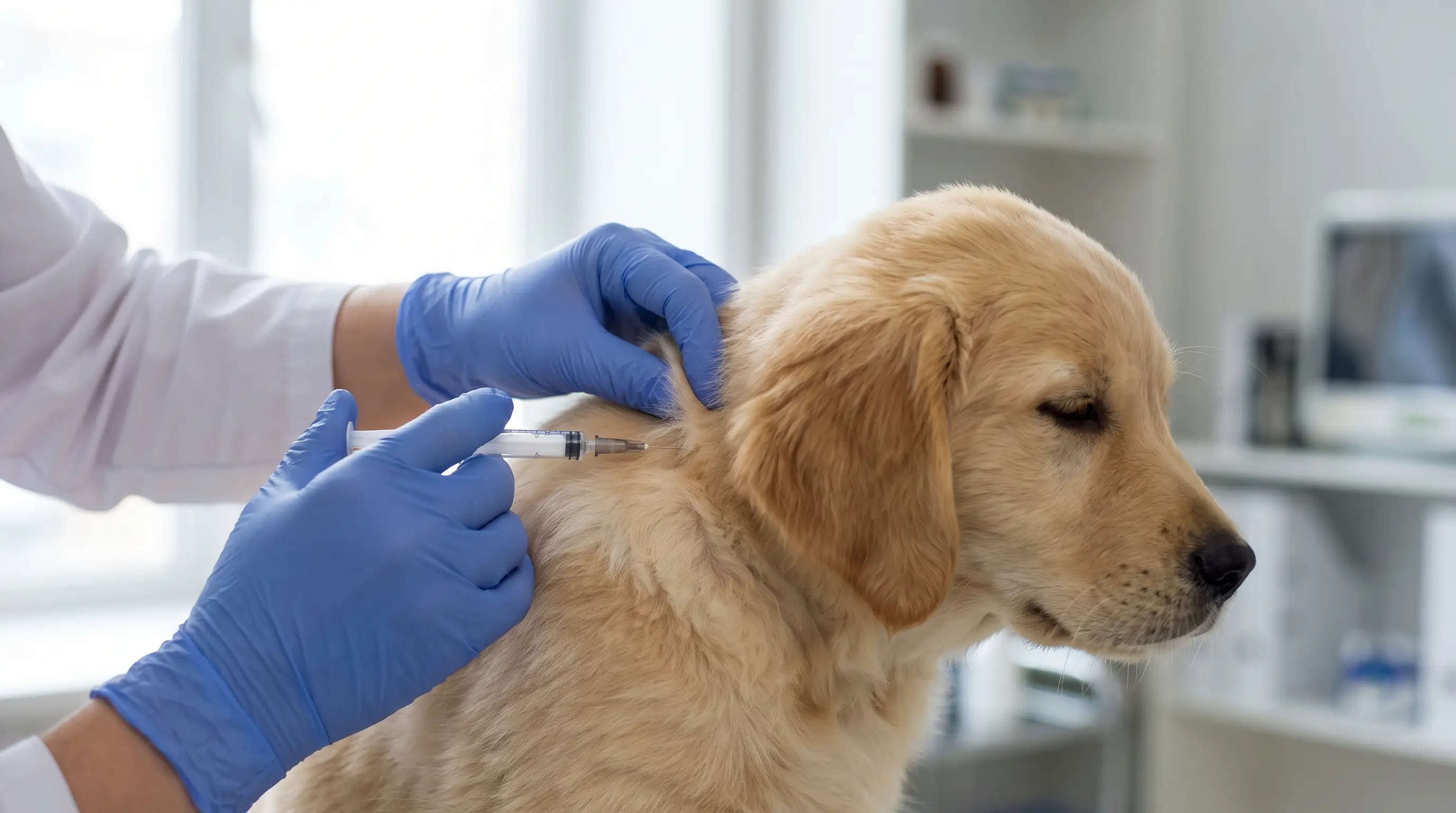
Core vaccines are the ones almost every puppy should get because they protect against the serious, common killers: canine distemper, parvovirus, and adenovirus (which causes infectious hepatitis). These usually come bundled in a single combination shot, often labelled DHPP or DAPP, and parainfluenza is frequently in the mix as well. Parvovirus alone is a brutal, often fatal gut infection in unvaccinated puppies, which is why this group is non-negotiable rather than optional.
Rabies sits slightly apart. It is a core vaccine everywhere it matters, and in many countries it is required by law and for any international travel, typically given as a single dose from 12 to 16 weeks with a booster a year later. If you might ever cross a border with your dog, get the rabies dates recorded precisely, because travel paperwork depends on them. Your vet decides the exact combination and timing based on where you live and what is circulating locally.
Why the series matters: maternal antibodies
A puppy needs a series of shots rather than one because of the antibodies it drank from its mother's first milk. That colostrum passes on maternal antibodies that protect a newborn for its first weeks, but the same antibodies also block vaccines: if enough are still present, the immune system treats the vaccine like a real infection and destroys it before it can teach anything. So a shot given too early simply does nothing.
The catch is that these borrowed antibodies fade at an age no one can predict for an individual puppy. There is a stretch, sometimes just a week or so, when they have dropped too low to protect the puppy but are still high enough to wipe out a vaccine. Vets call it the window of vulnerability, and there is no cheap, practical test to pinpoint it dog by dog. Giving doses every 3 to 4 weeks is the fix: repeating the shot means one of them lands after the maternal antibodies clear, closing the gap before a real virus finds it. That is also why the last dose waits until about 16 weeks, by which age those antibodies have almost always faded in nearly every puppy. Skipping the final shot to save a visit reopens exactly the hole the schedule is built to close.
Non-core vaccines: leptospirosis, kennel cough, and Lyme
Non-core vaccines are chosen by lifestyle and region rather than given to every dog, and your vet picks them based on where you live and how your puppy will spend its days. Leptospirosis, a bacterial infection spread through water and wildlife urine that can also infect people, is worth it for dogs near lakes, rivers, or areas with rats and raccoons. Kennel cough, the bordetella vaccine, matters for puppies headed to daycare, boarding, grooming, or group training classes. The Lyme vaccine comes up where ticks are a real problem.
None of these is automatically right or wrong. A city apartment dog and a farm dog have different risks, and the honest answer is to describe your puppy's actual life to your vet and let the recommendation follow from that.
Socialisation versus safety
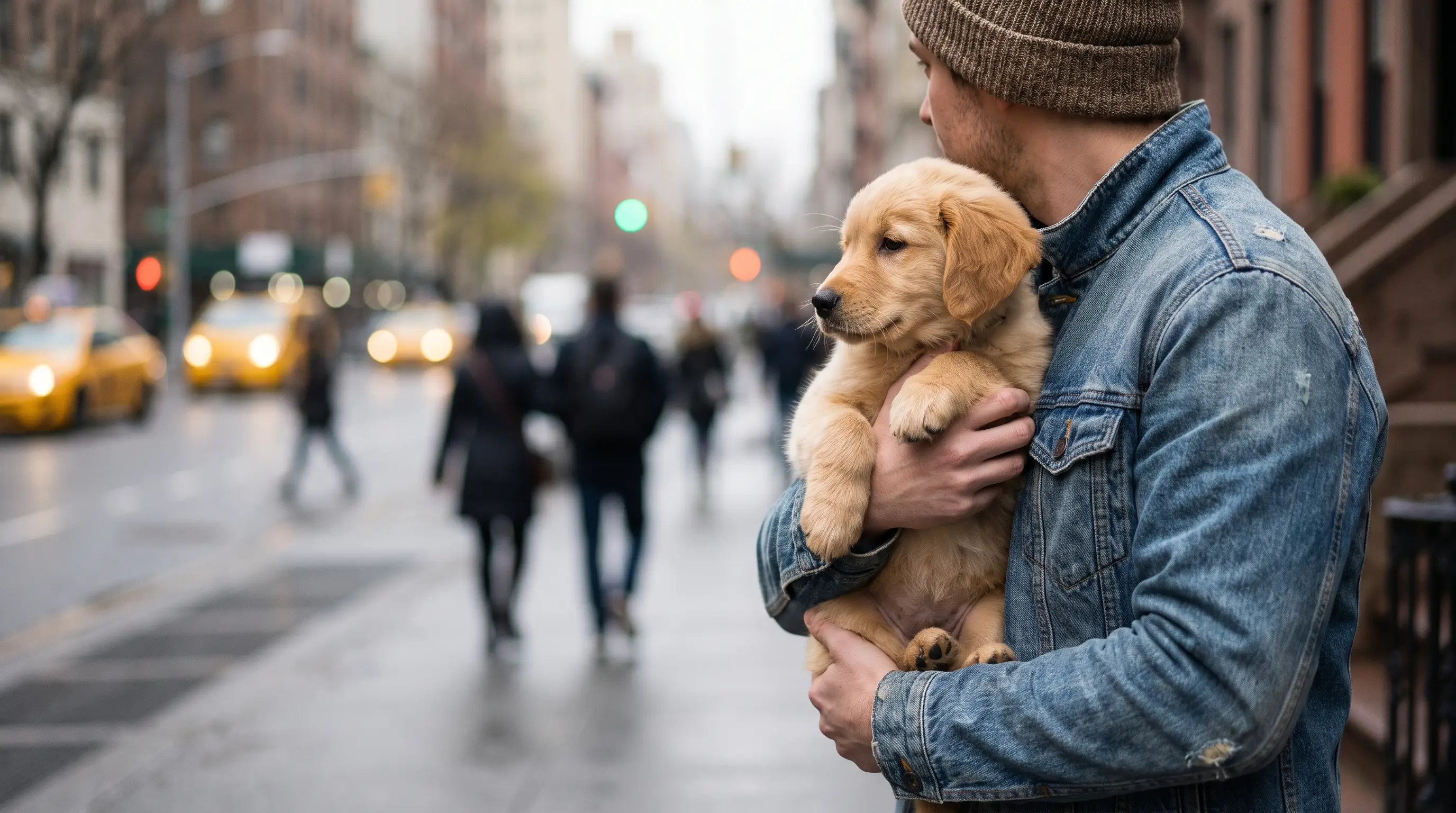
This is the genuinely hard part, because a puppy's prime socialisation window closes early, roughly by 12 to 16 weeks, before the vaccine course is finished. Waiting for full protection means missing the age when a dog learns that the world is normal, and under-socialised dogs are far more likely to grow into fearful or reactive adults. But parvovirus is deadly and lingers in soil and grass for months, so you cannot simply let an unvaccinated puppy roam. The answer is to socialise smart rather than not at all.
Carry the puppy out to see the world: traffic, crowds, umbrellas, other animals at a distance, all from the safety of your arms or a sling. Invite it to meet dogs you know are healthy and fully vaccinated on clean ground you trust, a friend's tidy kitchen floor rather than a muddy park. A calm adult like a well-vaccinated beagle or family dog is ideal company. What to avoid until the course is done: dog parks, communal grass, pavement where unknown dogs toilet, and any dog whose vaccination history you don't know. Roughly two weeks after the final core dose, the immune response has had time to build and public ground opens up. Watch shared grass for hazards even then, since it hides more than germs, as our guide to foxtail grass seeds explains.
The rest of the first-year schedule
Vaccines share the first-year calendar with several other jobs that your vet will fold into the same visits. Deworming starts young and repeats on a schedule, because most puppies carry intestinal worms passed from their mother. Flea and tick prevention usually begins in the first months too, with the product and timing depending on your climate and parasite season. Somewhere in here comes the microchip, a permanent ID that outlasts any collar and is legally required for dogs in a growing number of countries.
The other conversation to have is neutering. There is no single right age anymore: for many dogs, especially larger breeds, vets now often advise waiting past the traditional six months so the skeleton can finish developing, and the best timing depends on breed, sex, and health. Ask, don't assume. Through all of it, keep a record. A vaccination card or an app log with dates and product names is what proves your dog is covered for boarding, travel, and the year-one booster, and it saves you guessing later about what was given when.
Common questions
What vaccinations does a puppy need?
A puppy needs core vaccines against distemper, parvovirus, and adenovirus (hepatitis), usually in one combined shot, plus rabies where it is required. Your vet may add non-core vaccines like leptospirosis, kennel cough, or Lyme depending on your region and the puppy's lifestyle.
At what age do puppies get their first vaccination?
Puppies get their first core vaccine at around 6 to 8 weeks of age. It is the start of a series, not a one-off, with further doses every 3 to 4 weeks until about 16 weeks.
How many vaccinations does a puppy need in the first year?
Most puppies need three to four rounds of core vaccines between 6 and 16 weeks, then a booster around one year old. The exact number depends on when the first dose was given and your vet's protocol.
When can my puppy go outside after vaccinations?
A puppy can safely go into public spaces about two weeks after its final core vaccine dose, usually around 18 to 22 weeks. Before then you can still socialise by carrying the puppy and meeting healthy, fully vaccinated dogs on clean ground.
Can a puppy go outside after the second vaccination?
Not into high-risk public areas yet, because the puppy is not fully protected until roughly two weeks after the final dose at about 16 weeks. Your own clean, private garden and carried outings are fine in the meantime.
How much do puppy vaccinations cost?
A complete first-year vaccine series typically costs somewhere in the range of about 100 to 300 in most areas, often bundled with exams and deworming. Low-cost clinics and shelter programs can bring the price down significantly.
More in Dogs
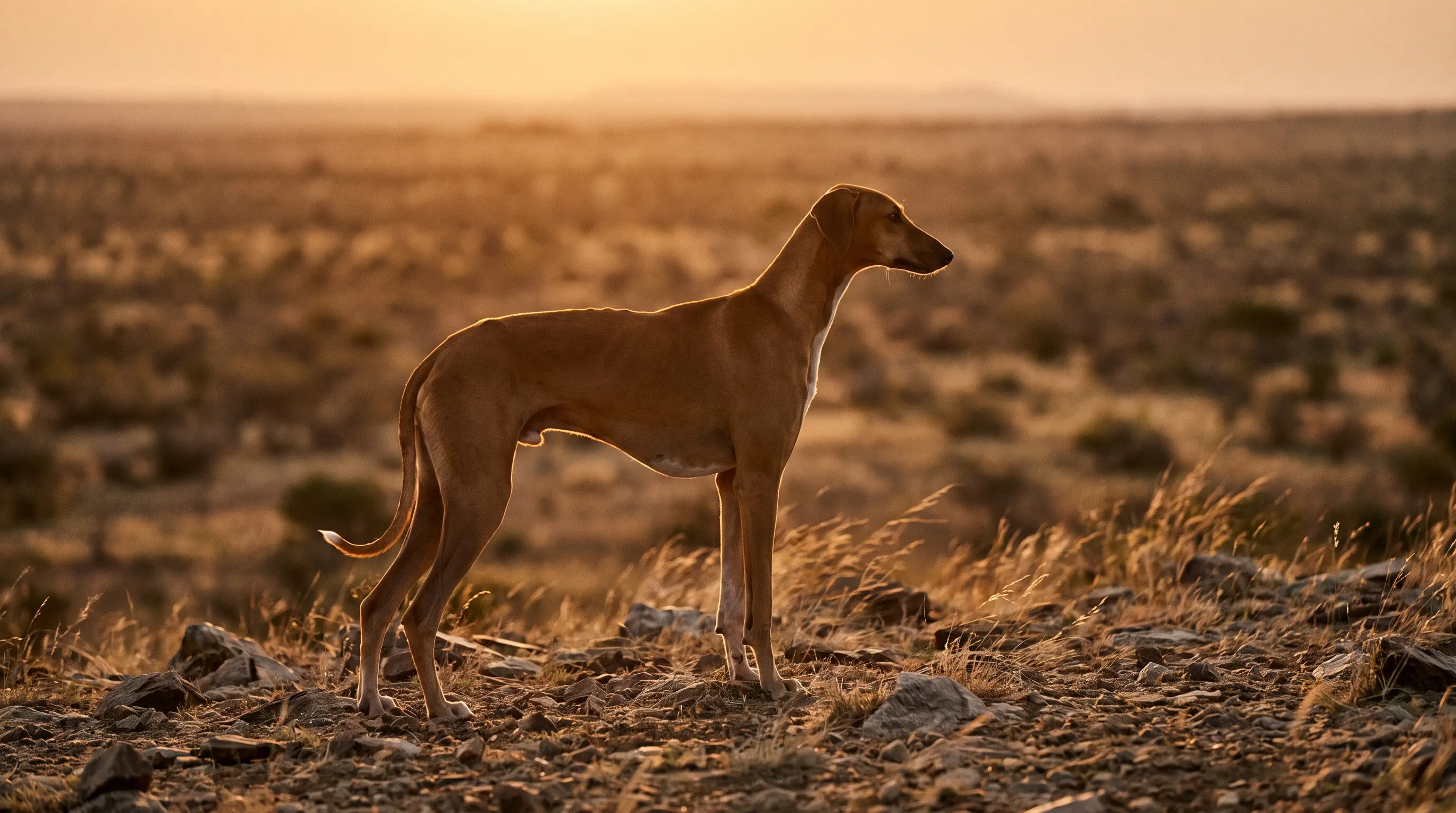
8 rare dog breeds most people never meet
Eight of the world's rarest dog breeds — where they come from, what makes them unusual, and why you almost never see one.
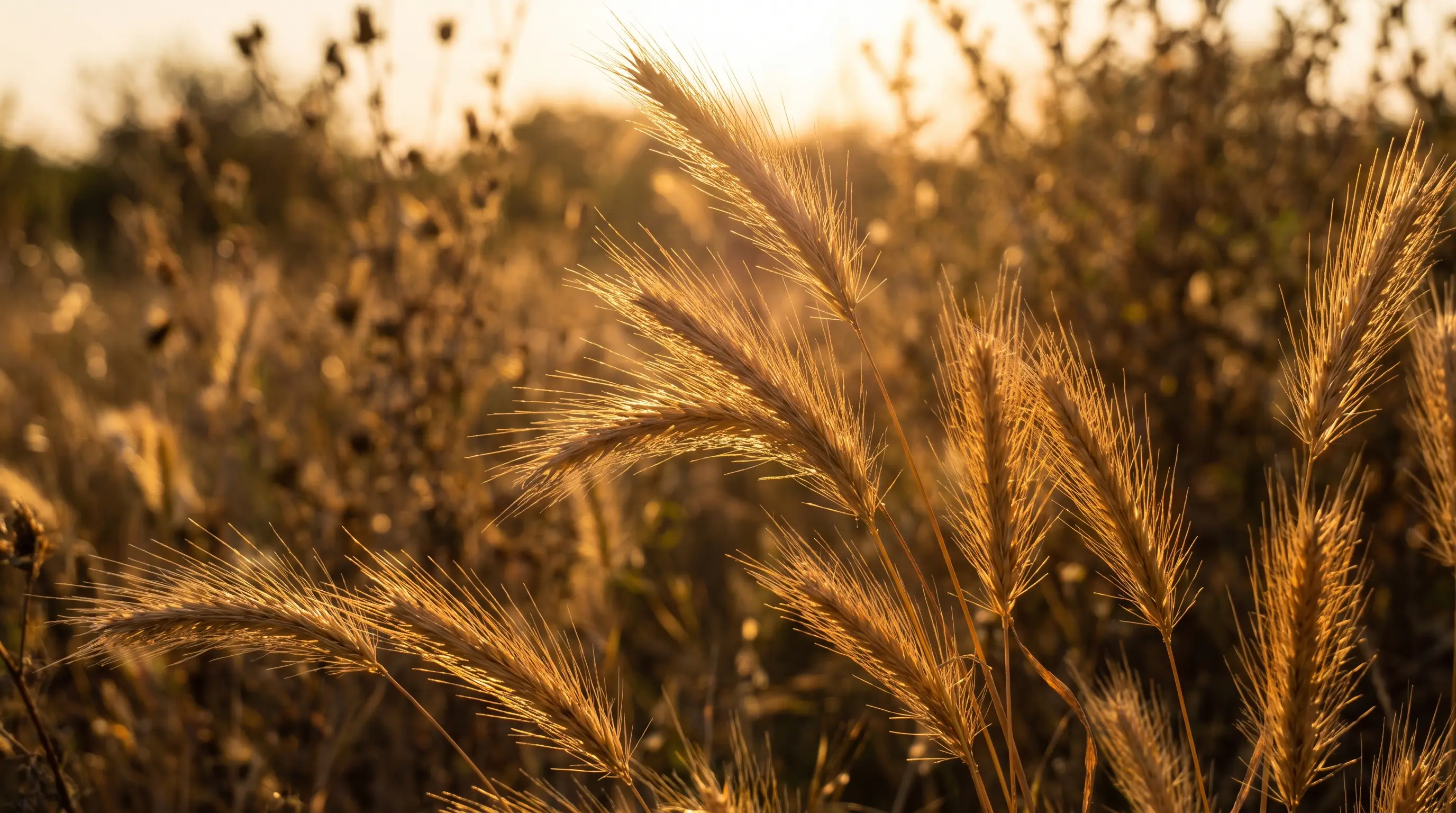
Foxtails: The Summer Grass Seed That Burrows Into Pets
Foxtail grass seeds catch in fur and travel one way—inward. Here's how to spot them on a cat or dog, and stop them.
The oldest dog ever and how long dogs really live
Bluey reached 29 years. Bobi's 31-year claim fell apart. Here's the real math on dog lifespan, and how to buy your dog more time.