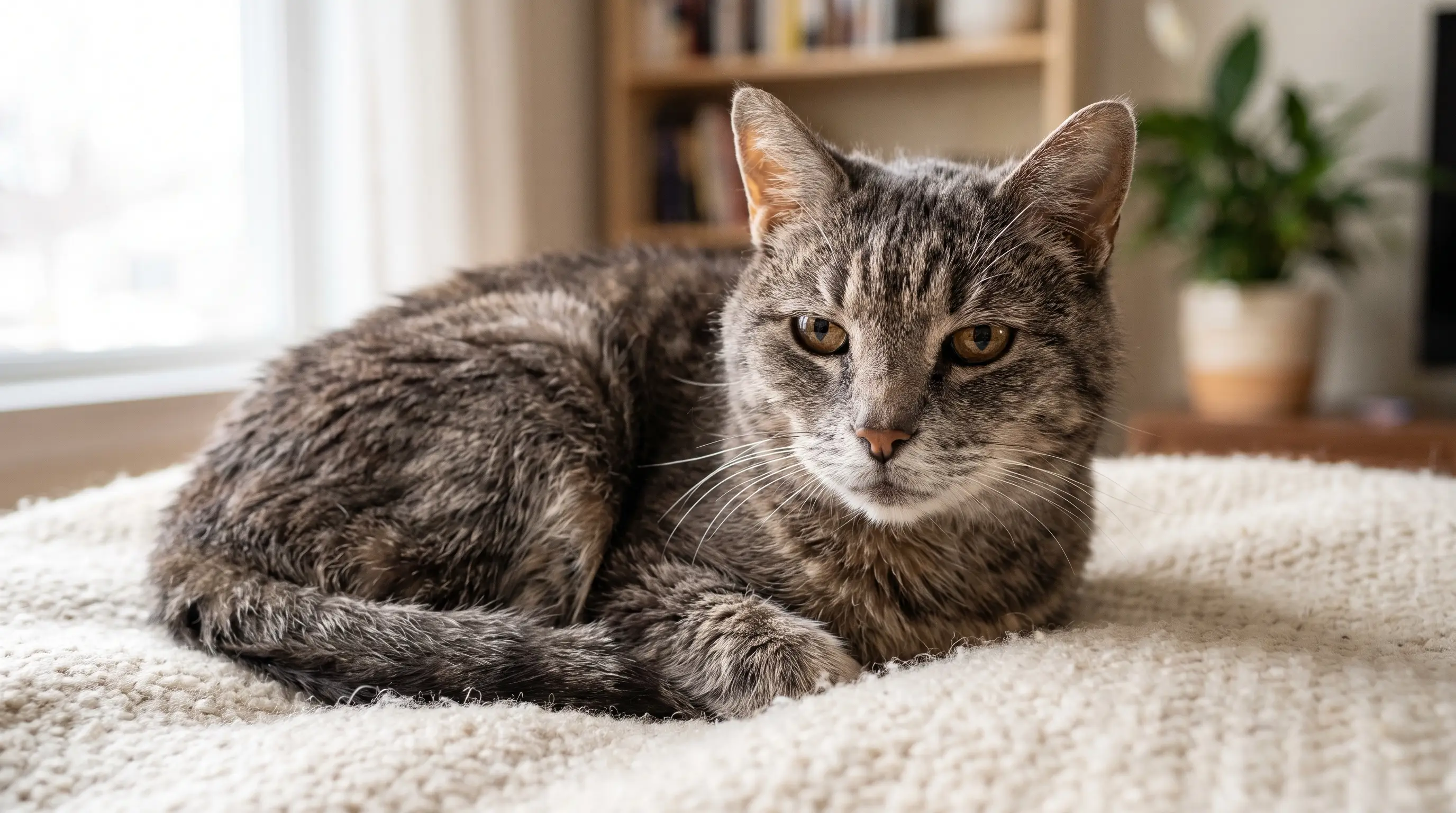
Senior cat care: what changes after 11
Around 11, good cat care flips from reactive to proactive: instead of waiting for symptoms, you start screening for the diseases that quietly shorten feline lives. Vets call cats mature at 7 to 10, senior at 11 to 14, and geriatric at 15 and up. The single most useful change is seeing the vet twice a year, because the illnesses that matter most at this age are treatable when caught early and nearly invisible when they aren't.
From reactive to proactive care
Around 11 the goal of cat care changes from fixing problems to hunting for them early. An 11-year-old cat isn't sick by definition, but the odds of the big age-related diseases climb steadily from here, and cats are built to hide illness. In the wild a sick animal that looks weak becomes prey, so a cat can be a long way into kidney disease and still eat, purr and look ordinary.
That instinct is exactly why the old approach stops working. Waiting for a cat to "act sick" means waiting until a treatable disease has already done damage. The work now is to watch the small stuff at home and to let a vet look under the hood on a schedule, before anything shows on the surface. This mirrors what we wrote about older dogs, but cats hide decline harder, so the screening matters even more.
Twice-yearly vet visits with bloodwork and blood pressure
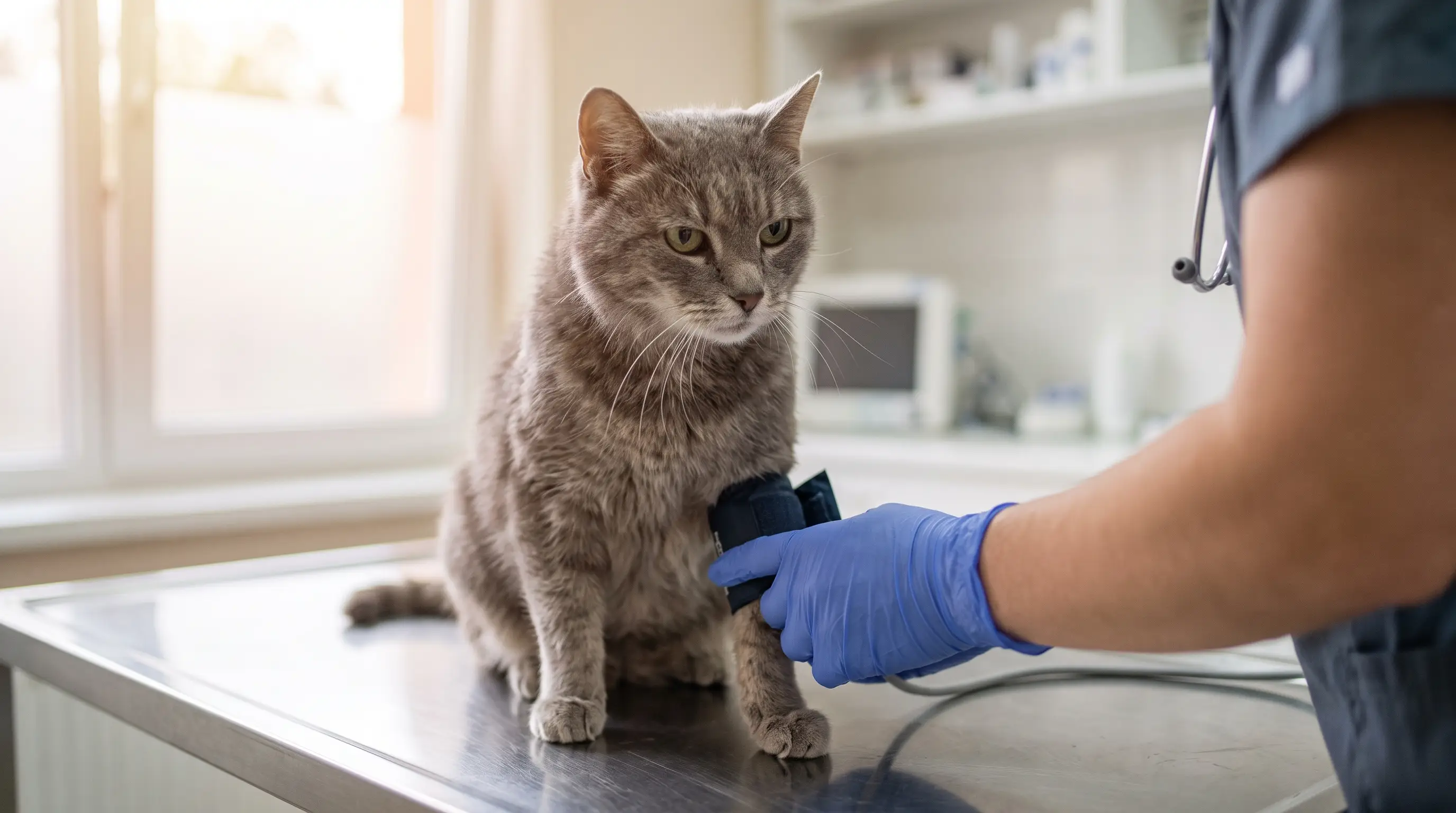
The most important change after 11 is seeing the vet every six months for bloodwork, a urine test and a blood-pressure check. Three diseases dominate old age, and all three are treatable: chronic kidney disease, which affects roughly 30% of cats over 15; hyperthyroidism, seen in about 10% of cats over 10; and diabetes. Caught early, each one can buy years of good life. Caught late, they cost them.
Twice-yearly testing gives a trend rather than a single snapshot. A kidney value that is still inside the normal range but creeping up year on year tells a vet more than any one result. High blood pressure is worth the extra minute with the cuff because it shows no signs at all until it damages the kidneys or the eyes, sometimes causing sudden blindness. There's a catch worth knowing: an overactive thyroid can mask kidney disease on paper, so vets often recheck kidney values a few weeks after starting thyroid treatment.
Weight loss as a warning sign
Losing weight in an old cat is a red flag worth a vet visit, not something to shrug off as normal aging. Earlier in life the worry runs the other way, toward the fat cat and the joints and diabetes that come with it. After 11 the direction reverses, and a cat that is quietly getting lighter should be treated as a medical sign until proven otherwise. The usual culprits are the same treatable diseases: hyperthyroidism, kidney disease, diabetes, dental pain and, less often, cancer.
Home monitoring closes the gap between vet visits. A cheap kitchen or baby scale once a month catches a slow slide long before it's obvious by eye. While you're at it, keep an eye on appetite, thirst and the litter box: a cat drinking noticeably more, or leaving bigger clumps, is often flagging kidney or thyroid trouble early. Those three numbers, tracked at home, are some of the most useful data a vet can get.
Arthritis and grooming
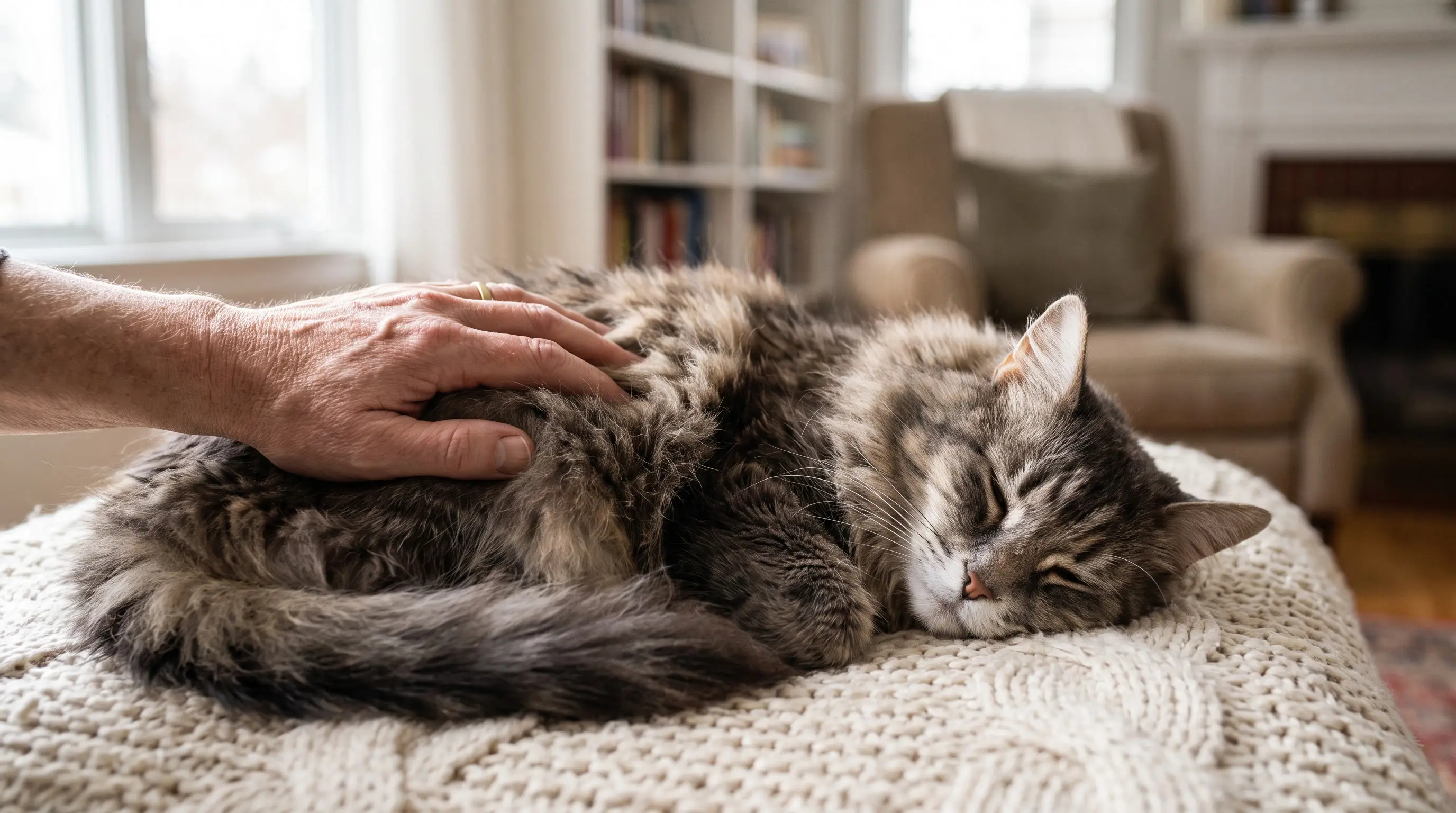
Arthritis is far more common in old cats than most owners think, affecting an estimated 70 to 90% of cats over 12, and cats hide it well. They rarely limp the way a dog does. Instead the signs are quiet: less jumping, a pause and a second thought before hopping onto the counter, more sleeping, stiffness after a nap, and a shorter fuse about being picked up. It's easy to read all of that as "just getting old" when it's actually treatable pain.
The coat gives it away too. A stiff cat can't twist and reach to groom properly, so the fur turns scruffy and greasy, and long-haired cats like the Persian start to mat behind the legs and along the spine. Help with a few minutes of gentle brushing a day, and mention the stiffness to your vet, because pain relief, keeping weight down and warm bedding make a real difference to how an arthritic cat lives.
Making the home easier
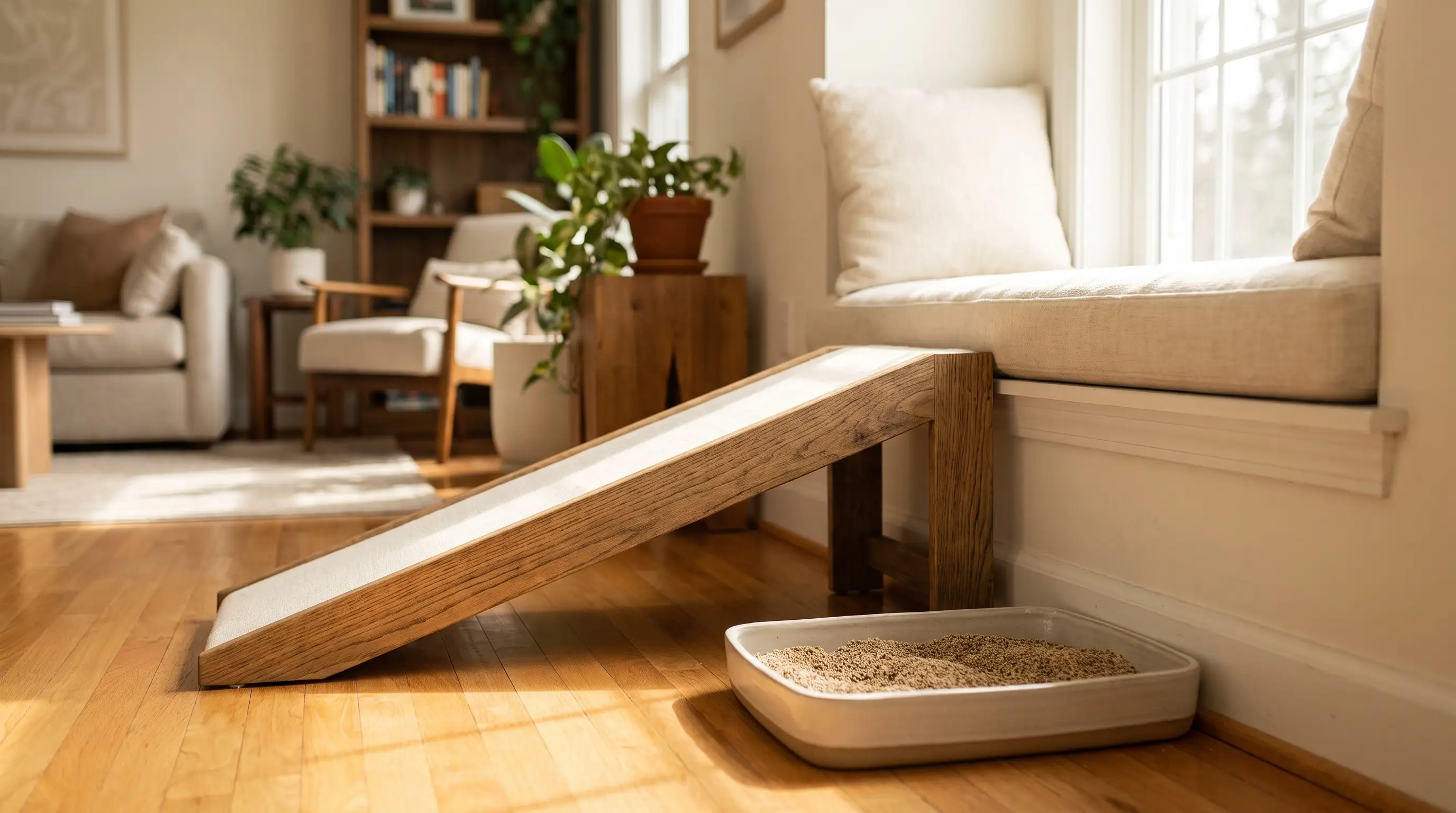
Small changes to the home let a stiff, older cat keep doing what it wants without pain. Start with the litter tray: swap a high-sided box for one with a low edge the cat can step into rather than climb over, since a sore hip is a common reason old cats start missing the tray. Put a tray on each floor so nobody has to manage stairs at 3am.
Then give back the high places arthritis takes away. A set of steps or a ramp up to a favourite windowsill, sofa or bed keeps a cat's world open without the hard landings. Add warm, soft beds in quiet spots out of draughts, where an old cat can sleep undisturbed and stay warm, since thin, arthritic cats feel the cold more. Keep food and water at floor level and easy to reach, ideally not tucked behind a jump or a climb.
Cognitive dysfunction and routine
Night-time yowling, confusion, staring at walls or getting lost in a familiar room can be feline cognitive dysfunction, the cat version of dementia. It's common: more than a quarter of cats aged 11 to 14 show at least one sign, and about half of cats over 15. The behaviour is unsettling, but it's manageable rather than a reason to give up. A vet should first rule out pain, thyroid disease and high blood pressure, which can look the same from the outside.
What helps is stability. Keep feeding times, furniture and litter trays where they've always been, add a night light for a cat that seems disoriented after dark, and make food, water and warm beds easy to reach without navigation. Your vet can suggest diets, supplements and, in some cases, medication. Through all of it, keep the routine steady and offer affection on the cat's terms, letting an old, sometimes muddled cat come to you rather than being scooped up.
Common questions
What age is a cat considered senior?
Cats are generally considered senior from 11 to 14 years old, and geriatric at 15 and up. The years from 7 to 10 are often called mature. A senior cat isn't automatically unwell, but it's the age when screening for age-related disease should start.
How often should a senior cat go to the vet?
Twice a year, roughly every six months. Older cats age faster than we do, and a lot can change in twelve months, so a semiannual exam with bloodwork, a urine test and a blood-pressure check catches treatable diseases like kidney disease and hyperthyroidism early.
Why is my older cat losing weight?
Weight loss in an older cat is usually a medical sign, not normal aging, and it's worth a vet visit. The most common causes are hyperthyroidism, chronic kidney disease, diabetes and dental disease, all of which are treatable and easier to manage when caught early.
How do I know if my old cat has arthritis?
Watch for less jumping, hesitation before hopping onto high spots, stiffness after resting, more sleeping, irritability when handled and a scruffy, ungroomed coat. Cats rarely limp, so these subtle changes are often the only clue, and arthritis affects most cats over 12.
What are the signs of a cat dying of old age?
Common signs include marked weight loss, a drop in appetite and thirst, hiding, low energy, poor grooming, difficulty moving and confusion. Aging itself isn't a disease, so these signs usually point to a specific condition a vet may still be able to treat or ease.
What are the most common illnesses in senior cats?
Chronic kidney disease, hyperthyroidism, diabetes, dental disease, arthritis and high blood pressure. The first three are the big treatable threats and are the main reason for twice-yearly bloodwork, since cats hide illness until it's advanced.
More in Cats
Can you take your cat to the beach? An honest guide
Most cats should skip the beach, and a few can go safely. The honest, vet-checkable guide to heat, sun, saltwater, harnesses and who stays home.
What Catnip Really Does to a Cat
The honest, myth-busting guide to catnip: what nepetalactone does, why 1 in 3 cats ignore it, and what to try instead.
You Found a Stray Cat: What to Actually Do
A friendly cat on your doorstep may already have a home. Here is the honest, welfare-first order of steps before you take it in.