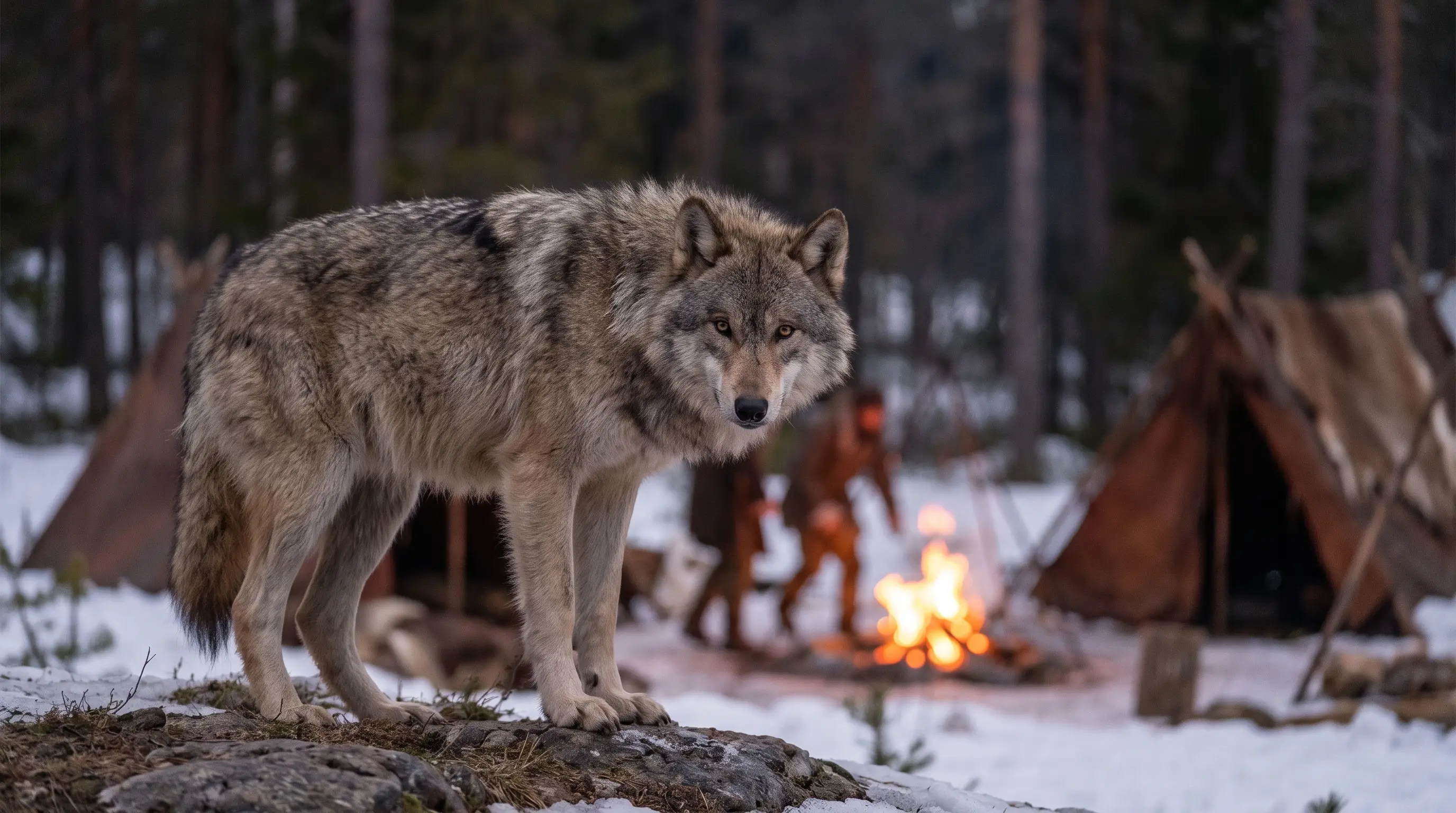
How the wolf became the dog
Dogs most likely made the first move toward us, not the other way around. The tamer wolves that could linger near human camps without bolting got easy calories, bred with each other, and over many generations drifted into something new. And the wolf they came from is gone - today's grey wolves are dogs' cousins, not their ancestors.
Self-domestication
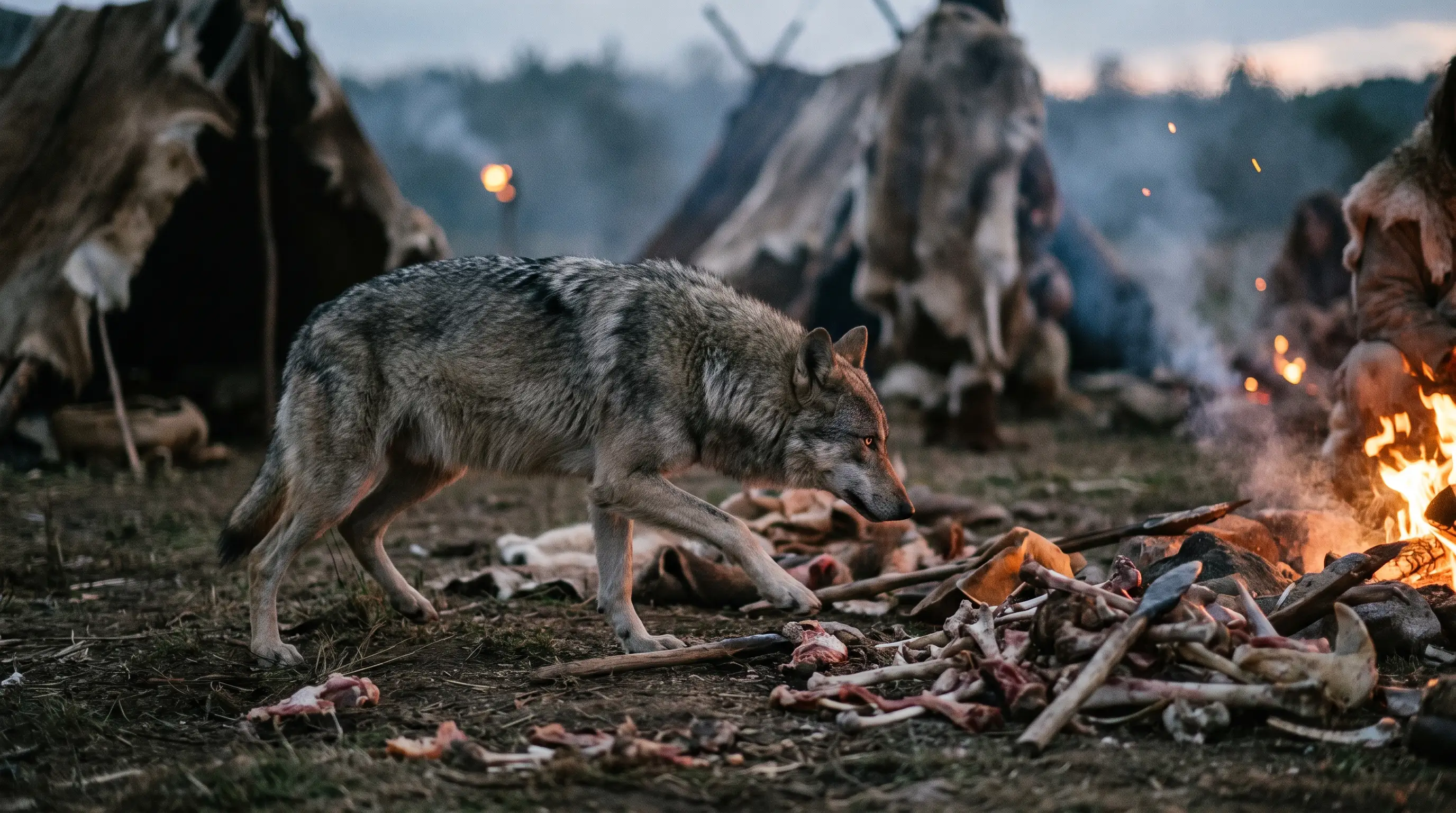
The strongest evidence says dogs domesticated themselves. Long before anyone deliberately bred a wolf, human camps leaked calories - scraps, cracked bones, half-butchered carcasses, waste piles just past the firelight. Wolves that could sit near people without panicking collected a free meal; the ones that bolted or snapped got nothing, and often got killed. Tolerance paid. Generation after generation, the calmest animals stayed closest, bred with each other, and pulled away from the wild population on their own. Scientists call this the commensal scavenger hypothesis, and it puts the first push toward tameness on the wolves, not on some clever ancestor taming pups by hand. People only started steering the results much later, once a friendly scavenger was already living at the edge of the group.
The extinct Ice Age wolf
Dogs did not descend from the grey wolves alive today. Both dogs and modern wolves trace back to a now-extinct population of Pleistocene wolves that roamed Ice Age Eurasia, which makes them sister lineages - cousins split from a shared grandparent, not parent and child. When researchers sequence the genomes of living wolves from every suspected cradle of domestication, none of them turns out to be dogs' direct ancestor; they all branch off to the side. So the animal that actually became the dog is gone, and pointing at a wolf in a zoo as "where dogs came from" gets the family tree wrong. The dates stay honestly wide. Genetic and archaeological evidence puts the split somewhere between roughly 15,000 and 40,000 years ago, and scientists still argue over whether it happened once or twice and exactly where. If you want the other half of this family reunion, our wolf-pack-truth story untangles what a real wolf pack is actually like.
Domestication syndrome
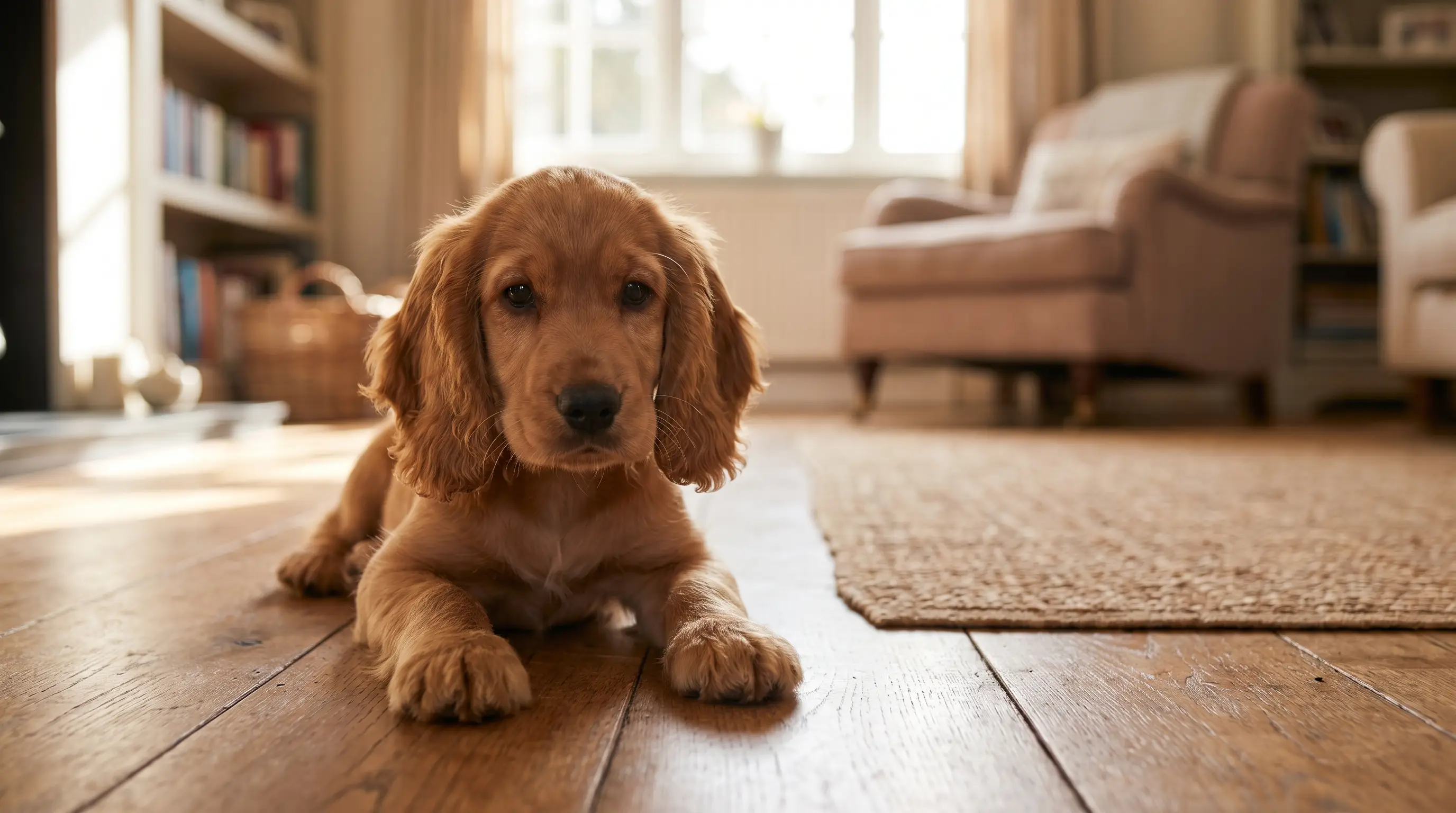
As the tamest wolves bred with the tamest, a package of physical changes came along for the ride - floppy ears, curlier tails, patchy or piebald coats, shorter snouts, smaller teeth, and a temperament that stays playful and friendly into adulthood. Biologists call this cluster the domestication syndrome, and the leading explanation traces it to neural crest cells, a group of embryonic cells that shape ear cartilage, pigment, jaw and facial structure, and parts of the stress response. Select for a milder fight-or-flight reaction and you quietly nudge all of those systems at once, so tameness drags the floppy ears and soft face behind it. Many companion breeds still wear those juvenile features hard - the round eyes and dropped ears of a Cavalier King Charles Spaniel read as permanently puppy-like, which is exactly the effect that first drew people in.
The AMY2B gene
One genetic fingerprint of life alongside humans is written in the AMY2B gene. Wild wolves carry roughly two copies of this gene, which makes an enzyme for breaking down starch; many dogs carry several extra copies and digest starchy food far better as a result. That matters because a scavenger surviving on human leftovers - porridge, bread scraps, grain waste - eats a lot more starch than a wolf pulling down deer. Keep the honest caveat, though. The strongest evidence ties the extra AMY2B copies to the spread of farming, thousands of years after the first tame wolves showed up, so this looks like an adaptation to living off human food rather than the spark that started domestication. It is a signature of the partnership deepening, not the opening move.
Belyaev's silver fox experiment
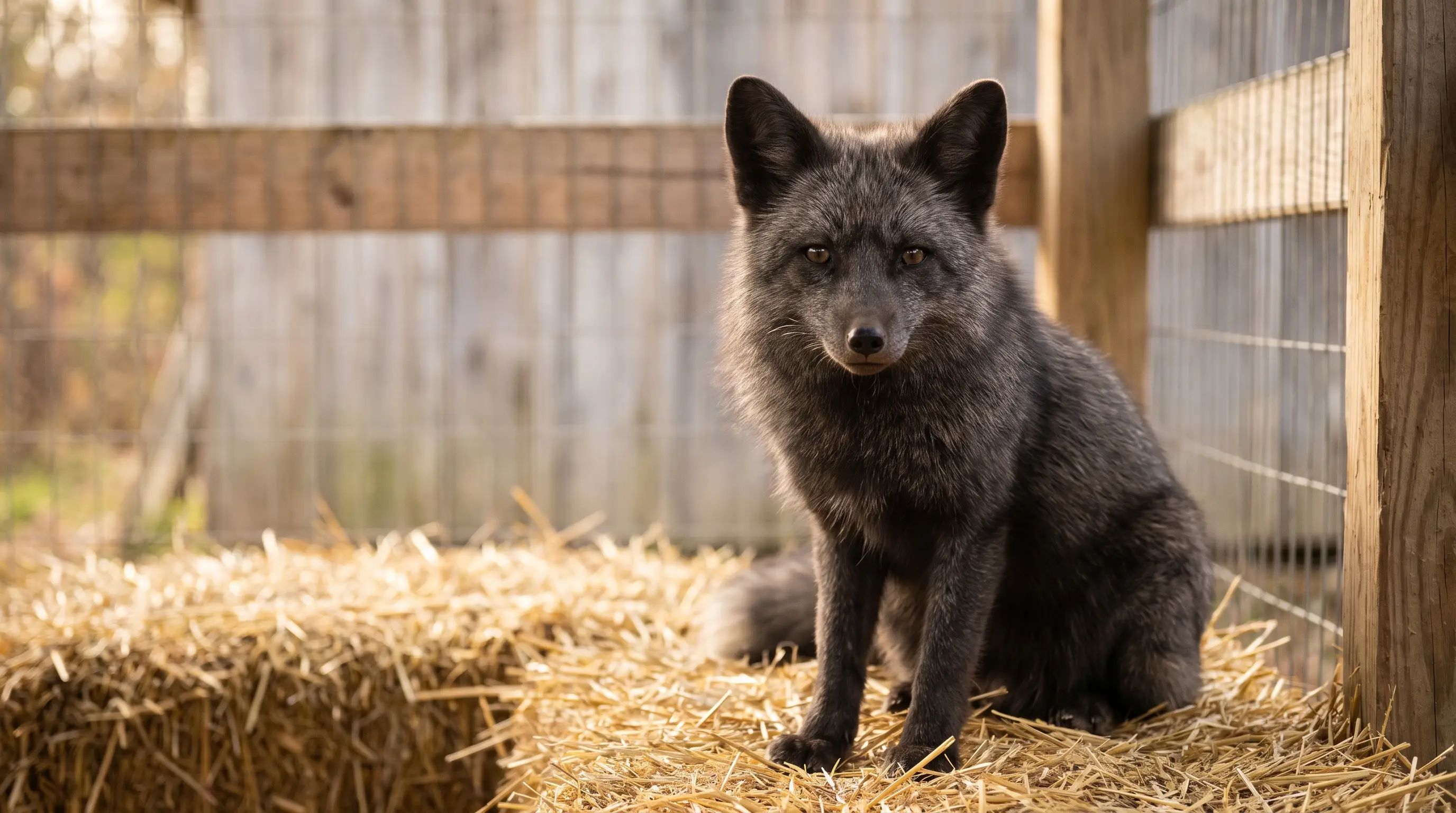
You can watch this whole cascade run in fast-forward, thanks to a Russian fox farm. Starting in 1959, geneticist Dmitry Belyaev bred silver foxes on a single rule - pick the animals that reacted with the least fear when a hand came toward them, and breed only those. Within a handful of generations the calm foxes started wagging their tails, whining for human attention, and licking hands. Then the bodies changed on their own: floppy ears, curled tails, blotchy coats, shorter muzzles - the same domestication syndrome, produced by selecting for nothing but temperament. It is the closest thing we have to a controlled replay of what happened to wolves. The honest footnote: later researchers noted the farm's founding foxes were not truly wild and may have carried a few of these traits already, so the experiment shows the tameness-to-appearance link is real without settling every detail of how fast it can appear from scratch.
Reading human gestures
The clearest thing dogs gained that wolves never really did is a talent for reading us. Point at a hidden cup of food and a dog - even a young puppy with little training - will trot straight to it, following your finger and checking your eyes for confirmation. Hand-raised wolf pups mostly ignore the same gesture; they can learn to follow a point, but it takes months of intensive work, and even socialized wolves don't treat their human handlers as attachment figures the way dogs do. That instinct to track human pointing and hold eye contact isn't something we drilled into them one command at a time. It came bundled with the tameness, another gift of the animals that chose, generation after generation, to stay close to the fire.
Common questions
When were dogs first domesticated?
Somewhere between roughly 15,000 and 40,000 years ago, based on combined genetic and archaeological evidence. The exact date is still debated because domestication was a slow process, not a single event, and scientists disagree over whether it happened once or in two separate places.
Did dogs evolve from wolves?
Yes, but not from the wolves alive today. Dogs and modern grey wolves both descend from a now-extinct population of Ice Age wolves, which makes them sister lineages - close cousins rather than ancestor and descendant.
Did dogs domesticate themselves?
Most likely, yes. The leading theory is that the boldest, least fearful wolves scavenged food from human camps, bred with each other, and grew tamer over generations before people ever deliberately bred them.
How did wolves become dogs?
Tamer wolves that tolerated humans got easy calories from camp scraps and carcasses, so the calmest animals survived and bred together. Over many generations this selection for tameness produced floppy ears, softer faces, and a friendly temperament - the animal we call a dog.
Can a wolf be domesticated like a dog?
Not really. A hand-raised wolf can be tamed as an individual, but it stays wary, independent, and hard to train compared with a dog, and it never reads human gestures or bonds the way dogs instinctively do. Domestication happened to the whole lineage over thousands of years, not to one animal in one lifetime.
Why did dogs become domesticated?
Because tolerating humans paid off in food. Wolves that could scavenge near camps without fleeing gained a reliable calorie source, and that survival advantage gradually favored calmer, more people-friendly animals.
More in Wild
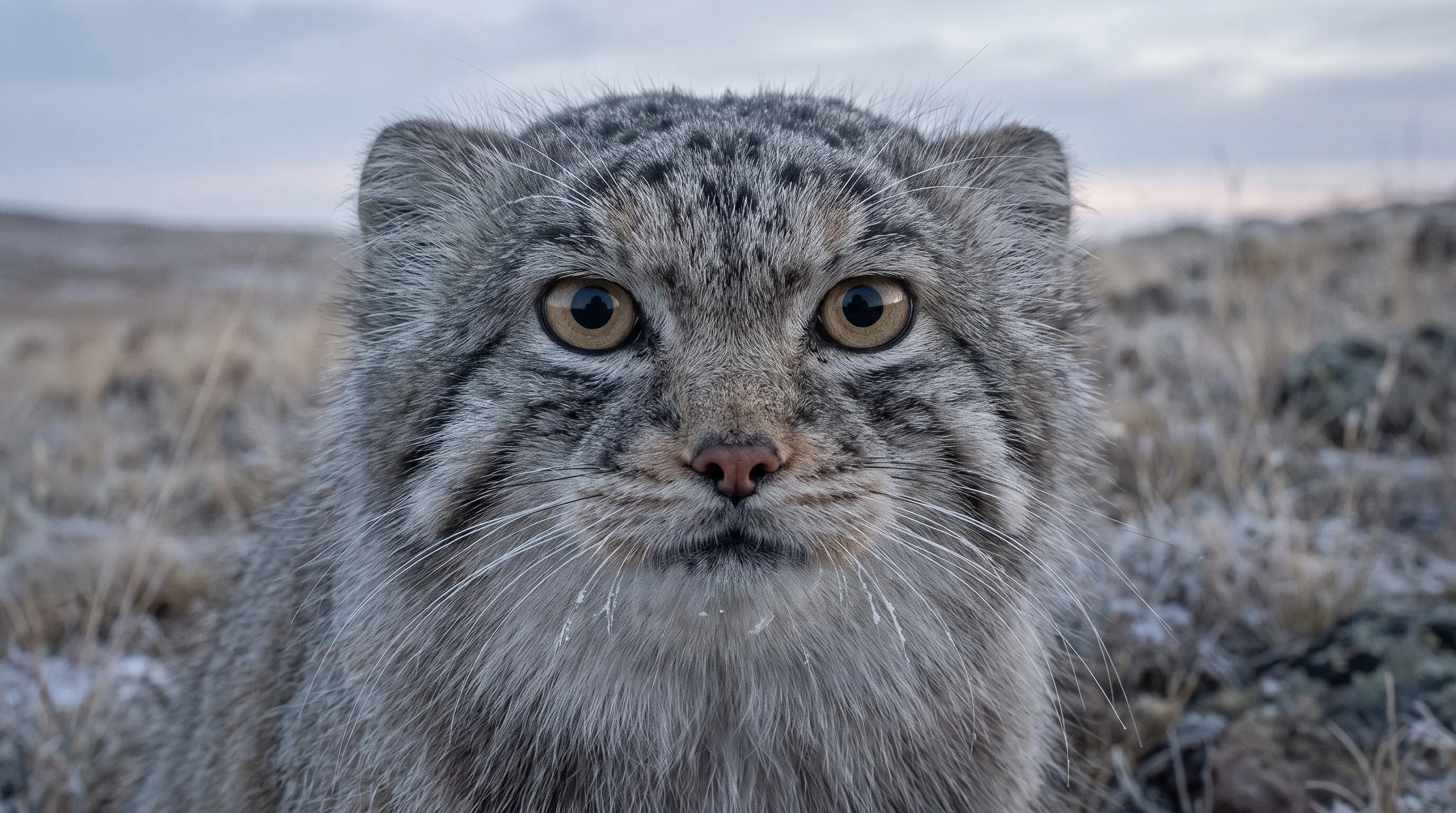
8 small wild cats you've never heard of
Eight small wild cats — from the deadliest hunter on Earth to the ancestor of your housecat — and where each one still lives.
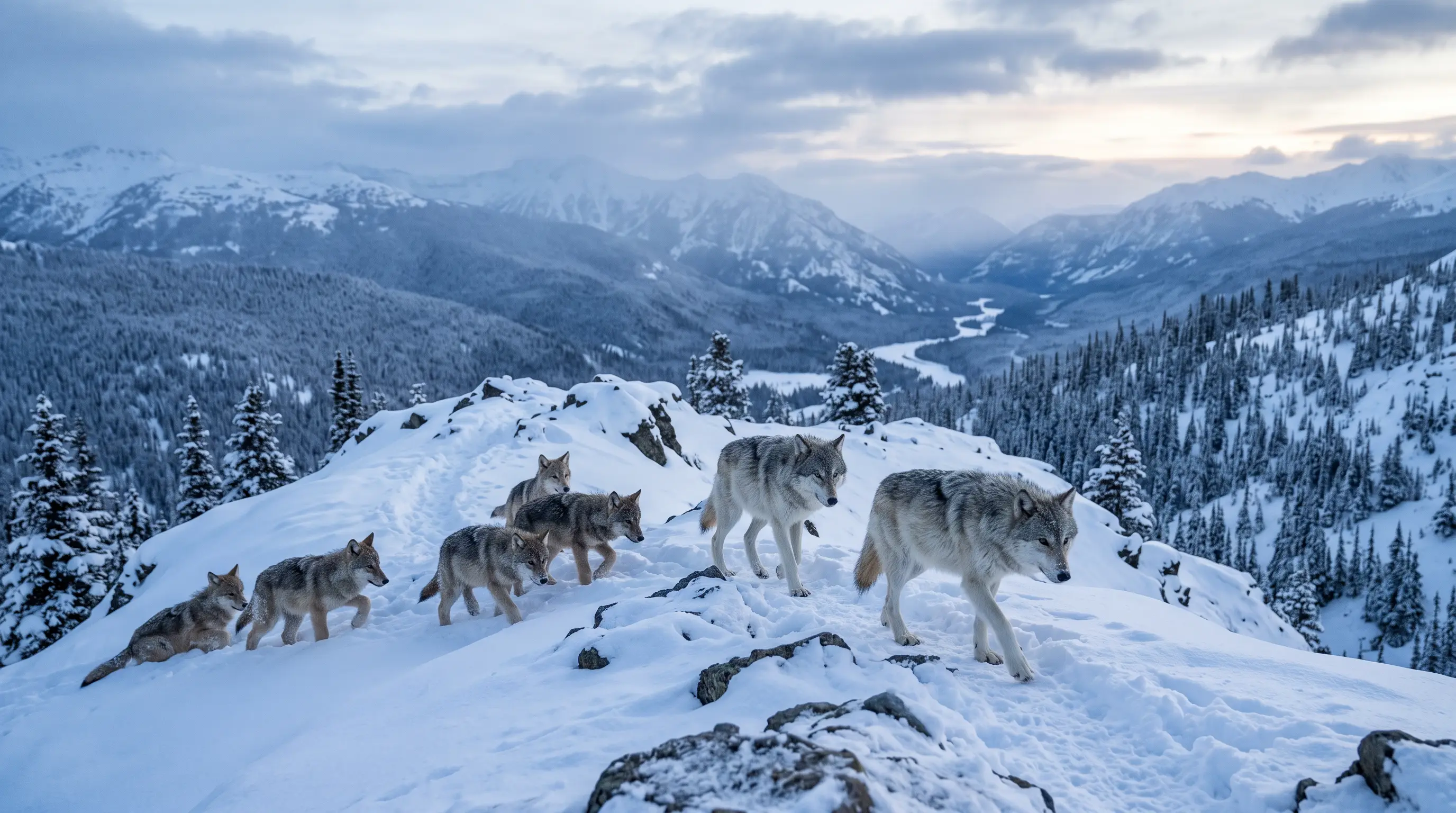
The Alpha Wolf Myth: How a Pack Really Works
The alpha wolf was invented in a captive enclosure. In the wild a pack is a family led by parents, and your dog isn't fighting you for rank.
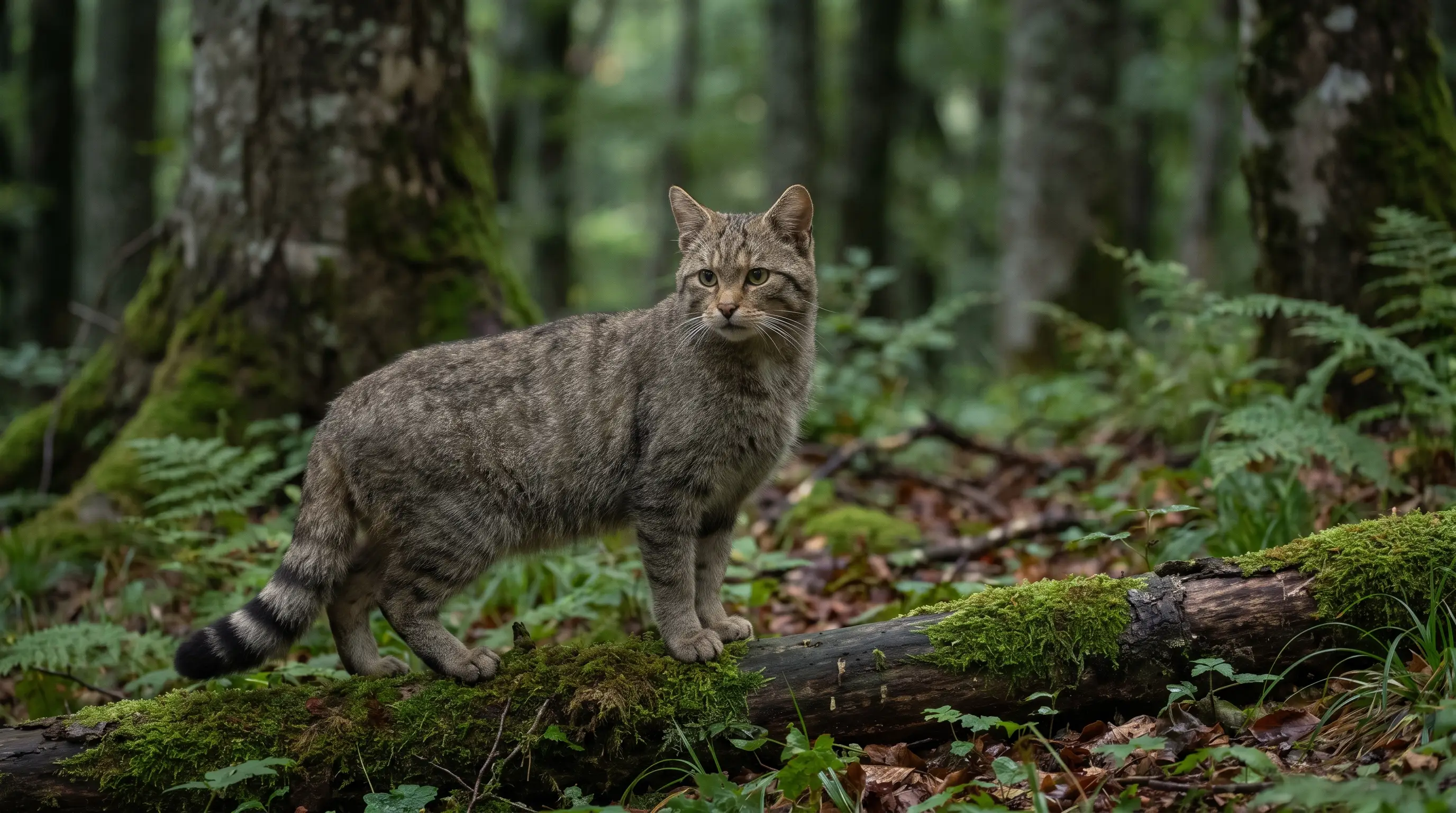
Italian wildcat: spotting a true Felis silvestris
Italy has a genuine native wild cat hiding in its forests. Here is how to tell one from a big farmyard tabby, and why it needs protecting.