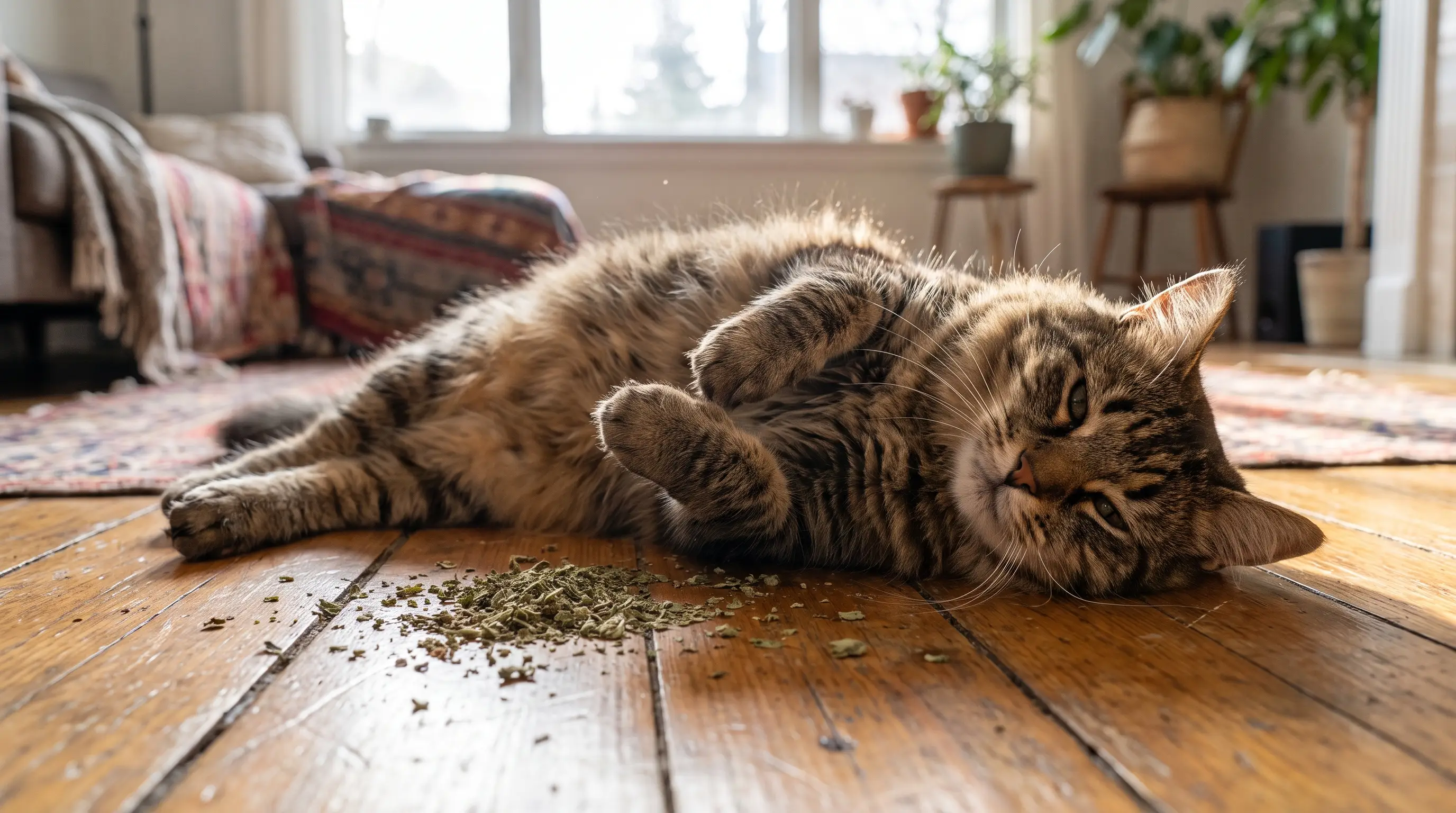
The strange things cats and dogs do, explained
Catnip, glowing eyes, dreaming, tail language and the pack myth that refuses to die — the fun questions, answered properly.
Start here
Everything in this collection
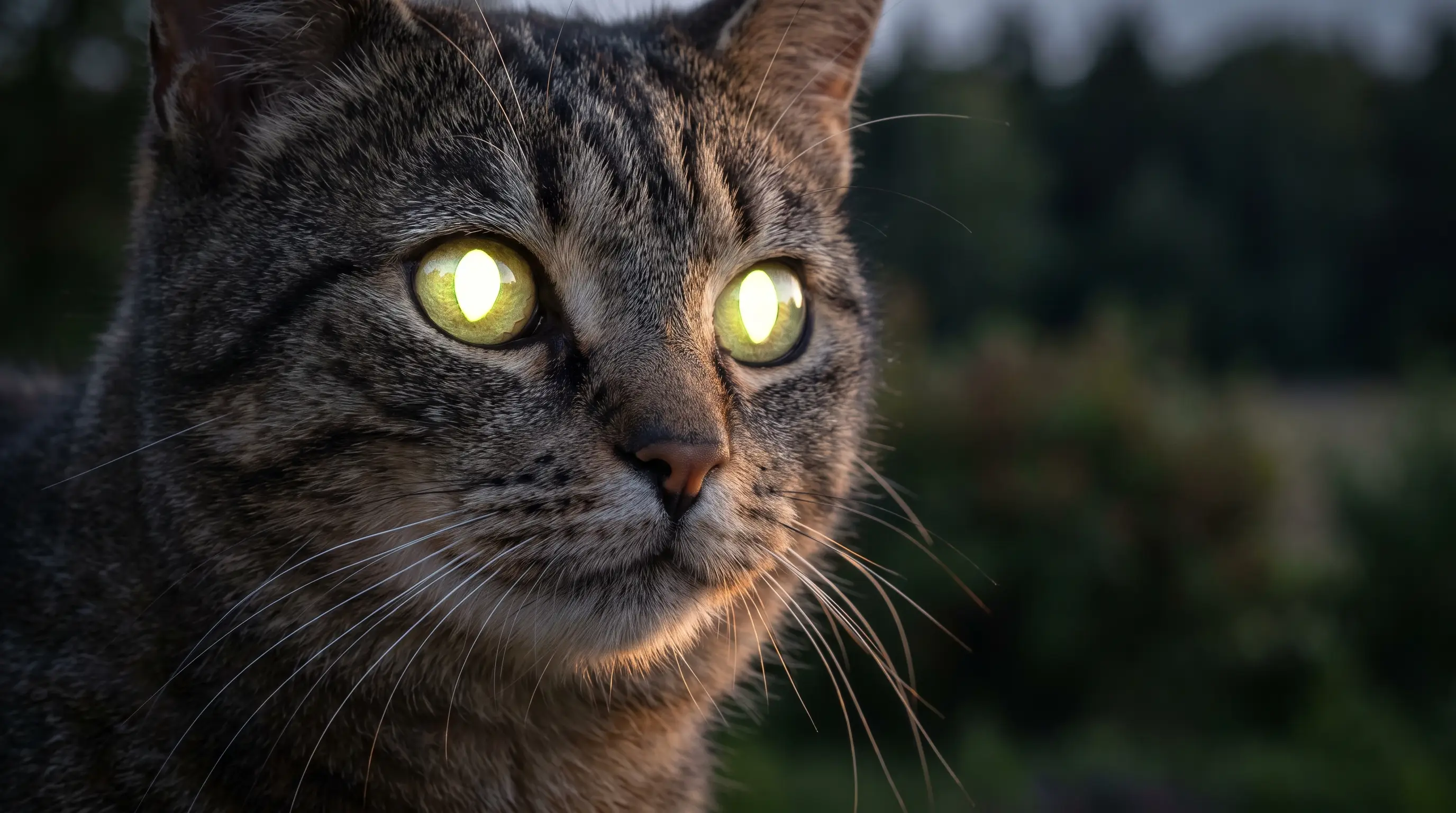
Why cats' eyes glow in the dark, and what they see
A mirror behind the retina gives cats a second shot at every photon. Here's the science of the glow, and the blurry, blue-gold world they actually see.
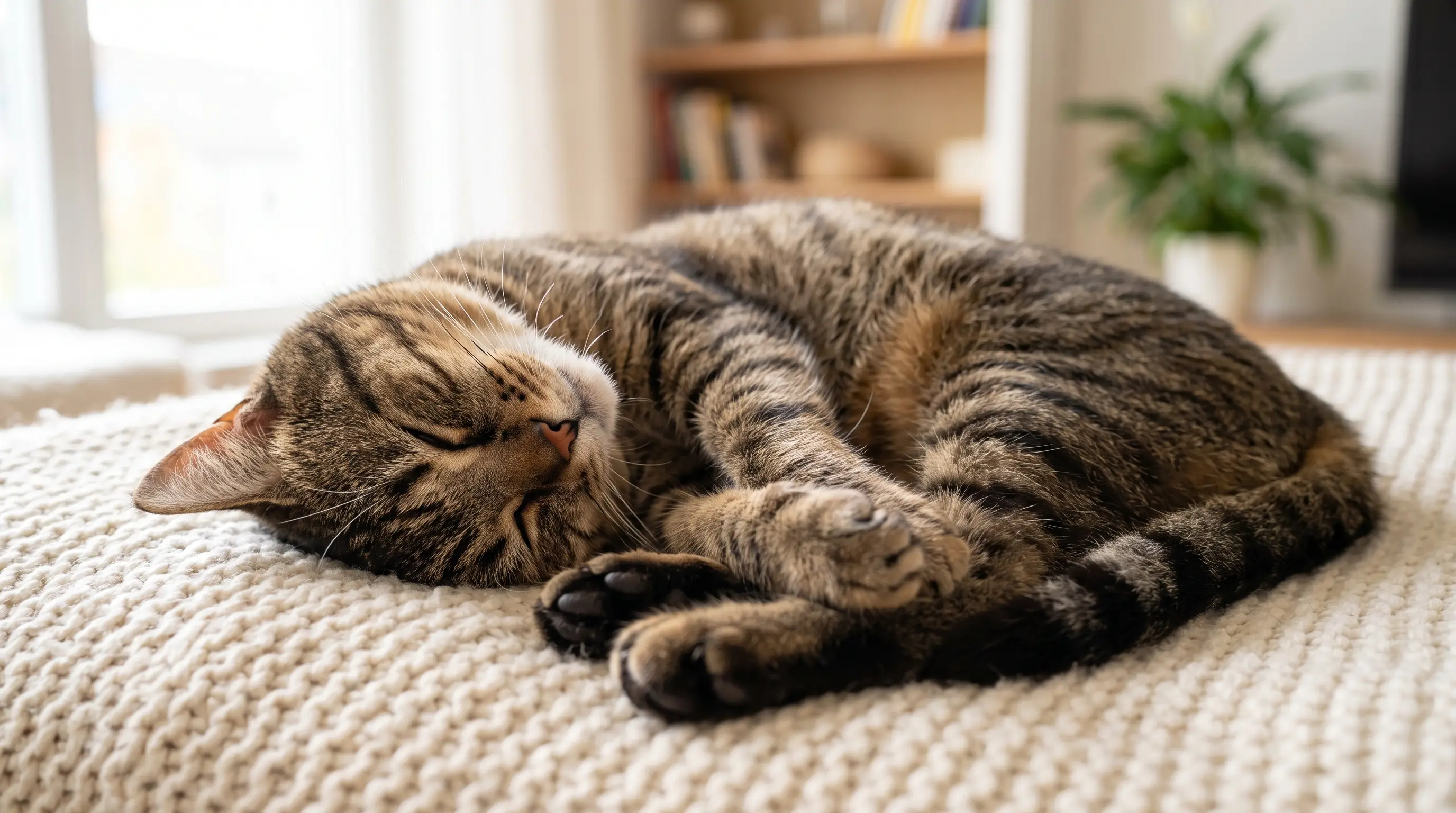
Do cats dream? What the science really shows
Cats share our sleep architecture and drop into REM, where the twitching happens. Here's the evidence, what they likely dream about, and when to worry.
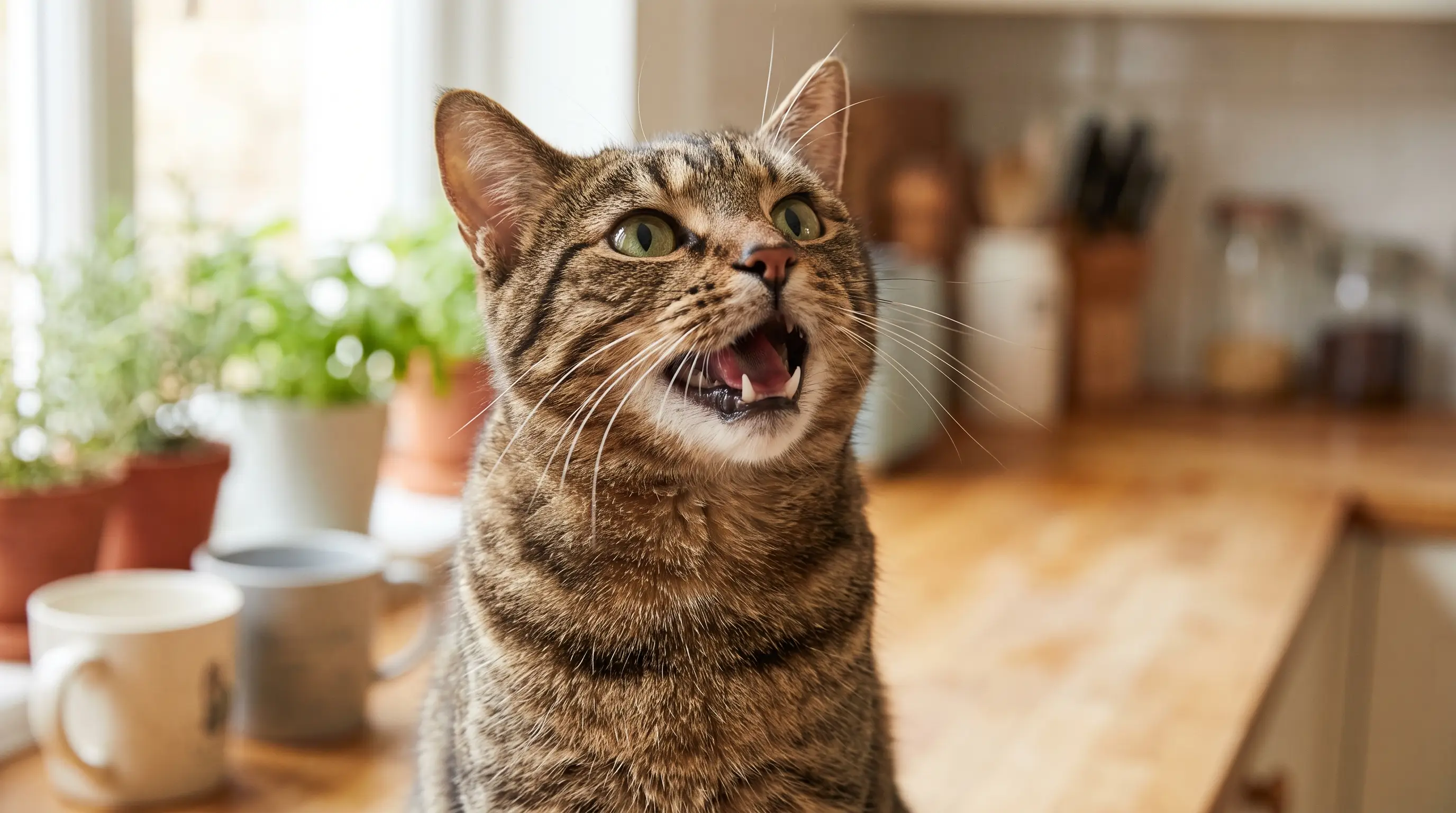
What your cat's meow actually means
Adult cats barely meow at each other. The meow is a language they built for one audience: you. Here's how to read it.

What a dog's tail is actually for
Balance, communication and scent - the three real jobs a dog's tail does, and why a wag on its own never means a happy dog.
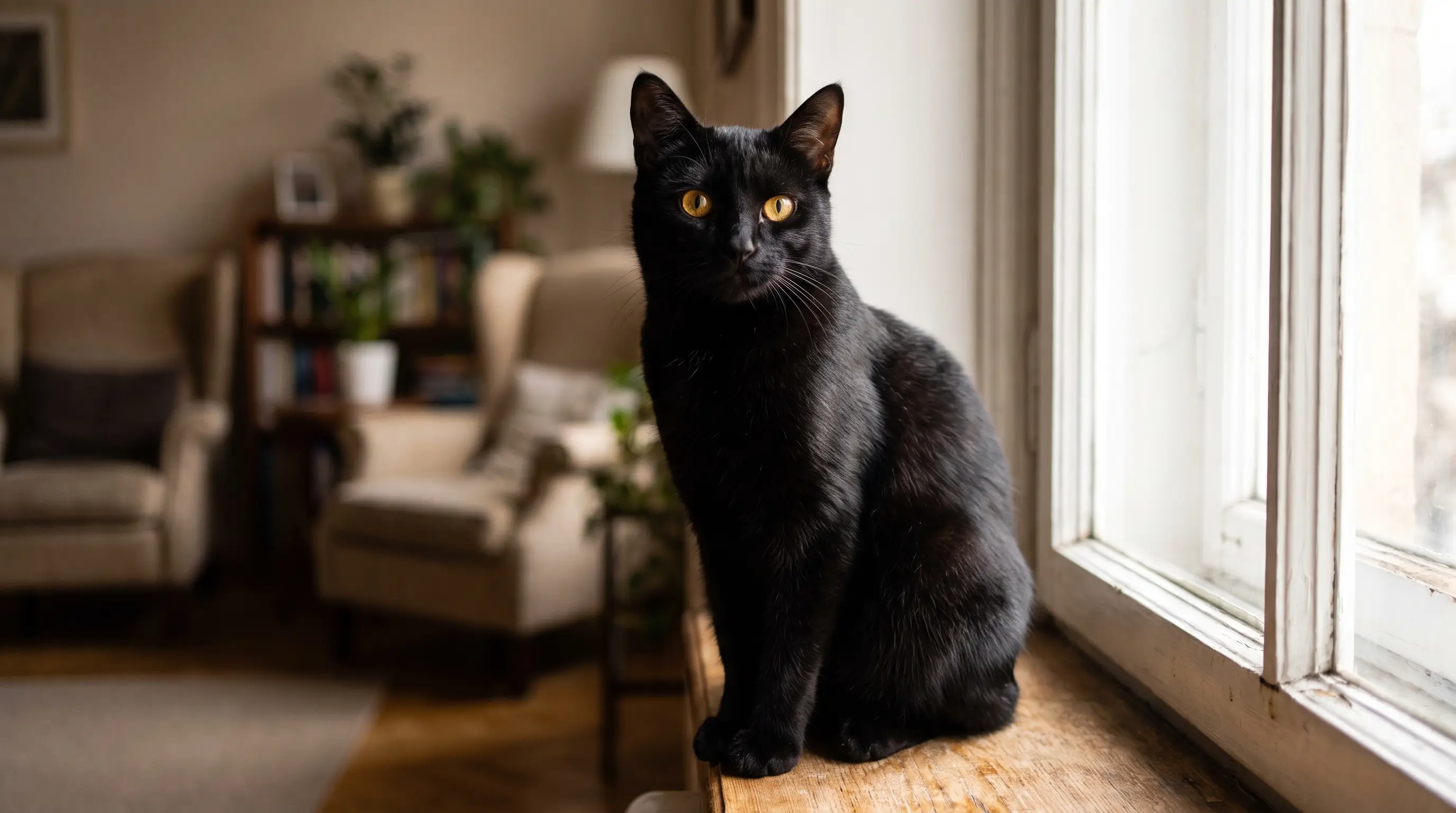
Black cats: the luckiest and unluckiest cat alive
The same black cat is a curse in one country and a blessing in the next. Here's the split, the real genetics, and why shelters can't rehome them.

The Alpha Wolf Myth: How a Pack Really Works
The alpha wolf was invented in a captive enclosure. In the wild a pack is a family led by parents, and your dog isn't fighting you for rank.
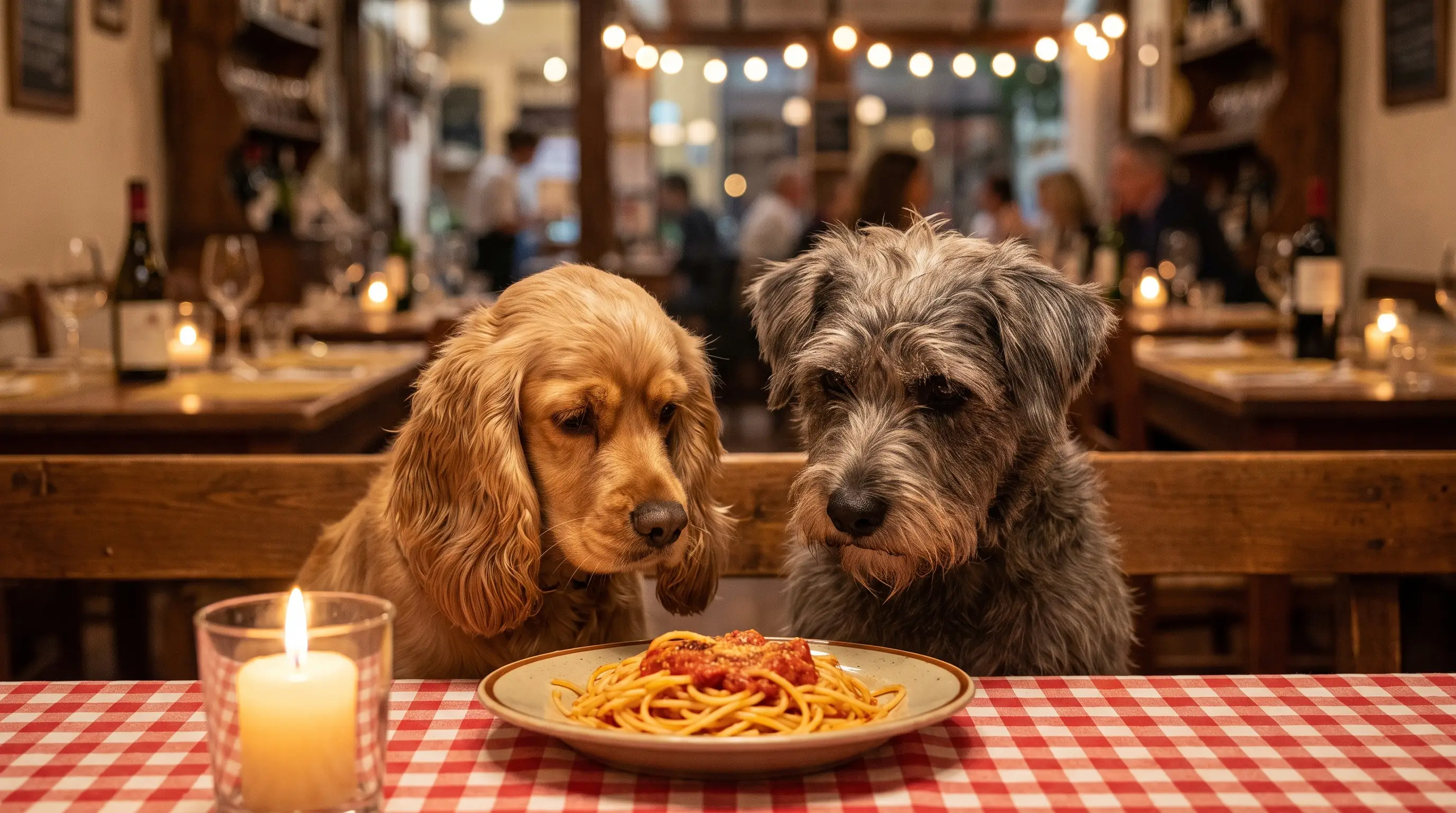
Disney dog breeds: the real dog behind every one
Lady is a Cocker Spaniel and Dug is a Golden Retriever, but Pluto and Bolt were never given an official breed. The honest list.
Why the folklore sticks
Half the things everyone knows about cats and dogs are wrong, and the wrong version usually survives because it is a better story. Black cats bring bad luck in one country and good luck two hundred miles away, which tells you the omen was never about the cat. Dogs supposedly see in black and white, when they actually see blues and yellows and miss reds. The pack leader idea outlived its own author's retraction because it flatters the owner.
What makes these worth reading rather than just correcting is that the real explanations are stranger than the myths. Cats respond to catnip through a receptor in the nose rather than the mouth, and roughly a third of them are genetically immune. Cats' eyes glow because of a mirror behind the retina that gives light a second pass. A dog's tail is a rudder, a signal and a balance pole depending on the moment. None of that is folklore, and all of it beats the version you were told.