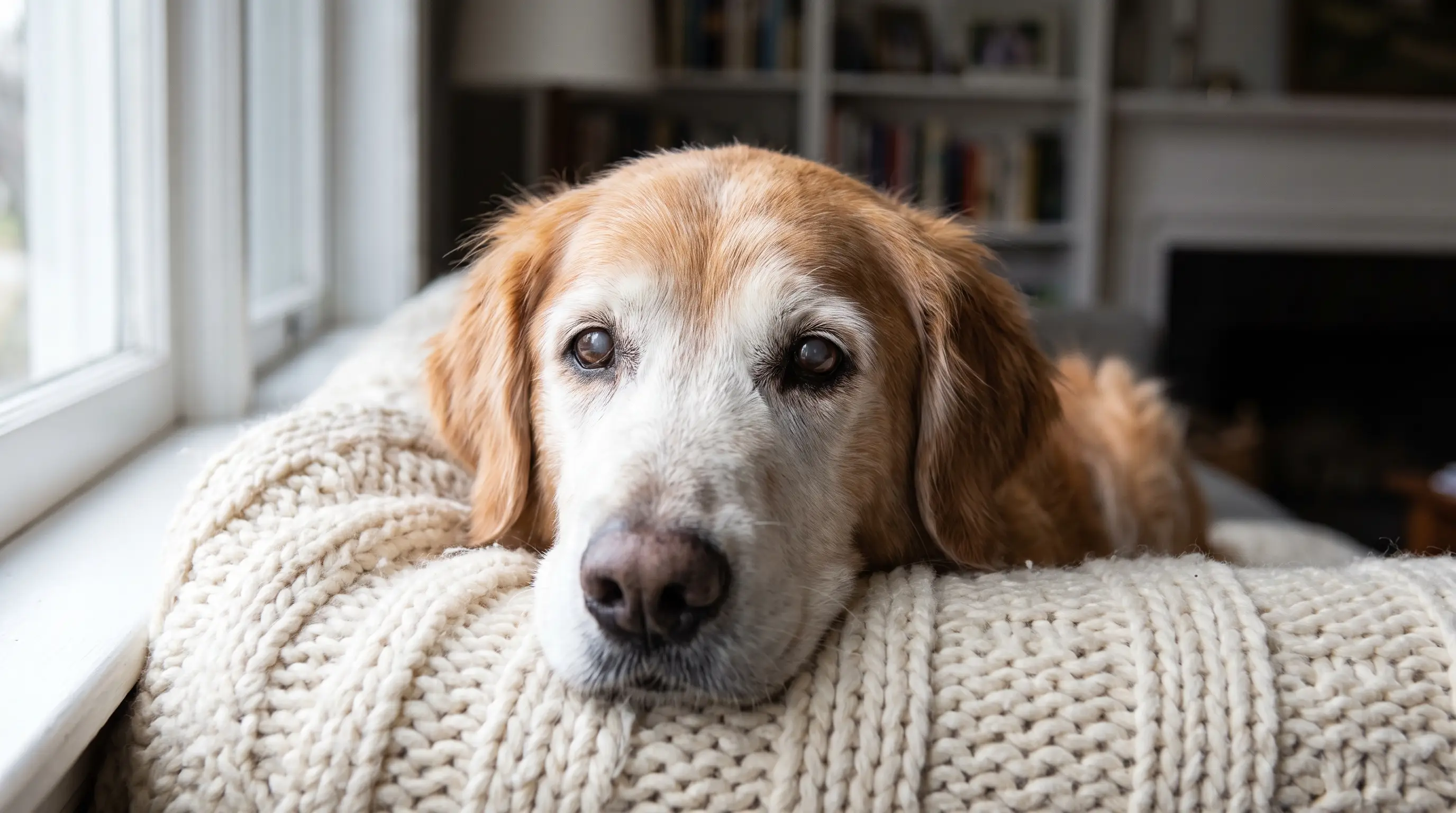
Caring for an older cat or dog
What changes with age, which signs are pain rather than slowing down, and how to make the last years comfortable instead of only longer.
Start here
Everything in this collection
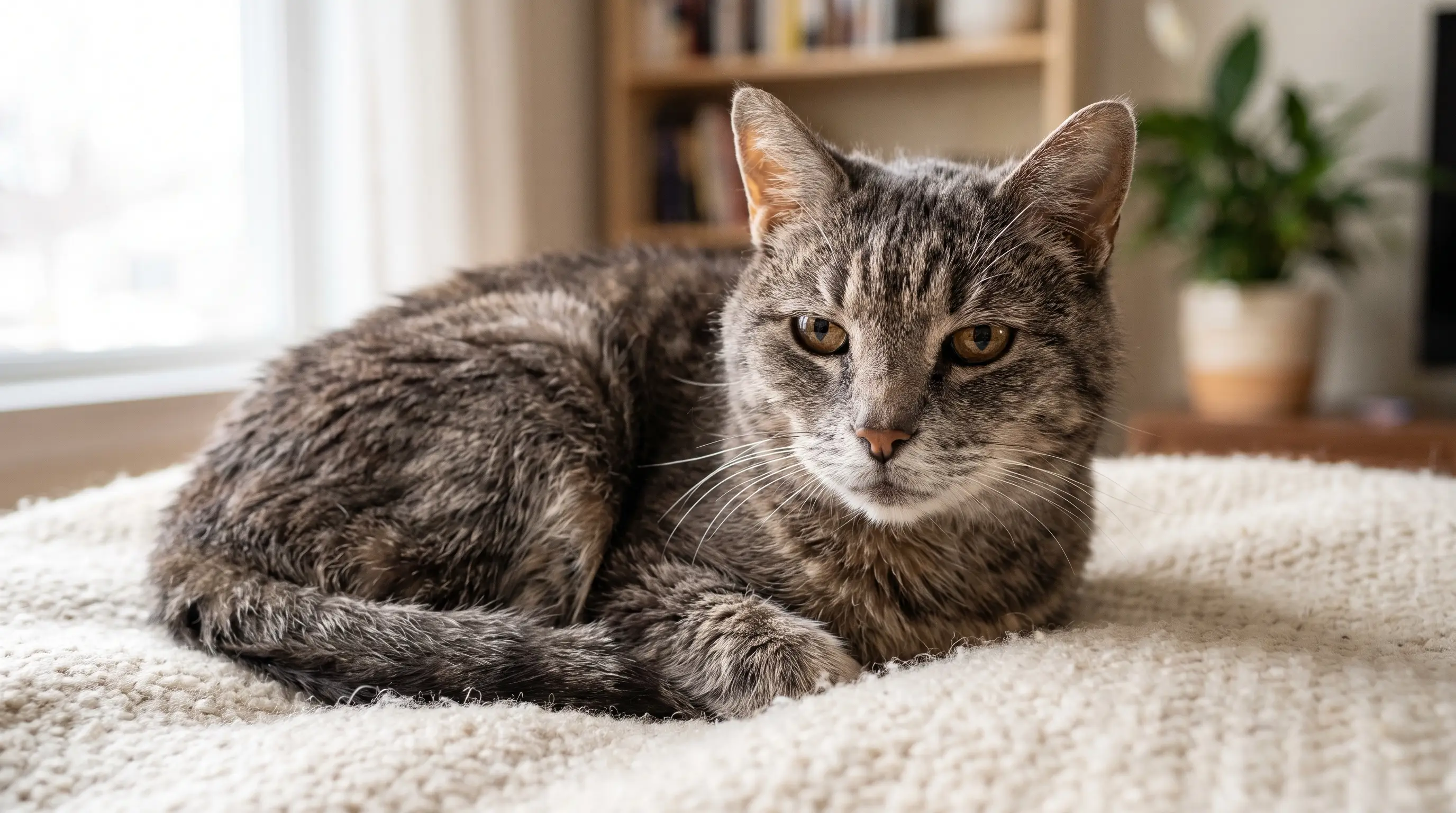
Senior cat care: what changes after 11
After 11 the job shifts from fixing problems to catching them early. The vet schedule, the weight rules and the home all change.
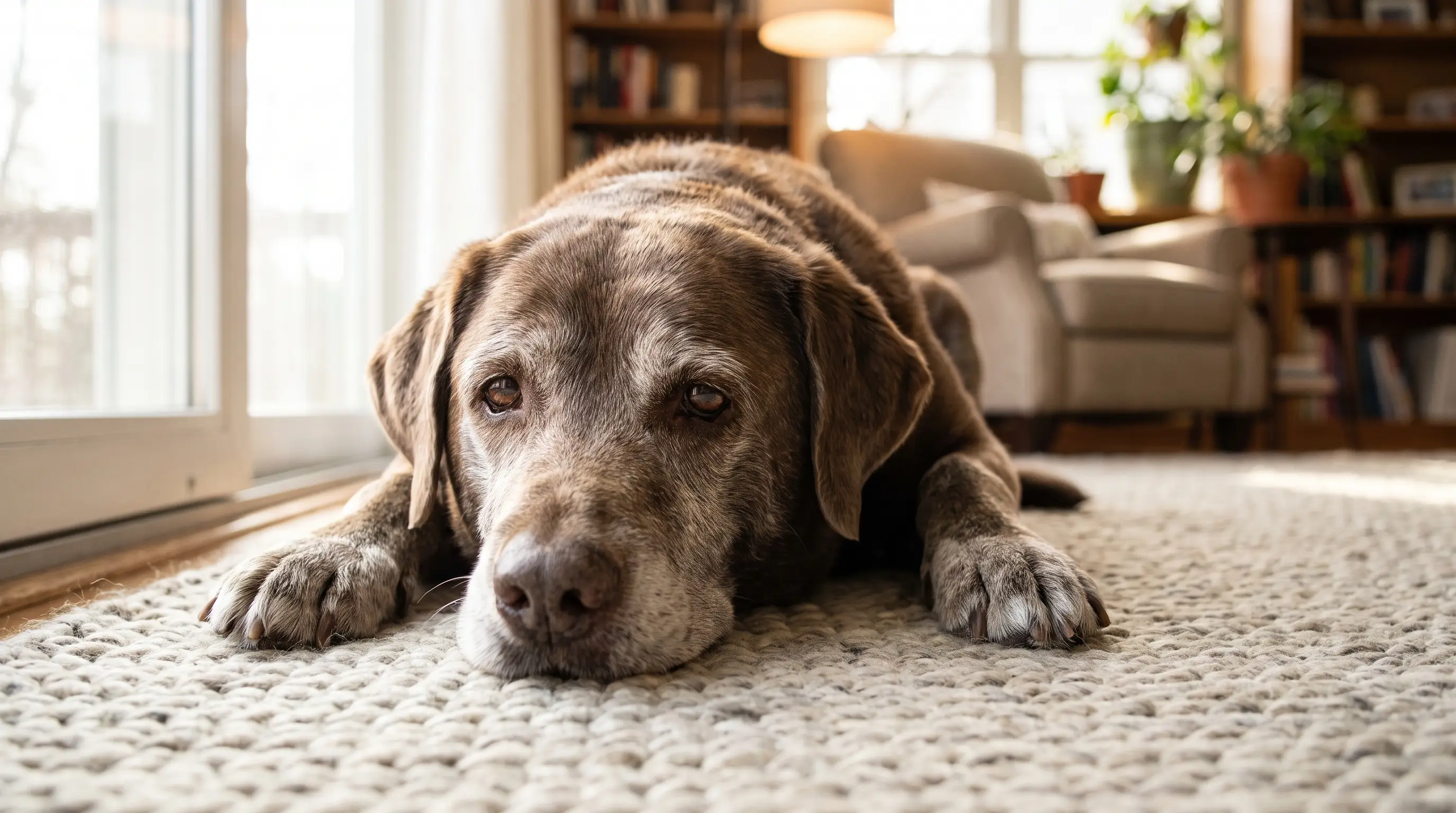
Is my old dog in pain? The signs they hide
Older dogs mask arthritis by instinct, so the pain shows up as small quiet changes. Here is what to watch for, and how to help.
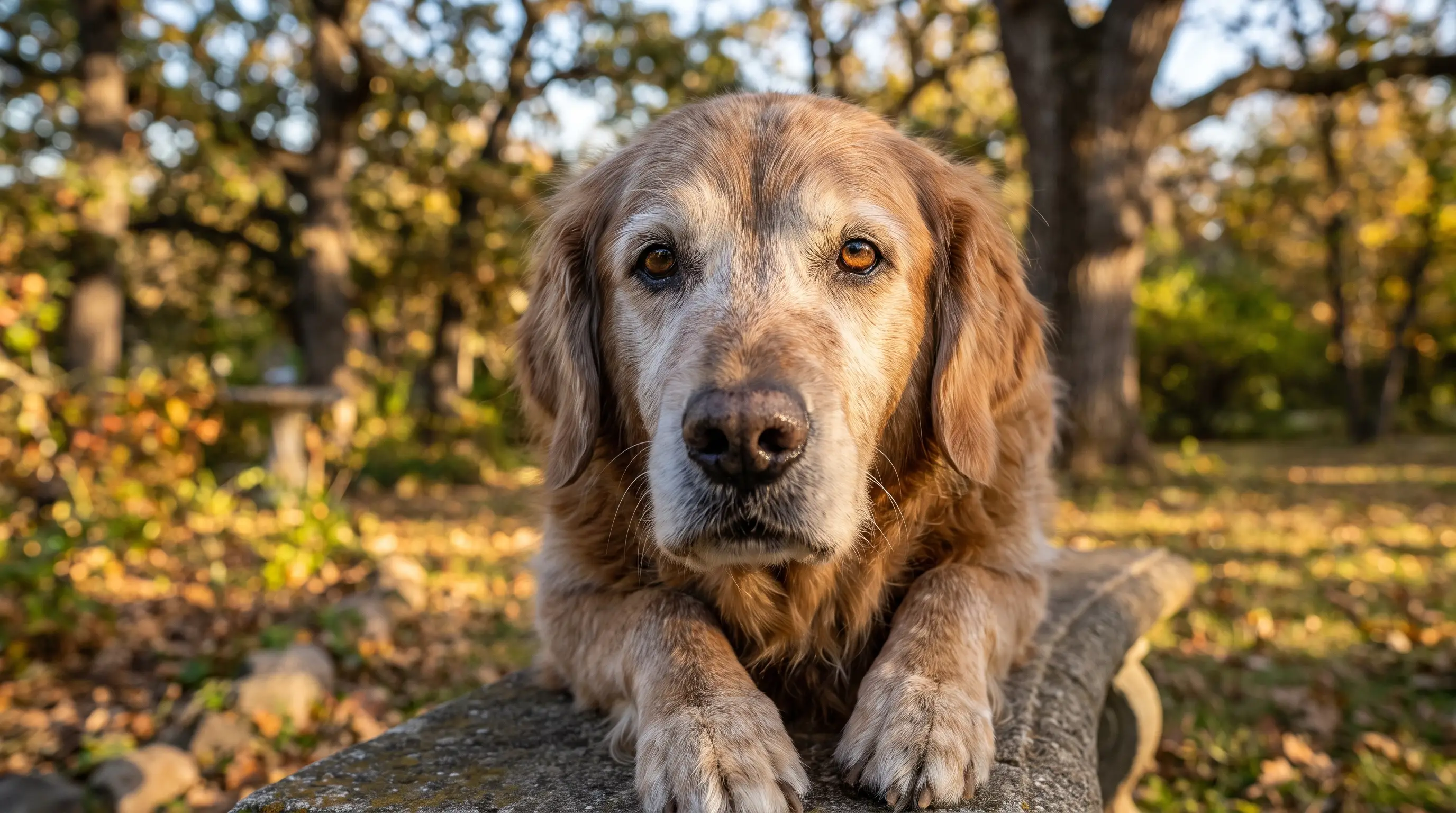
Adopting a senior dog or cat
What to expect when you adopt an older dog or cat: the calm, the fast bond, the vet planning, and the honest trade-off of less time.
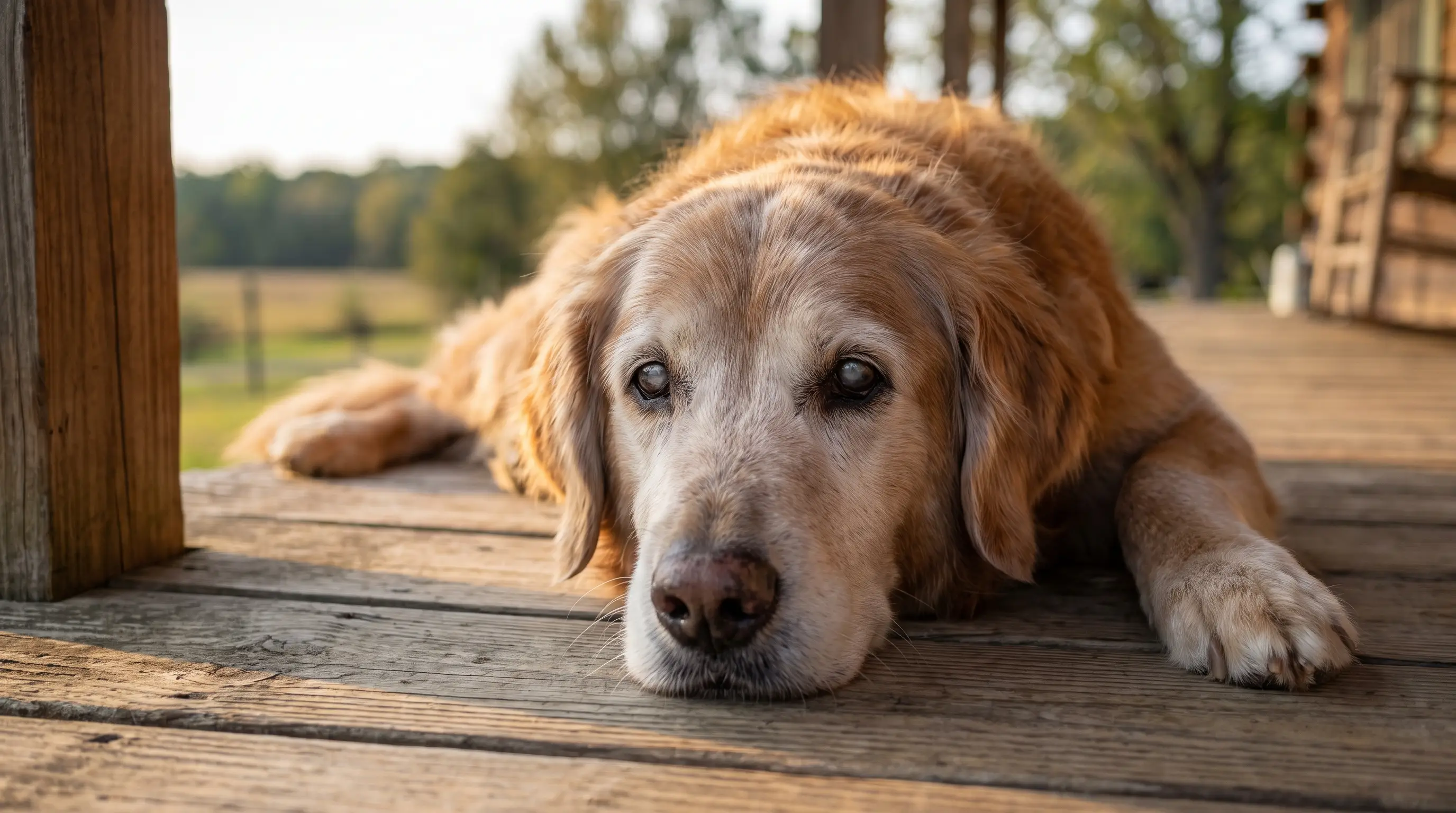
The oldest dog ever and how long dogs really live
Bluey reached 29 years. Bobi's 31-year claim fell apart. Here's the real math on dog lifespan, and how to buy your dog more time.
Old age is not a diagnosis
The most expensive sentence in senior pet care is he's just getting old. Cats and dogs are built to hide pain, so decline almost never announces itself. It shows up as a dog that stops meeting you at the door, a cat that stops jumping onto the bed and starts sleeping on the floor, an animal that turns snappy when handled. Owners read all of that as slowing down. Vets read it as arthritis, dental pain or failing kidneys — and most of those are treatable.
The practical shift is from annual check-ups to twice-yearly ones with bloodwork, because kidney and thyroid disease in particular stay silent until a lot of function is gone. Weigh the animal regularly: steady weight loss in an old cat is a symptom, not a diet working. And change the house before the animal struggles — a ramp onto the sofa, a litter tray with one low side, food and water on the floor it already lives on. Comfort bought early is worth more than heroics bought late.