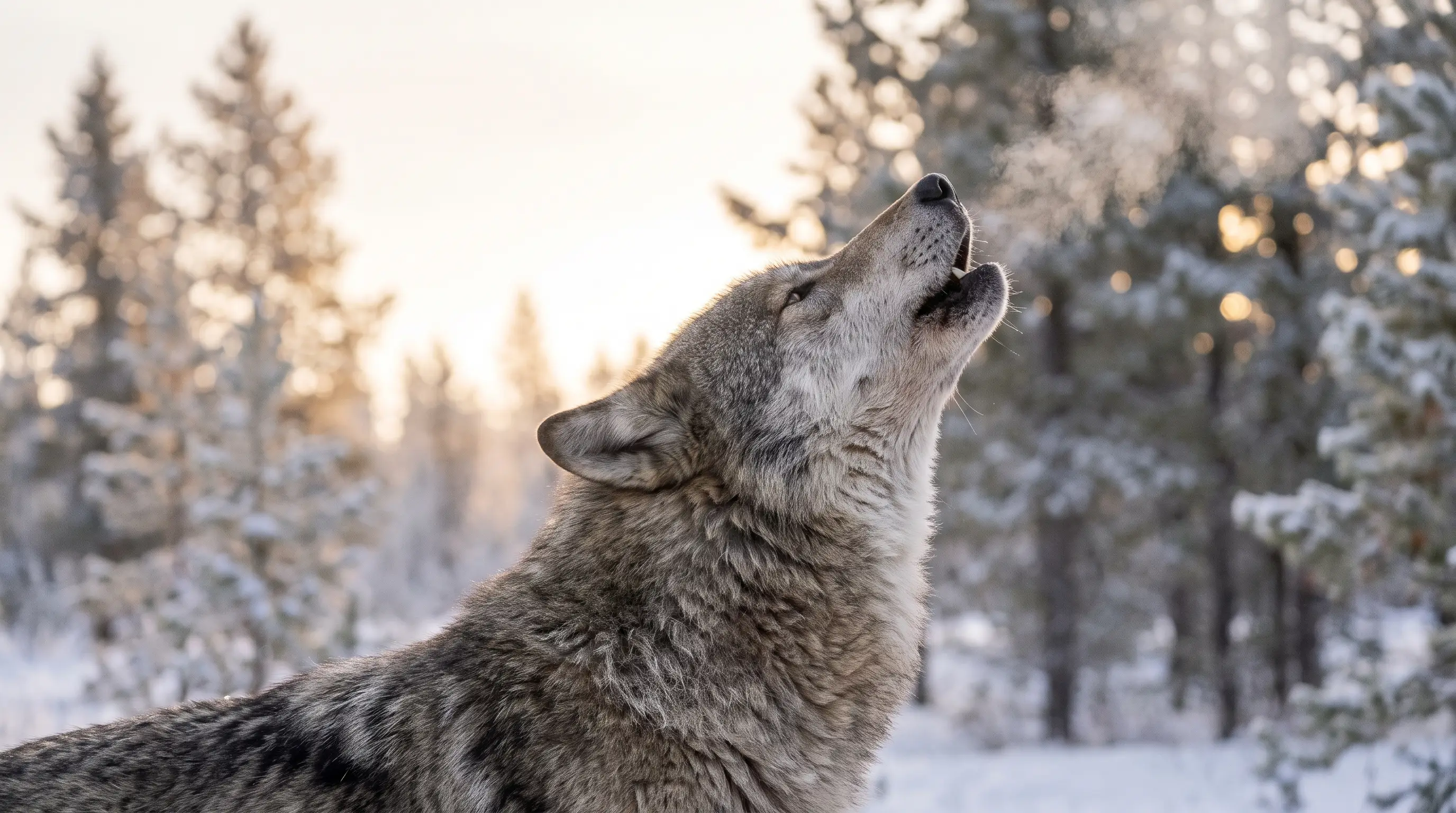
Why wolves howl (and why not at the moon)
Wolves howl to reach each other across distances too big for any other signal, to tell rival packs the land is taken, and to hold the family together. All three are practical. None of them involve the moon. A howl is closer to a long-distance phone call than a song of longing, and once you know what it carries, the sound stops being spooky and starts making sense.
What a wolf howl is for
A howl is a long-range broadcast that does three jobs at once: it locates scattered pack members, it warns rivals off the territory, and it binds the group together. Wolves have quieter tools for close range, growls, whines, body posture, scent marks, but none of those reach a packmate a valley away. The howl does. It is the one call built to travel, which is why almost everything a wolf needs to say at distance rides on it. The moon-worship story that gets attached to howling is a later human invention, and it gets the biology backwards.
Long-distance contact
A howl carries for miles, so a pack split up on a hunt can regroup by voice alone. Estimates vary with terrain, but a full howl travels roughly six miles through forest and around ten miles over open ground, far enough for a wolf that has drifted off during a chase to call, listen, and steer back toward the answer. Separate a wolf from its group and it often starts howling within minutes and keeps at it, because the reunion call works: the rest of the pack hears where it is and closes the gap. This is coordination, not complaint. If you want the wider picture of how that group actually functions day to day, we pulled apart the field data in the truth about wolf packs.
Territorial advertisement and the Beau geste effect
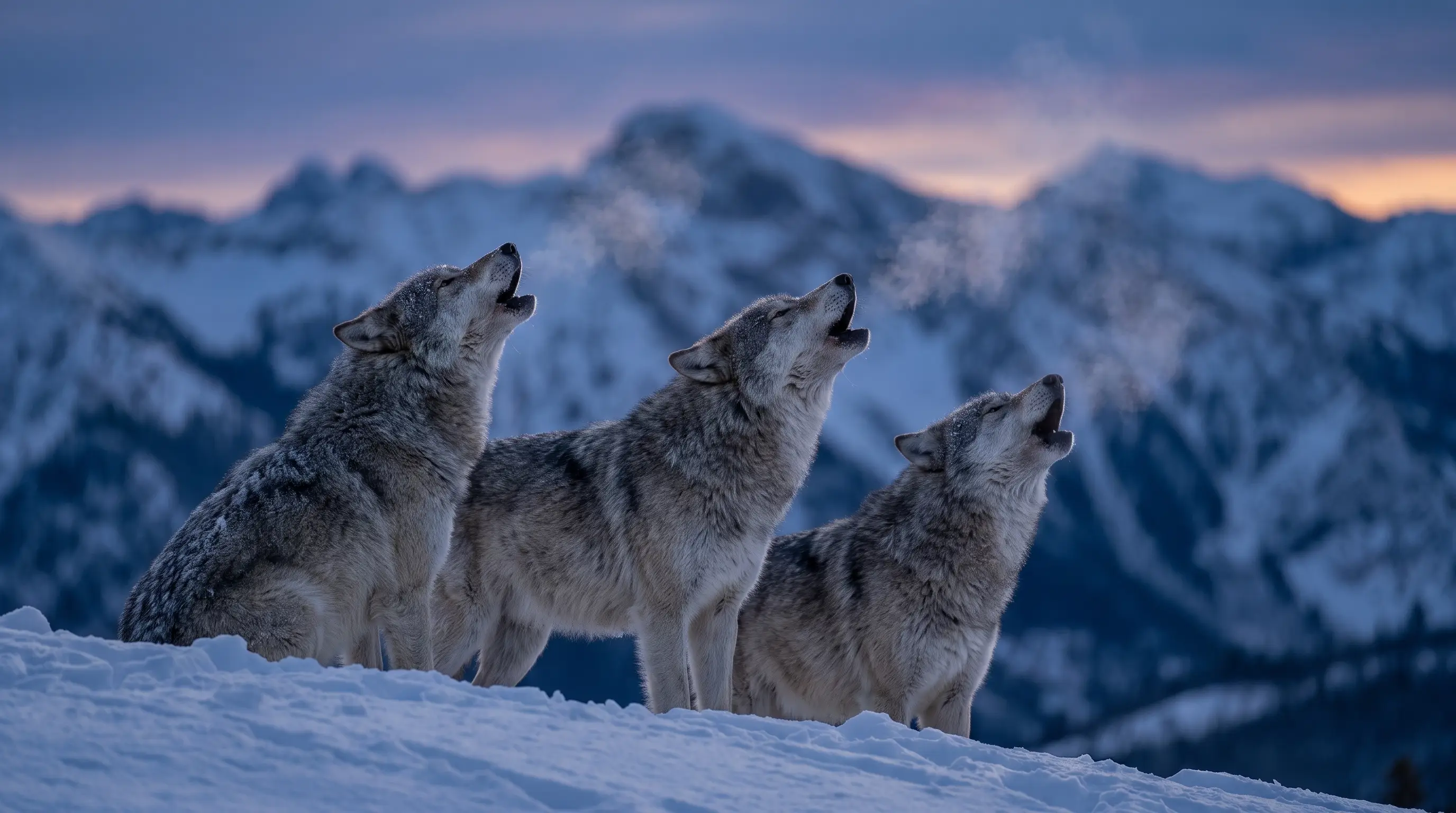
A group chorus tells neighboring packs the territory is occupied, and it can make the resident group sound bigger than it is. When several wolves howl at once, they tend not to hold the same note. Each animal shifts pitch so the voices never quite line up, and the overlapping, sliding harmonics blur the count. A listening rival struggles to tell three wolves from six. Behavioral scientists call this the Beau geste effect, after a 1924 novel in which dead soldiers are propped along a fort wall to fake a full garrison, and it does the same work here: bluff the numbers, avoid a fight. Broadcasting occupancy by voice is cheaper and safer than defending every boundary in person.
Social bonding and individual voices
Group howls before and after a hunt work like a family roll call that reinforces the bond. The whole pack joins in, muzzles up, and the shared chorus seems to reset the group before it moves and settle it afterward. What makes this more than noise is that every wolf has an individually recognizable voice. Acoustic studies that fingerprint howls by their pitch and shape can tell one animal from another with high accuracy, sometimes near total, which means packmates almost certainly know exactly who is calling. Research on captive wolves also found they howl more toward the individuals they are most closely bonded with, so the call carries not just a location but a relationship.
The moon myth
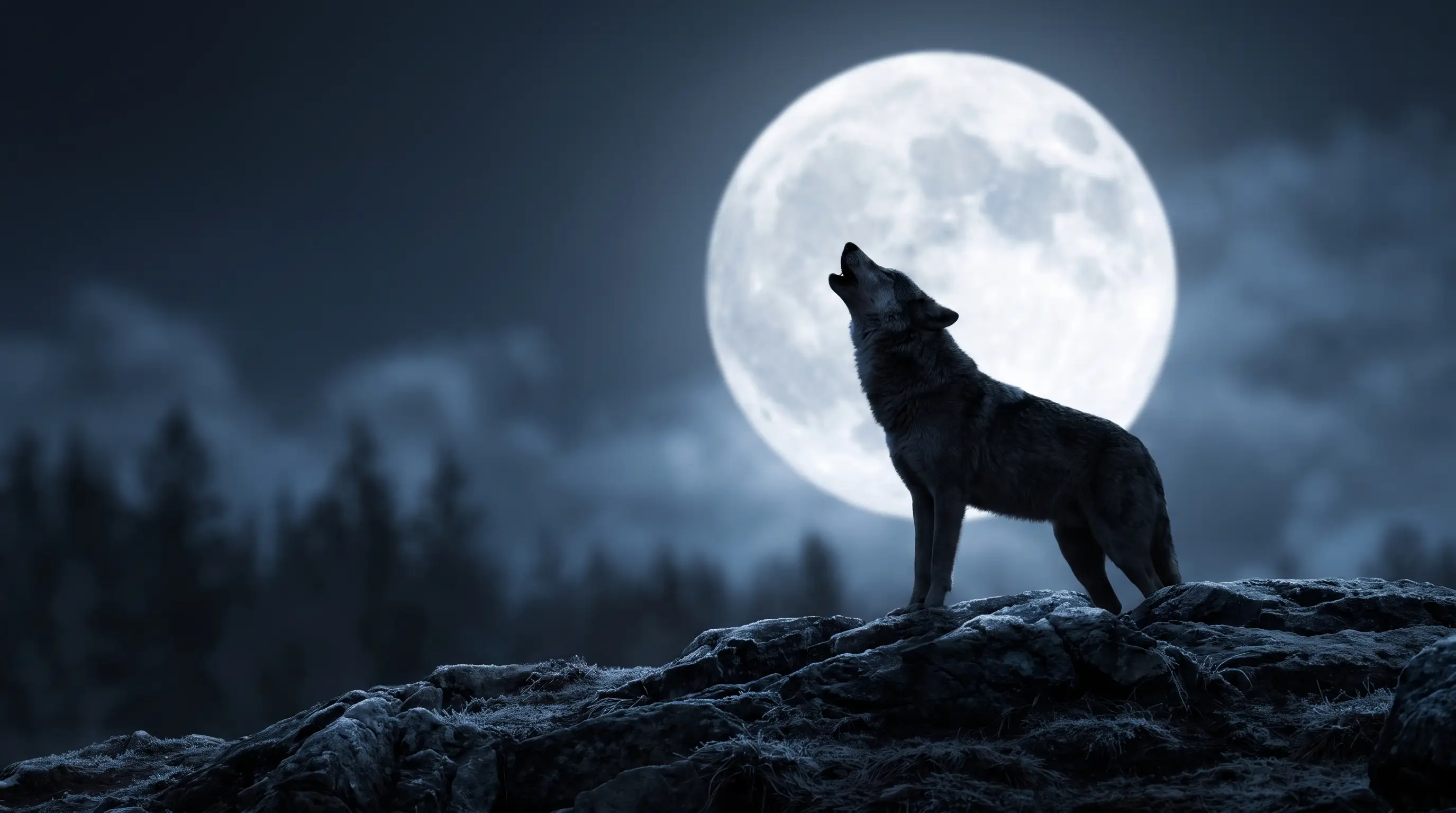
Wolves do not howl at the moon, and lunar phase has no measurable effect on when they call. The myth survives because of two real facts that happen to coincide. Wolves are more active and vocal after dark, and when a wolf howls it raises its head and points its muzzle upward, because lifting the head clears the throat and throws the sound farther across the land. Put those together on a clear night and you get a wolf, nose to the sky, silhouetted against a bright moon that just happens to be there. The pose is acoustics. The moon is scenery. No canine researcher has found any link between the two.
Why dogs howl too
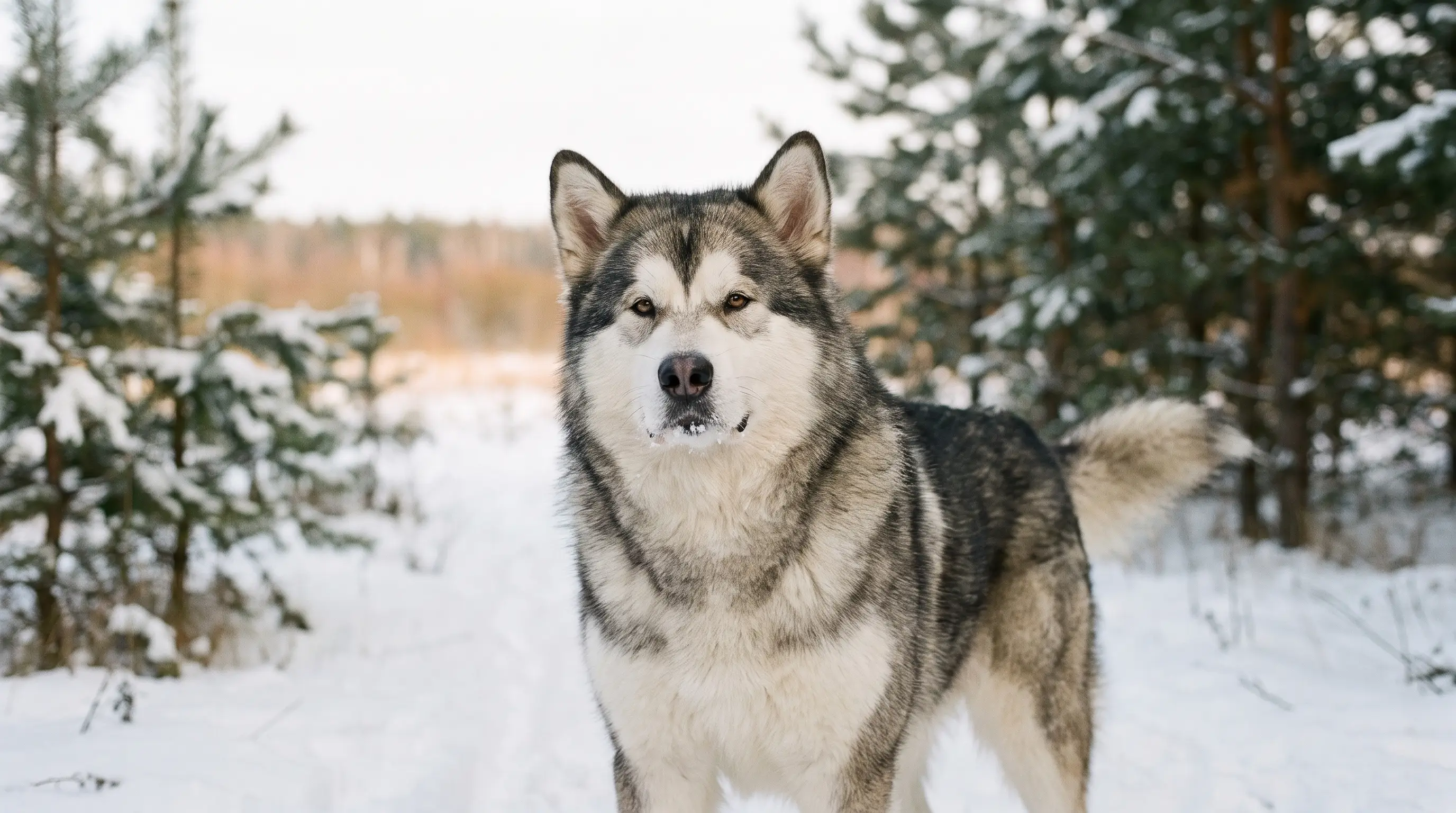
Dogs inherited howling from wolves, which is why yours may still lift its head and let one loose. The trigger is usually a sound in the right frequency range: a passing siren, a harmonica, a held musical note, another dog down the street. To a dog these read as a distant howl worth answering, so it answers. Some dogs also howl when left alone, a contact call aimed at a family that is not there, which is why persistent howling in an empty house can signal separation distress rather than boredom. Breeds bred close to their working roots tend to be the loudest about it, the Alaskan malamute among them. The instinct is old. The siren is just a howl your dog cannot place.
Common questions
Do wolves really howl at the moon?
No. Wolves do not howl at the moon, and the moon's phase has no effect on when they call. They howl more at night because they are more active after dark, and they raise the muzzle because pointing it upward carries the sound farther, so a wolf howling under a bright moon is coincidence.
Why do wolves howl at night?
Wolves howl at night because that is when they are most active and when sound travels best across cool, still air. Night howls do the same jobs as any other howl: locating packmates, warning rival packs off the territory, and rallying the group before or after a hunt.
What does it mean when wolves howl?
A howl usually means one of three things: a scattered pack is trying to regroup by voice, a group is advertising that the territory is taken, or the family is reinforcing its bond with a group chorus. Each wolf has a recognizable voice, so packmates know who is calling.
How far away can you hear a wolf howl?
A wolf howl can carry roughly six miles through forest and around ten miles over open ground, depending on terrain and weather. That range is the whole point: it lets a pack spread out on a hunt and still find each other by sound.
Do wolves howl to communicate with each other?
Yes. Howling is a long-distance communication tool that quieter signals like growls and body language cannot match. Wolves use it to report their location, coordinate movement, keep rival packs at a distance, and strengthen social ties within the pack.
Why do dogs howl like wolves?
Dogs howl because they inherited the behavior from wolves. Sirens, musical notes, and other dogs often set them off because those sounds resemble a distant howl, and some dogs howl when left alone as a contact call, which can be a sign of separation distress.
More in Wild
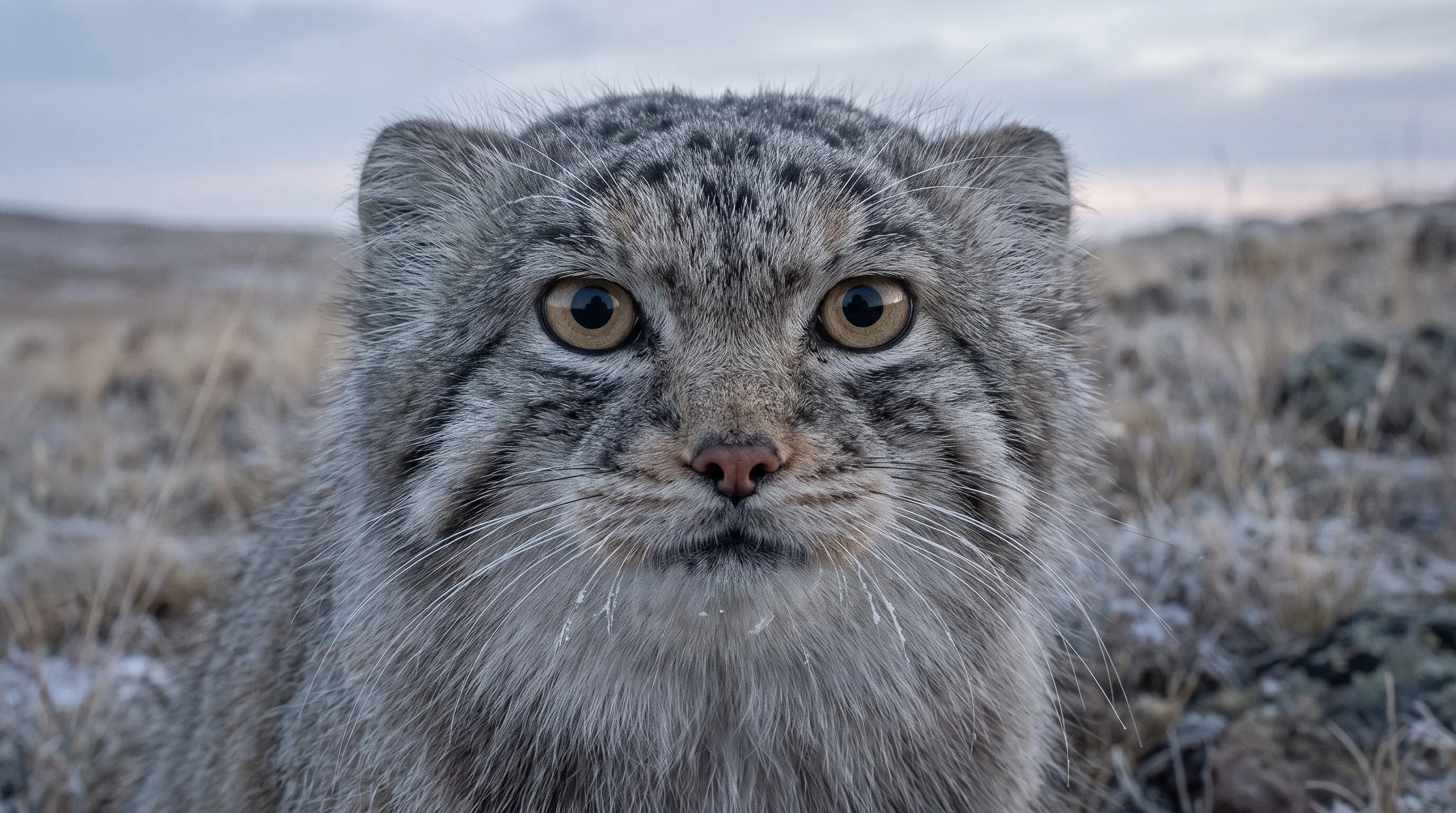
8 small wild cats you've never heard of
Eight small wild cats — from the deadliest hunter on Earth to the ancestor of your housecat — and where each one still lives.
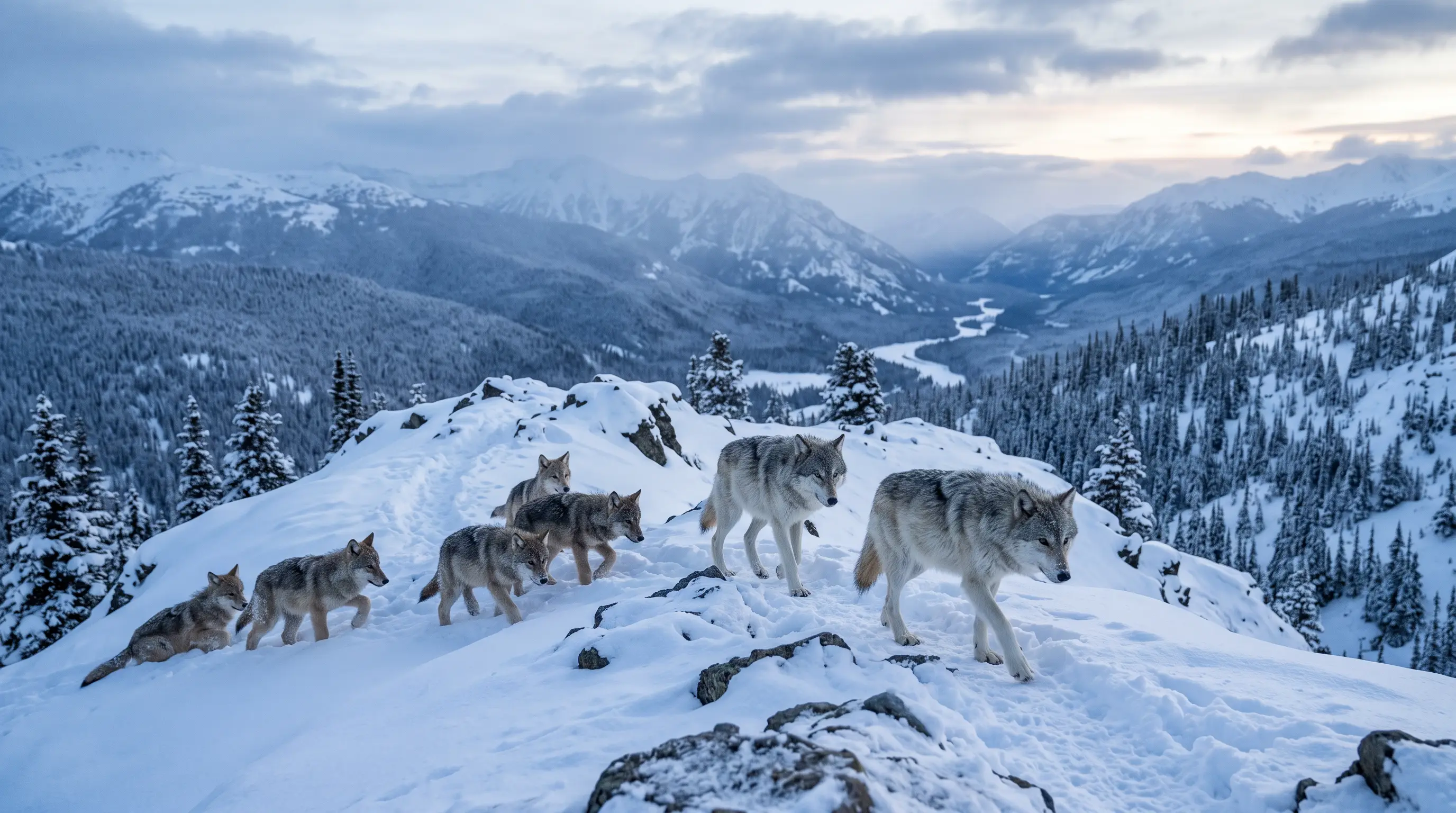
The Alpha Wolf Myth: How a Pack Really Works
The alpha wolf was invented in a captive enclosure. In the wild a pack is a family led by parents, and your dog isn't fighting you for rank.
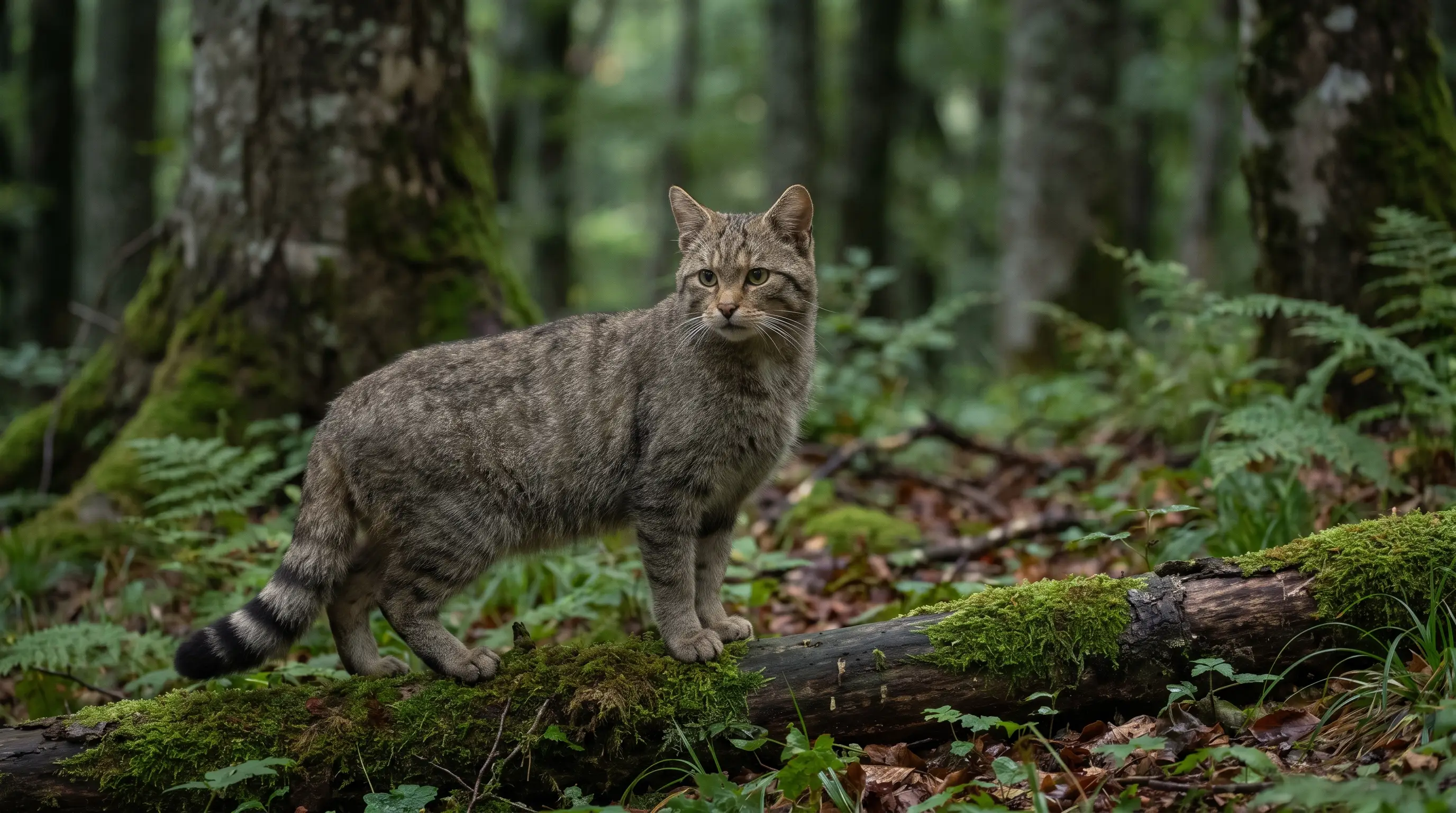
Italian wildcat: spotting a true Felis silvestris
Italy has a genuine native wild cat hiding in its forests. Here is how to tell one from a big farmyard tabby, and why it needs protecting.