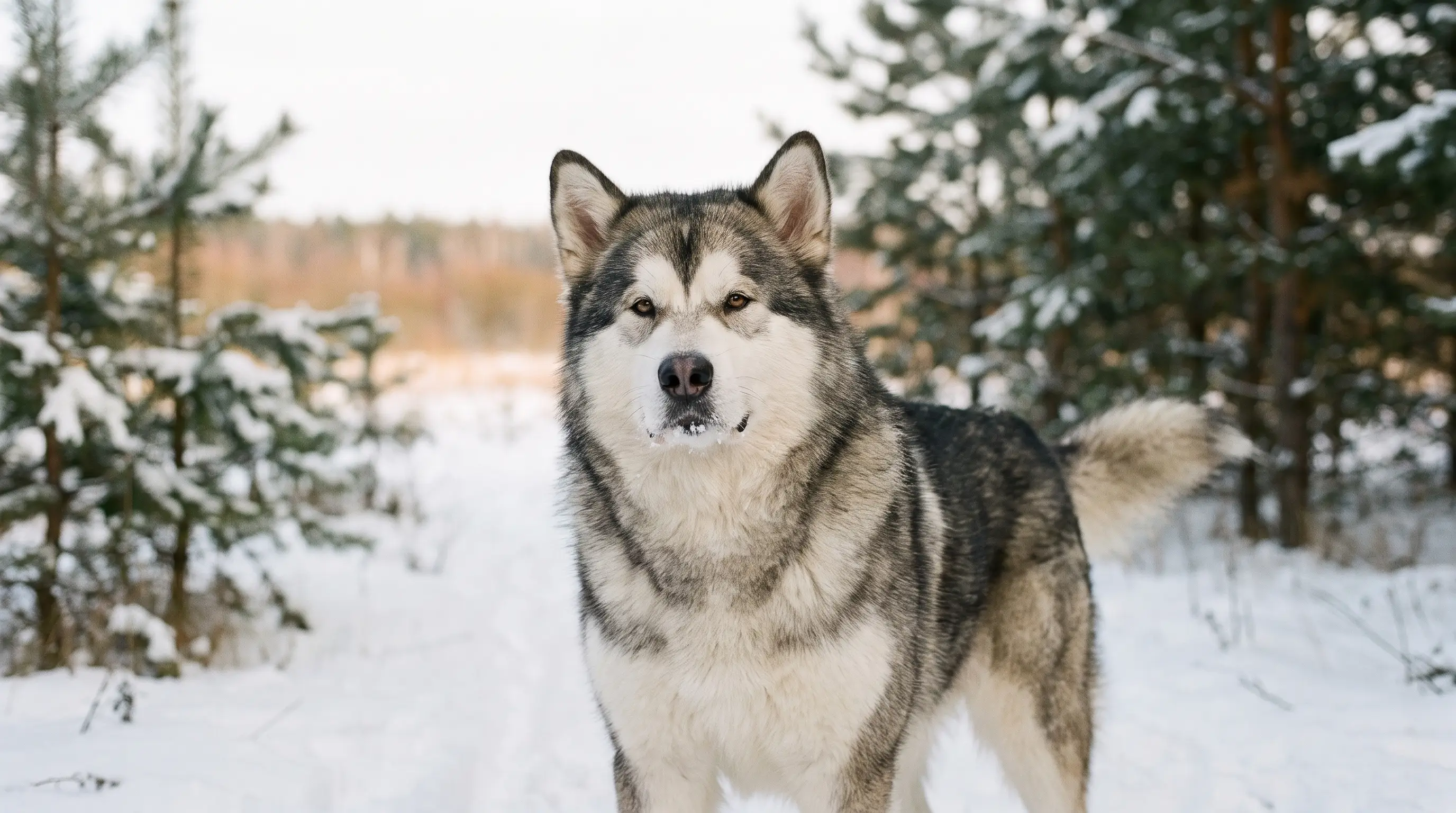
Alaskan Malamute
The Arctic freight train — bred to haul, born to howl.
On these lists: Dogs for cold climates
Vital stats
| Size | Large · 58–64 cm |
| Weight | 34–39 kg |
| Life expectancy | 10–14 years |
| Energy | High — 60–120 min/day |
| Shedding | Heavy · seasonal blowouts |
| Coat | Thick double coat · grey, sable, black & white |
| Group | Working · FCI №243 / AKC |
| Origin | Alaska, USA |
| FCI group | 5 — Spitz and primitive types · FCI 243 |
Breed traits
Friendliness
Care
Mind
The Alaskan Malamute by the numbers
The Alaskan Malamute facts owners search for most — price, lifespan, weight, shedding and colours, in one place.
Widely bred, so you can usually find a litter from a registered breeder without a long wait. Ongoing costs run high — more food, bigger doses at the vet, and pricier insurance. Its coat also needs a professional groom every few weeks — a real line in the budget.
We don't quote a single figure: the real price swings with breeder, region, bloodline and health testing — and a rescue costs a fraction of a breeder's litter. Adopting is almost always the cheapest route.
Temperament
Bred to haul freight across the ice in small human-dog teams, the Malamute pairs deep sociability with an independent working mind — it was expected to think, not just obey. Expect a dog that adores people, negotiates rules, digs on principle, and treats every walk as a pulling opportunity.
Habits & quirks
The woo-woo
Rarely barks — holds entire conversations in howls, woos and theatrical grumbles.
Structural digging
Excavates cool dens in summer; consider the lawn a negotiation.
Born to pull
A loose lead feels wrong to it — harness sports turn the vice into a virtue.
Everyone's best friend
Far too people-loving to guard anything; would greet a burglar warmly.
Health
The Malamute is a hardy Arctic working breed, and most of its care is about exercise, coat and heat rather than a long list of ailments. Buy from a breeder who screens hips, keep the dog lean to protect its joints, and never shave the double coat — it insulates against summer heat as much as winter cold. Give it the hard daily work it was bred for and a Malamute is a healthy, tough dog.
Nutrition
| Exercise | Long daily hikes, pulling sports or a weighted backpack — a bored Malamute is a demolition crew. |
| Grooming | Rake the undercoat weekly, daily in blow season; expect fur drifts twice a year. |
| Training | Start young, keep it cheerful and consistent — it asks 'why?' before it complies. |
| Heat | Built for deep cold — in warm weather exercise at dawn and dusk, with shade and water always. |
A Malamute was built to haul heavy loads on modest rations, so it's an efficient feeder that gains weight quietly — measure meals, count treats, and keep the ribs easy to feel. Feed to the dog's real workload, which swings with the season and how much it's pulling, and keep it lean to spare the joints under all that power.
Puppy guide
A Malamute puppy grows into a big, strong, independent dog, so start training and socialising early and keep exercise moderate while the joints form. Introduce it to other dogs young — adults can be choosy with their own kind — and get it used to the grooming routine and short spells alone. This is a born digger and escape artist, so a secure, dig-proof garden isn't optional.
Training
Malamutes were bred to think on the ice, not just take orders, so they're smart, independent and quietly negotiable — one will ask 'why?' before it complies. Start young, stay cheerful and consistent, and make it worth the dog's while rather than trying to out-muscle it. Channel the hardwired urge to pull into harness sports, where the breed's biggest 'vice' becomes its finest party trick.
Known health issues
No breed is problem-free. These are the conditions most worth knowing about for this breed — with what a good breeder screens for and what an owner watches. General guidance, not a substitute for your vet.
Hip dysplasia
A poorly fitting hip joint that wears early and can cause pain and arthritis, most common in larger breeds. Good breeders screen: Hip-scored parents (BVA/OFA/FCI). Watch for: Stiffness, a bunny-hop run, or reluctance on stairs.
Underactive thyroid
A slowed thyroid that saps energy and coat, common in mid-size and large breeds and easily treated. Good breeders screen: Ask about thyroid testing in the line. Watch for: Weight gain, low energy, and thinning coat — a simple blood test confirms it.
Life expectancy
Alaskan Malamutes live 10–14 years. Keep a Malamute lean, hard-exercised and cool in summer and it's a long-lived, sturdy dog. Weight and joints are the levers that matter most — a lean, well-built Malamute spares its own hips — and buying from a breeder who screens hips, plus never shaving that heat-regulating coat, covers most of the rest.
Popular Alaskan mixes
Alusky
Two northern sled breeds doubled up — big, powerful, heavy-shedding and hungry for miles. Expect a talkative, independent dog that needs a serious daily outlet.
Malador
A large, friendly, high-energy cross with the Lab's people-focus and the Malamute's pulling power. Trainable but strong and busy; keep it lean and well-exercised.
Similar breeds
Breeds with a similar build and background — worth a look if this one isn't quite the fit.
Compare this breed
Breeds that look like this
Common questions
What's the difference between a Malamute and a Husky?
The Malamute is the bigger, heavier freighting dog built for power; the Siberian Husky is a smaller, faster endurance racer. Malamutes also tend to be more independent-minded.
Are Alaskan Malamutes part wolf?
No — despite the looks, it's a fully domestic breed, and an ancient one. The wolfish face comes with a thoroughly dog-loving personality.
Can a Malamute live in a warm climate?
Yes with care: exercise in the cool hours, constant shade and water, and never shave the coat — it insulates against heat as well as cold.
Does the Alaskan Malamute shed a lot?
Yes — the Alaskan Malamute is a heavy shedder, dropping hair year-round or in big seasonal moults. Brush it several times a week and expect regular vacuuming; it isn't the coat for you if loose fur is a dealbreaker.
Is the Alaskan Malamute hypoallergenic?
Not really. No dog is truly hypoallergenic, and the Alaskan Malamute's shedding coat releases plenty of the dander that sets off allergies. If someone at home is allergic, this isn't the easiest breed to live with — spend time around one first.
Is the Alaskan Malamute good with children?
They can be. The Alaskan Malamute is reasonably sociable and can be good with children in the right home, especially when socialised early. Supervise around young kids and teach dog and child to respect each other.
Is the Alaskan Malamute easy to train?
They can be a challenge. The Alaskan Malamute is intelligent but independent, and would rather make its own decisions than take orders. Reward-based training and patience work best; expect recall in particular to take time.
Stories featuring this breed
All stories →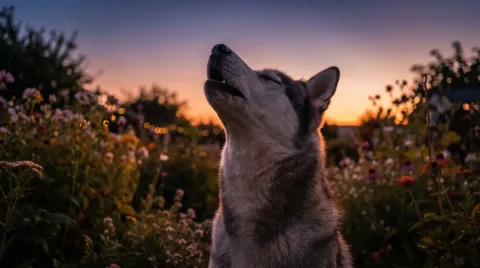
Why do dogs howl? Sirens, solitude and the wolf inside
The howl is long-distance radio inherited from wolves — and no, the siren isn't hurting your dog's ears. What each howl broadcasts, and the one kind that's a message for you.
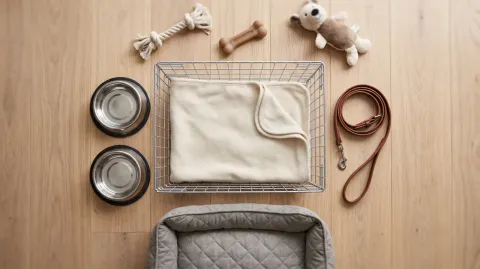
Leash training a puppy, from first steps to real walks
A puppy's first collar and lead should feel like nothing at all. The gentle, reward-based route from wearing the gear indoors to a calm walk outside, and what to do differently for a natural puller.
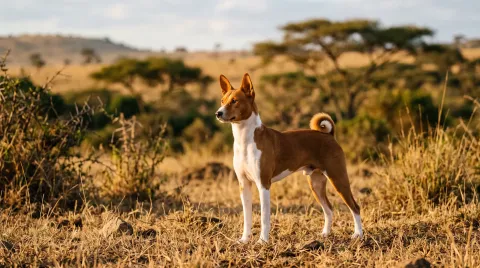
Which dog breeds are actually ancient?
Genetics keeps naming the same handful of breeds as “ancient” — but that word means isolated from the Victorian breed factory, not unchanged since antiquity.