
Pet food quality words, decoded: what the label really promises
Pet food packaging is a wall of quality-sounding words, and only some of them mean anything. A few — like the complete-and-balanced statement — are legally defined and genuinely useful. Many others — holistic, premium, natural — are marketing with little or no regulation behind them. Knowing which is which turns a confusing shelf into a short checklist. This is the honest map of the terms, and where to dig deeper on each. We sell no food and rank no brands here; the goal is simply to let you read a label like the people who write them.
The one claim that actually matters

Before any quality adjective, find the nutritional adequacy statement — usually a small line saying the food is "complete and balanced" for a life stage, formulated to meet the AAFCO profiles (US) or FEDIAF guidelines (Europe). This is the only claim that tells you the food can actually sustain your pet, and it names who it is for: growth/puppy, adult maintenance, or all life stages. A bag with beautiful ingredients but no adequacy statement is a supplement or a treat, not a diet. Everything else on the pack is secondary to this one line — so read it first, every time. We cover it in depth in our guide to the pet food label.
Human-grade vs feed-grade
Human-grade is one of the few quality words with a real definition — and one of the most stretched. For a food to be legitimately human-grade, every single ingredient and the finished product must be edible for people and made in a facility licensed for human food; "feed-grade" is the ordinary standard for pet food, which allows ingredients not intended for the human table. The catch is that the phrase is widely used loosely on packaging and marketing, often for foods that don't meet the strict standard. It is a real distinction worth understanding rather than paying a premium for on trust — the full story is in human-grade vs feed-grade, decoded.
Reading the ingredient list
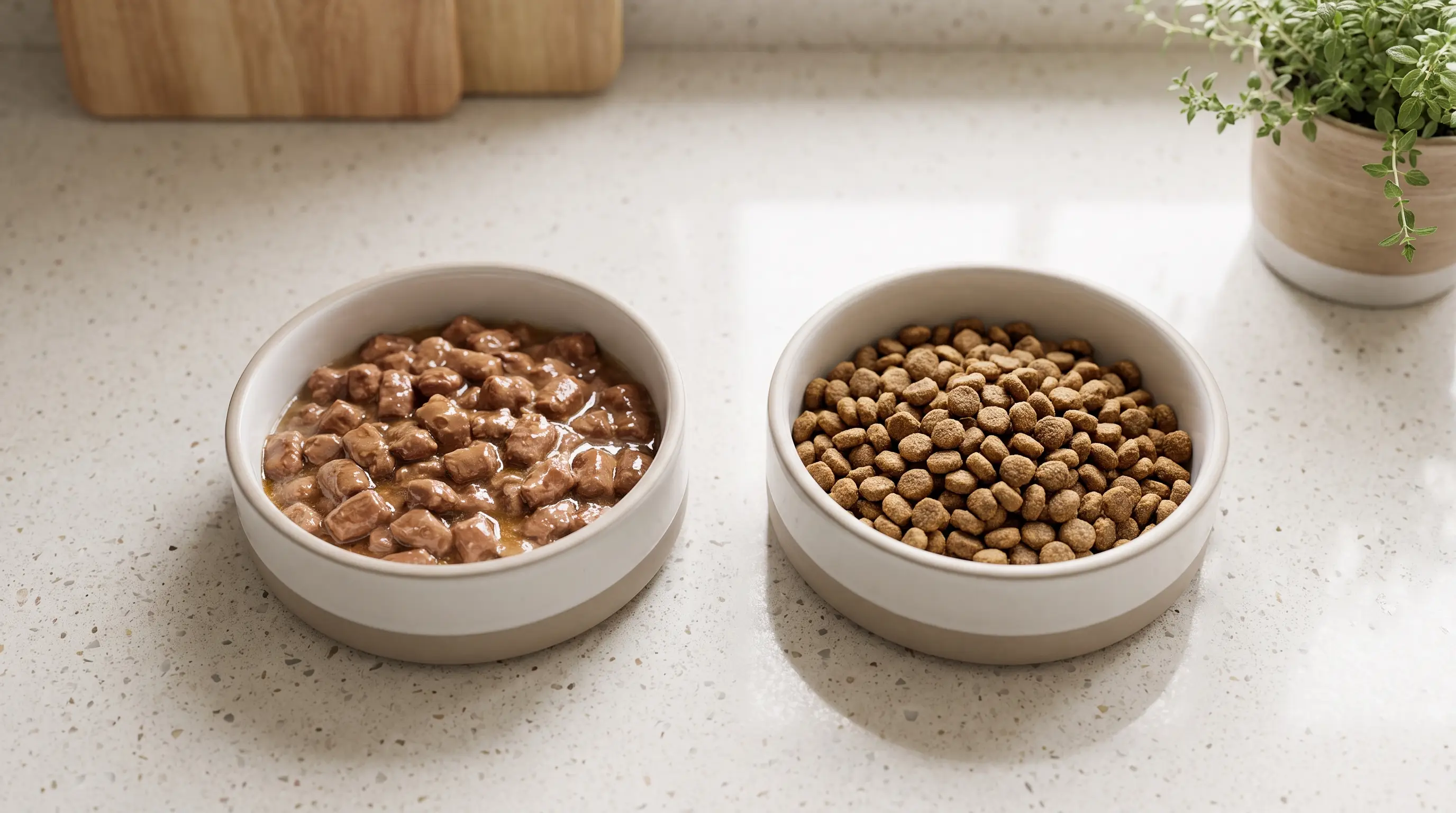
Ingredients are listed by weight, so the order matters — but manufacturers know that, and the list can be gamed. "Chicken" high on the list sounds great, but fresh chicken is ~70% water, so after cooking it may contribute less than a "chicken meal" listed lower down. Watch for ingredient splitting, where one ingredient (say, peas) is split into pea protein, pea fibre and pea starch so each lands lower than the meat, and learn the difference between a named meat, a named meal, and an unnamed by-product. None of these are automatically bad — meal and by-products can be nutritious — but reading them honestly is a skill. We break it down in meat, meal and by-product.
The words that mean almost nothing
Several of the most reassuring words on the shelf are barely regulated. Holistic has no legal definition in pet food at all — any product can use it. Premium, super-premium and gourmet are marketing tiers with no required standard, so a "premium" food need not be nutritionally superior to a plain one. Natural does have a loose AAFCO definition (broadly, no artificial preservatives, colours or flavours) but it is not the same as organic and says nothing about quality or nutrition. Organic is the exception among the buzzwords — it is certified (USDA in the US, EU organic logo in Europe) and legally meaningful. Treat holistic, premium and gourmet as decoration; treat natural and organic as specific, limited claims. Organic, natural and holistic get their own honest comparison in a companion guide (coming soon).
Single-protein and 'limited ingredient'
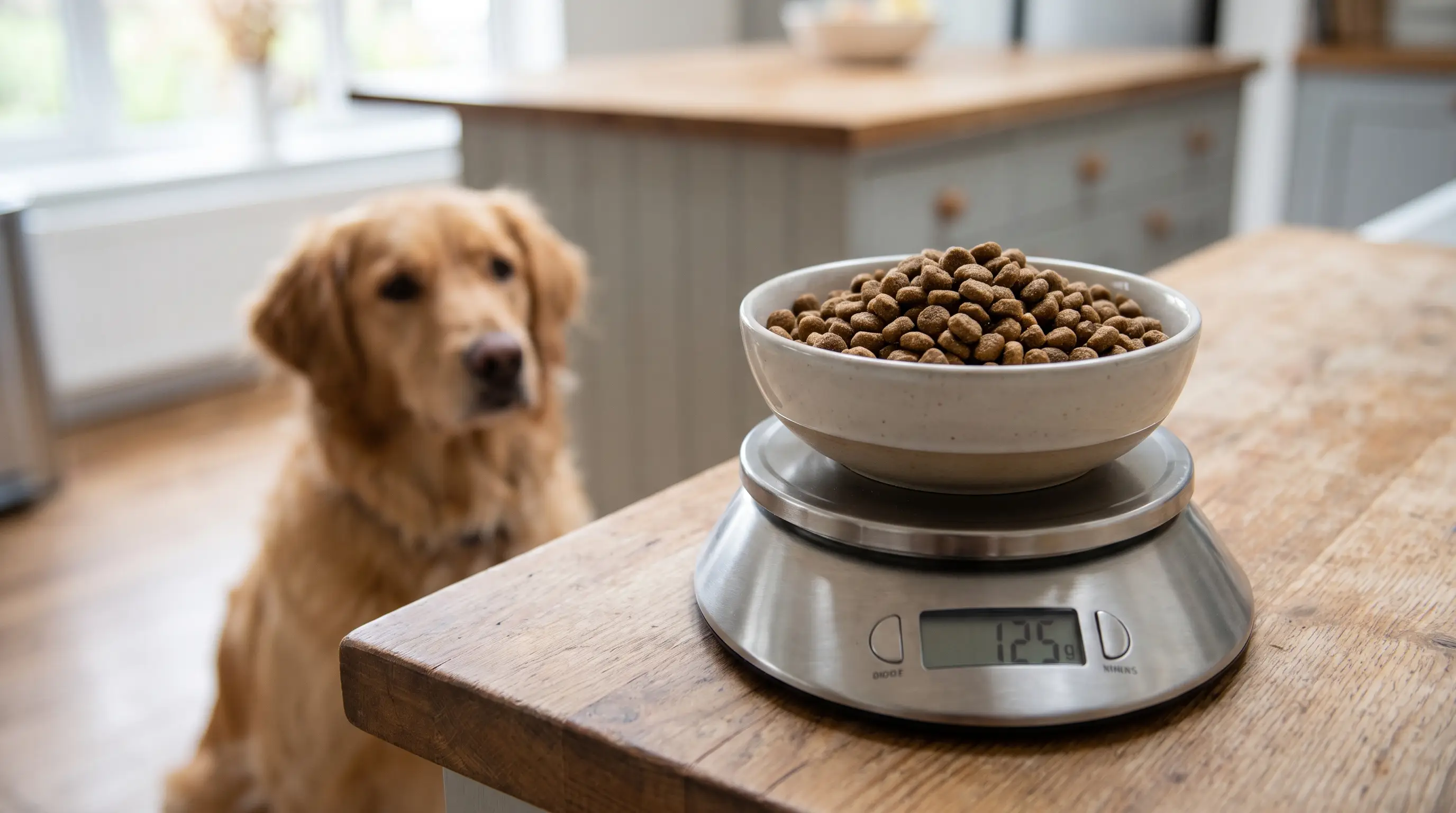
Single-protein and limited-ingredient diets (LID) are genuinely useful — for the specific job of investigating food allergies and intolerances, where a novel or single protein helps run an elimination trial with your vet. For the average healthy pet with no diagnosed sensitivity, a limited ingredient list is not inherently higher quality, just simpler, and paying a premium for it "to be safe" is usually unnecessary. The value is in the diagnostic use, not the label. If itching, ear infections or tummy upset are the reason you're reading labels, that's a conversation with your vet about a proper food trial, not a purchase to make on a hunch. A dedicated guide to single-protein and LID diets is on the way. When you've decoded the words, the last step is just how much to put in the bowl — our food calculator handles that.
Common questions
What is the most important thing to check on pet food?
The nutritional adequacy statement — the line saying the food is "complete and balanced" for a life stage, meeting AAFCO (US) or FEDIAF (Europe) standards. It is the only claim that confirms the food can sustain your pet, and it tells you who it is for. A food without it is a treat or supplement, not a diet.
Does 'human-grade' pet food actually mean anything?
Yes, but it is strictly defined and loosely used. Legitimately human-grade means every ingredient and the finished product is edible for people and made in a human-food facility, unlike ordinary feed-grade. The phrase is often used loosely on marketing, so it's worth understanding rather than paying a premium for on trust.
Is 'holistic' or 'premium' pet food better?
Not necessarily. Holistic has no legal definition in pet food and any product can use it. Premium, super-premium and gourmet are marketing tiers with no required standard, so they need not be nutritionally superior. Judge a food by its adequacy statement and ingredients, not these words.
What does 'natural' mean on pet food?
Natural has a loose AAFCO definition — broadly, no artificial preservatives, colours or flavours — but it is not the same as organic and says nothing about overall quality or nutrition. Organic, by contrast, is certified (USDA or the EU organic logo) and legally meaningful.
Are limited-ingredient or single-protein diets higher quality?
Not inherently. Their real value is diagnostic — a single or novel protein helps run an elimination trial for suspected food allergies with your vet. For a healthy pet with no diagnosed sensitivity, a limited ingredient list is simply simpler, not automatically better, and rarely worth a premium on its own.
How can I tell good pet food from marketing?
Ignore the unregulated buzzwords (holistic, premium, gourmet), find the complete-and-balanced adequacy statement for the right life stage, read the ingredient list knowing it can be gamed, and understand the few terms that are defined — human-grade, natural and organic. The label rewards a short checklist more than a big budget.
More in Dogs
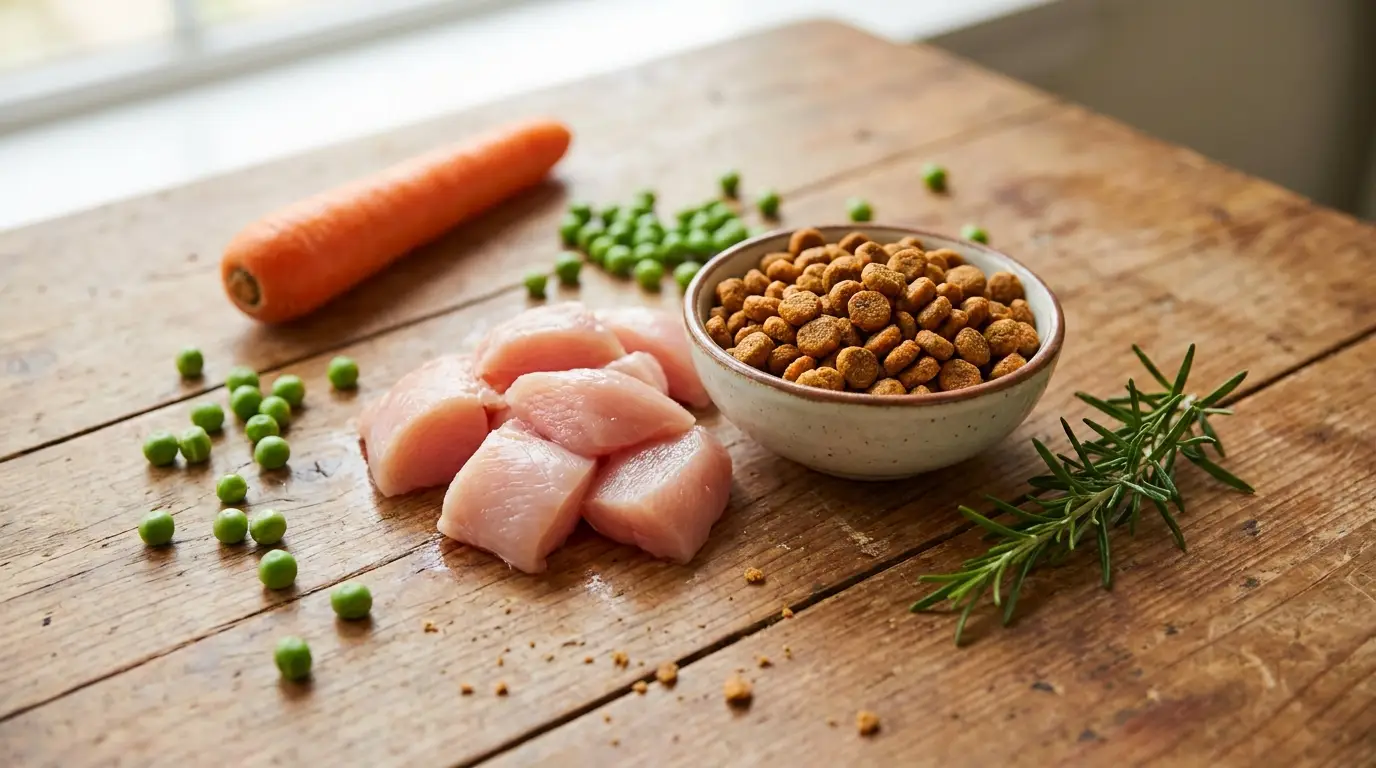
Reading the pet food ingredient list: meat, meal and by-product
'Chicken' first isn't the win it looks like, and 'by-product' isn't the villain. How to read an ingredient panel the way the people who write it do.
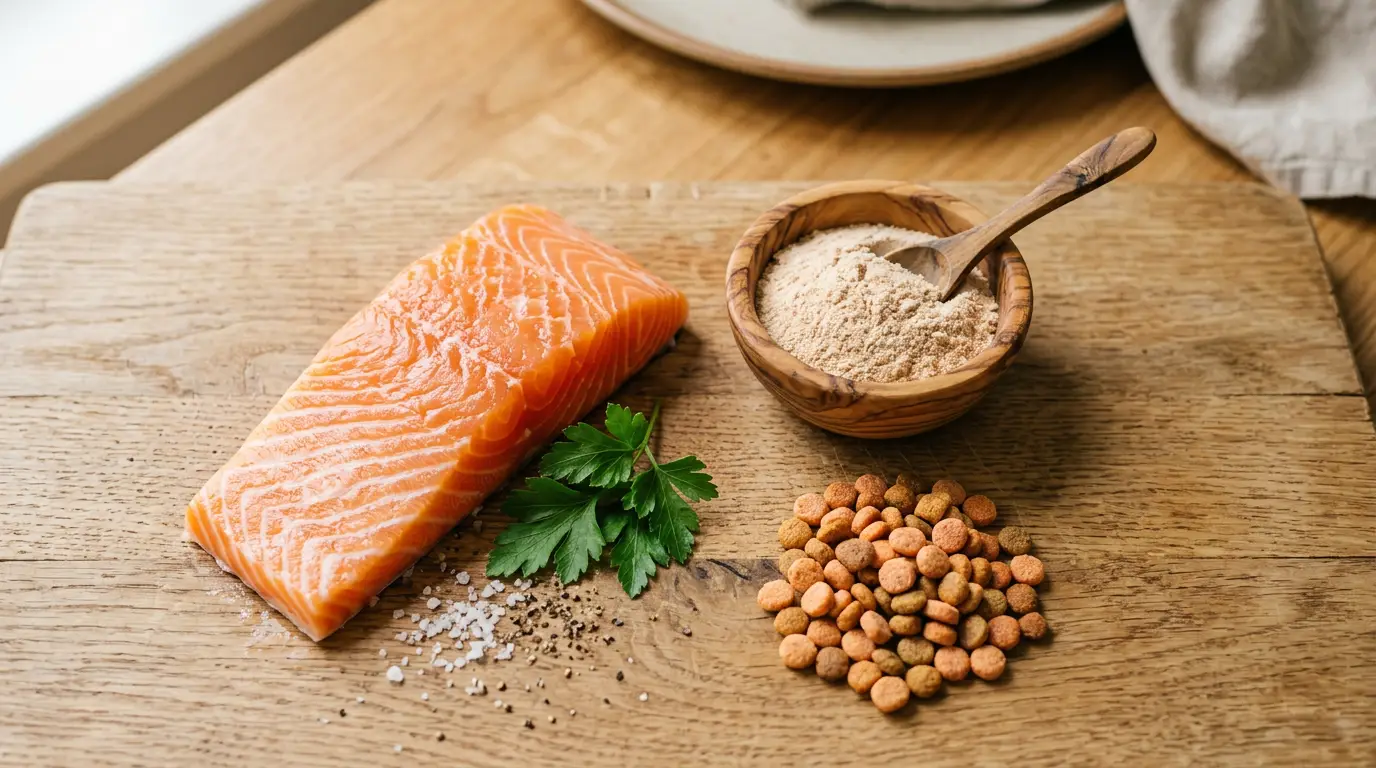
Human-grade vs feed-grade pet food, decoded
'Human-grade' is one of the few pet-food terms with a legal meaning — and one of the most stretched. Here's what it really requires, and whether it's worth paying for.

Hydration for dogs and cats: why it matters, and why cats barely drink
Cats are built to run a little dry, and it quietly damages their kidneys and bladder. How much water dogs and cats really need, and how to get more into a reluctant drinker.