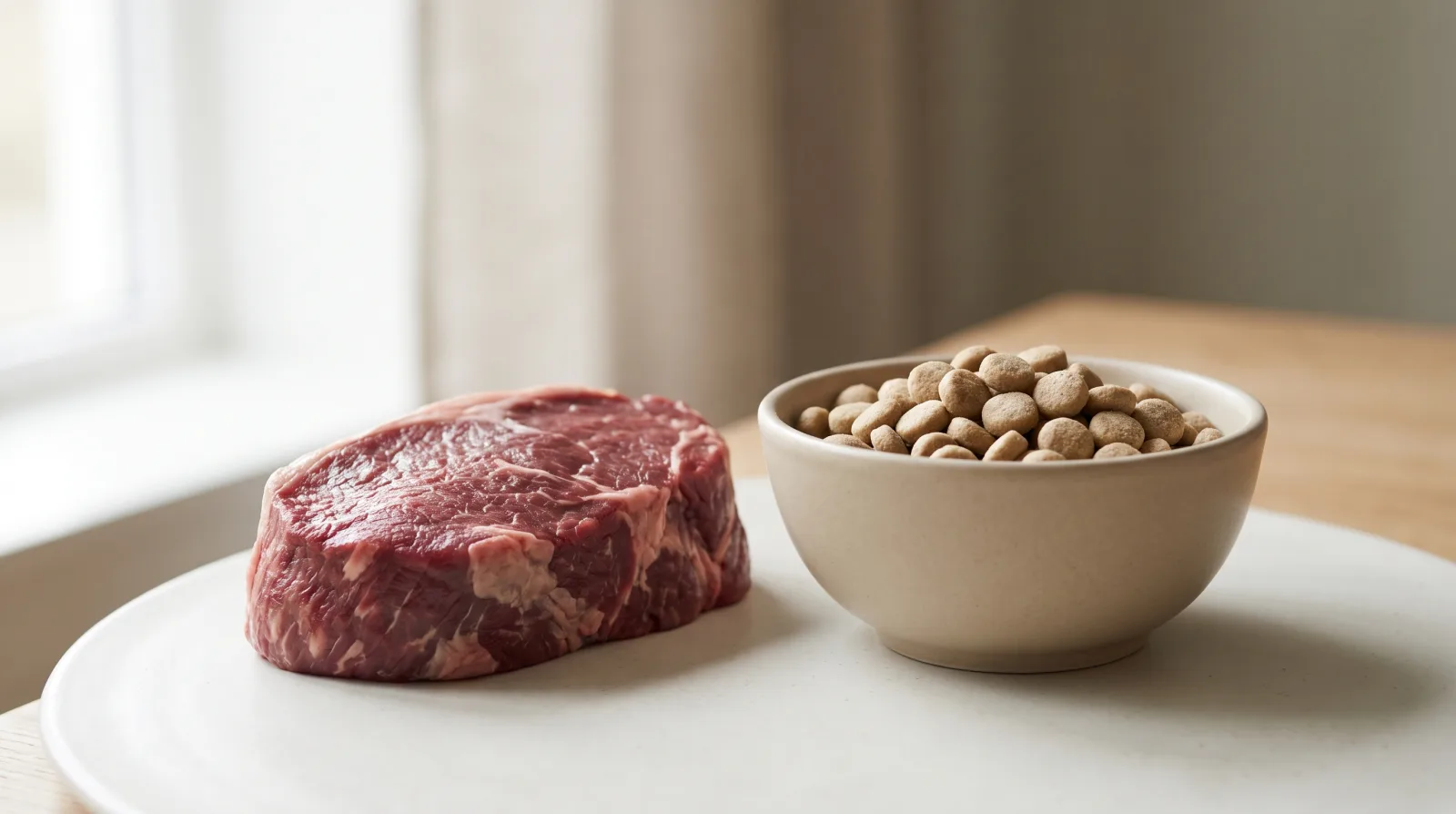
Single-protein and limited-ingredient dog food: when it helps
Limited-ingredient and single-protein foods have one genuinely useful job, and it isn't 'cleaner' everyday feeding. Their real value is diagnostic: a single novel or hydrolysed protein, fed strictly, lets a vet run an elimination trial to pin down a food allergy. For a healthy pet with no diagnosed sensitivity, a short ingredient list is simply simpler — not better — and 'limited ingredient' isn't even a regulated term, so the words alone promise very little. Here is what these diets are actually for, and how a real food trial works.
What 'limited ingredient' actually means (and doesn't)
Almost nothing, on its own. 'Limited ingredient diet' (LID) is not a regulated term: there's no legal limit on how many ingredients count as 'limited', no rule about which ones, and no guarantee the food contains a single protein. Each maker defines it however it likes. A marketing LID is a different thing from a true limited-antigen diet — ideally one protein source and one carbohydrate source — which is what an allergy work-up actually needs. For a healthy pet, fewer ingredients on the label is not a mark of higher quality; it's just a shorter list.
Novel protein vs hydrolysed protein
Two approaches do the diagnostic work. A novel protein is one your pet has never eaten — rabbit, venison, kangaroo, duck — so the immune system hasn't been sensitised to it and can't react. A hydrolysed protein is an ordinary protein broken enzymatically into fragments too small for the immune system to recognise. Both are valid for a trial, and vets increasingly reach for hydrolysed (or amino-acid) diets, because truly novel proteins are getting hard to source and a 'novel' protein can still cross-react with a common one the pet already knows.
The elimination trial: the only reliable allergy test
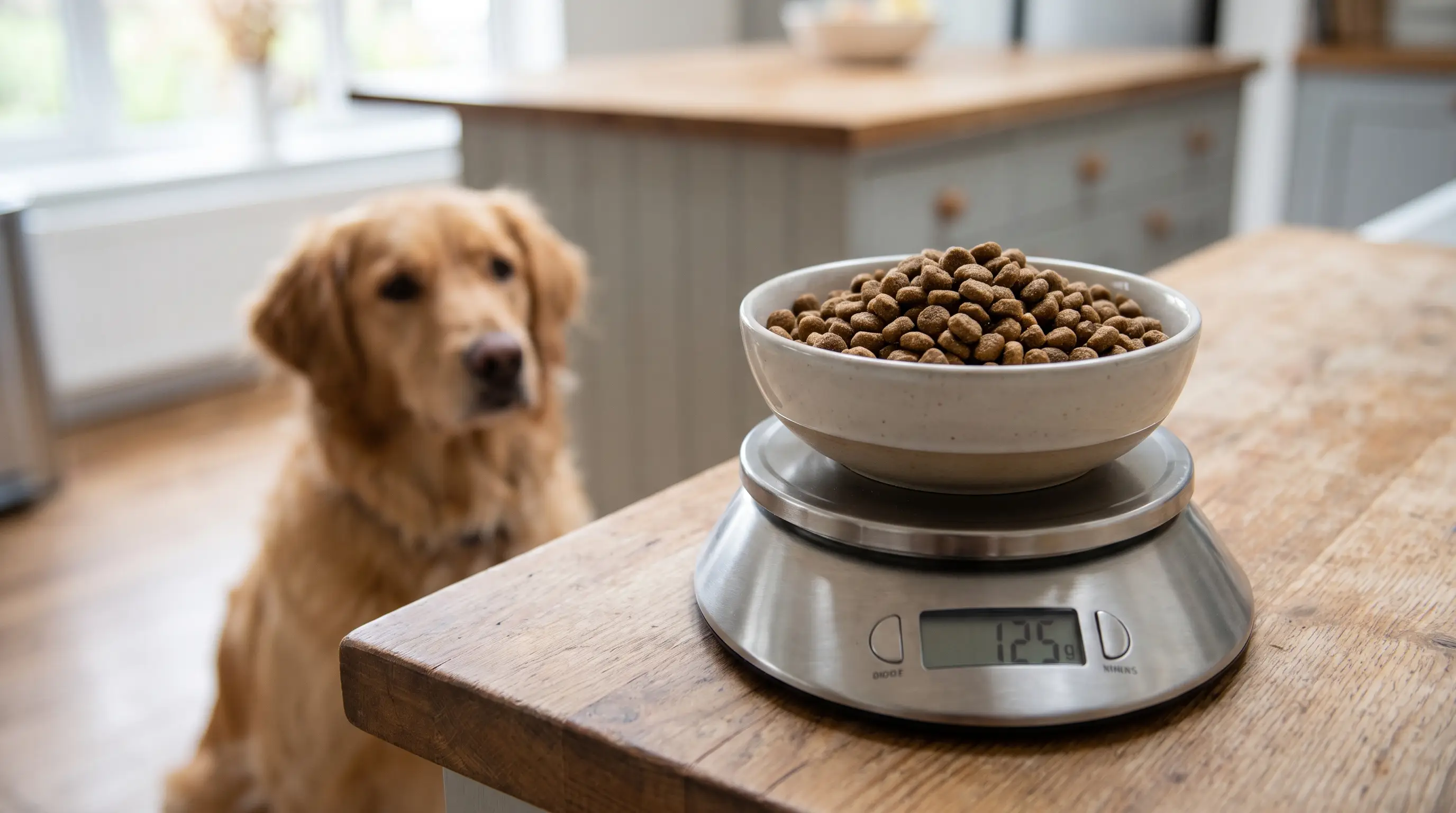
Here is the part owners underestimate. The gold standard for diagnosing a food allergy is an elimination trial: feed only a single novel or hydrolysed protein for about 8 to 12 weeks for skin signs, and nothing else by mouth — no treats, table scraps, dental chews, or flavoured medications. A single lapse can invalidate the whole trial. If the signs clear, you confirm it with a rechallenge: reintroduce the old food and watch for the signs to return. It's run with your vet from start to finish. And skip the blood, saliva and hair 'allergy tests' sold online — they're unreliable, and a diet trial is the only method that actually works.
Why the trial food should come from your vet

This is the catch that trips up home-run trials. Over-the-counter 'novel protein' and limited-ingredient foods are often contaminated with proteins that aren't on the label: in one analysis of 40 such diets, only 10 matched their own ingredient list, and 23 contained an undeclared animal species. For a normal dinner that hardly matters — but for a diagnostic trial, a hidden protein can quietly ruin the result. That's why vets use a prescription elimination diet made under strict quality control for the trial itself, then move to an ordinary food once the trigger is known.
Do healthy pets need a limited-ingredient diet?
Usually not. True food allergy is relatively uncommon; fleas and environmental allergies cause far more of the itching owners blame on food. And 'grain-free' is not the same as 'hypoallergenic' — most food allergies are to a protein like beef, dairy or chicken, not to grain, so dropping grain rarely fixes anything. If itching, recurring ear infections or a chronically upset stomach are what sent you to the ingredient list, that's a conversation with your vet about a proper food trial, not a premium purchase made on a hunch. Once you and your vet have settled on a food, our food calculator handles the portion.
Common questions
What does 'limited ingredient dog food' mean?
It's a food marketed as having a short ingredient list, usually built around a single protein and a single carbohydrate. But the term isn't regulated — there's no legal definition of how many ingredients count as 'limited' — so it guarantees nothing on its own. Read the actual ingredient list rather than trusting the phrase.
Is limited ingredient dog food better?
Not inherently. For a healthy pet with no diagnosed sensitivity, a shorter list is simply simpler, not more nutritious, and rarely worth a premium. Its real value is diagnostic — helping run an elimination trial for a suspected food allergy — not everyday feeding.
Is a single protein better for dogs?
Only for a specific reason. A single, carefully chosen protein is central to an elimination diet trial for a suspected food allergy. For a dog with no diagnosed sensitivity, a single-protein food offers no proven advantage over a varied complete-and-balanced diet.
How long does an elimination diet trial take?
Usually about 8 to 12 weeks for skin signs, and often a little faster for purely digestive signs. Throughout, the dog eats only the trial diet — nothing else by mouth — and the vet confirms the result with a rechallenge afterwards, so it isn't a quick fix.
Can I use an over-the-counter diet with the same ingredients instead of the vet one?
For the diagnostic trial itself, no. Studies have found many over-the-counter 'novel protein' foods contaminated with undeclared proteins, which can quietly invalidate a trial. Vets use a prescription elimination diet made under strict quality control for the trial, then you can switch to an ordinary food once the trigger is known.
Is grain-free dog food hypoallergenic?
No. Grain-free and hypoallergenic are not the same thing. Most canine food allergies are to a protein — beef, dairy, chicken — not to grain, so removing grain usually doesn't help an allergic dog. A true food allergy needs a vet-run elimination trial, not a grain-free bag.
More in Dogs
Reading the pet food ingredient list: meat, meal and by-product
'Chicken' first isn't the win it looks like, and 'by-product' isn't the villain. How to read an ingredient panel the way the people who write it do.
Human-grade vs feed-grade pet food, decoded
'Human-grade' is one of the few pet-food terms with a legal meaning — and one of the most stretched. Here's what it really requires, and whether it's worth paying for.

Pet food quality words, decoded: what the label really promises
Human-grade, holistic, natural, premium, single protein. Most of it is marketing, some of it is law. Here's what each word actually guarantees — and the one claim that really matters.