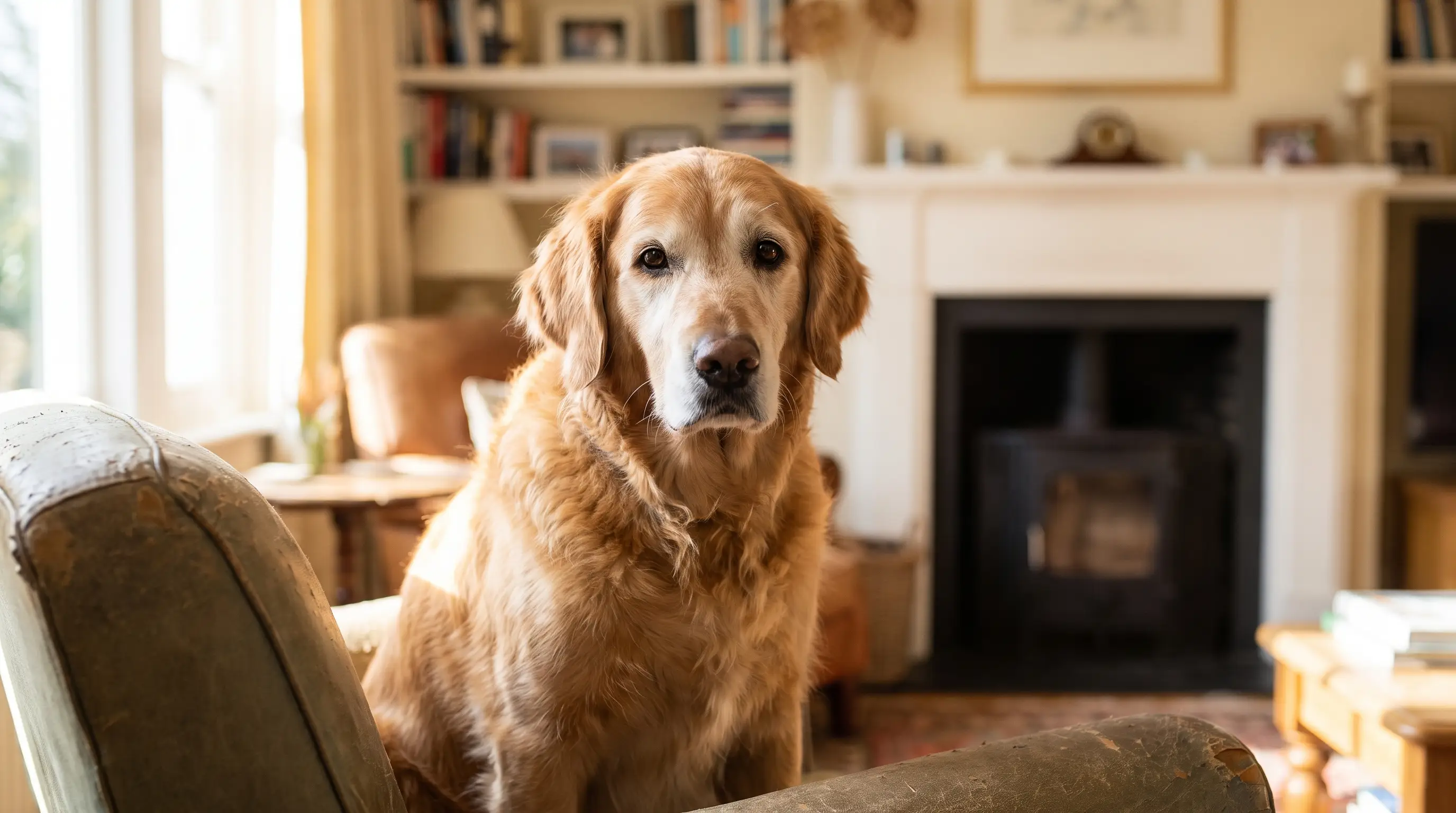
Why adopt an adult dog instead of a puppy
Adopt an adult dog when you want to know what you're getting and skip the hardest early work. With a grown dog, the size, coat, energy and temperament are all in front of you on the day you meet, so there's none of the guessing about how an eight-week-old puppy will turn out. Many adults are already house-trained and long past the chewing and the night-waking too. Puppies are wonderful if you have the time and genuinely want to raise one from scratch, but for most homes an adult dog is the calmer, easier choice.
A known quantity
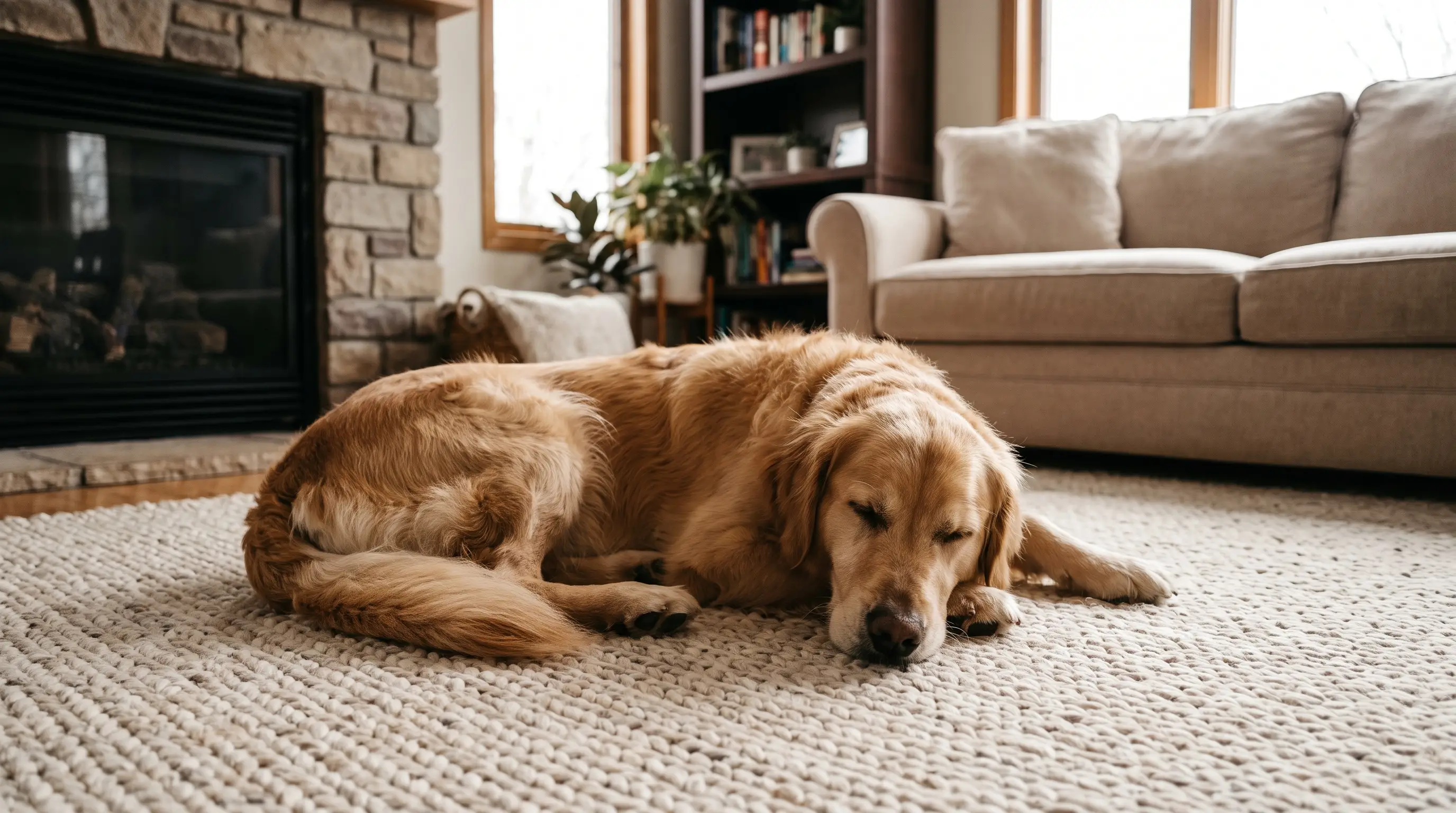
The clearest reason to adopt an adult is that what you see is what you get. A grown dog is already its full size, its coat has finished coming in, and its energy and temperament have settled into who the dog actually is. You can meet a calm dog and know it's calm, or meet a lively one and know you'll be walking a lot, instead of hoping an eight-week-old puppy tips the way you want. Size alone catches people out: a fluffy pup can grow into a 40-kilo dog that no longer fits the flat or the budget you planned around.
A puppy, by contrast, is mostly a forecast. Breed gives you a rough idea of adult size and character, and our breed profiles lay out what to expect, but individual dogs vary widely within any breed, and most shelter dogs are mixes whose grown-up shape is genuinely hard to call. Shelter and foster staff have usually lived alongside an adult dog for weeks, so they can tell you how it is with children, cats, being left alone and stairs. That's real information you can hold up against your own life, not a hopeful bet on how things might go.
Often past the hardest work
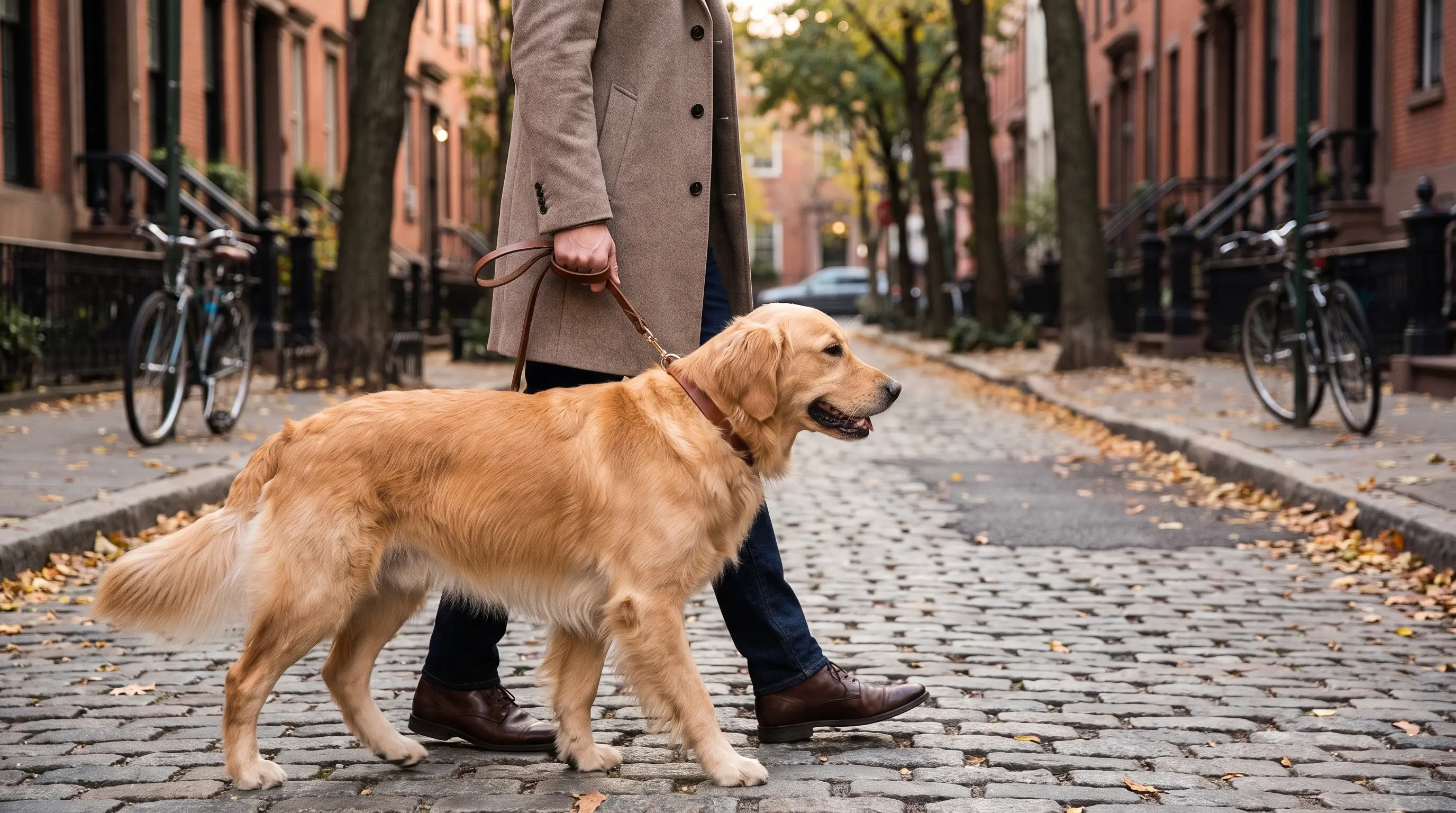
Many adult dogs arrive already house-trained and through the stages that make puppies exhausting. A grown dog that has lived in a home before usually knows to toilet outside, sleeps through the night, and finished teething long ago, so you skip the chewed shoes, the repeated 3am garden trips and the needle-sharp nipping that comes with a mouthful of puppy teeth. For anyone who has raised a puppy before, that alone is often reason enough to choose an adult the second time round.
None of this is guaranteed, and it's fair to check rather than assume. Ask the shelter whether the dog is house-trained and how it copes when left alone, because a dog that lived outdoors or in kennels may need a short refresher on both. Even then, an adult picks up a house routine far faster than a puppy meeting it for the first time. A young puppy needs toilet breaks every couple of hours around the clock for weeks on end; most adults just need a few days to learn where the door is and when the walks happen.
Calmer, and easier to slot in
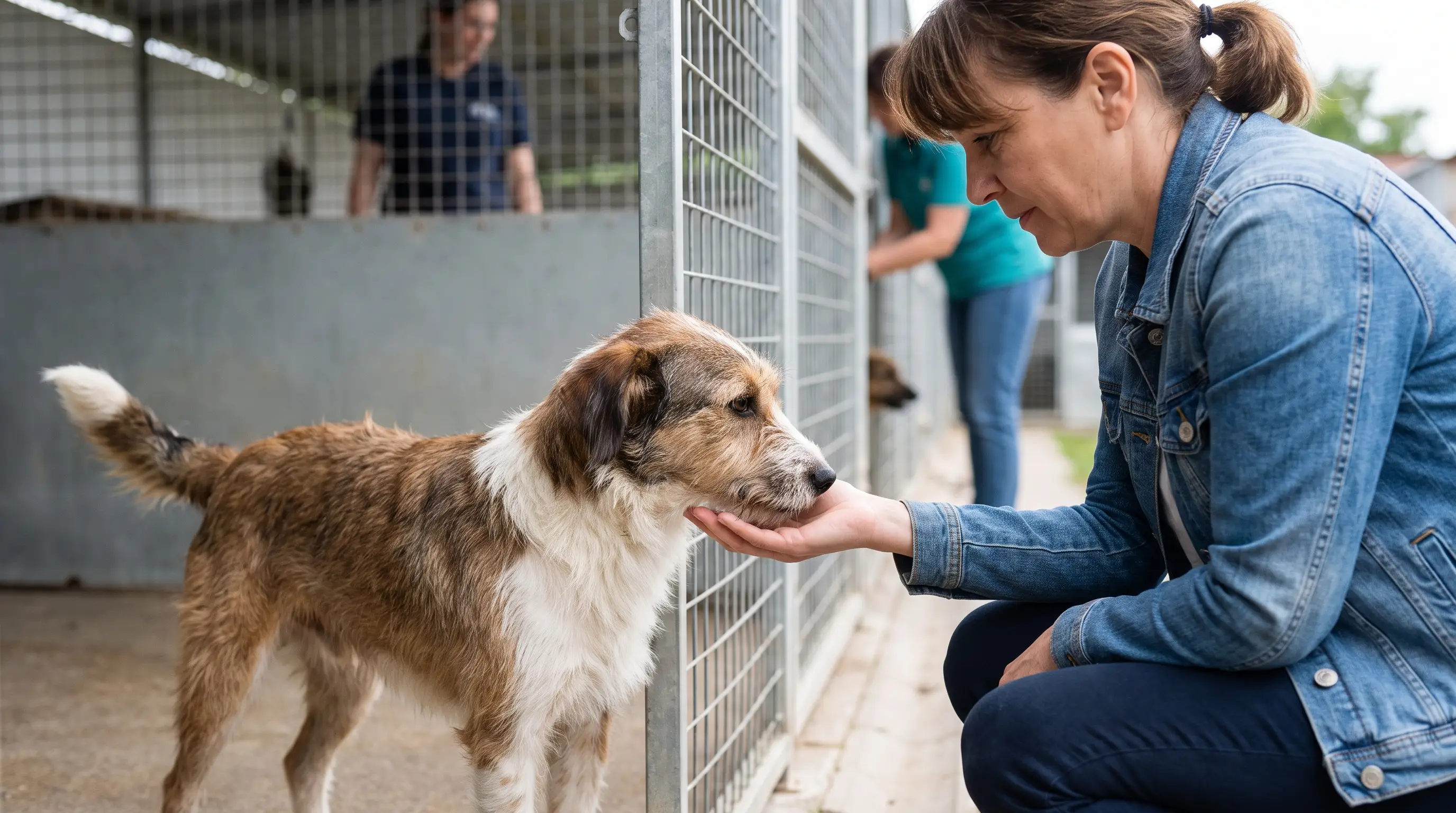
An adult dog's steadier energy makes it far easier to fit into a full life. Puppies need near-constant supervision, small frequent meals, careful limits on exercise while their joints grow, and a lot of hands-on training in the first months, all of which is hard to give when you work full days or have young children underfoot. An adult is usually content with a decent walk, some company and a predictable rhythm to the day, which is a much gentler fit around a job and a family.
That calmer baseline suits first-time owners, smaller flats and older adopters especially well. You still need to help a new dog settle, and a fair guide for the pace of that is the 3-3-3 rule: roughly three days to decompress, three weeks to learn your routine, and three months to feel at home. But you're settling a dog whose personality is already there to be met, not raising and shaping one from the ground up, so the early weeks tend to be quieter and a good deal more forgiving of the odd mistake.
The myths, honestly
The three big worries about adult dogs mostly don't hold up, though each deserves a straight answer. Take "they won't bond with me," the most common one: it isn't true. Dogs form deep attachments at any age, and plenty of adopters find a grown dog that's finally been given a stable home seems to understand that and bonds hard within a few weeks. It never needed to have known you as a puppy to become your dog.
"They come with baggage" has a grain of truth worth handling openly. Some adult dogs do arrive with a fear or a habit shaped by their past, and it's honest to expect that. But most issues, lead-pulling, shyness with strangers, not knowing basic cues, are manageable with patience and a steady routine, and a good shelter will usually tell you upfront what a particular dog struggles with. As for "you can't teach an old dog new tricks," that one is simply wrong: adult and even senior dogs learn well, often faster than puppies, because they concentrate for longer and aren't teething or bouncing off the walls while you try to work with them.
When a puppy is still the right call
A puppy is the right choice when you specifically want to raise a dog from the very start and have the time to do it properly. If it matters to you to guide a dog's early socialisation yourself, or you want the full stretch of years a young dog gives you, or you need a reasonably predictable adult for a working or sporting role, then a puppy makes sense, as long as you can give those first months the supervision and training they genuinely demand.
Be honest with yourself about that time, because it's real. A puppy is a full-on commitment for the better part of a year, and going in underprepared is one of the ways dogs end up back in shelters. If you're set on a puppy, adopting one is still an option; plenty of shelters and rescues take in litters, and adopting from a shelter walks through how the process works. For everyone else, an adult dog offers most of the joy with far less of the hard early work.
Common questions
Is it better to adopt an adult dog or a puppy?
It depends on your time and what you want, but for most homes an adult is the easier choice. A grown dog shows you its real size and temperament from the start and is often already house-trained and past the chewing stage. A puppy suits people who want to raise a dog from scratch and can give the first year real time, supervision and training.
Do adult dogs bond with new owners?
Yes. Dogs form strong attachments at any age, and an adult dog usually bonds with a new owner within a few weeks of settling in. It doesn't need to have known you as a puppy. Many adopters find that a grown dog given a calm, stable home attaches quickly and deeply once it trusts that the home is permanent.
Are adopted adult dogs already house-trained?
Often, but not always, so ask before you assume. A dog that has lived in a home before is usually house-trained already. One that came from kennels, the street or a neglectful situation may need a short refresher, which an adult picks up far faster than a puppy learning it from scratch. The shelter can usually tell you where the dog is up to.
What are the downsides of adopting an adult dog?
You may not know its full history, and some adults arrive with a fear or a habit from their past, such as lead-pulling or shyness with strangers. You also get fewer years together than with a puppy. Most issues are manageable with patience and a routine, and a good shelter will tell you upfront what a particular dog needs help with.
Can you train an older dog?
Yes. The saying that you can't teach an old dog new tricks is a myth. Adult and even senior dogs learn well, often faster than puppies, because they concentrate for longer and aren't distracted by teething or endless energy. Reward-based training with short, consistent sessions works at any age.
How long does it take an adult dog to settle in?
Most adult dogs start to relax within a few weeks and feel fully at home by around three months, a pattern often called the 3-3-3 rule: about three days to decompress, three weeks to learn your routine, and three months to settle. Dogs from frightening or neglectful backgrounds can take longer, so treat it as a guide rather than a deadline.
More in Dogs
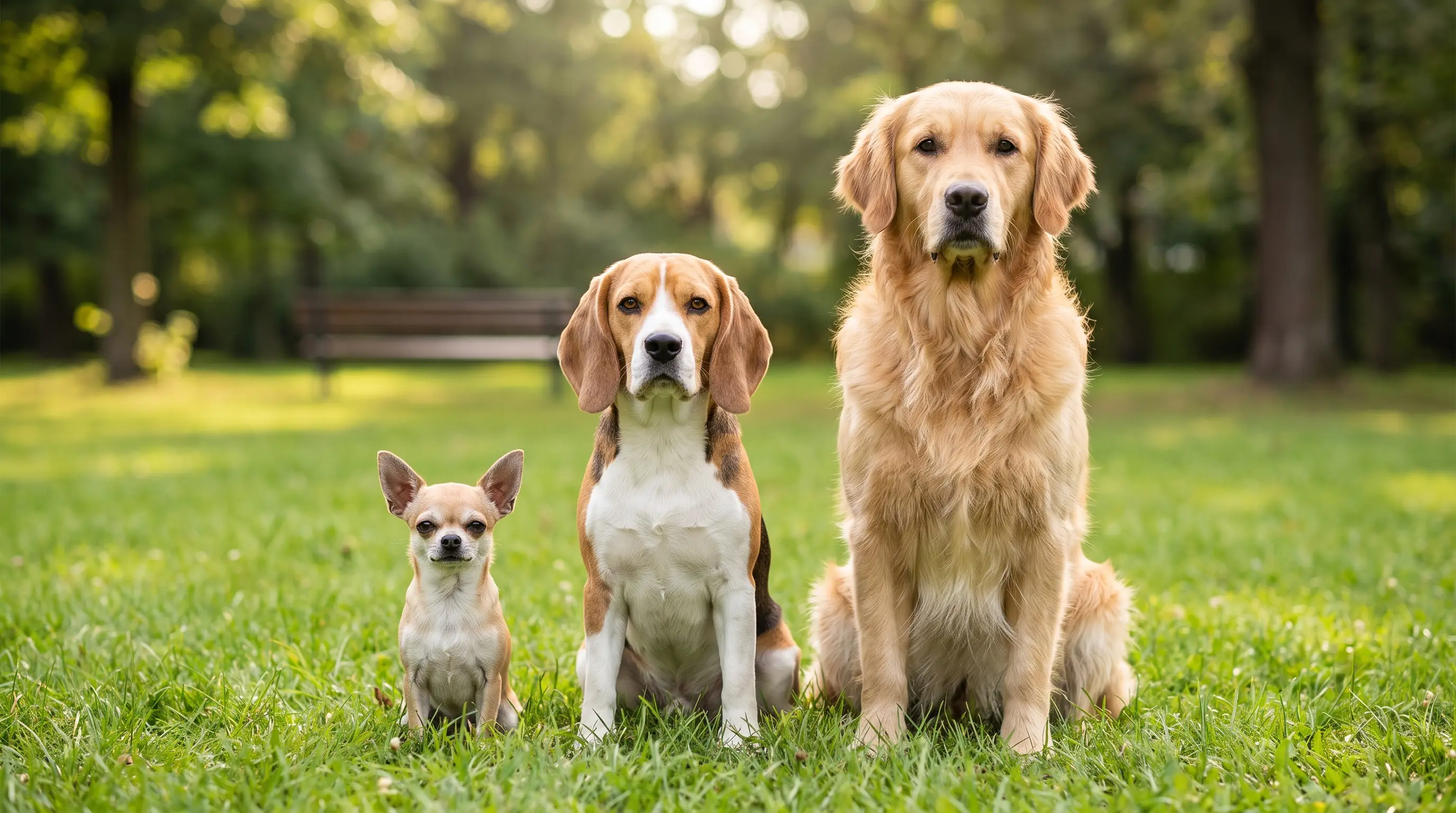
Small, medium or large? Choosing a dog's size
Size sets food bills, strength on the lead and lifespan, but not energy. Match a dog's temperament first, then choose small, medium or large.
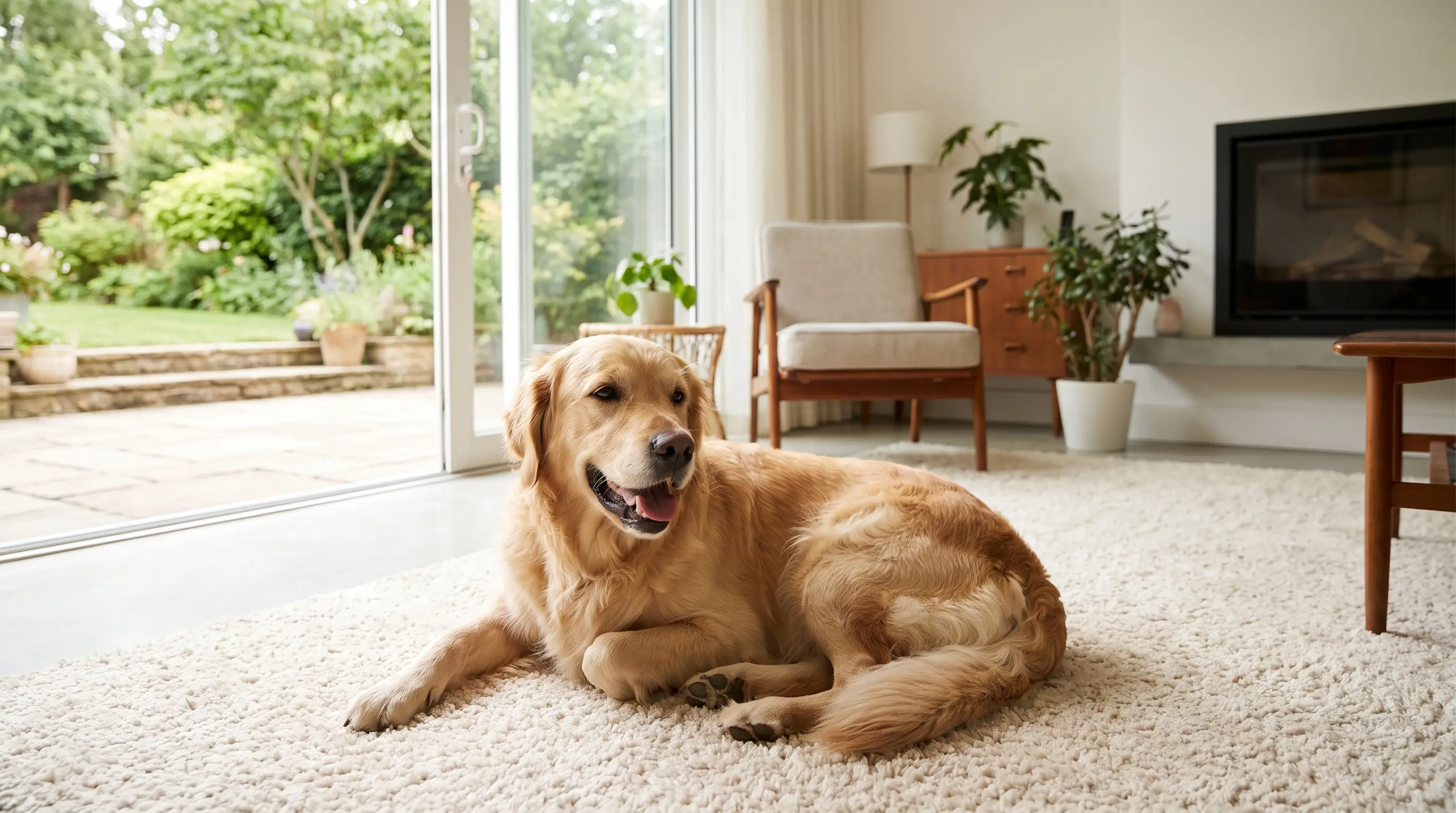
Dog-proofing your home and garden
Dog-proof your home and garden before you adopt: fix indoor hazards, secure the fences and gate, clear toxic plants, and set up the dog's own space.
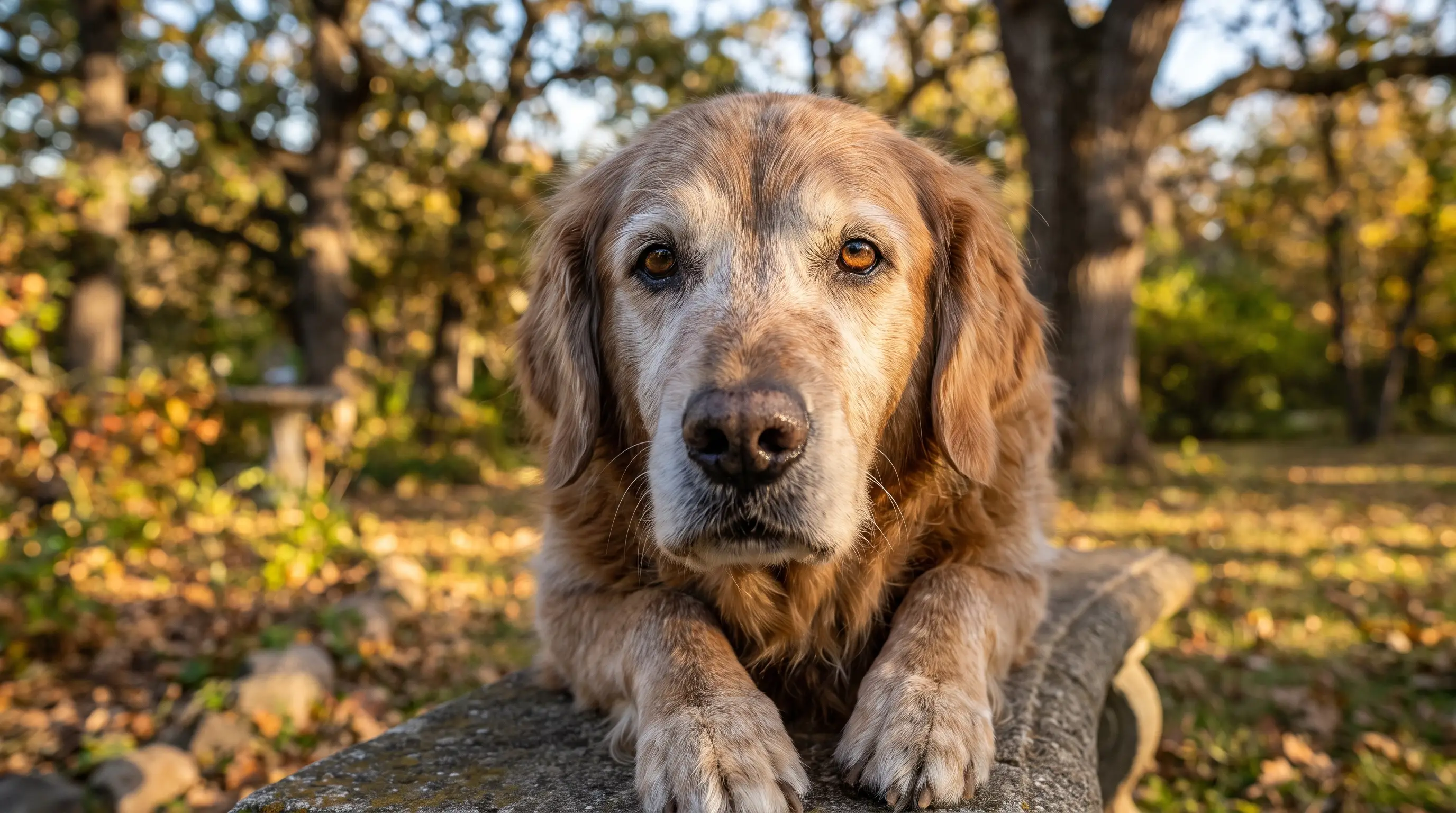
Adopting a senior dog or cat
What to expect when you adopt an older dog or cat: the calm, the fast bond, the vet planning, and the honest trade-off of less time.