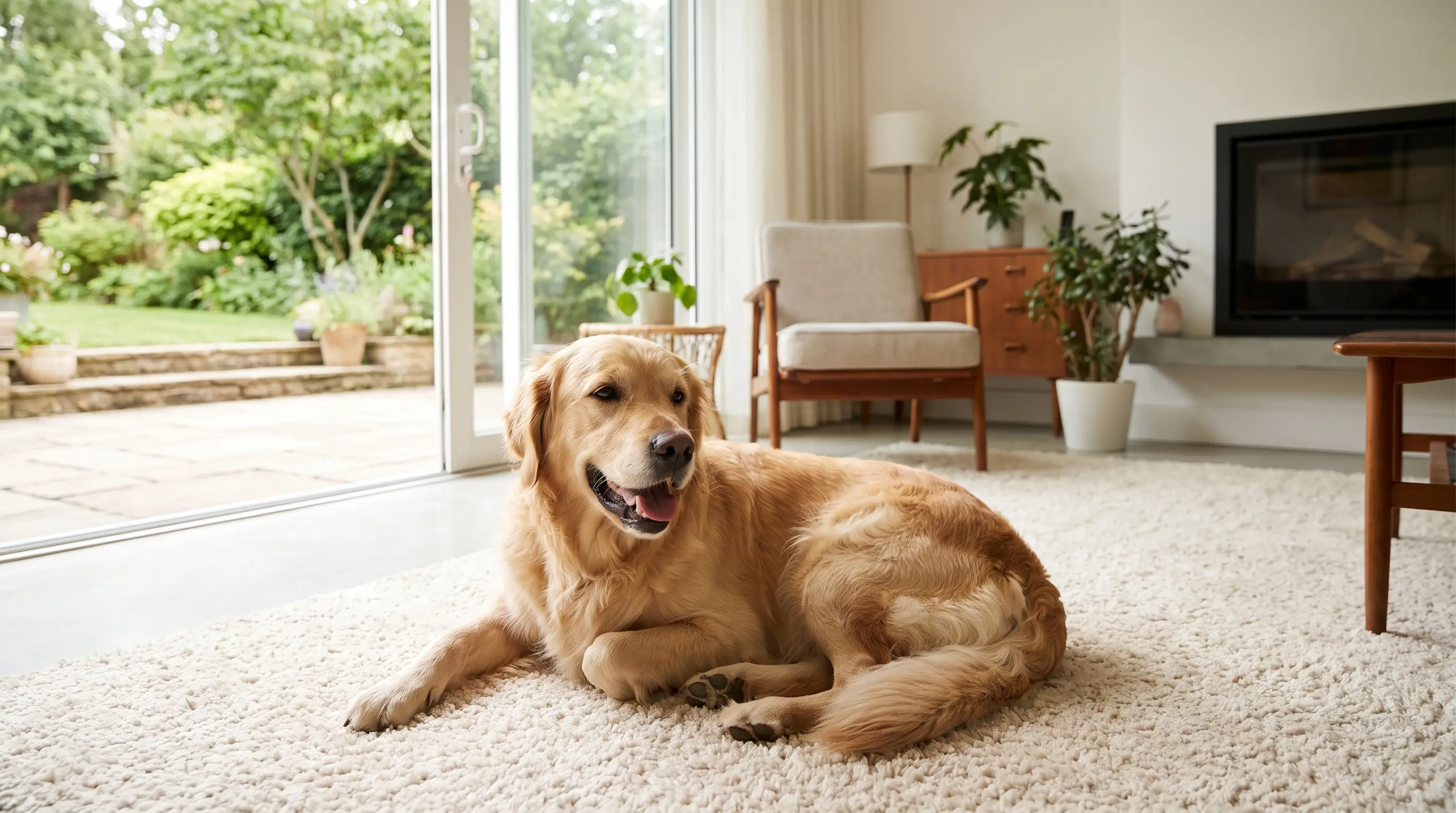
Dog-proofing your home and garden
Dog-proof your home and garden before the dog arrives, not after, because the safest first day is one where nothing on the floor, in the borders or behind the bins can hurt a curious new dog. It takes an afternoon: get down to a dog's eye level indoors and clear the hazards, secure the fence and gate outside and pull out any toxic plants, then set up a space that's the dog's own from the start. Sort the rules with the household before day one, and you can spend those first days settling your new dog in rather than chasing it away from trouble.
Get down to their level
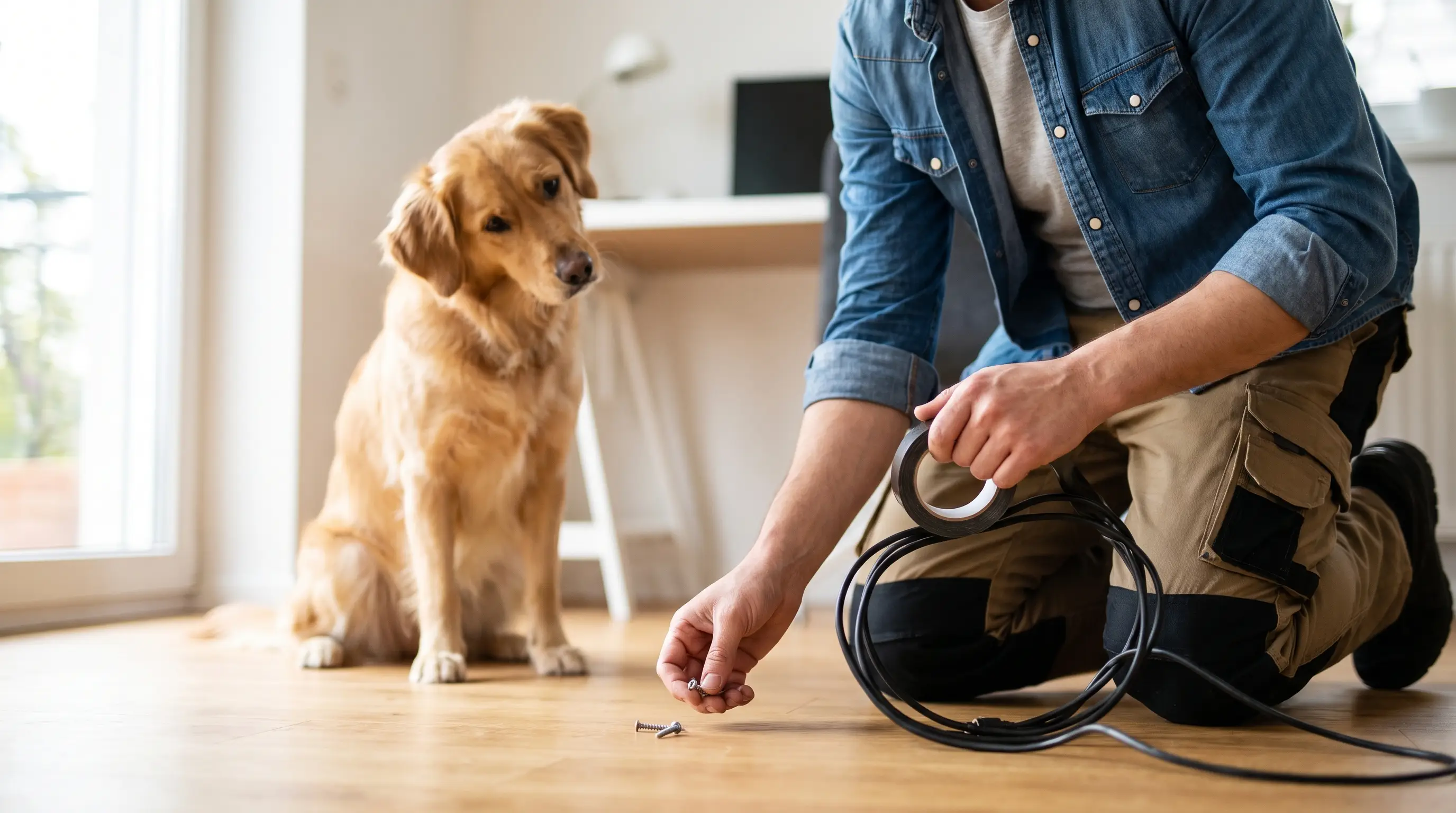
The fastest way to find the indoor hazards is to kneel on the floor and look at each room from about knee height, because that is roughly where a dog's nose lives. From down there you spot the trailing lamp and charger cords a bored dog will chew, the coins, hair ties, children's toys and stray socks that are small enough to swallow, and the gaps behind the sofa or the washing machine where a dog can wedge itself. Tape cords down or run them behind furniture, pick the small stuff up off the floor, and shut the low cupboards a nose can nudge open.
Then deal with the things that actually poison. Move household cleaners, laundry pods and any medicines, human or pet, into a high or locked cupboard, since many are dangerous in tiny amounts and a determined dog will find the low ones. Fit a lid or a latch on the kitchen and bathroom bins, because a raided bin is one of the most common ways a dog swallows something it shouldn't. A lot of everyday food is toxic to dogs too, so learn the list in which foods are toxic to dogs before you have a scavenger in the house.
Make the garden secure
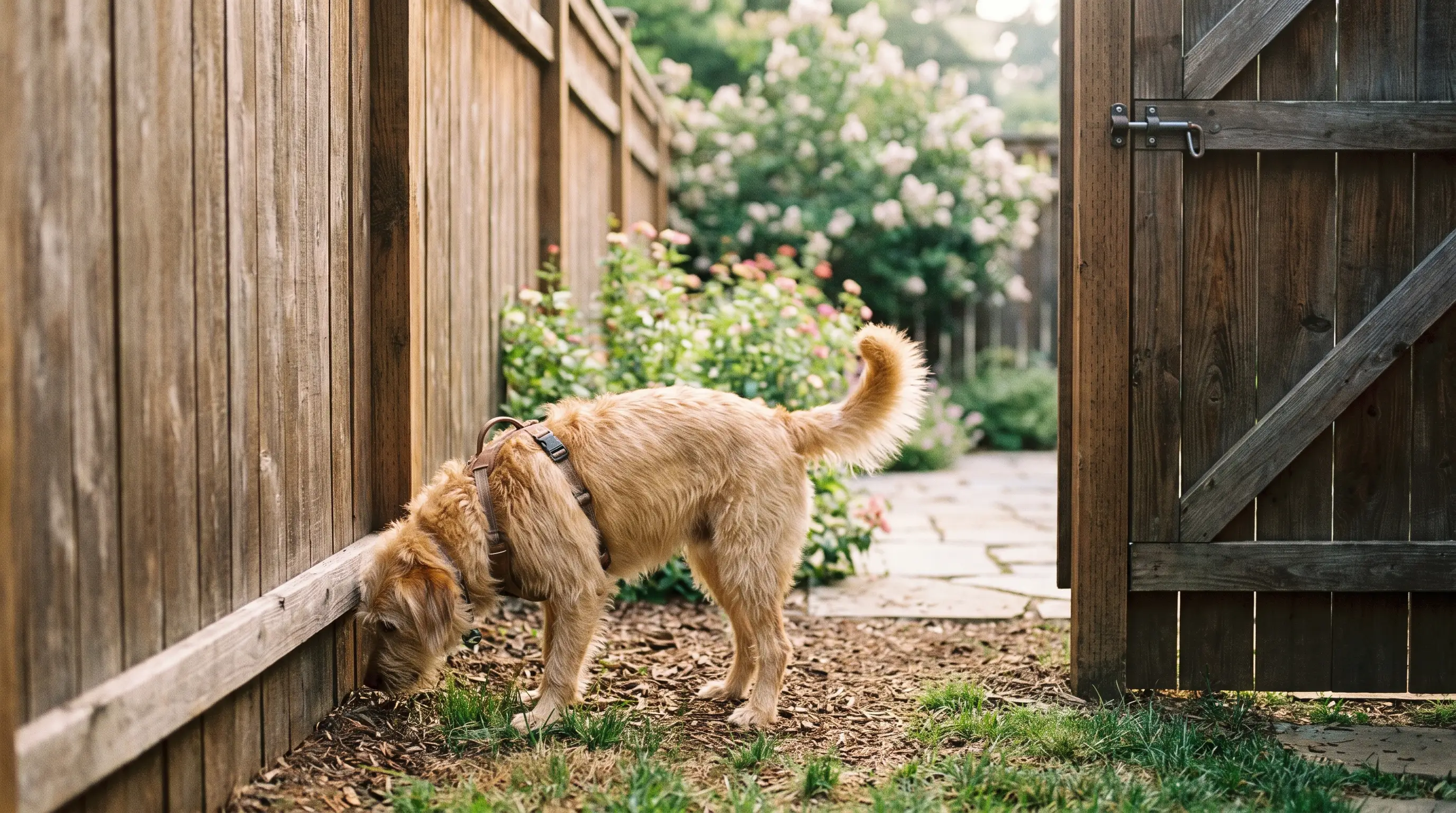
Walk the whole garden boundary before the dog comes home and fix anything it could get through, because a frightened new dog will test every weak point on day one. Look low and look for gaps: a loose fence panel, a space under the gate, a hole where a fox already digs, a hedge with a dog-sized gap in the base. Dogs slip through smaller spaces than you'd think, and many will dig under a fence rather than go over it, so check that the barrier meets the ground the whole way round. How high and how solid it needs to be depends on the dog; a small terrier and a tall, athletic breed need very different fencing, and our breed profiles give a sense of size and drive before you choose.
Fit the gate with a spring or a self-closing hinge and a latch that actually catches, so a visitor or a child can't leave it swinging open. Then walk the borders and take out the plants that are poisonous to dogs. Common garden ones include foxglove, lily of the valley, oleander, yew and daffodil bulbs, and puppies in particular will chew a leaf or dig up a bulb out of pure curiosity. If you can't remove a plant, fence that bed off until you know your dog leaves it alone.
Set up their own space
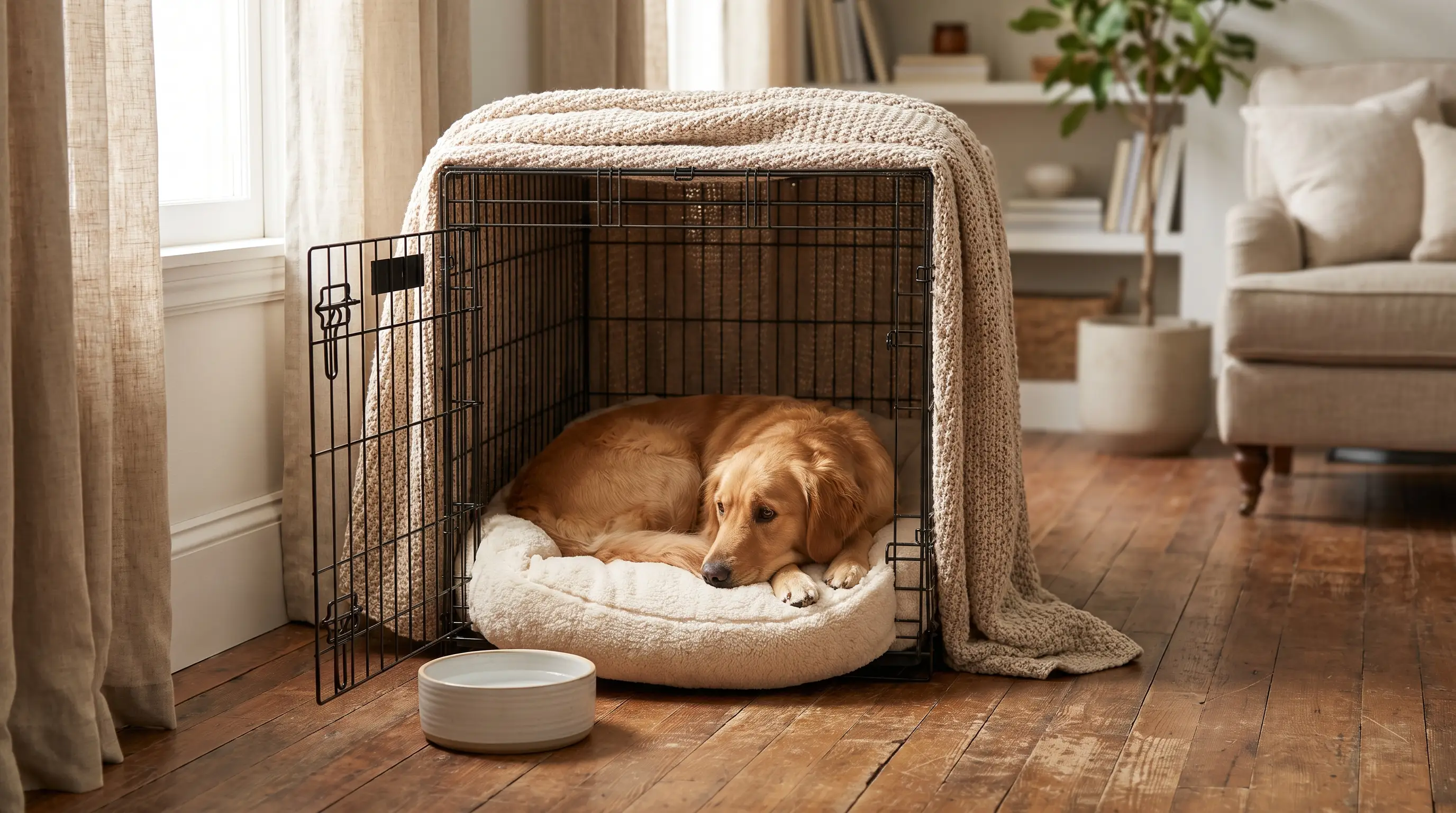
Give the dog a space that is its own from the first day: a bed or a crate, a feeding spot, water it can always reach, and a quiet corner where nobody bothers it. Put the bed or crate somewhere calm and slightly out of the flow of the house, not in the middle of the hallway or right by the front door, so the dog has a retreat when the day gets loud. If you're using a crate, leave the door open and make it comfortable rather than a place it's shut into; it should read as a den, not a cage.
Set the food and water bowls in a low-traffic spot away from where people step over them, and keep water down and topped up at all times. Pick this corner before the dog arrives and don't move it around in the first weeks, because a fixed, predictable base is exactly what helps a nervous animal relax. A tired, unsettled dog that knows where its bed is will calm down far faster than one still working out where it's allowed to be.
Agree the house rules first
Agree the house rules before the dog arrives, not halfway through the first evening with everyone giving different signals. Sit down with everyone in the home and settle the questions that cause the most muddle: is the dog allowed on the sofa or the beds, which rooms are off-limits, who feeds it and when, and whether it's fed anything from the table. Write it down if that helps, because a dog can't learn a rule that changes depending on who's in the room.
Consistency is the whole point. If one person lifts the dog onto the sofa and another shoos it off, the dog just learns that the sofa is sometimes allowed and keeps trying, which is confusing for it and frustrating for you. Use baby gates or closed doors to make the off-limits areas obvious from the start rather than correcting the dog after the fact. It's far easier to relax a rule later than to claw one back once the dog has decided the bed is fair game.
Then take the first days slowly
Once the home and garden are safe, keep the first days slow and contained instead of giving a grand tour of the whole house. A dog that has just left a shelter or a litter has lost every familiar smell and face in an afternoon, so let it settle into one or two rooms with you nearby rather than roaming the place meeting everyone at once. Keep visitors, the dog park and long trips for later, and even in your newly secured garden, keep a new dog on a lead at first while it learns the boundary.
Settling in takes longer than most people expect, and that's normal. The rough rhythm of decompression is worth reading before you start, in the 3-3-3 rule for a newly adopted dog, and if you're bringing home a puppy rather than an adult, bringing a puppy home walks through those first hours. A calm, contained start beats an exciting one every time; the safe, quiet house you set up is what lets the dog do the rest in its own time.
Common questions
How do I prepare my house for a new dog?
Get down to a dog's eye level and clear each room before the dog arrives: tape or hide trailing cords, pick up small objects it could swallow, and put cleaners and medicines in a high or locked cupboard. Fit lids on the bins, block the gaps behind appliances, and set up the dog's bed and feeding spot in a quiet corner. Agree the house rules with everyone at home so the dog gets the same signals from day one.
How do I dog-proof my garden?
Walk the whole boundary and fix any gap the dog could slip through, dig under or jump, checking that the fence meets the ground the whole way round. Fit the gate with a self-closing hinge and a latch that catches, and remove or fence off any plants that are toxic to dogs. Keep a new dog on a lead in the garden at first until it has learned the boundary.
What do I need before adopting a dog?
The basics are a bed or crate, food and water bowls, a collar with an ID tag, a lead, and a couple of chew toys, plus the same food the shelter or breeder was using. Beyond the shopping list, you need a dog-proofed home and a secure garden, a quiet space that's the dog's own, and house rules everyone agrees on. Book a first vet check for the early days too.
What plants are poisonous to dogs?
Common garden plants that are poisonous to dogs include foxglove, lily of the valley, oleander, yew, azalea and daffodil bulbs. Effects range from an upset stomach to serious heart or kidney problems, and puppies are most at risk because they chew and dig out of curiosity. Remove or fence off anything you're unsure about, and call your vet if you think your dog has eaten a toxic plant.
Should I get a crate for a new dog?
A crate isn't essential, but it helps many dogs settle by giving them a safe den of their own. Used well, with the door left open and a comfortable bed inside, it's a retreat rather than a cage, and it also helps with toilet training a puppy. If you'd rather not crate, a quiet bed in a low-traffic corner does the same job of giving the dog a space that's clearly its own.
How do I make my yard safe for a dog?
Check the whole fence line for gaps, holes and loose panels, and make sure the barrier meets the ground so a dog can't dig under it. Add a self-closing, latching gate, clear away toxic plants and any garden chemicals or slug pellets, and remove sharp debris. Supervise a new dog outside and keep it on a lead until you're sure the garden holds it.
More in Dogs
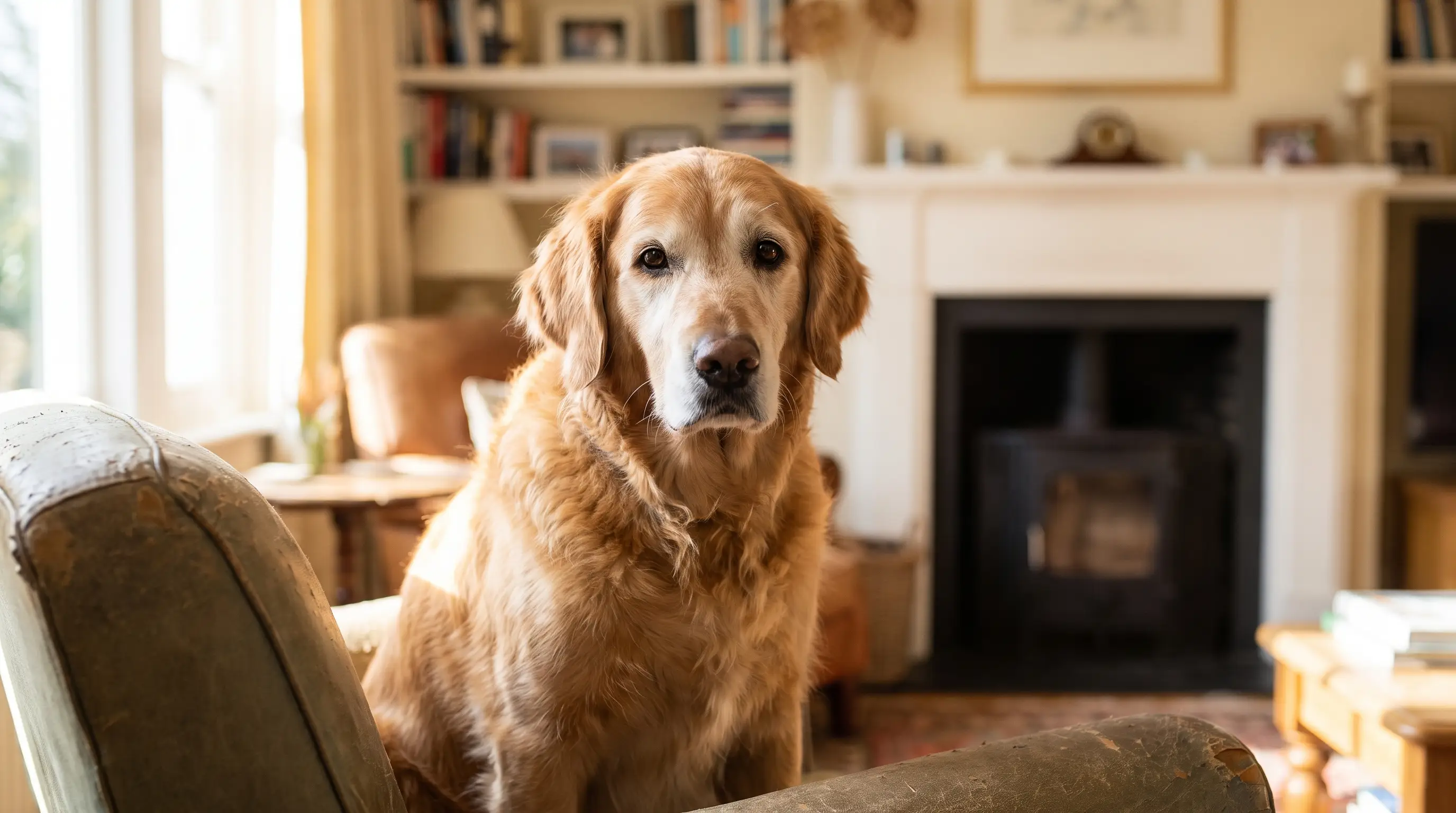
Why adopt an adult dog instead of a puppy
An adult dog shows you its size, coat and temperament from day one, and is often already house-trained, for an easier start than a puppy.
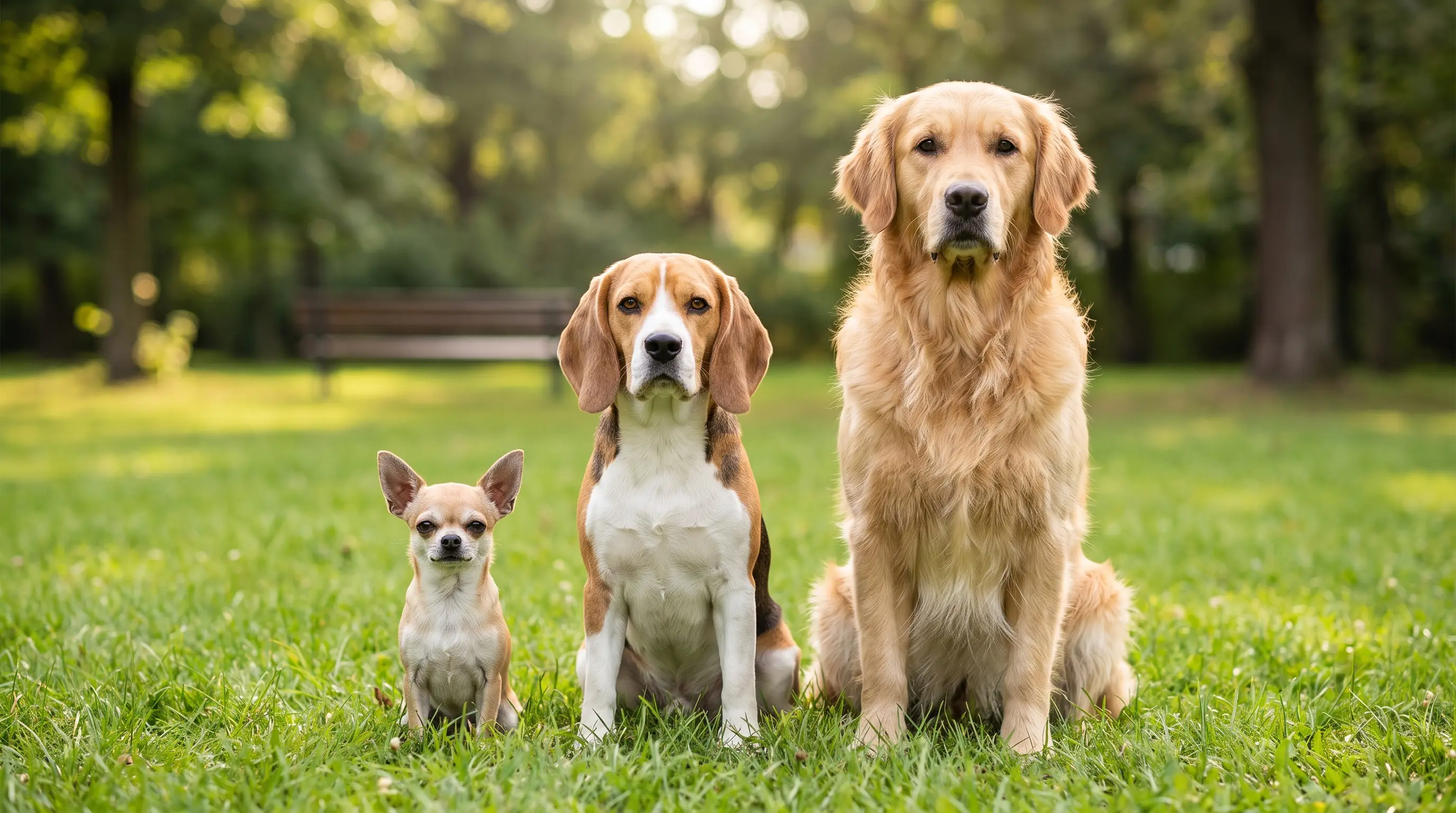
Small, medium or large? Choosing a dog's size
Size sets food bills, strength on the lead and lifespan, but not energy. Match a dog's temperament first, then choose small, medium or large.
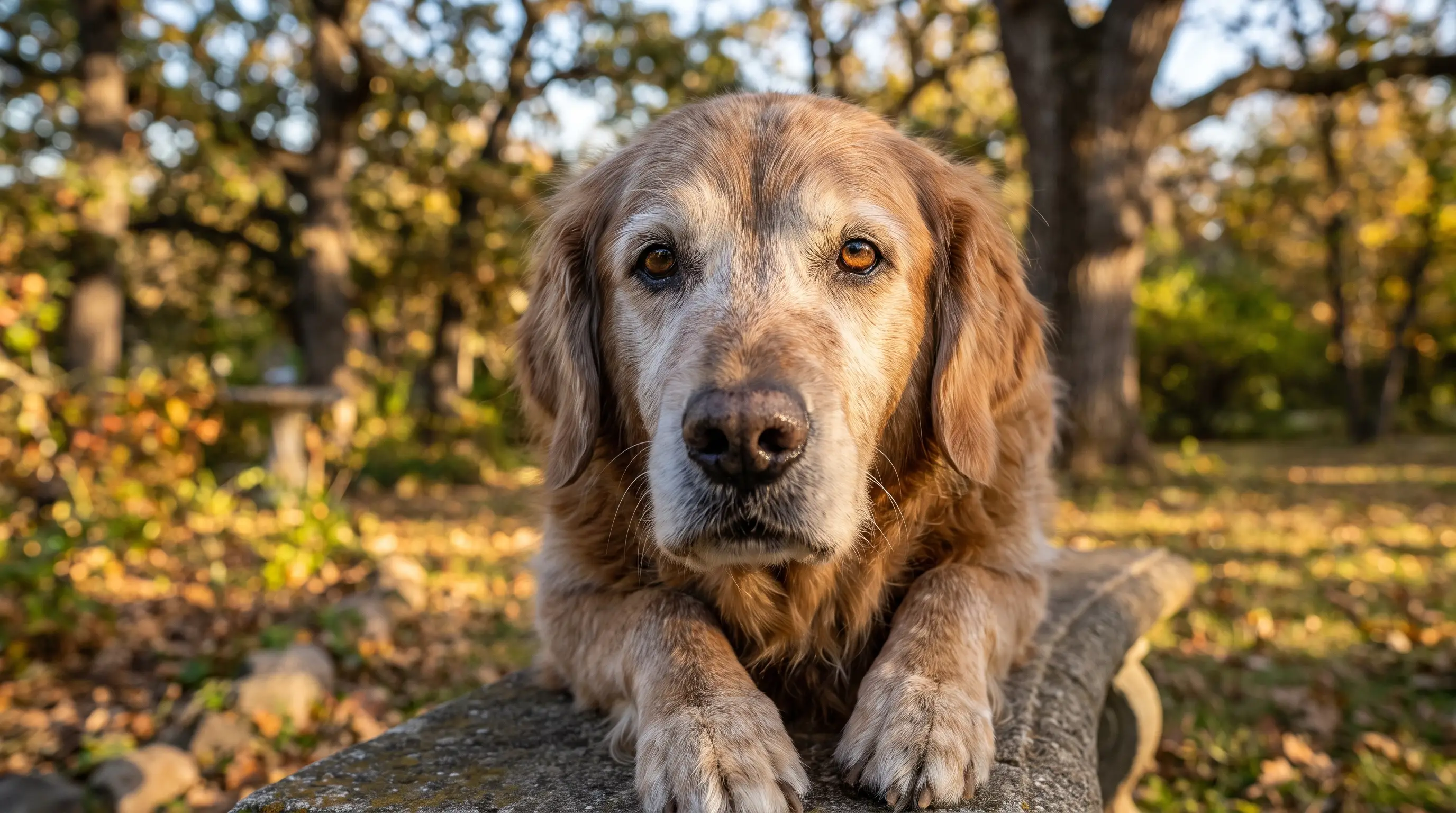
Adopting a senior dog or cat
What to expect when you adopt an older dog or cat: the calm, the fast bond, the vet planning, and the honest trade-off of less time.