Cat hairballs: what's normal and when to worry
A hairball once in a while is normal and nothing to fix. Cats groom constantly, swallow loose fur, and most of it passes through the gut and out in the stool. The trouble sign is not the odd wet wad of hair on the rug. It is a pattern: frequent hairballs, or repeated retching that brings nothing up, especially alongside off appetite, low energy or weight loss. That combination is worth a vet's attention.
Why cats get hairballs
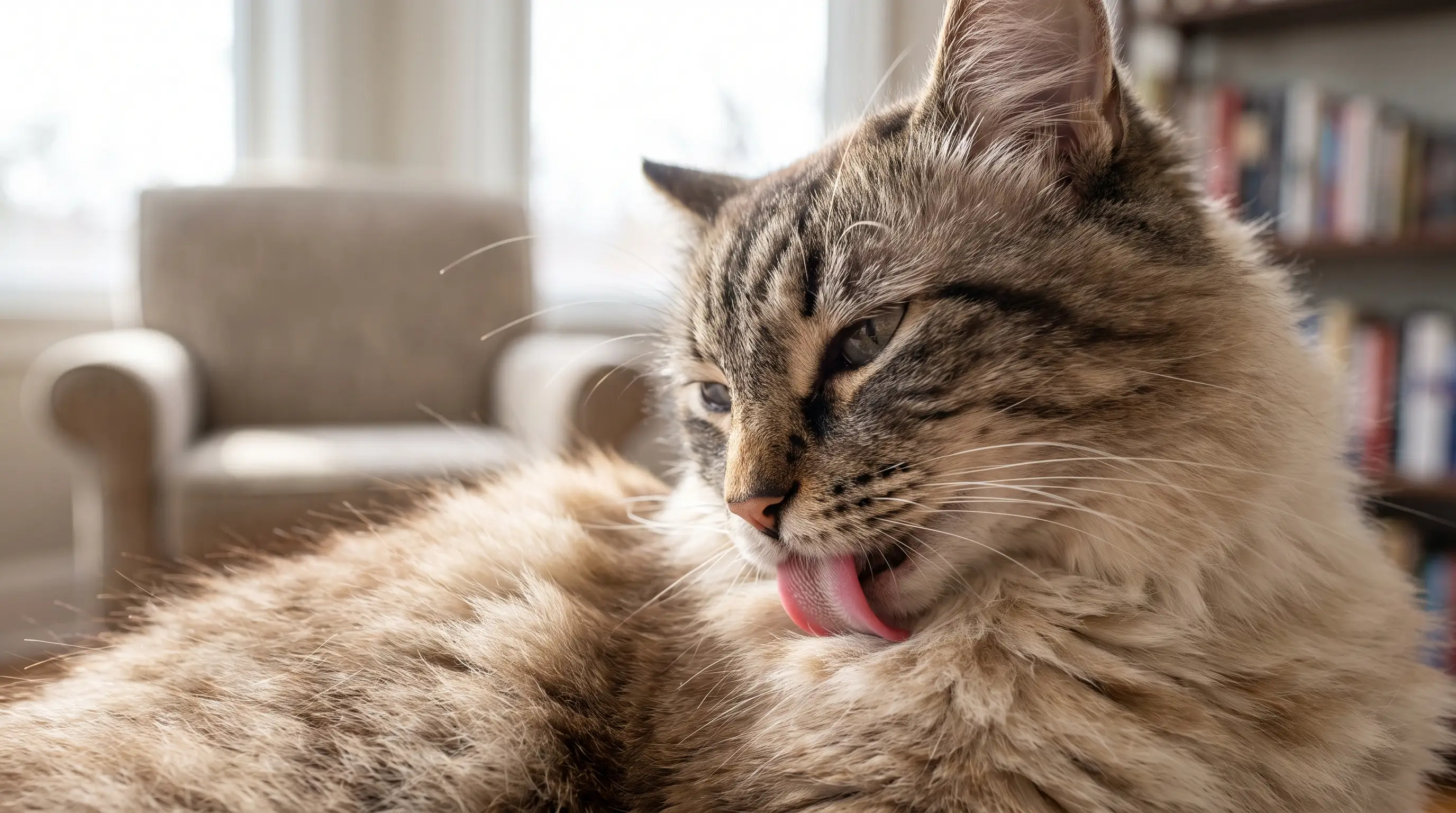
Cats get hairballs because grooming is really a swallowing habit. A cat's tongue is covered in tiny backward-facing barbs called papillae, and every lick rakes loose hair off the coat and sweeps it toward the throat. Hair is made of keratin, which the gut cannot digest, so the cat has no choice but to swallow it. Most of that fur travels the whole length of the digestive tract and leaves quietly in the litter box. Some of it stays behind in the stomach, mats together with mucus, and eventually comes back up. Vets call the result a trichobezoar.
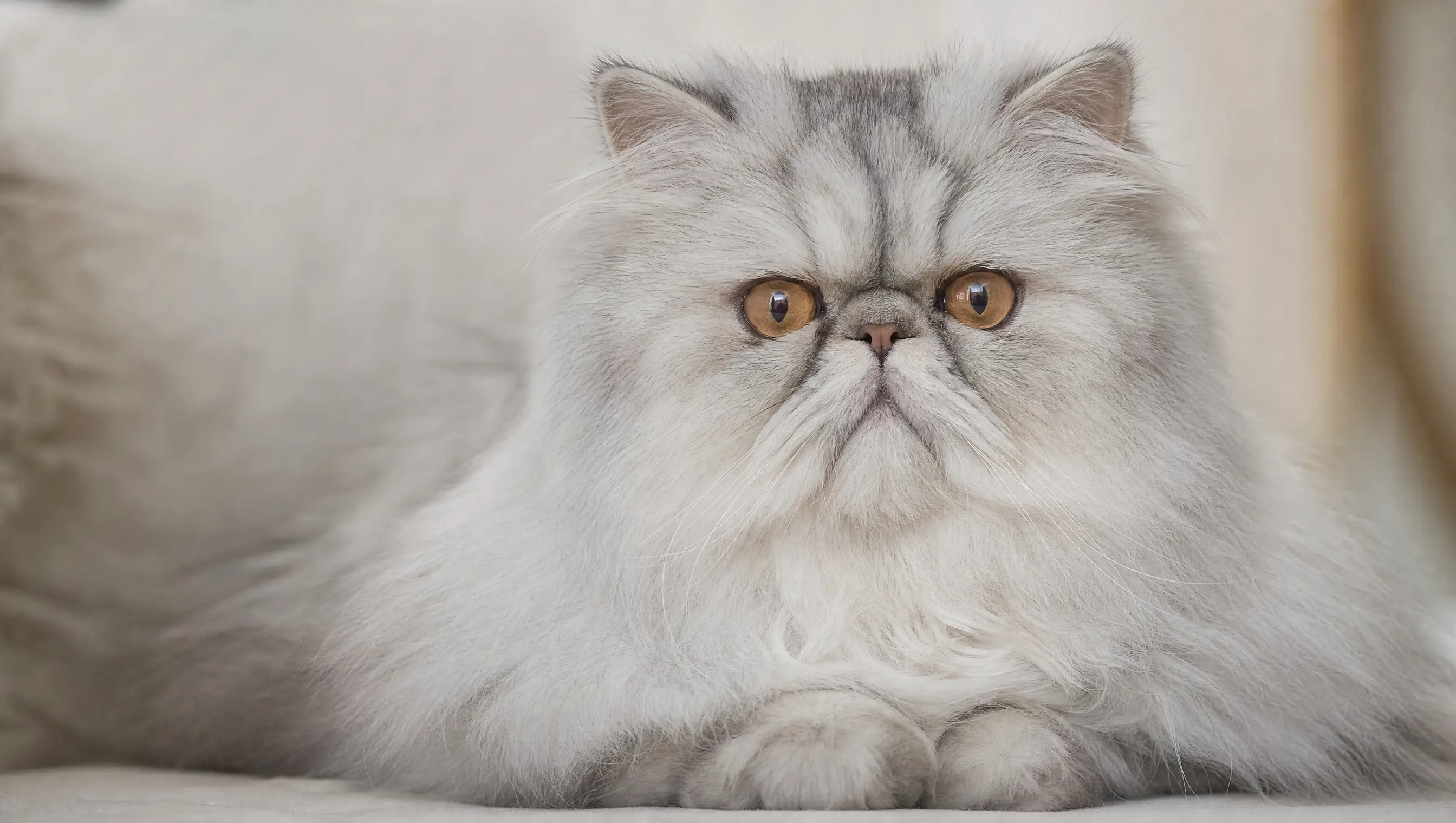
Heavy shedders and long-haired cats produce more of them, simply because there is more coat going down with every wash. Persians, Maine Coons and other long-coated breeds are the usual candidates, and shedding seasons make it worse. A cat that grooms itself more than average for any reason will also swallow more hair, which is a point that matters later.
What a normal hairball looks like
A normal hairball is a wet, cylindrical wad of matted fur and mucus, brought up with a few retches, after which the cat walks away completely fine. The shape is the giveaway. It is tube-like rather than round, because it took the shape of the narrow esophagus on the way up. It is usually damp, sometimes with a little food or bile mixed in, and the cat is its normal self before and after: eating, drinking, playing, using the litter box as usual.
Frequency is what separates normal from not. An occasional hairball, on the order of one now and then rather than one or two every month, is just housekeeping. There is no fixed number that fits every cat, and a short-haired cat that almost never produces one is also perfectly normal. The thing to watch is your own cat's baseline, and whether it changes.
When a hairball is a warning sign
A hairball becomes a warning sign when it stops being occasional and turns into a pattern. More than about one or two a month, or repeated retching and gagging that brings nothing up, is worth a vet visit rather than a shrug. So is a hairball that arrives with other symptoms: real vomiting between hairballs, a drop in appetite, constipation or straining in the litter box, low energy, or weight loss over a few weeks.
These signs point past the hairball to a cause. Frequent hairballs can mean a gut problem such as inflammatory bowel disease that slows hair moving through the system. They can also mean the cat is over-grooming, and stress, skin allergy or parasites are the reason it is swallowing so much hair in the first place, in which case the hairballs are a symptom of something you need to address in a coat-heavy breed or an anxious cat rather than the disease itself. The one that turns urgent is a blockage: if a large hairball lodges in the stomach or gut, a cat will keep retching, stop eating, go quiet and painful, and that is an emergency, not a wait-and-see.
Hairball or asthma?
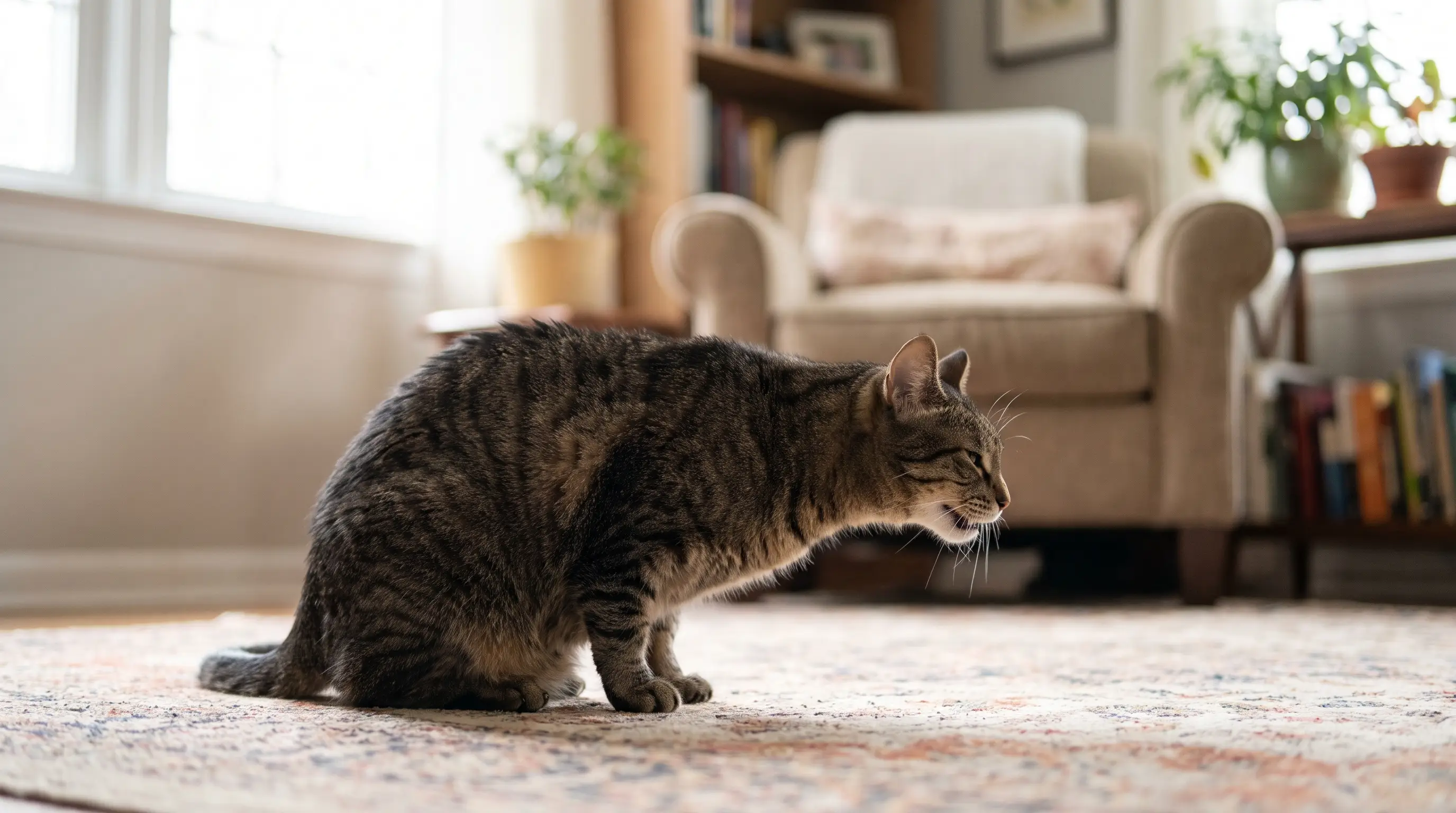
A cat that crouches low, stretches its neck out flat and makes a dry, repeated hacking sound with nothing coming up may be having an asthma attack, not working on a hairball. The two get confused constantly because the posture looks similar. The tells are different, though. A hairball retch usually ends with the cat arching its back and producing that wet tube of fur. An asthmatic cough is dry, the neck stays extended and low, and nothing is brought up, and it tends to come in bouts that can worsen at night or after activity.
Feline asthma affects a small share of cats, roughly a few percent, and it is a lung condition that needs proper treatment, not a hairball remedy. If your cat keeps making dry coughing fits without ever producing a hairball, film an episode on your phone and show your vet. The video often settles the question faster than any description.
Helping a hairball-prone cat
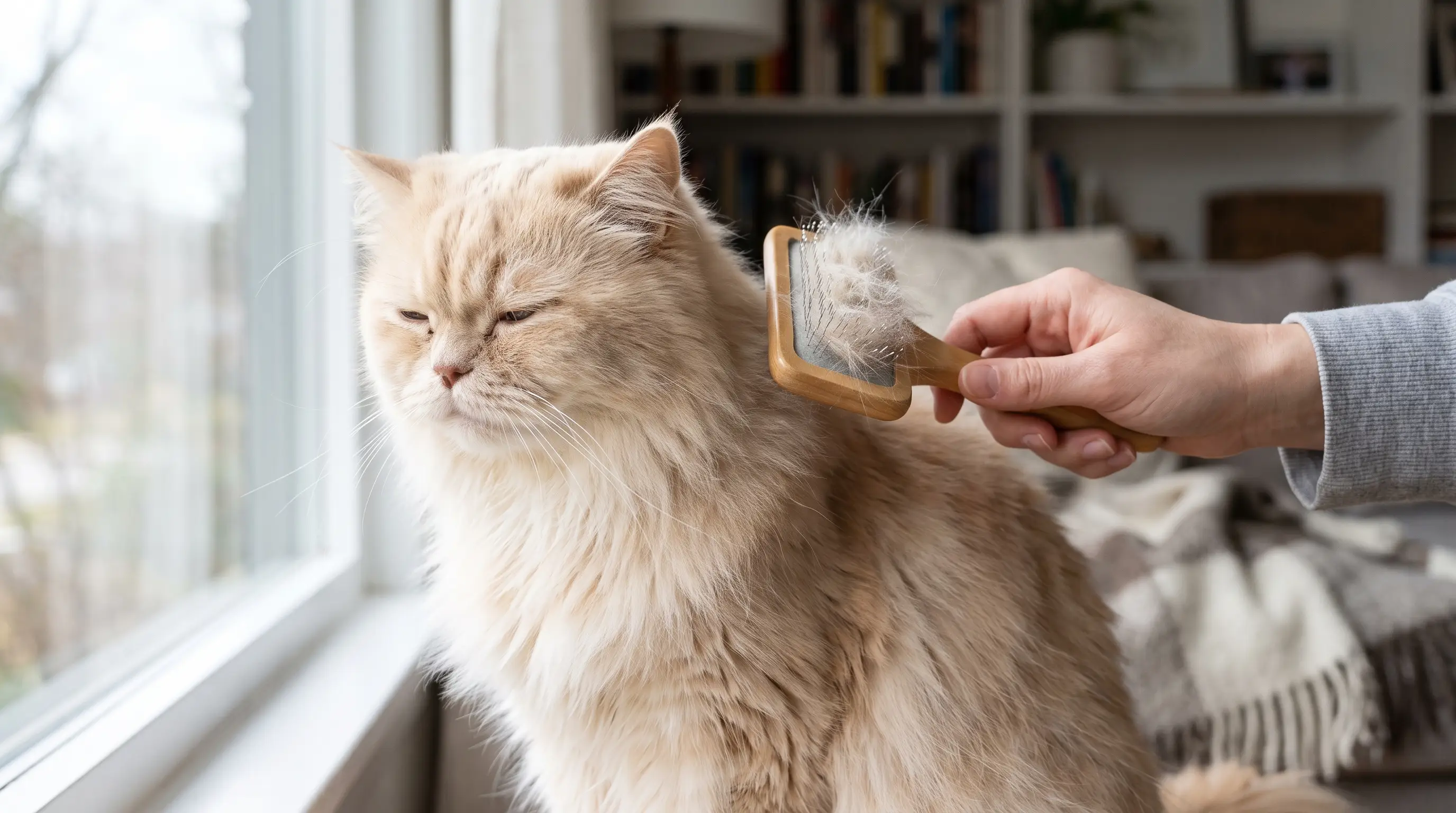
The most useful thing you can do is remove loose hair before your cat swallows it, and that means regular brushing. Long-haired cats do best with something close to daily grooming; most short-hairs are happy with a session or two a week. Every brushful you catch is fur that does not end up in the stomach. A hairball-control or higher-fibre food can help the coat that is swallowed move through the gut instead of collecting, and good hydration does the same, which is one honest reason to lean on wet food rather than dry.
Hairball pastes and lubricant gels exist, and they can help the right cat, but use them on your vet's advice rather than as a default. A cat retching every few days does not need more lubricant. It needs a diagnosis. The rule is simple: an odd hairball is fine and needs nothing but a paper towel, while a pattern of retching, or a hairball with other symptoms, is a vet trip.
Common questions
How often is it normal for a cat to throw up hairballs?
An occasional hairball is normal, but there is no single healthy number. Many cats bring one up now and then, especially long-haired cats and during shedding seasons. As a rough line, more than one or two a month, or a sudden change from your cat's usual pattern, is worth a vet's attention.
When should I worry about my cat's hairballs?
Worry when hairballs become frequent or come with other symptoms. Repeated retching that brings nothing up, real vomiting, loss of appetite, constipation, low energy or weight loss all point past a simple hairball to a gut problem, a blockage, or over-grooming. Those signs mean a vet visit, not a home remedy.
What can I give my cat to help with hairballs?
Regular brushing helps most, since it removes loose fur before your cat swallows it. A hairball-control or higher-fibre diet and more moisture from wet food can help swallowed hair pass through the gut. Hairball pastes and lubricant gels can help some cats, but use them on your vet's advice rather than by default.
How do I know if my cat has a hairball blockage?
A blocked cat keeps retching without producing anything, stops eating, goes quiet and looks uncomfortable or painful, and may become weak or dehydrated. This is an emergency. If a hairball is stuck in the stomach or intestine, it can need surgery, so call your vet the same day rather than waiting it out.
Why does my cat keep gagging but no hairball comes up?
Repeated unproductive gagging is a reason to see a vet rather than a normal hairball. It can signal a partial obstruction, gut disease, or feline asthma, which is a lung condition mistaken for hairball attempts. Filming an episode to show your vet often helps them tell these apart quickly.
Is my cat coughing or trying to bring up a hairball?
A hairball retch usually ends with the back arched and a wet wad of fur produced, while an asthma or airway cough is dry, keeps the neck stretched low and flat, and brings nothing up. Frequent dry coughing with no hairball points toward a breathing problem and needs a vet check.
More in Cats
Can you take your cat to the beach? An honest guide
Most cats should skip the beach, and a few can go safely. The honest, vet-checkable guide to heat, sun, saltwater, harnesses and who stays home.
What Catnip Really Does to a Cat
The honest, myth-busting guide to catnip: what nepetalactone does, why 1 in 3 cats ignore it, and what to try instead.
You Found a Stray Cat: What to Actually Do
A friendly cat on your doorstep may already have a home. Here is the honest, welfare-first order of steps before you take it in.