Who invented dog breeds, and when
Dog breeds are a Victorian invention, not an ancient one. People shaped dogs for jobs for thousands of years, but the idea of a breed as a closed, paperwork-defined type, with a written standard and a family tree you can't marry out of, is barely 150 years old. It was built in Britain in the 1870s, around the first dog shows and the first stud book, and almost every 'ancient breed' you can name was standardised then. Here's how the modern breed actually came to be.
Jobs first, breeds much later
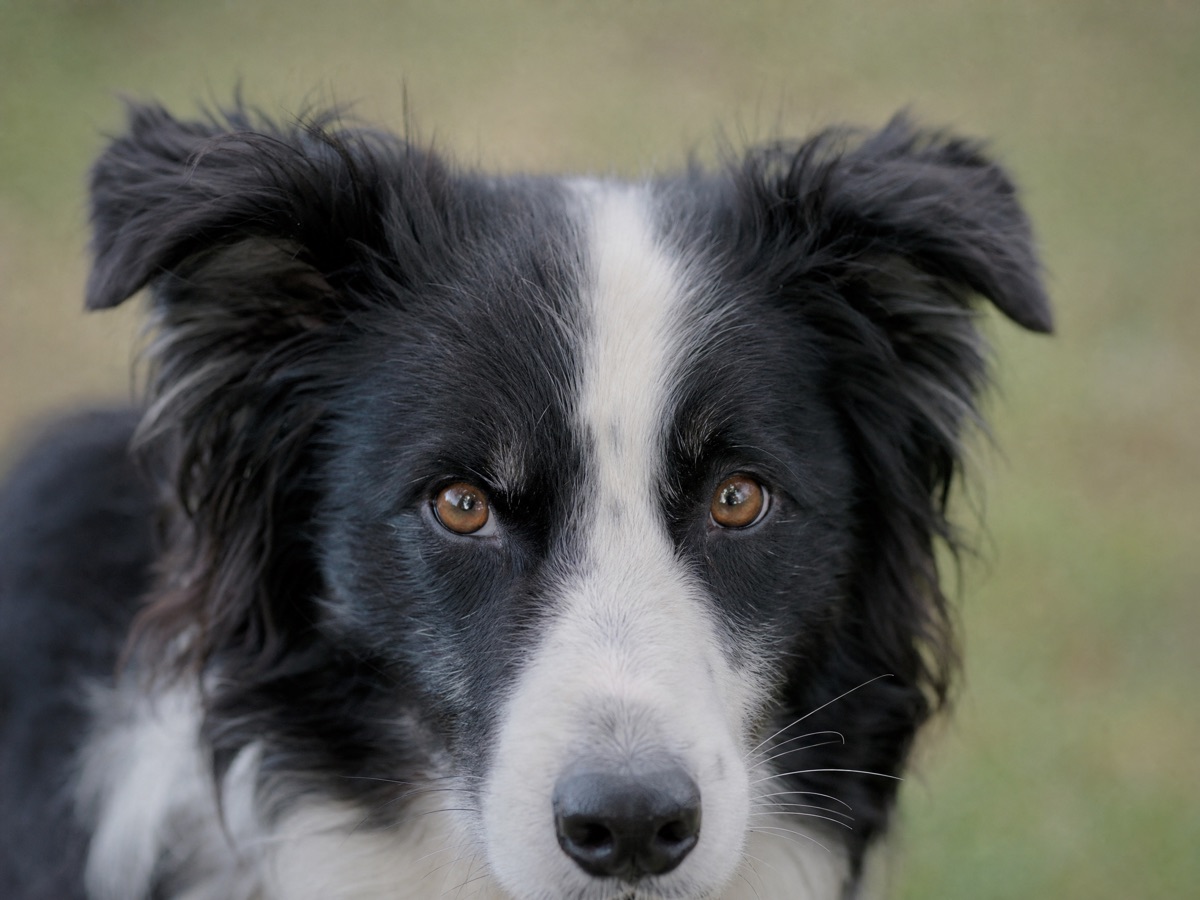
For most of history there were working types, not breeds. A shepherd wanted a dog that could move sheep; a hunter wanted one that could point or retrieve; nobody cared what its grandmother looked like as long as it did the job. Dogs were bred to a purpose and to a place, so a herding dog in Wales and a herding dog in Hungary drifted into different shapes without anyone writing anything down. This is the deep, real history of the dog, and it stretches back to the first tame wolves at our campfires. But a 'type that does a job' is not a 'breed' in the modern sense. The story of how the wolf became the dog is tens of thousands of years long; the story of breeds is a footnote at the very end of it.
The Victorians invented the dog show
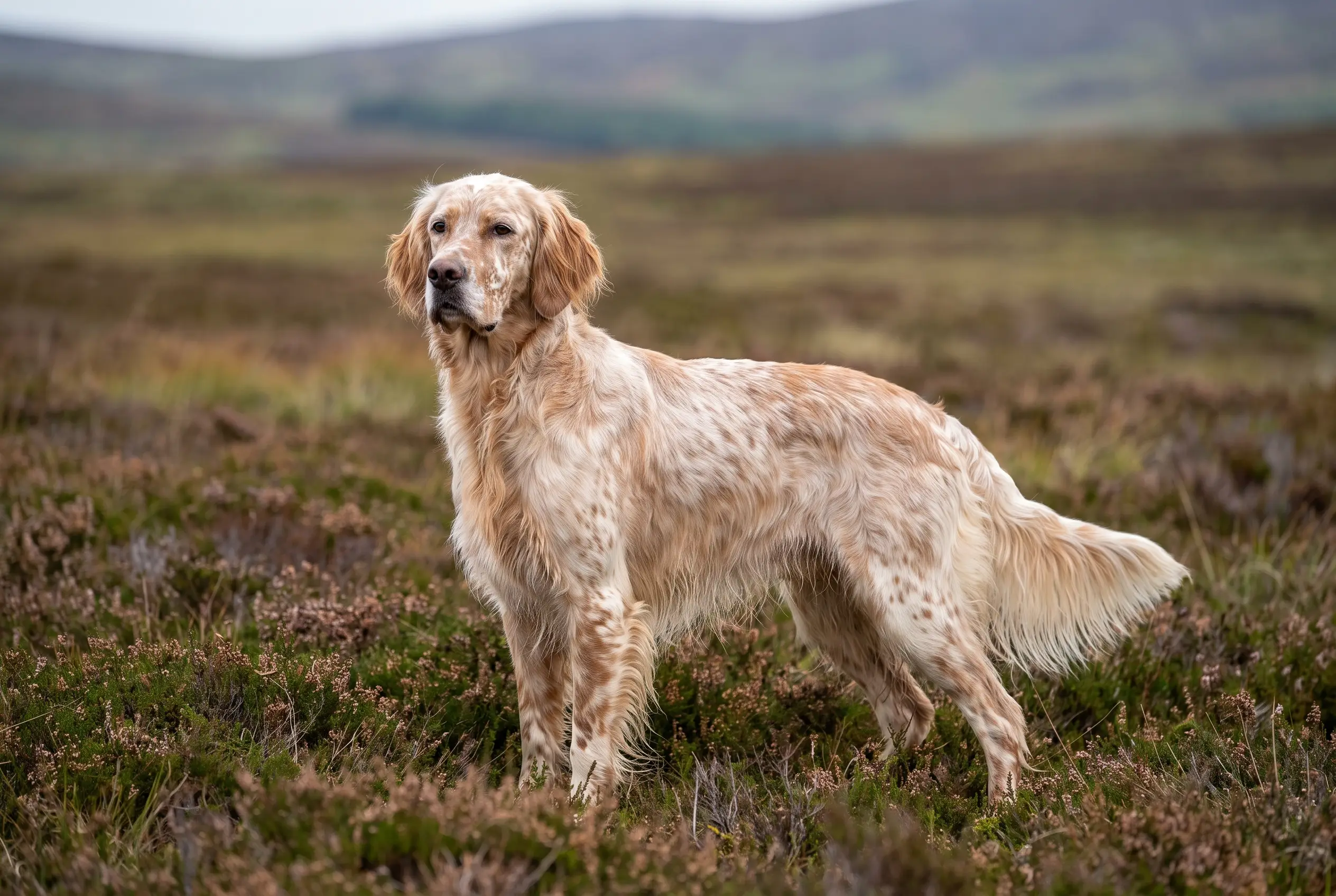
The modern breed was born from a hobby: competitive dog showing. The first organised dog show was held in Newcastle upon Tyne in 1859, judging pointers and setters, and within a decade showing had become a Victorian craze. Shows created a brand-new question that working life never asked — not 'can this dog work?' but 'does this dog look correct?' To judge appearance you need a fixed idea of what each kind of dog should look like, and to keep the classes fair you need to know which dogs are eligible for which class. The show ring, not the farm, is what demanded that dogs be sorted into named, bounded breeds with agreed-upon looks.
1873: the stud book closes the gate
The decisive moment was paperwork. The Kennel Club was founded in Britain in 1873, and its first act was to publish a stud book: an official register of dogs and their parents. This is the invention that turned a 'type' into a 'breed'. Once a breed had a closed stud book, a dog was that breed only if both its parents were already in the book — pedigree became the definition, replacing what the dog could do or even how it looked. From that point a breed was a closed family, and you could no longer breed your way into it from the outside. Every national kennel club that followed, and the international FCI, copied this model. It is why a modern breed is, underneath, a bureaucratic object as much as a biological one.
The standard freezes a look in place
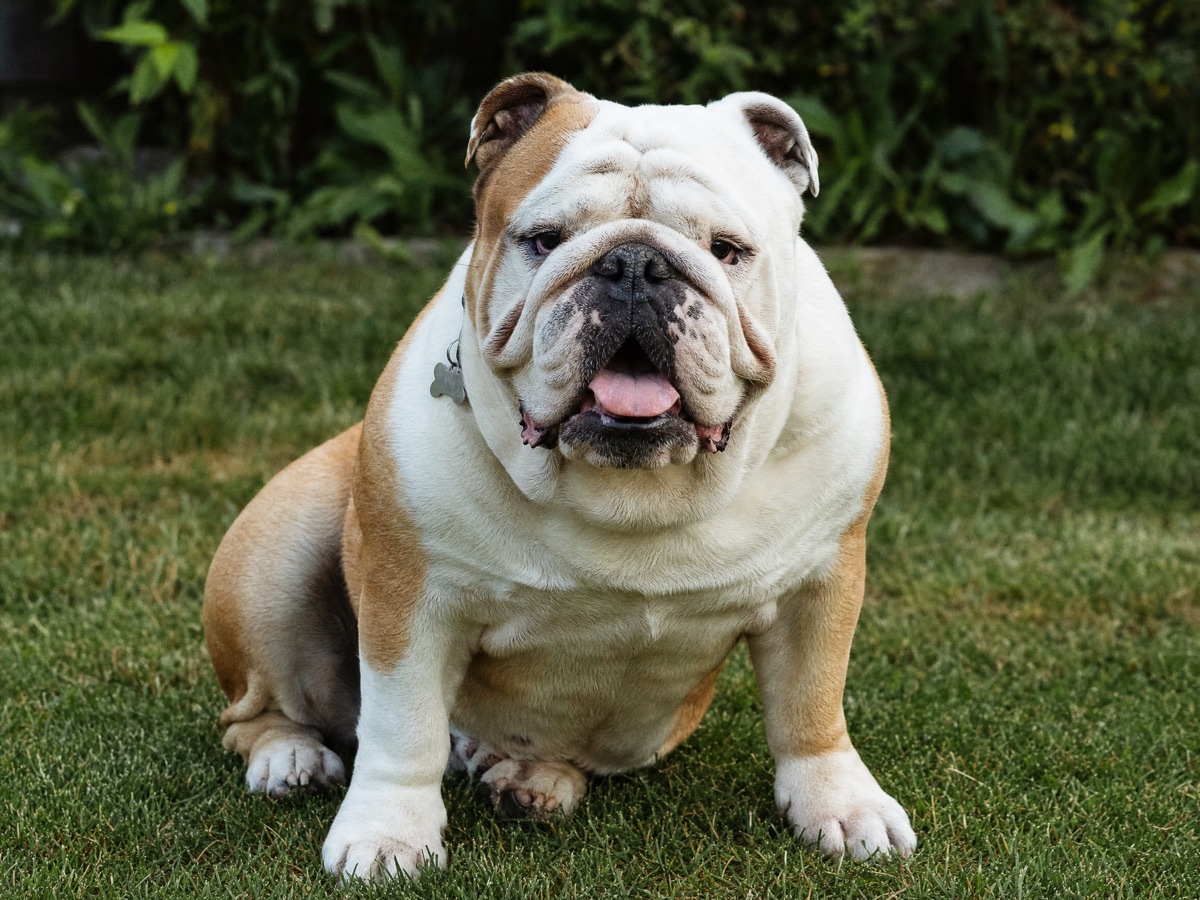
Alongside the stud book came the breed standard: a written description of the ideal dog, against which show judges score every animal. Standards sound neutral, but they froze each breed at a Victorian moment and then rewarded whoever pushed a feature furthest. The Bulldog is the clearest case. Old prints show a functional, athletic dog; a century of breeding to a standard that prized a huge head and a flat face produced the very different animal we have now. The standard didn't just describe the breed, it steered it — often toward exaggeration, sometimes toward real health cost. This is the thread that runs from a Victorian rule book straight to the breathing problems of flat-faced breeds today.
So how old is your 'ancient' breed?
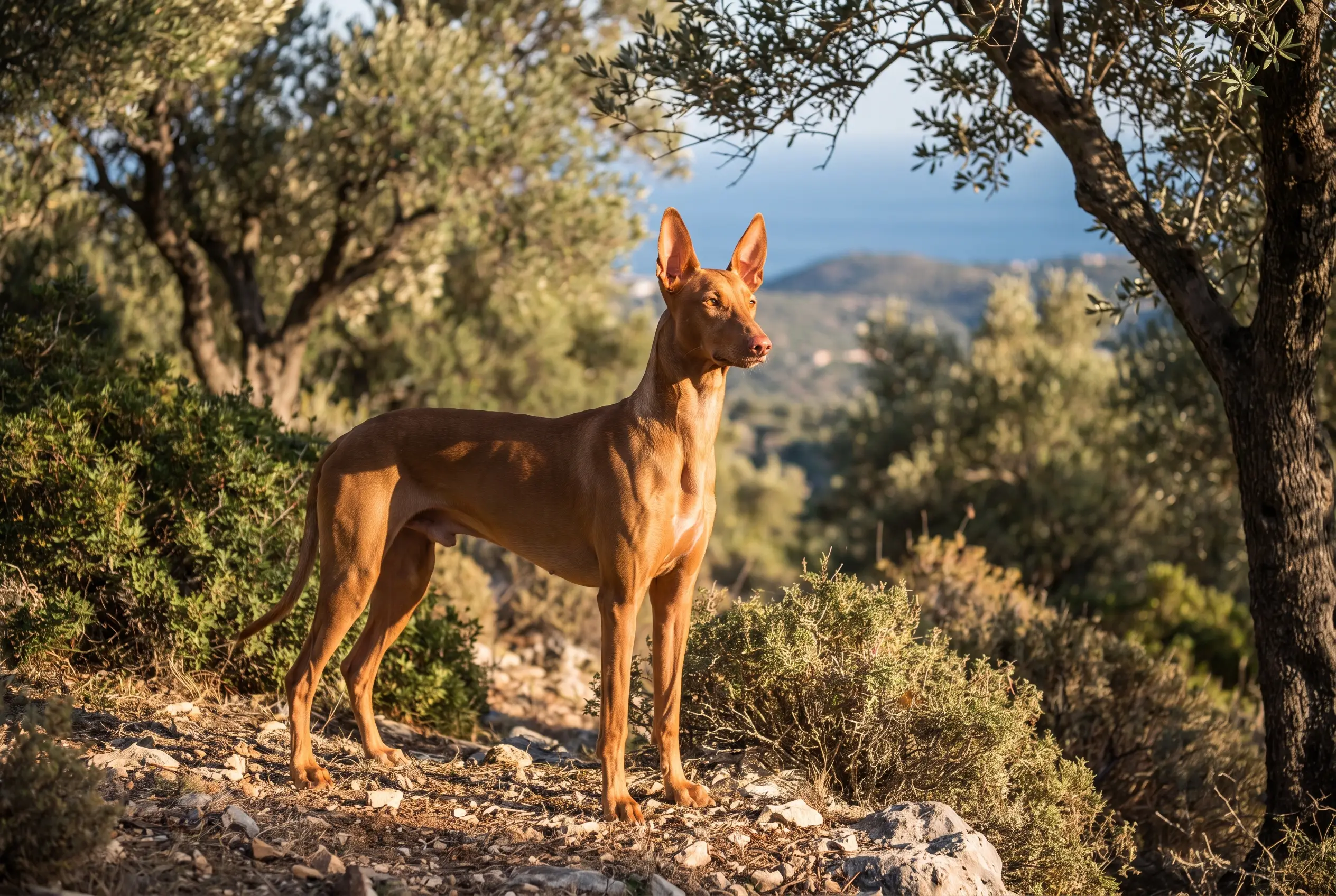
Almost always: about 150 years, as a breed. The dog behind it may be genuinely old as a type, but the breed — the closed register, the standard, the name — usually dates to the late 1800s or later. The Pharaoh Hound looks like it stepped off a tomb wall and was marketed on exactly that romance, but as a standardised breed it was created in the 20th century, and DNA shows no unbroken line to ancient Egypt. The Labrador Retriever, the German Shepherd, the Doberman — all were fixed as breeds within living memory of the first stud book. Knowing this doesn't make any dog less wonderful. It just means that when a breeder or a marketer says 'ancient breed', the honest translation is usually 'old type, Victorian breed'.
Common questions
Who invented dog breeds?
No single person, but the modern breed was created by British dog fanciers in the 1870s, above all through the Kennel Club, founded in 1873. They built the system of dog shows, written breed standards and closed stud books that turned loose working types into the defined, pedigree-bound breeds we have today.
When were dog breeds created?
Most modern breeds were standardised between about 1870 and 1920, in the decades after the first dog shows and the first stud book. Dogs were shaped for work for thousands of years before that, but the breed as a closed, paperwork-defined type is only around 150 years old.
What is a stud book?
A stud book is an official register of dogs and their parents, kept by a kennel club. Once a breed's stud book is closed, a dog counts as that breed only if both its parents are already registered in it. This is what turned a working 'type' into a formal 'breed' — pedigree became the definition.
Are any dog breeds actually ancient?
The dogs behind some breeds are genuinely old as types — landrace herders, sighthounds and spitz dogs go back a long way. But as standardised breeds, with a name, a written standard and a closed register, almost all are 19th- or 20th-century creations. DNA rarely supports an unbroken ancient line.
Why were dog breeds invented?
Mainly for competitive dog shows, which began in Britain in 1859. Judging dogs on looks required a fixed idea of what each kind should look like and a way to say which dogs were eligible, so fanciers created named breeds, written standards and pedigree registers to make showing possible.
Is the Pharaoh Hound really from ancient Egypt?
No. It resembles dogs on Egyptian tomb art and was marketed on that image, but as a breed it was developed in Malta and standardised in the 20th century. Genetic studies find no continuous line back to ancient Egypt, making it a striking example of an old-looking but modern breed.
More in Dogs
Flat faces, hard breathing: the truth about brachycephalic dogs
A pug's snore is a warning, not a feature. What BOAS is, which breeds it affects, and what a responsible owner and breeder actually do about it.
Dog breeds named after the wrong country
The Great Dane is German. The Australian Shepherd is American. Breed names are charming, and they are terrible geography.
Why adopt an adult dog instead of a puppy
An adult dog shows you its size, coat and temperament from day one, and is often already house-trained, for an easier start than a puppy.