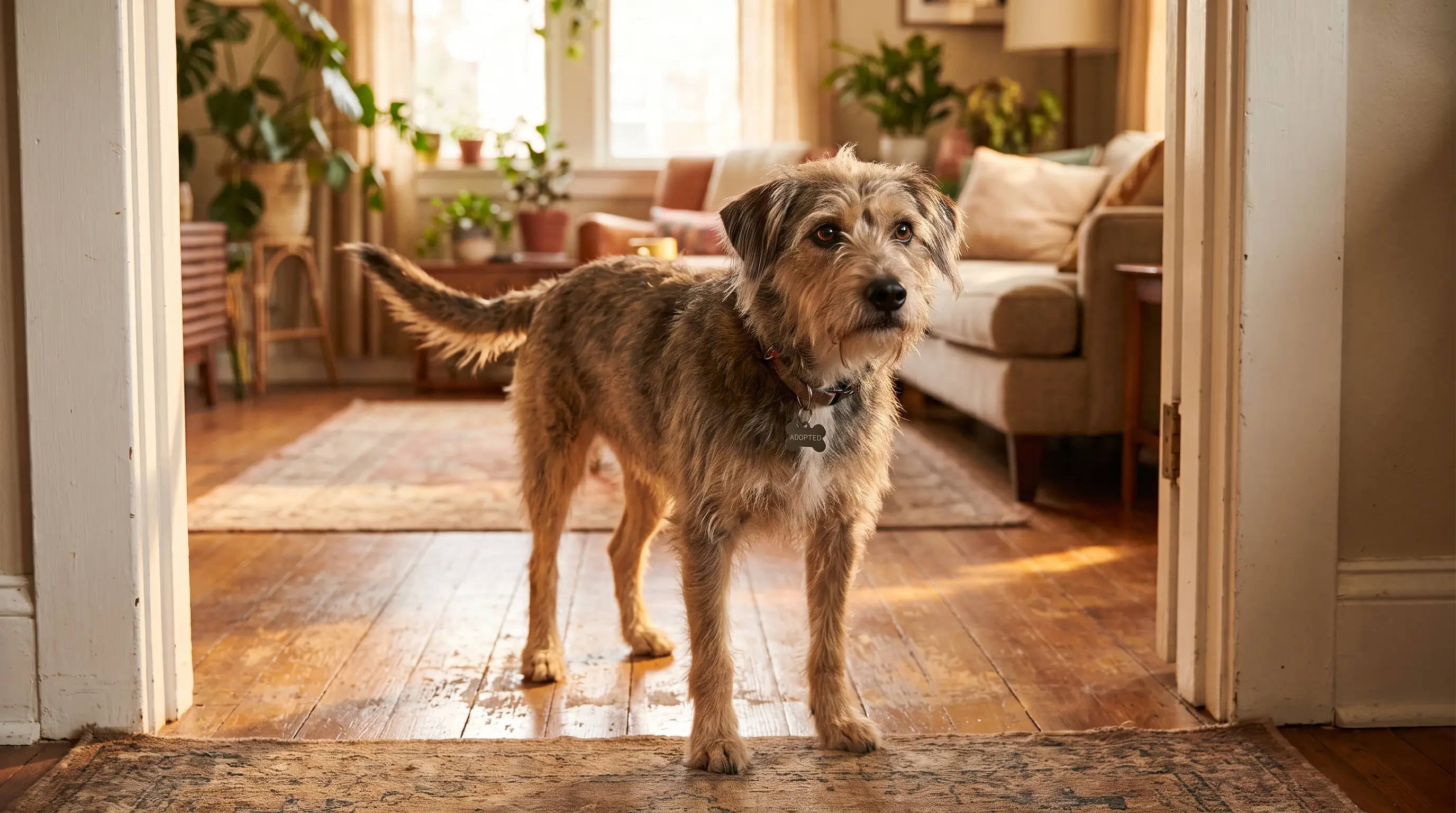
The 3-3-3 rule for a newly adopted dog
The 3-3-3 rule is a rough timeline for how a newly adopted dog settles in: about 3 days to decompress, 3 weeks to learn your routine, and 3 months to feel at home. It gives you realistic expectations for those first unsettled days, when a quiet or anxious dog can worry new owners who were hoping for an instant best friend. Treat it as a guide rather than a guarantee. Every dog moves at its own pace, and the numbers matter less than the direction of travel.
The first 3 days: decompression
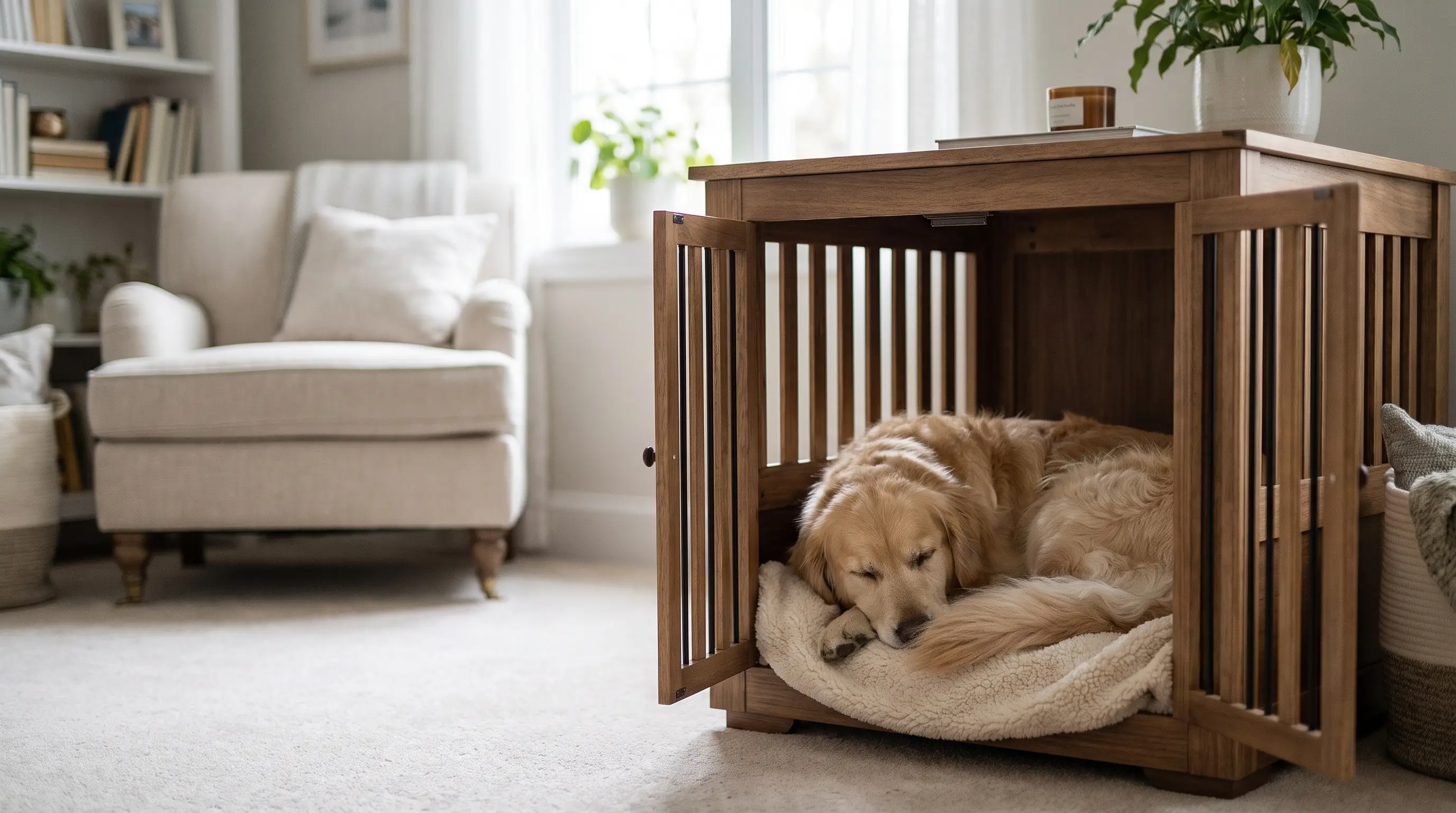
For the first three days, expect your dog to be overwhelmed, and don't read that as a bad sign. A dog that has just left a shelter or a foster home has lost every familiar smell, sound and face in a single afternoon, so many shut down for a while. Some hide behind the sofa or under a table, some won't eat much or at all, and some sleep for hours.
Keep the world small. Give your dog one quiet room or a covered crate it can retreat to, keep the house calm, and skip the visitors, the dog park and the long car trips for now. Even in a fenced garden, keep your dog on a lead at first, because a frightened dog can bolt or slip through a gap you never knew was there. Your only real jobs this week are food, water, gentle toilet breaks and space to breathe.
The first 3 weeks: learning the routine
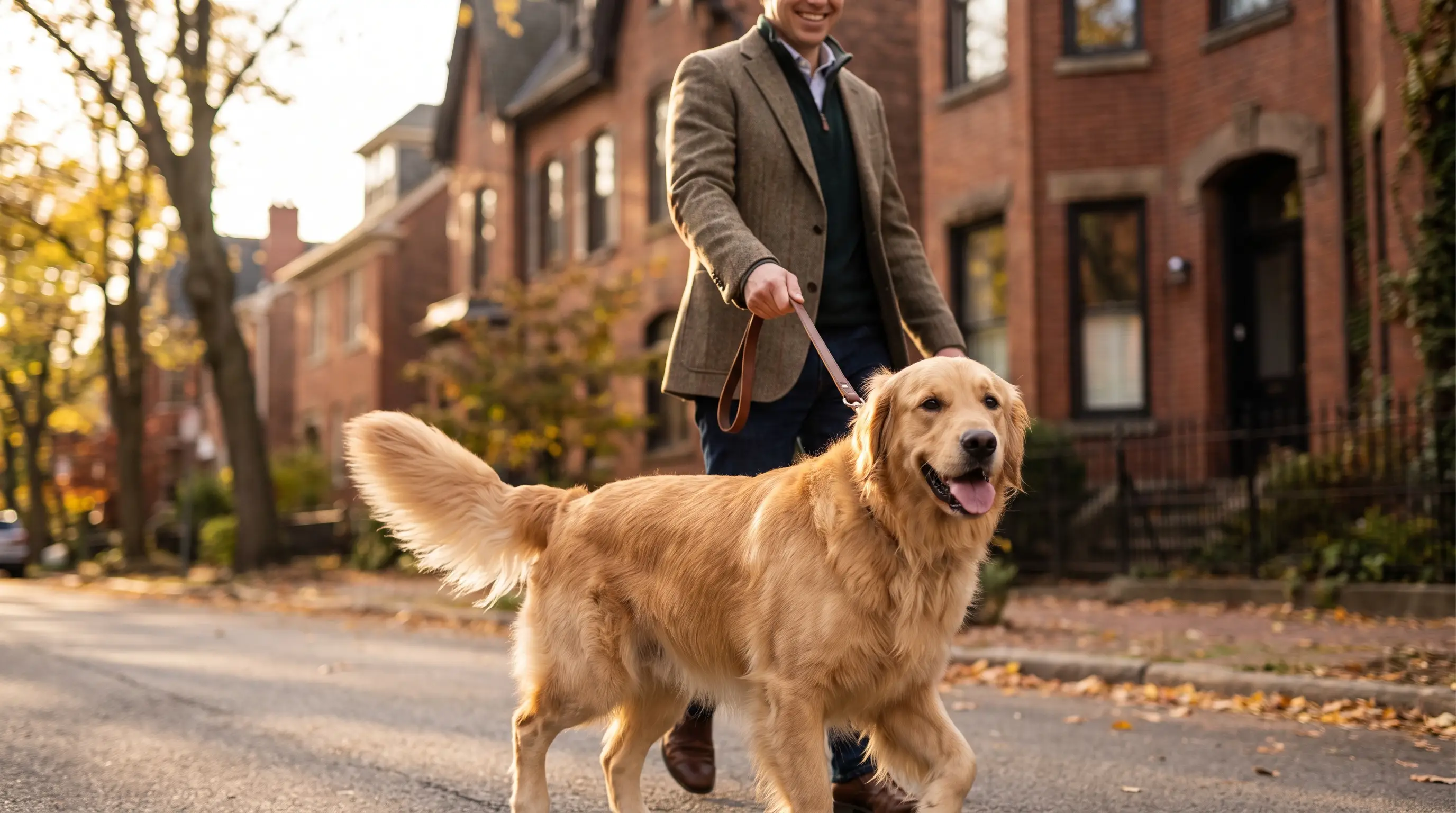
The first three weeks are when your dog starts to relax and show you who it really is. As the shock wears off, the shut-down quiet usually gives way to a real personality, and that cuts both ways. You may meet a playful, affectionate dog you hadn't seen yet, and you may also meet the first chewing, barking or boundary-testing. That is normal, not a step backwards.
Now is the time to start a gentle daily routine of meals, walks, toilet breaks and rest at roughly the same times, because a predictable day helps a nervous dog feel safe. Begin light, reward-based training too, keeping sessions short and easy so they build confidence instead of pressure. If your dog hauls on the lead the moment you step outside, work through it calmly with the steps in how to stop a dog pulling on the lead.
The first 3 months: feeling at home
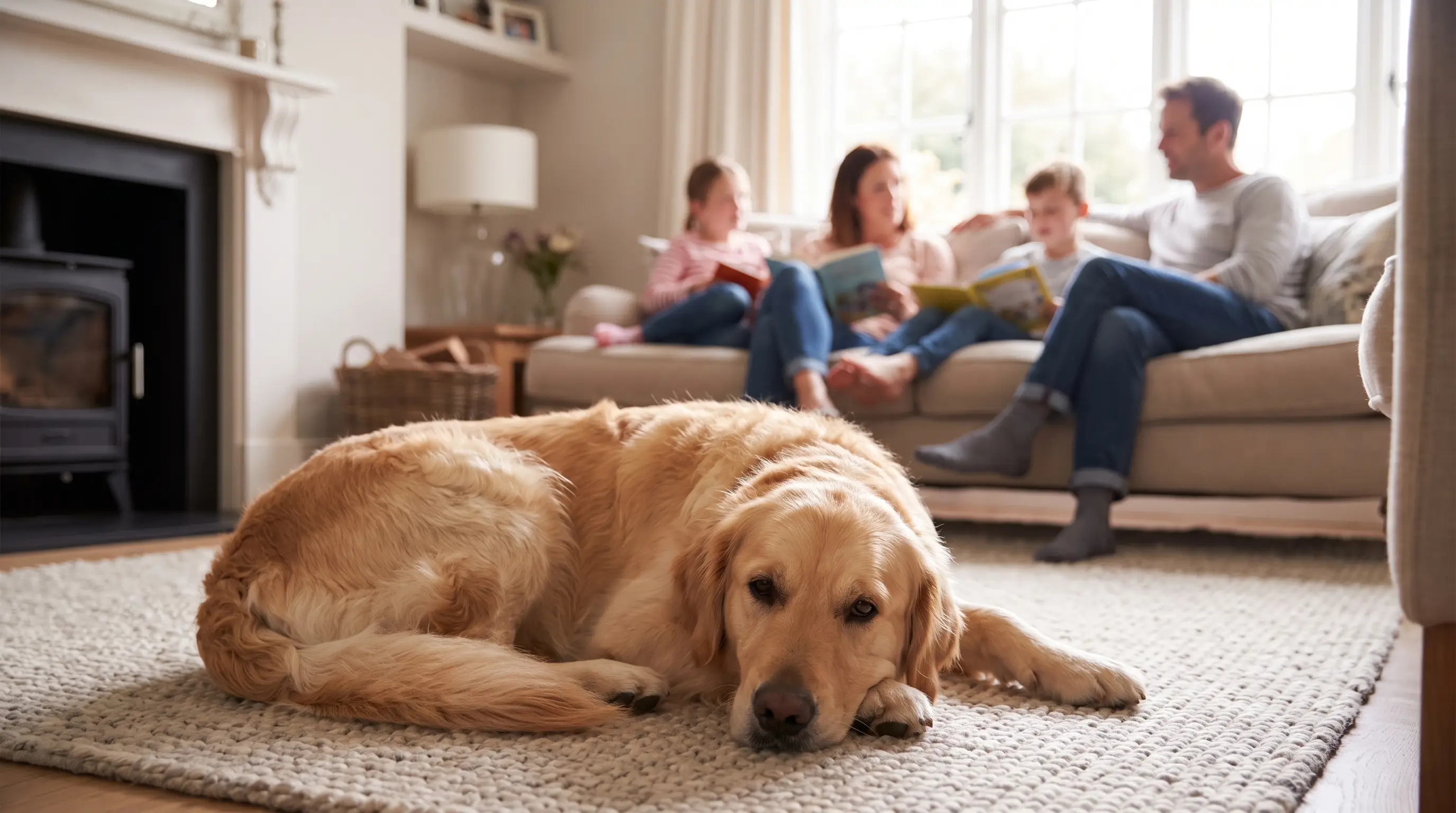
By around the three-month mark, most dogs feel genuinely at home. The bond you've been building starts to show: your dog trusts the routine, relaxes more deeply, and reads you better than it did in week one. Confidence grows, and many of the early worries, the pickiness, the clinginess, the hiding, ease on their own once the dog understands that this home is permanent.
None of this is automatic. Stay consistent with the same routine, rules and gentle training you started earlier, because that steadiness is what got you here. If one specific problem hasn't improved at all by now, that's worth a closer look rather than more waiting.
Does the 3-3-3 rule apply to every dog?
No, the 3-3-3 rule is a guide, not a law, and plenty of dogs don't follow it neatly. The numbers are an average, and your dog hasn't read the rulebook. Puppies, naturally confident dogs and dogs that have lived in a home before often settle faster, sometimes within days.
Dogs that arrive deeply frightened, that came from neglect, or that have never lived indoors can take much longer, and some need six months or more before they truly relax. Breed and history shape the pace too, though temperament varies widely within any breed, and you can adopt a dog of almost any breed. If you're bringing home a young puppy rather than an older rescue, the early days look a little different, and bringing a puppy home walks through them.
How to help your dog settle at each stage
You help most by keeping things predictable and letting your dog set the pace. A steady routine of meals, walks and rest is the single most settling thing you can offer, at every stage. Give your dog a safe space of its own, a crate or a quiet corner that nobody disturbs, and limit its freedom at first with a lead and closed doors rather than the run of the whole house.
Let the dog come to you instead of reaching over it, following it around, or smothering it with handling, especially in the first days when too much fuss can frighten a wary dog. Be patient with accidents and nerves; they usually fade. Practising calm recall in a safe, enclosed space over the coming weeks builds the trust you'll need later, and teaching your dog to come when called covers how.
Call in help when things don't improve or start to get worse. A good trainer or behaviourist is worth it for fear, growling or reactivity that isn't settling, and your vet should hear from you if your dog won't eat for more than a day or two, seems unwell, or shows a sudden change you can't explain.
Common questions
What is the 3-3-3 rule for dogs?
It's a rough guide to how a newly adopted dog settles: about 3 days to decompress and feel overwhelmed, 3 weeks to learn your routine and show its real personality, and 3 months to feel fully at home. The timings are averages rather than promises, but they set sensible expectations for the first few months.
How long does it take for a rescue dog to adjust?
Most rescue dogs start to relax within the first few weeks and feel settled by around three months. A confident dog, or one that has been rehomed before, can take just days, while a very frightened dog may need six months or more. The direction of progress matters more than hitting an exact date.
Why won't my rescue dog eat for the first few days?
A dog that has just changed homes is stressed and overwhelmed, and a nervous dog often eats little or nothing for a day or two while it decompresses. This is common and usually passes as your dog relaxes. If it refuses food for more than about two days, seems weak, or is vomiting or has diarrhoea, call your vet.
Does the 3-3-3 rule apply to puppies?
Loosely. Puppies decompress and settle in stages too, but they often adapt faster than an adult rescue, and they need extra focus on toilet training, socialisation and sleep. The overall idea of a calm, patient start still holds.
My rescue dog still isn't settled after 3 months — is that normal?
Yes, it can be. The three-month mark is an average, and dogs from difficult backgrounds often need six months or a year to fully relax. That said, if there has been no progress at all, or specific problems like fear or reactivity are getting worse, speak to a vet or a qualified trainer rather than waiting it out.
Should I let my newly adopted dog off the lead right away?
No. A new dog doesn't know you or your home yet and has no reason to come back if it panics, so keep it on a lead even in the garden at first. Build reliable recall in a safe, enclosed space over the following weeks before trusting your dog off-lead in the open.
More in Dogs
Why adopt an adult dog instead of a puppy
An adult dog shows you its size, coat and temperament from day one, and is often already house-trained, for an easier start than a puppy.

Small, medium or large? Choosing a dog's size
Size sets food bills, strength on the lead and lifespan, but not energy. Match a dog's temperament first, then choose small, medium or large.
Dog-proofing your home and garden
Dog-proof your home and garden before you adopt: fix indoor hazards, secure the fences and gate, clear toxic plants, and set up the dog's own space.