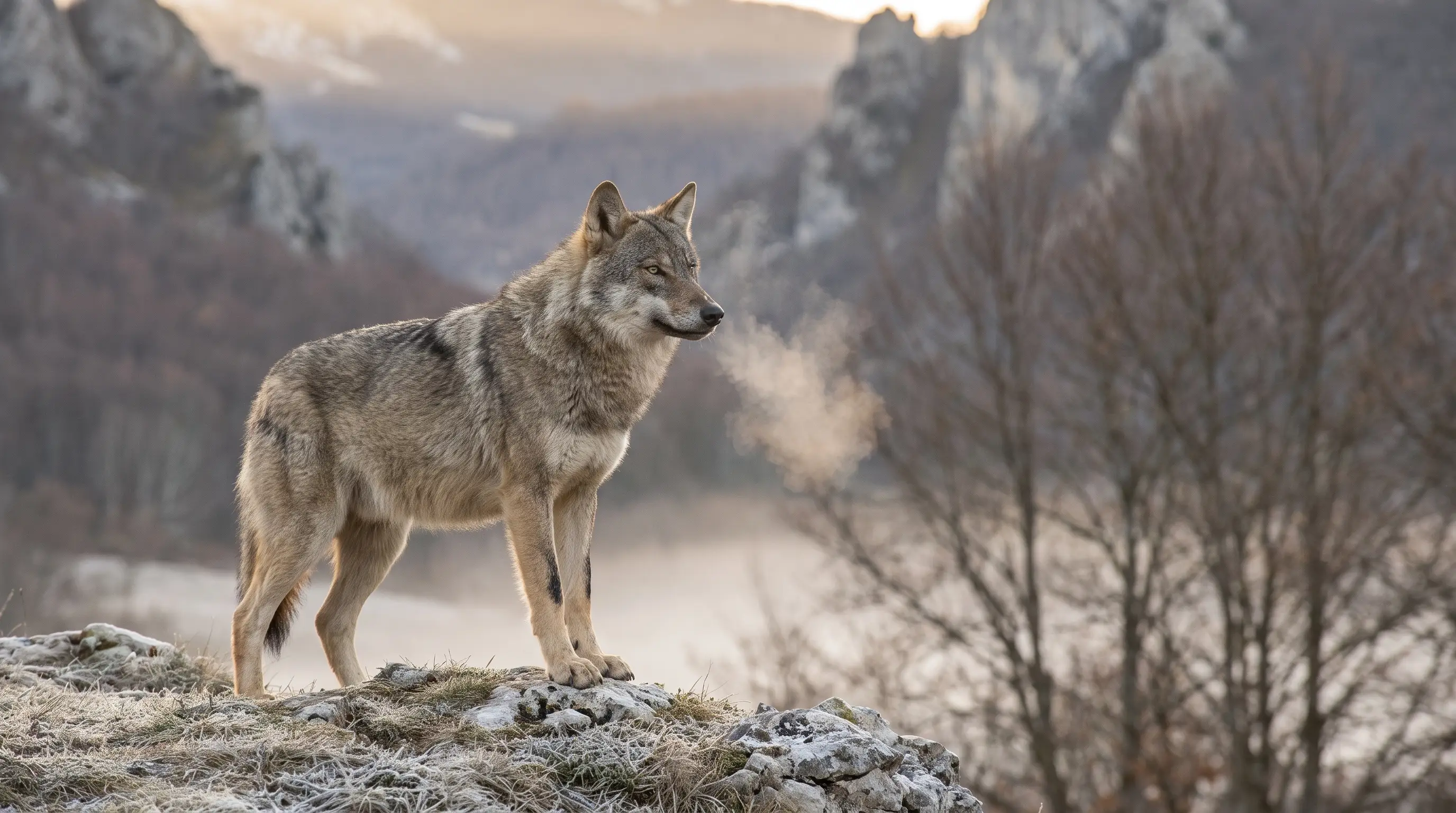
The Apennine wolf: Italy's own wolf, back from the brink
Italy has its own wolf. The Apennine or Italian wolf, Canis lupus italicus, is a distinct population of grey wolf that runs the length of the Apennine mountains, and it is one of conservation's quieter success stories. Shot, trapped and poisoned to somewhere near 100 animals by the early 1970s, it has since climbed back to several thousand and is spreading well beyond its old strongholds.
Canis lupus italicus
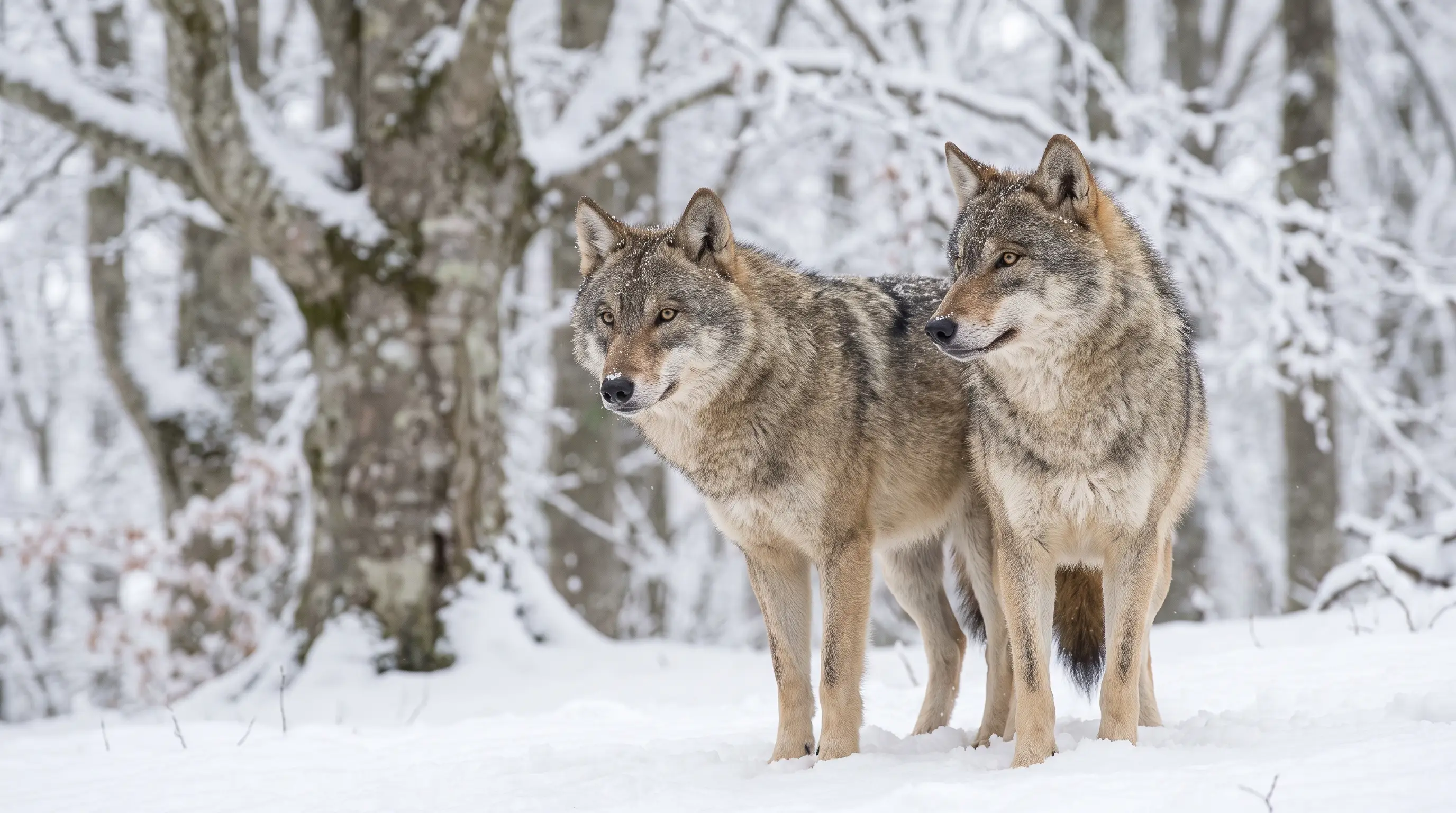
The Apennine wolf is a distinct population of grey wolf found only on the Italian peninsula, first described as a subspecies in 1921 by the zoologist Giuseppe Altobello. It carries its own mitochondrial DNA signature and a skull shape rounder than the typical European wolf, the result of thousands of years of isolation from other wolf populations by the Alps and the sea. Scientists still argue about whether it deserves full subspecies rank, but the genetics are clear that peninsular Italian wolves form their own recognisable lineage.
You will find it the length of the mountain chain, from the northern Apennines down toward Calabria, and increasingly outside it. Over the last few decades the species has walked back into the Alps, crossed into France, and been recorded on the edges of large cities where green corridors and abundant prey let a dispersing animal slip through unnoticed.
From roughly 100 wolves back to several thousand
By the early 1970s Italy was down to an estimated 70 to 100 wolves, clinging on in the remote central Apennines after more than a century of bounties, guns and poisoned bait. The species had been wiped out of the Alps and most of the rest of the country, and a small, fragmented core in the mountains of Abruzzo and neighbouring regions was all that stood between the Italian wolf and extinction.
A ministerial decree in 1971 gave it full legal protection and took it off the list of huntable animals, and later measures locked that in: Italy's Law 157/1992 on wildlife, the Berne Convention, and the EU Habitats Directive all list the wolf as strictly protected. With protection, recovering forests and a rebound in wild prey, the population grew at roughly six percent a year. Italy's national estimate reached about 3,300 wolves by 2022, and the animals recolonised the Apennines before pushing north into the Alps. The recovery also revived pack life across the country, with the classic family group of a breeding pair and their offspring reforming as numbers rose, the reality behind a lot of the myths about how wolf packs actually work.
How an Apennine wolf differs from other grey wolves
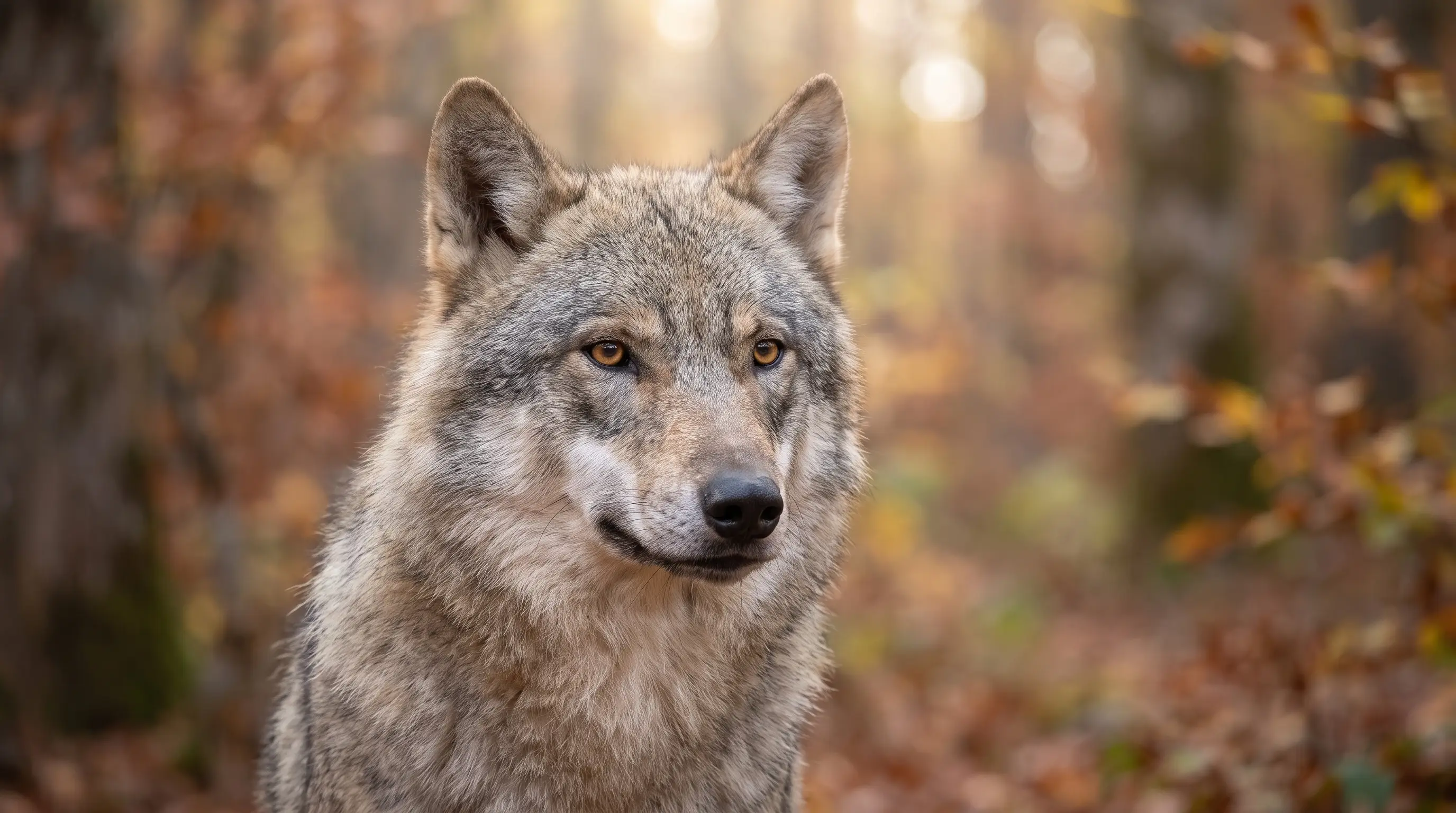
An Apennine wolf is somewhat smaller and leaner than the grey wolves of northern and eastern Europe. Males typically weigh around 24 to 40 kilograms, with females about ten percent lighter, giving it a lighter frame suited to steep, broken mountain terrain rather than the deep-snow tundra of its northern relatives.
The coat is the giveaway. It is a greyish-fawn, more grey in winter and younger animals and warmer and more tawny in summer, with a pale throat and belly. The two features field guides key on are a dark band running down the front of each foreleg and a dark mask across the face. Up close the teeth are smaller than a northern wolf's, one of the traits that first marked the Italian wolf as its own type.
What the Apennine wolf eats
The Apennine wolf lives mainly on wild hoofed animals, above all wild boar, roe deer and red deer. Across most of the mountain range wild boar is the single most frequent prey, with roe deer close behind, and the return of these prey species after decades of recovery is a big part of why the wolf came back at all. Hares, smaller mammals and carrion fill out the diet where large prey is thin.
Livestock does turn up on the menu where flocks graze wolf country, which is the root of most conflict with farmers, though electric fencing, guardian dogs and proper night enclosures cut losses sharply. For people, the risk runs the other way around: wolves avoid humans, and verified attacks on people are extremely rare. A wolf near a town is almost always a young animal passing through, not a threat at the door.
Hybridisation with free-roaming dogs
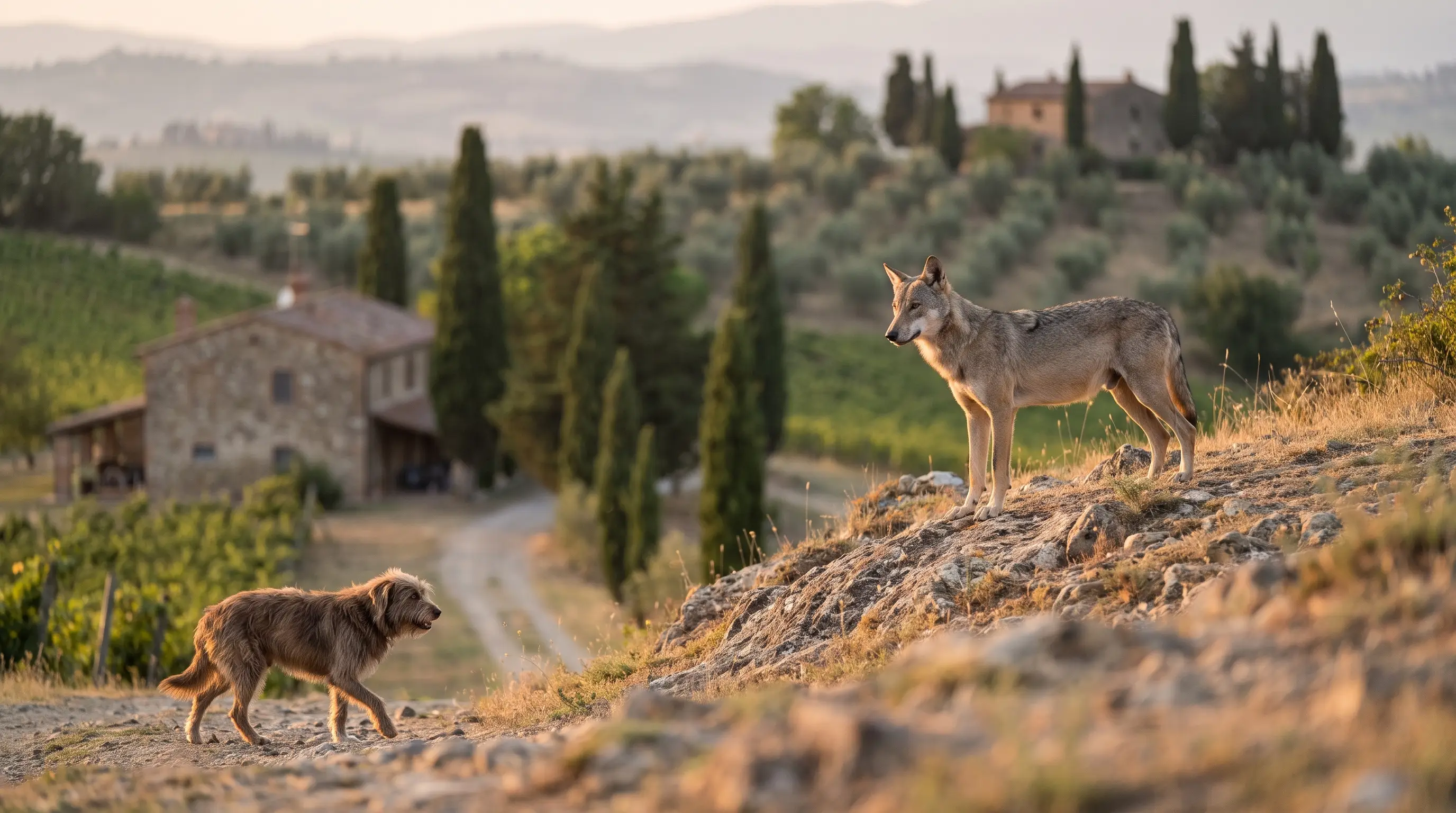
The biggest modern threat to the Apennine wolf is no longer the rifle but the free-roaming domestic dog. When a lone wolf, often a female left without a pack, meets stray or unconfined dogs, the two can breed, and the resulting hybrids and their descendants carry dog genes back into the wild population. Recent genetic surveys in peninsular Italy have found that a large share of sampled wolves, in some studies close to half, carry some dog ancestry, which slowly dilutes the wolf's distinct gene pool.
It is the same problem facing the Italian wildcat, another native predator whose wild identity is being blurred by crossing with domestic animals. On top of hybridisation, wolves still die from illegal poaching, poisoned bait meant for them or for other predators, and collisions with cars on the roads that now cut through their range. The Apennine wolf remains strictly protected under Italian and European law, and keeping owned dogs under control and strays out of wolf country is now as much a part of protecting it as any anti-poaching patrol.
Common questions
How many Italian wolves are left?
Italy's most recent national estimate put the wolf population at roughly 3,300 animals as of 2022, up from an estimated 70 to 100 in the early 1970s. Numbers have grown at around six percent a year since legal protection began, and the species now occupies the Apennines and much of the Alps.
What is the difference between an Italian wolf and a grey wolf?
The Italian wolf is a distinct population of grey wolf, so it is a grey wolf, but a smaller and leaner one adapted to the Apennine mountains. It has a greyish-fawn coat with a dark band down the front legs and a dark facial mask, a rounder skull and smaller teeth than northern European wolves, plus its own mitochondrial DNA lineage.
Are Italian wolves dangerous to humans?
Italian wolves pose very little danger to people, and verified attacks on humans are extremely rare because wolves avoid us. Most conflict involves livestock rather than people, and it is reduced with fencing, guardian dogs and secure night enclosures.
What do Italian wolves eat?
Italian wolves eat mainly wild hoofed animals, above all wild boar, roe deer and red deer. Hares, smaller mammals and carrion fill gaps, and they will take unprotected livestock where flocks graze in wolf territory.
Is the Italian wolf protected?
Yes, the Italian wolf has been strictly protected since a 1971 ministerial decree removed it from the list of huntable species. That protection is reinforced by Italy's Law 157/1992, the Berne Convention and the EU Habitats Directive.
Where do Italian wolves live?
Italian wolves live the length of the Apennine mountains that run down the Italian peninsula, their historic stronghold. Since recovering they have spread north into the Alps and across into France, and dispersing individuals occasionally turn up near large cities.
More in Wild
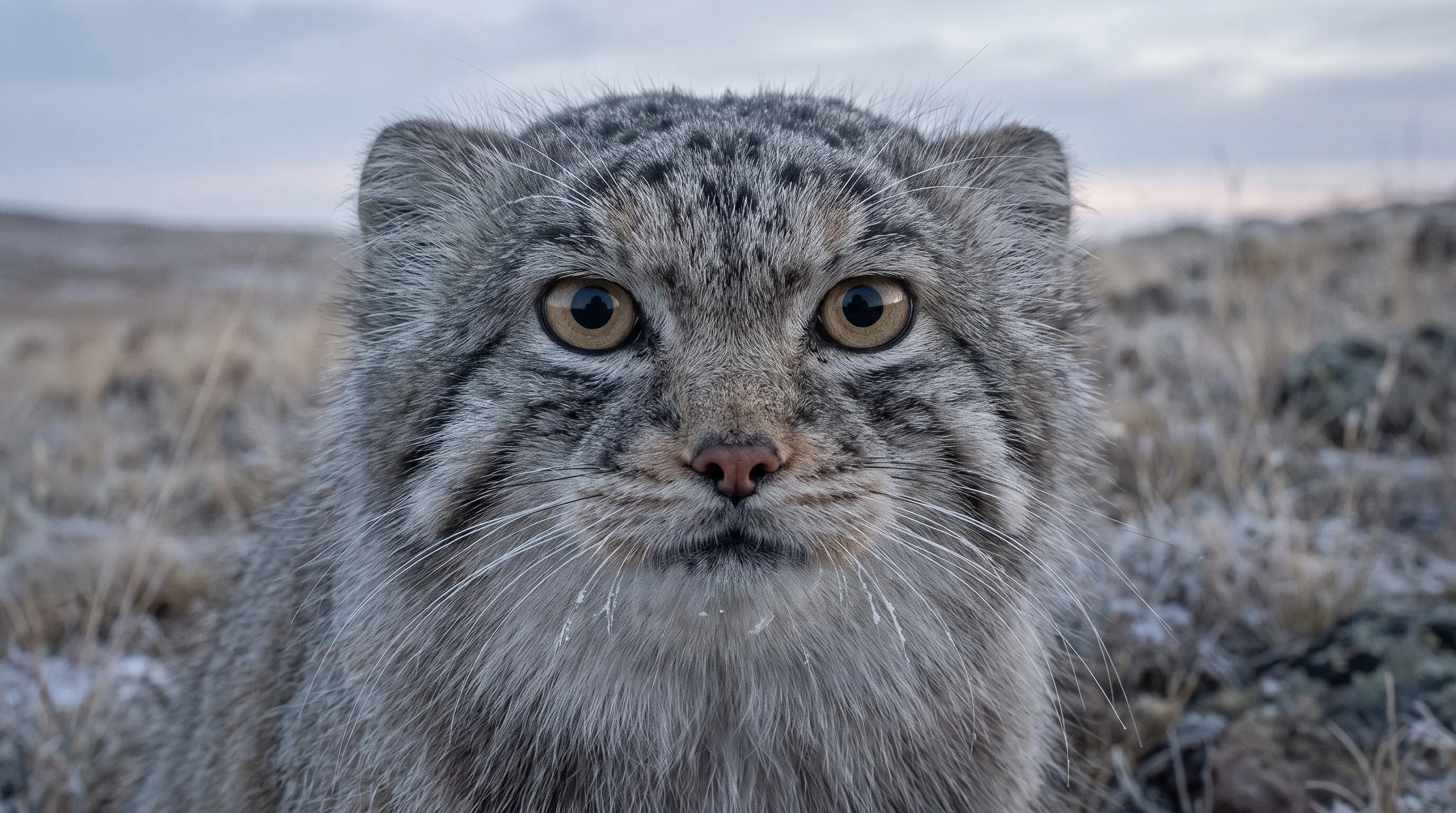
8 small wild cats you've never heard of
Eight small wild cats — from the deadliest hunter on Earth to the ancestor of your housecat — and where each one still lives.
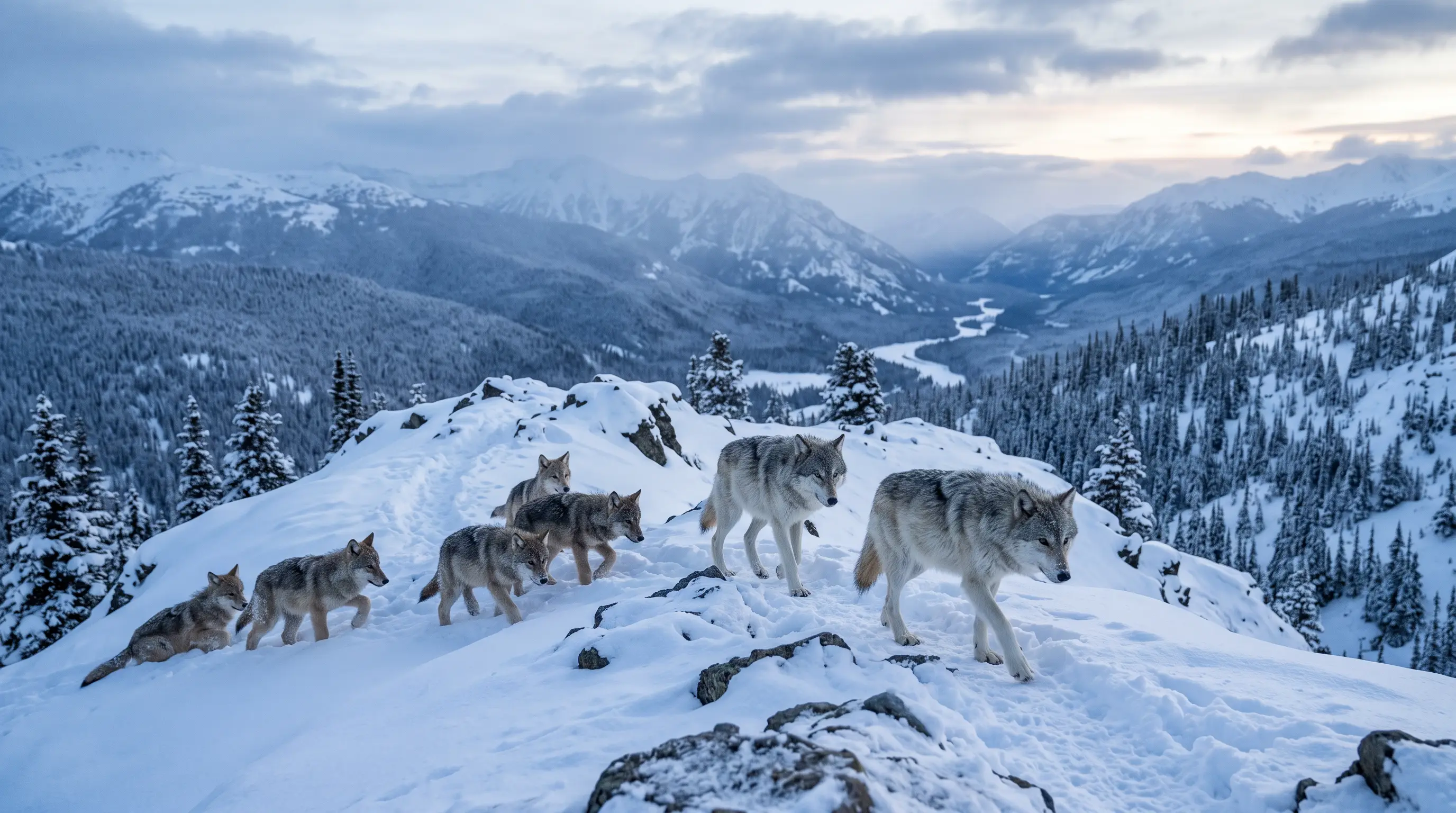
The Alpha Wolf Myth: How a Pack Really Works
The alpha wolf was invented in a captive enclosure. In the wild a pack is a family led by parents, and your dog isn't fighting you for rank.
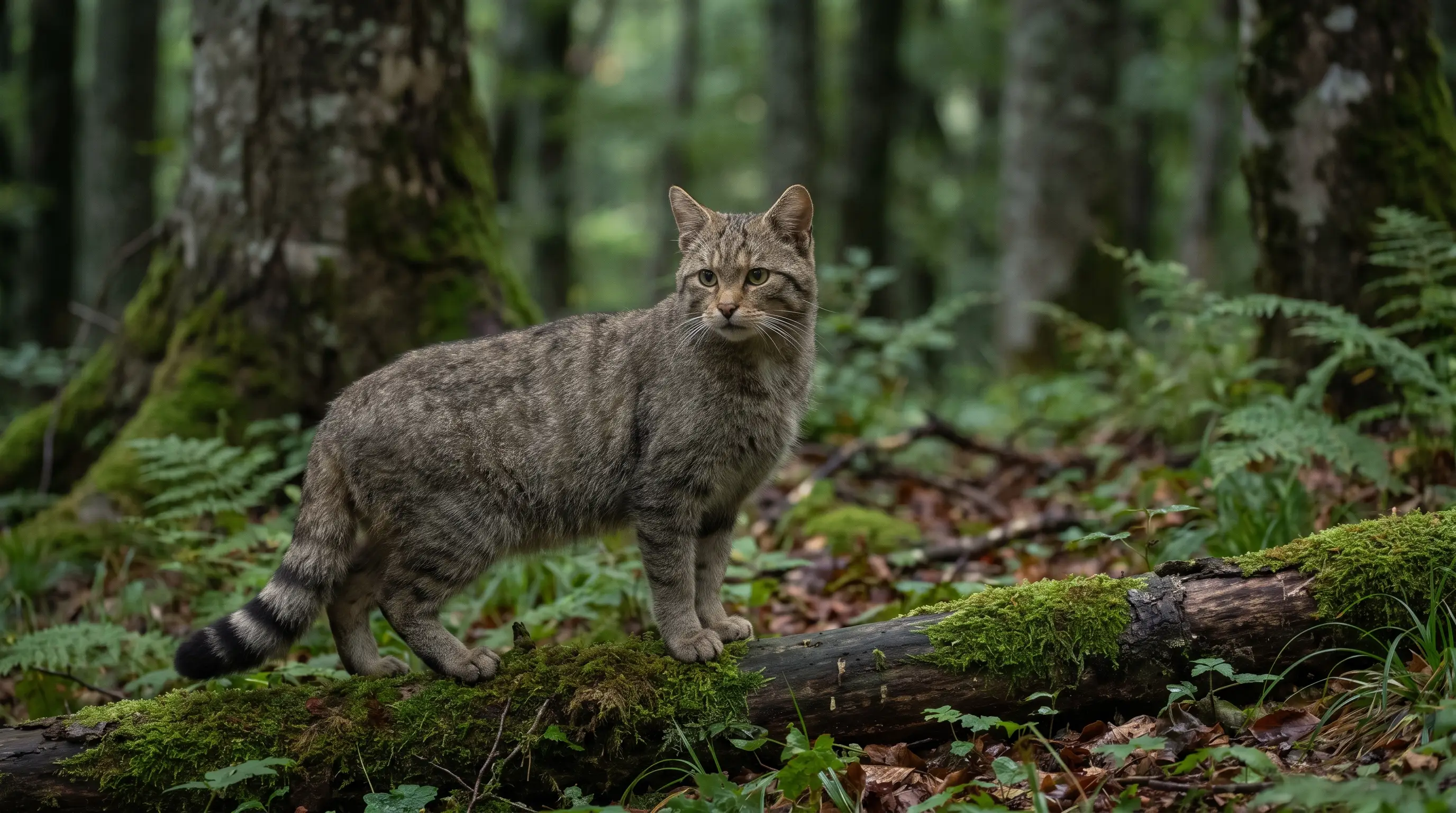
Italian wildcat: spotting a true Felis silvestris
Italy has a genuine native wild cat hiding in its forests. Here is how to tell one from a big farmyard tabby, and why it needs protecting.