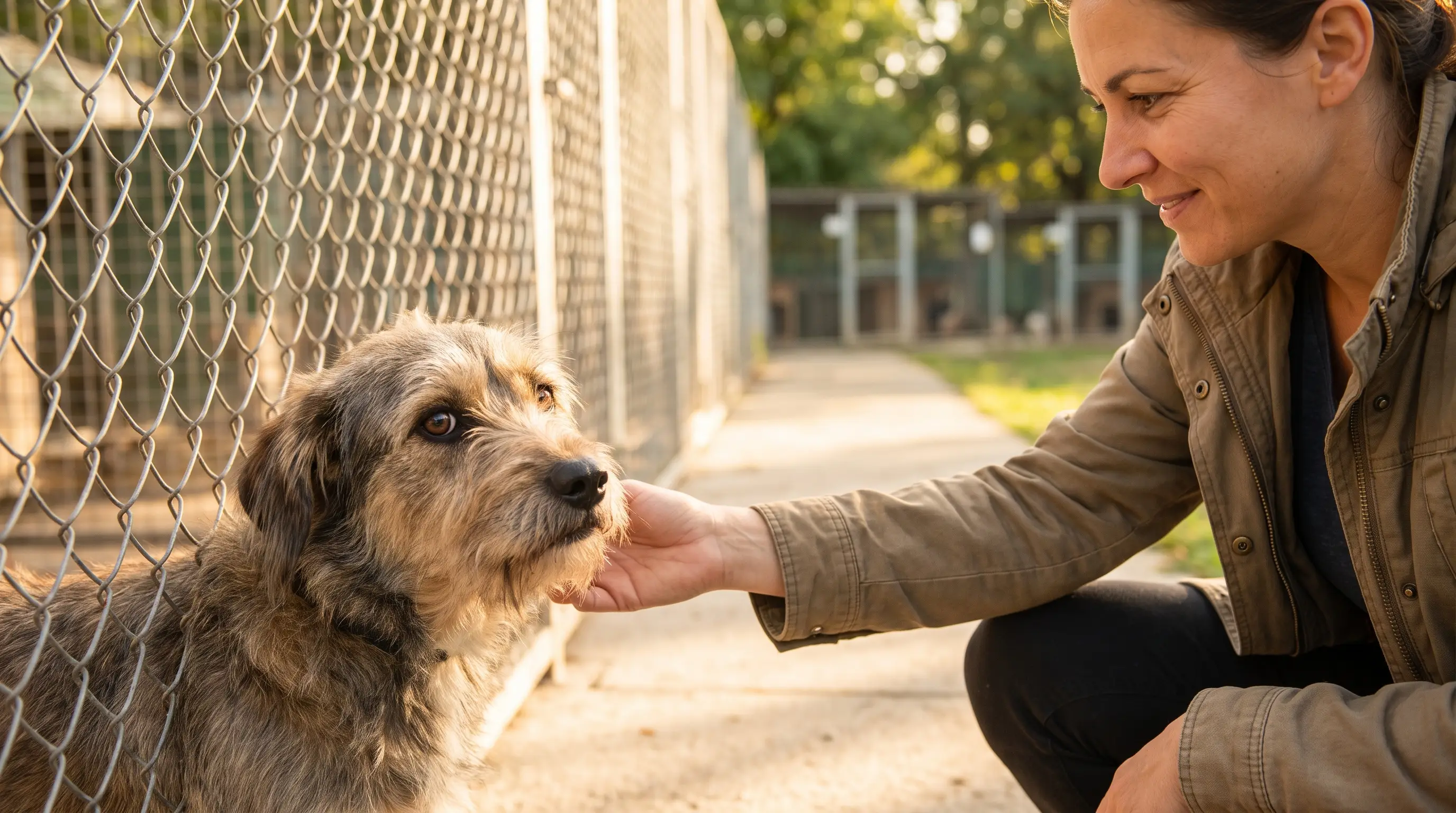
How to adopt a dog or cat from a shelter
Adopting a dog or cat from a shelter or rescue is usually cheaper and kinder than buying one, and the fee often already covers vaccination, a microchip and spay or neuter surgery. The part that surprises first-timers is the screening: you fill in an application, answer questions about your home and routine, and sometimes have a home visit or a meet-and-greet before you take an animal home. Here is how the whole process works for both dogs and cats, from where to look to the first days after you bring them home.
Where to look: shelter, rescue or foster network
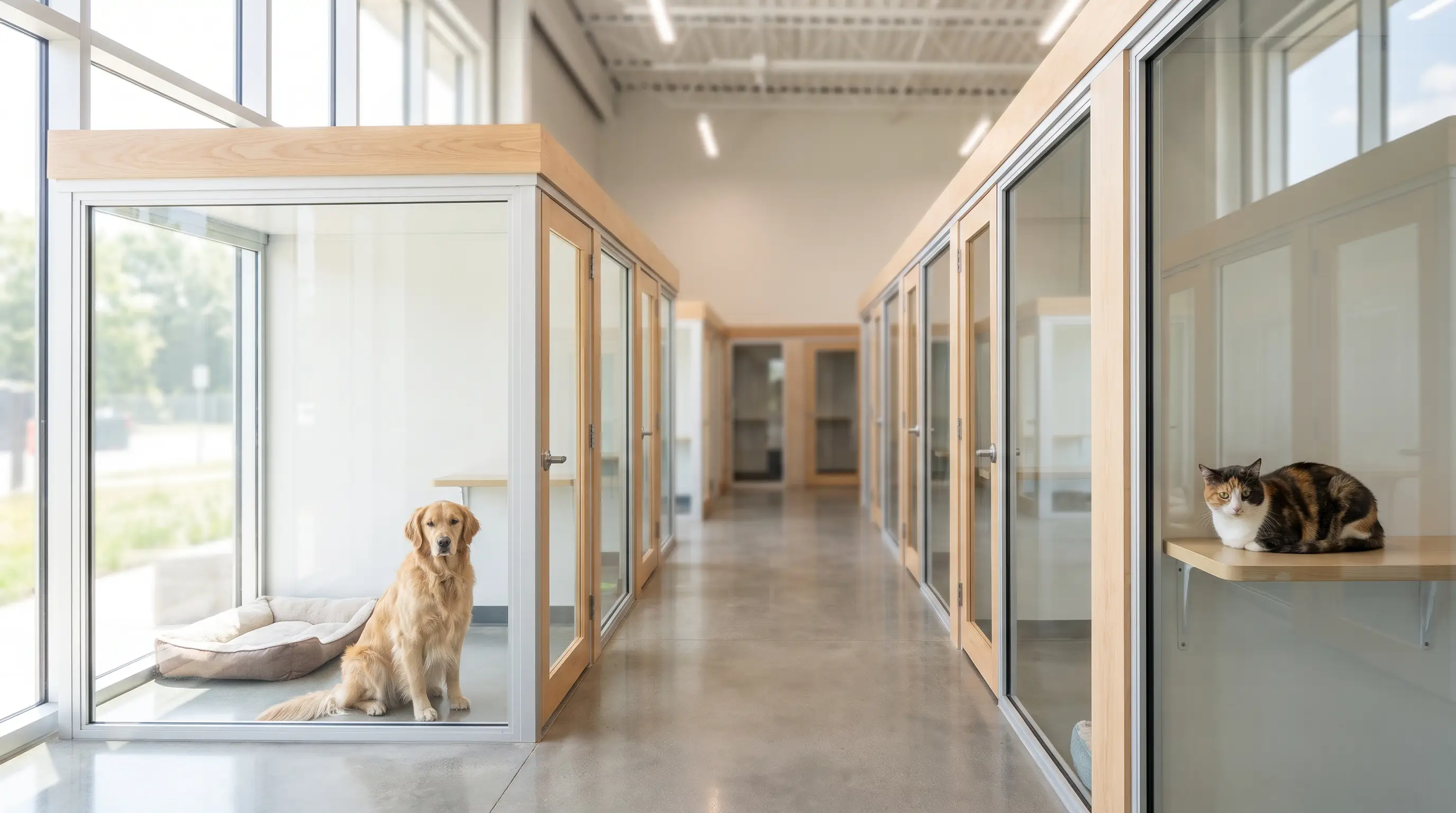
Start with three kinds of place: municipal or council shelters, breed-specific rescues, and foster-based rescues, and it helps to know how each one works before you visit. A municipal or council shelter takes in strays and surrendered animals from a whole area, so you will see a wide mix of ages, sizes and mixed breeds, and dogs and cats often sit side by side. These shelters usually let you visit in person, which is the fastest way to meet a lot of animals in one afternoon. Because intake is high, staff move quickly, so go with a rough idea of what suits your home rather than expecting a long guided tour.
Breed-specific rescues focus on one type of dog or cat and tend to know their animals well, which helps if you have your heart set on a particular temperament or coat. Foster-based rescues have no central building at all; each animal lives in a volunteer's home, so the foster carer can tell you how the cat handles a vacuum cleaner or whether the dog is calm around children. Search your town plus "shelter" or "rescue", check local council pages, and look at national rehoming sites that list many organisations at once. If you found the animal yourself as a stray, the steps are different, and we cover them in what to do if you find a stray cat.
The application and screening
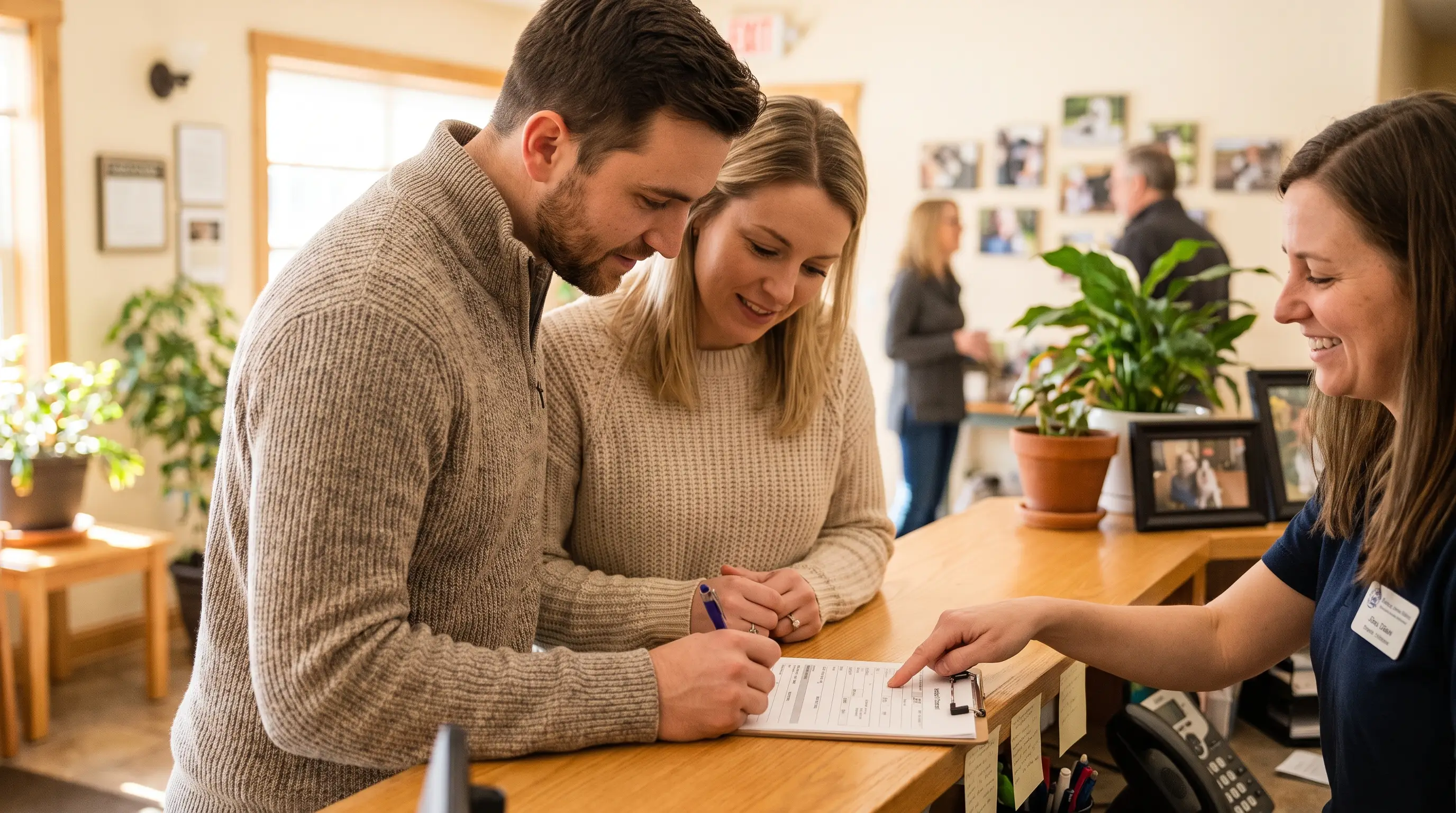
Expect an application form and some screening, and treat it as routine rather than a hurdle. The form asks about your home, your work hours, your experience with animals, whether you rent or own, who else lives with you, and any other pets. Some rescues ask for a vet reference or a quick home visit, and most want a meet-and-greet before anything is final, sometimes with your current dog present to see how the two get along. None of this is the shelter being difficult with you.
They screen because the animal in front of them has often already lost one home, and a second failed match is hard on everyone, the animal most of all. So the questions are there to find a fit, not to judge you. It is normal to be asked a lot, and it is normal to occasionally be turned down for a specific animal, usually because that dog needs a garden you do not have, or that cat cannot live with a toddler. A decline on one animal is not a verdict on you as an adopter; ask the staff which of their animals would suit your situation, and they will usually point you to a better match.
What the adoption fee covers
The adoption fee usually covers more than people expect. In most shelters it bundles core vaccinations, a microchip, and spay or neuter surgery, and often flea and worm treatment and a basic vet check on top. That means a lot of the early veterinary work is already done and paid for by the time you drive home, which is rarely the case when you buy a young animal privately.
Fees vary a great deal by country, by organisation, and by the age of the animal, so it is worth asking exactly what is included rather than comparing headline numbers. Kittens and puppies sometimes cost a little more than adults, and a senior animal may have a reduced or waived fee. Even at the higher end, the total is usually far below the price of buying the same animal from a breeder or a listing site, and you are not paying separately for the first round of vaccines and the neutering afterwards. Ask for the paperwork on what has been done, so your own vet can pick up the schedule from the right point. With an older animal, ask too whether the shelter has flagged any known health issue, so you can plan for it rather than meet it by surprise.
Choosing the right match, not the saddest face
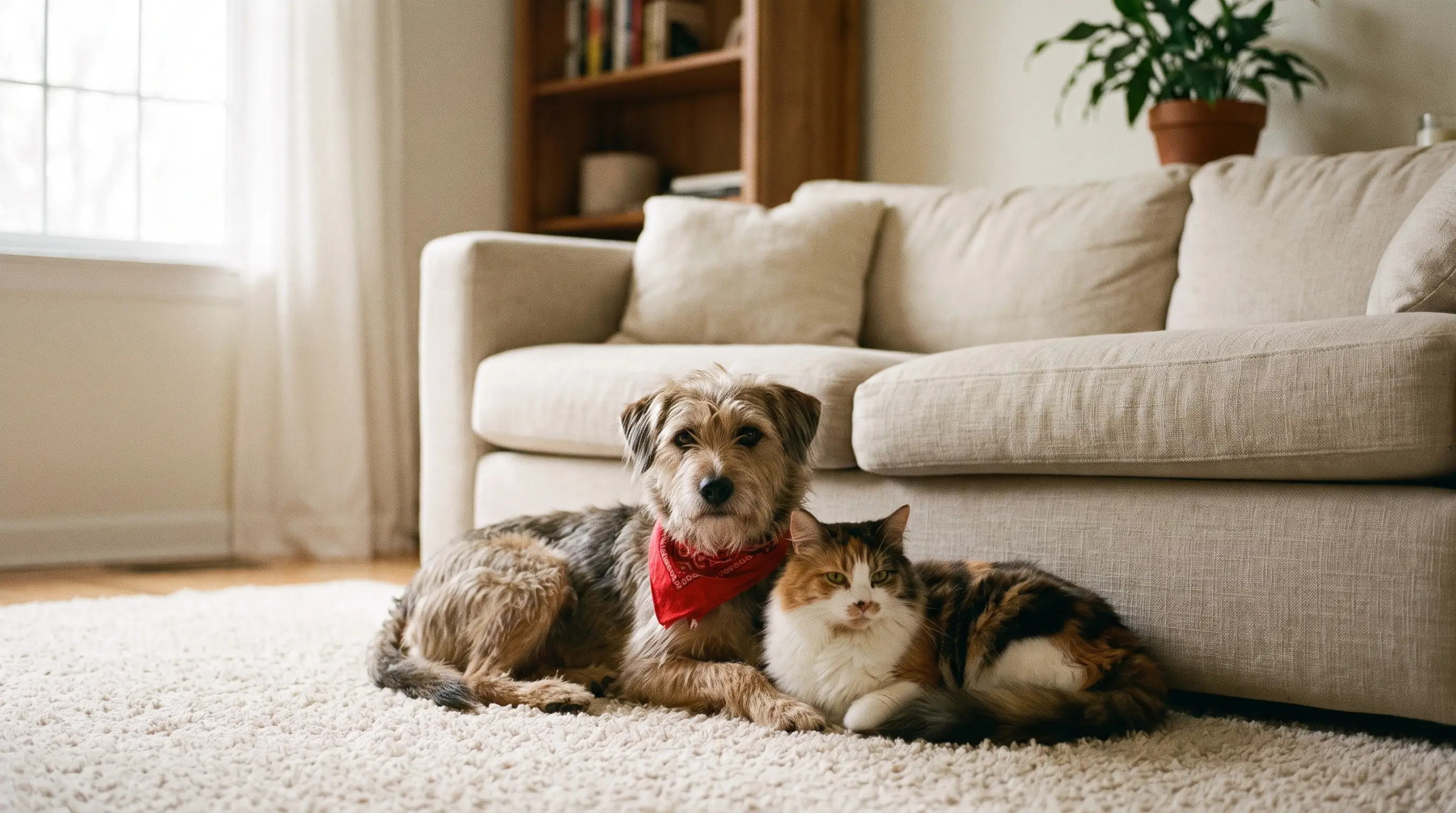
Choose for temperament and energy, not for the saddest face in the room. It is easy to fall for the animal that looks most desperate, but a good match is about how a dog or cat actually fits your days: how much exercise it needs, how it handles being alone, whether it is relaxed with children or other pets. A calm senior cat and a bouncy young dog are very different commitments, and the right one is the one that suits the life you already live. Pity fades within a week or two, but the daily reality of a mismatch does not, so let your head have a say alongside your heart.
Ask staff and foster carers what they know about the animal's history and behaviour, since they have usually watched it for weeks. What makes it nervous, how it eats, whether it has lived with cats or kids before. Be honest about your own experience and hours so they can steer you well. Consider an adult over a puppy or kitten; grown animals are often already house-trained and their personality is settled, so what you meet is close to what you get. If a particular breed is guiding you, our breed profiles explain typical energy and temperament, though in a shelter the individual animal in front of you tells you more than the label.
Bringing them home: the first days
Go slow for the first days, because a newly adopted animal is decompressing from a stressful move and needs quiet more than it needs fun. Set up a calm space before they arrive: a crate or a bed in a low-traffic corner for a dog, a small room with a litter tray, food and a hiding spot for a cat. Keep visitors away, keep the house quiet, and let the animal come to you rather than crowding it. Many dogs and cats hide, sleep a lot, or barely eat for the first day or two, and that usually settles on its own.
A widely used guide for dogs is the three-three-three rhythm, roughly three days to decompress, three weeks to learn your routine, and three months to feel at home, which we walk through in settling a rescue dog with the 3-3-3 rule. Cats need the same patient, room-by-room start, covered in bringing a kitten home. Most rescues offer support after you adopt, so call them if the settling stalls, and nearly all include a return option if the match truly does not work. Using it is not a failure; a good rescue would far rather take an animal back than see it struggle in the wrong home.
Common questions
How much does it cost to adopt a dog or cat?
Adoption fees vary widely by country, by shelter, and by the animal's age, so ask the specific organisation rather than expecting one figure. As a rule the fee is far lower than buying from a breeder, and it usually already includes vaccination, microchipping and spay or neuter surgery. Kittens and puppies often cost a little more than adults, and some shelters reduce or waive the fee for senior animals.
What is included in the adoption fee?
In most shelters the fee covers core vaccinations, a microchip, and spay or neuter surgery, and often flea and worm treatment plus a basic health check. It varies by organisation, so ask for a written list of what has been done. That paperwork lets your own vet pick up the vaccination schedule and any remaining treatments from the right point.
What questions do shelters ask when you adopt?
They usually ask about your home, whether you rent or own, your working hours, who lives with you, any other pets, and your experience with animals. Some also ask for a vet reference or arrange a short home visit. The questions are there to match the animal to a home that fits, not to catch you out.
Can a shelter deny your adoption application?
Yes, a shelter can decline an application, and it happens fairly often for a specific animal. It usually means that particular dog or cat needs something your home cannot offer, such as a secure garden or a house without young children, rather than a judgement on you. Ask which of their other animals would suit your situation, and they will normally suggest a better match.
Can you return an adopted pet if it doesn't work out?
Almost all rescues include a return option, and most ask that you bring the animal back to them rather than rehoming it yourself. Returning an animal that genuinely is not settling is not a failure; a good rescue would rather take it back and find a better fit. Many also offer advice after adoption, so call them before you decide, as some early problems settle with time and support.
Is it better to adopt from a shelter or buy from a breeder?
For most people adopting is the better first option: it costs less, gives a home to an animal that needs one, and the fee usually covers the early veterinary work. A responsible breeder can make sense if you need a predictable size or temperament for a specific reason, such as an allergy or a working role. Either way, avoid impulse buys from online listings and unlicensed sellers, where health and history are often unknown.
More in Dogs
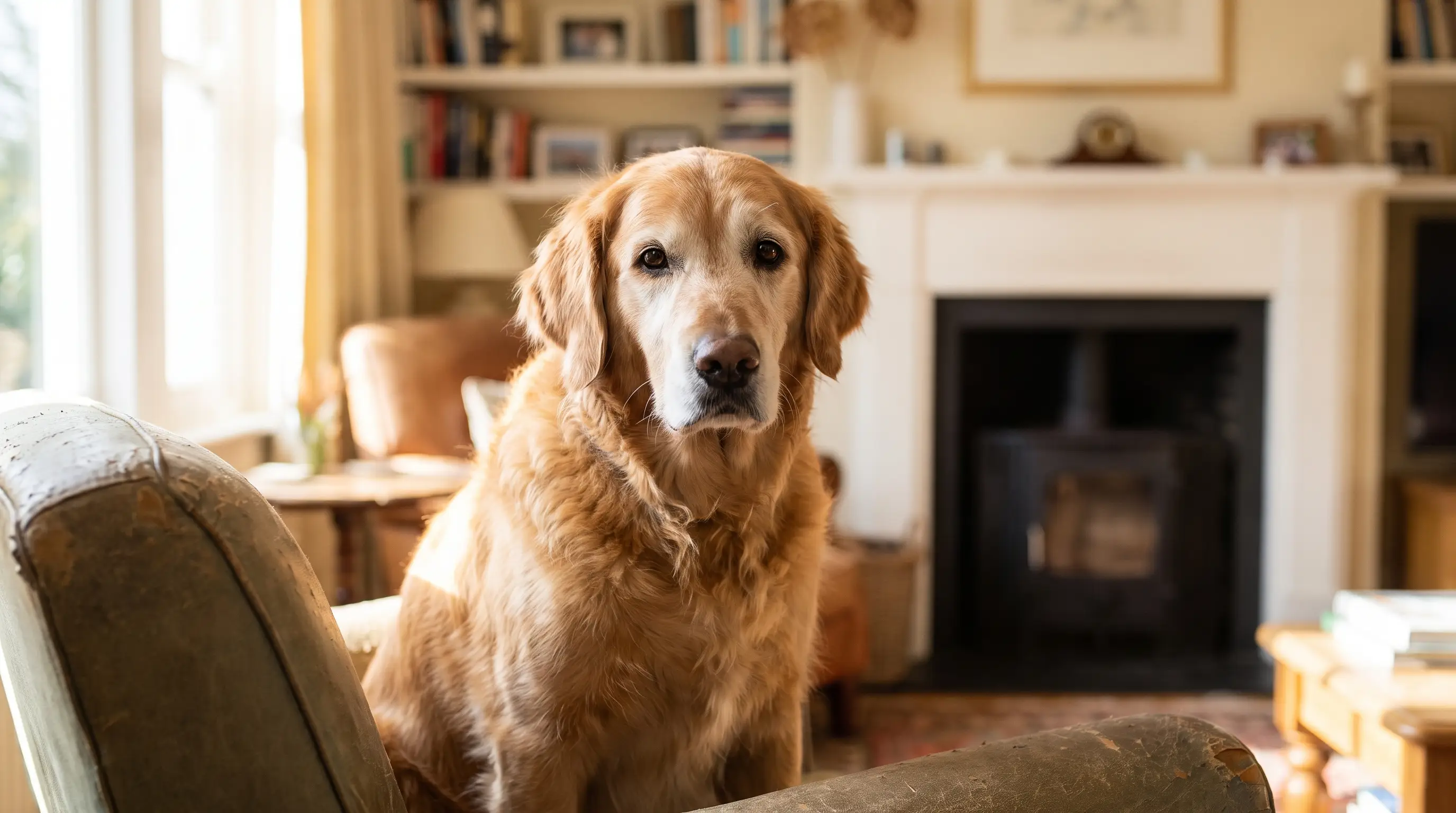
Why adopt an adult dog instead of a puppy
An adult dog shows you its size, coat and temperament from day one, and is often already house-trained, for an easier start than a puppy.
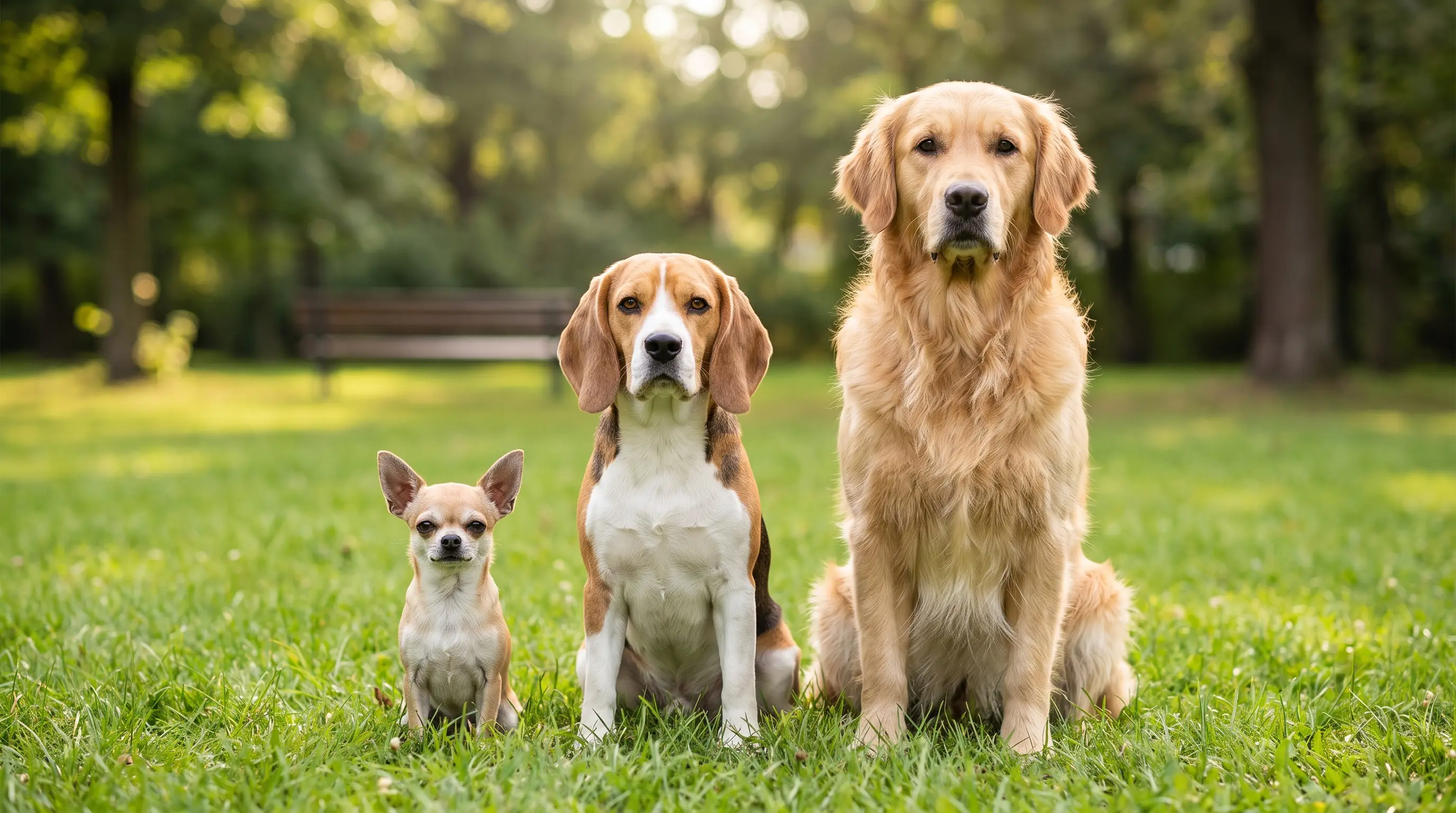
Small, medium or large? Choosing a dog's size
Size sets food bills, strength on the lead and lifespan, but not energy. Match a dog's temperament first, then choose small, medium or large.
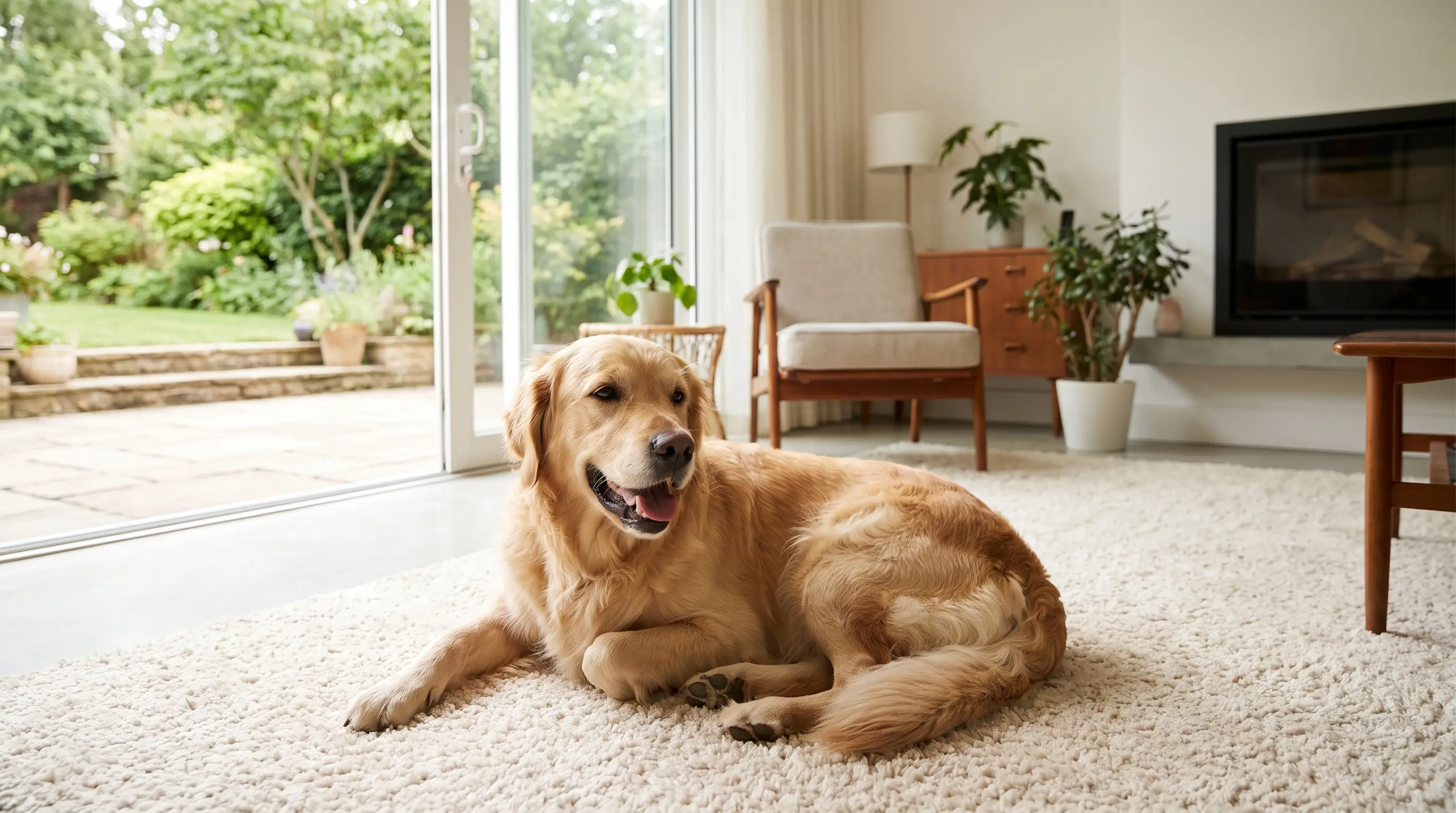
Dog-proofing your home and garden
Dog-proof your home and garden before you adopt: fix indoor hazards, secure the fences and gate, clear toxic plants, and set up the dog's own space.