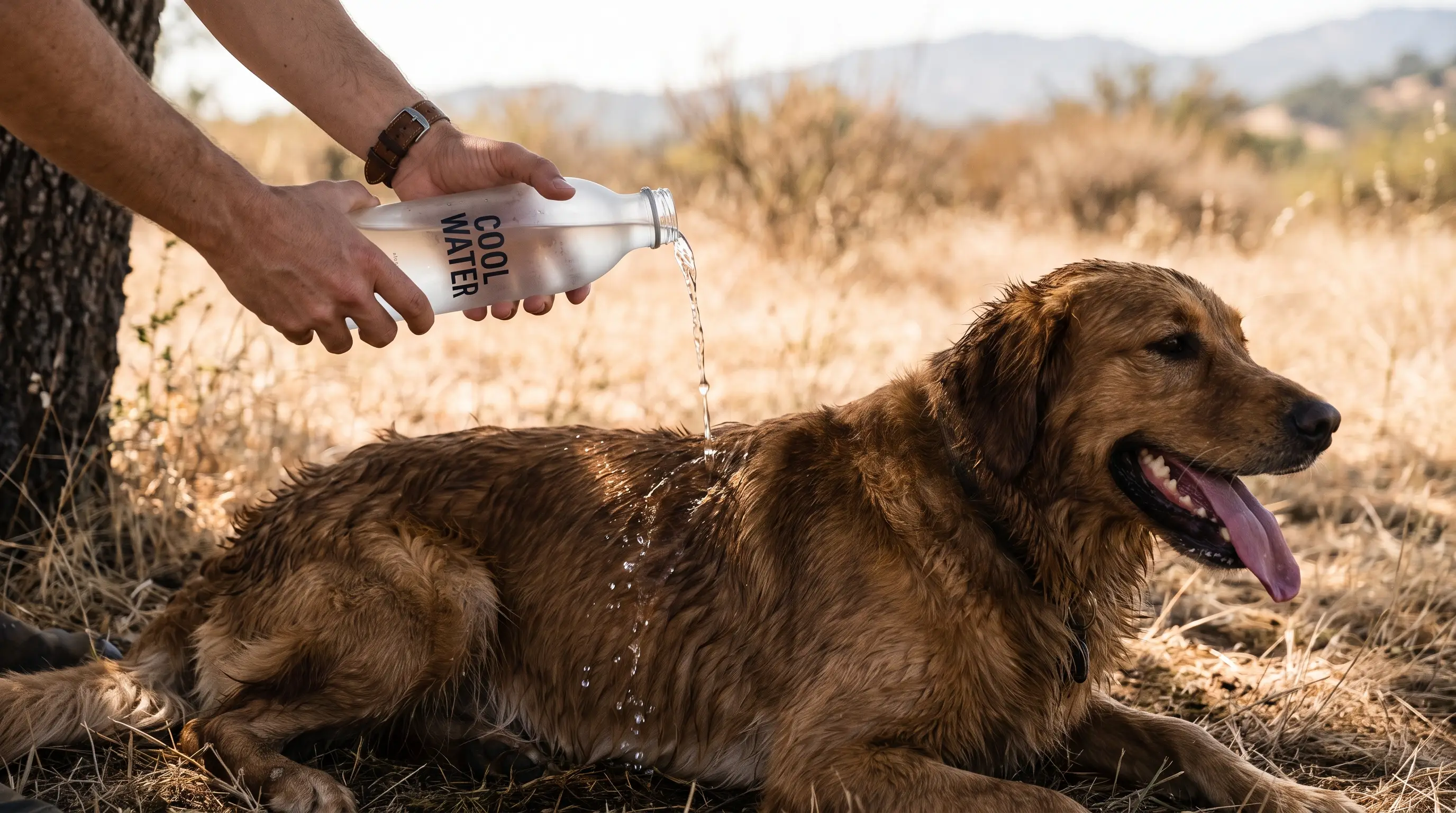
Hydration for dogs and cats: why it matters, and why cats barely drink
Dogs usually drink when they need to; cats often don't, and that difference matters more than most owners realise. A cat evolved from a desert animal with a weak thirst drive, built to get most of its water from prey — so a cat on dry food frequently lives in a state of mild, chronic dehydration that strains its bladder and kidneys over years. Dogs face the sharper, faster risk of dehydration in heat and illness. Here is how much water each actually needs, the signs that they are short, and the practical ways to get more water into an animal that would rather not drink it.
How much water a dog and a cat really need
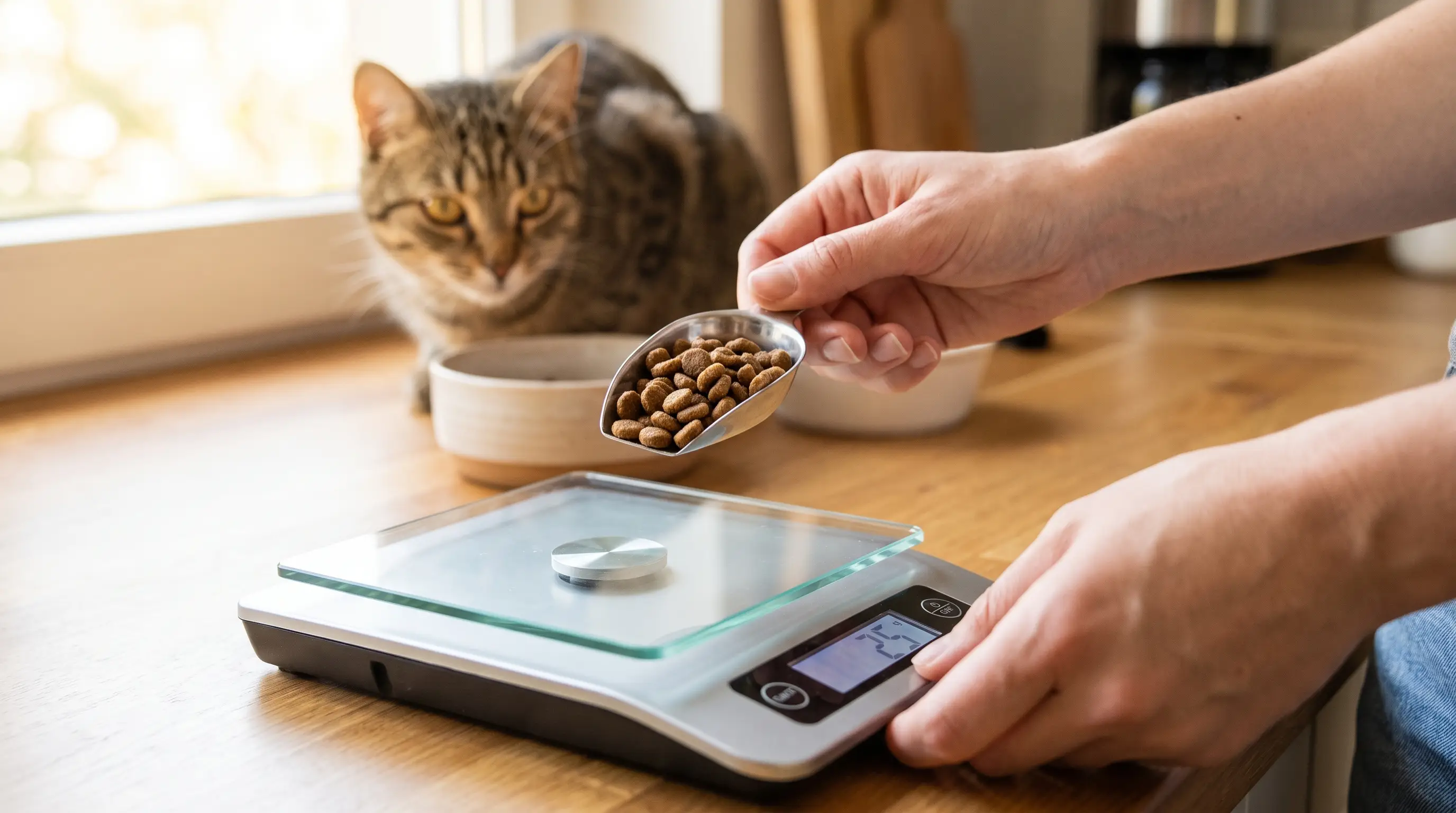
As a rough guide, a healthy dog needs about 40 to 60 ml of water per kilogram of body weight per day, so a 20 kg dog needs roughly a litre. A cat needs a similar amount for its size, around 50 ml per kilogram, so a 4 kg cat needs about 200 ml a day. But the food does a lot of the work. Wet food is roughly 70 to 80 percent water, while dry kibble is only about 10 percent — so a cat or dog eating mostly wet food gets much of its daily water at the bowl of food and drinks far less, which is completely normal. An animal on dry food has to make up the whole difference by drinking, and that is exactly where cats fall short. Use these numbers as a sense of scale, not a target to force; what matters is the total, from food and water together.
Why cats barely drink — and why it costs them
Cats descend from the African wildcat, a desert hunter that got nearly all its water from the bodies of its prey and evolved a famously weak sense of thirst. A cat's kidneys are built to concentrate urine and squeeze water back, so a cat simply does not feel the urge to drink the way a dog does — it is wired to run a little dry. That was fine on a diet of mice, which are about 70 percent water. It is a problem on modern dry food, which is not. The result is that many cats live in a state of low-grade chronic dehydration, and over years that concentrated urine and constant kidney workload are linked to two of the most common feline diseases: lower urinary tract problems (crystals, cystitis, painful blockages, especially in males) and chronic kidney disease. Getting more water into a cat is not fussing — it is preventive medicine for the two organs most likely to fail it.
The signs a dog or cat is dehydrated
You can check hydration at home in a few seconds. The skin-tent test: gently lift the loose skin over the shoulders and let go — on a well-hydrated animal it snaps back instantly, while skin that sinks back slowly, like slow dough, signals dehydration. Check the gums: they should be wet and slippery, and pressing a fingertip on them should leave a pale spot that pinks up within about two seconds. Tacky, dry gums, or a spot slow to refill, mean trouble. Other warning signs are lethargy, sunken or dull eyes, loss of appetite, and panting that won't settle. A dog that suddenly drinks a great deal more than usual is also worth a vet visit — excessive thirst can be an early sign of kidney disease, diabetes or other illness, in both dogs and cats. When in doubt, mild dehydration is a same-day vet question; a collapsed, non-responsive animal is an emergency now.
How to get a reluctant cat (or dog) to drink more
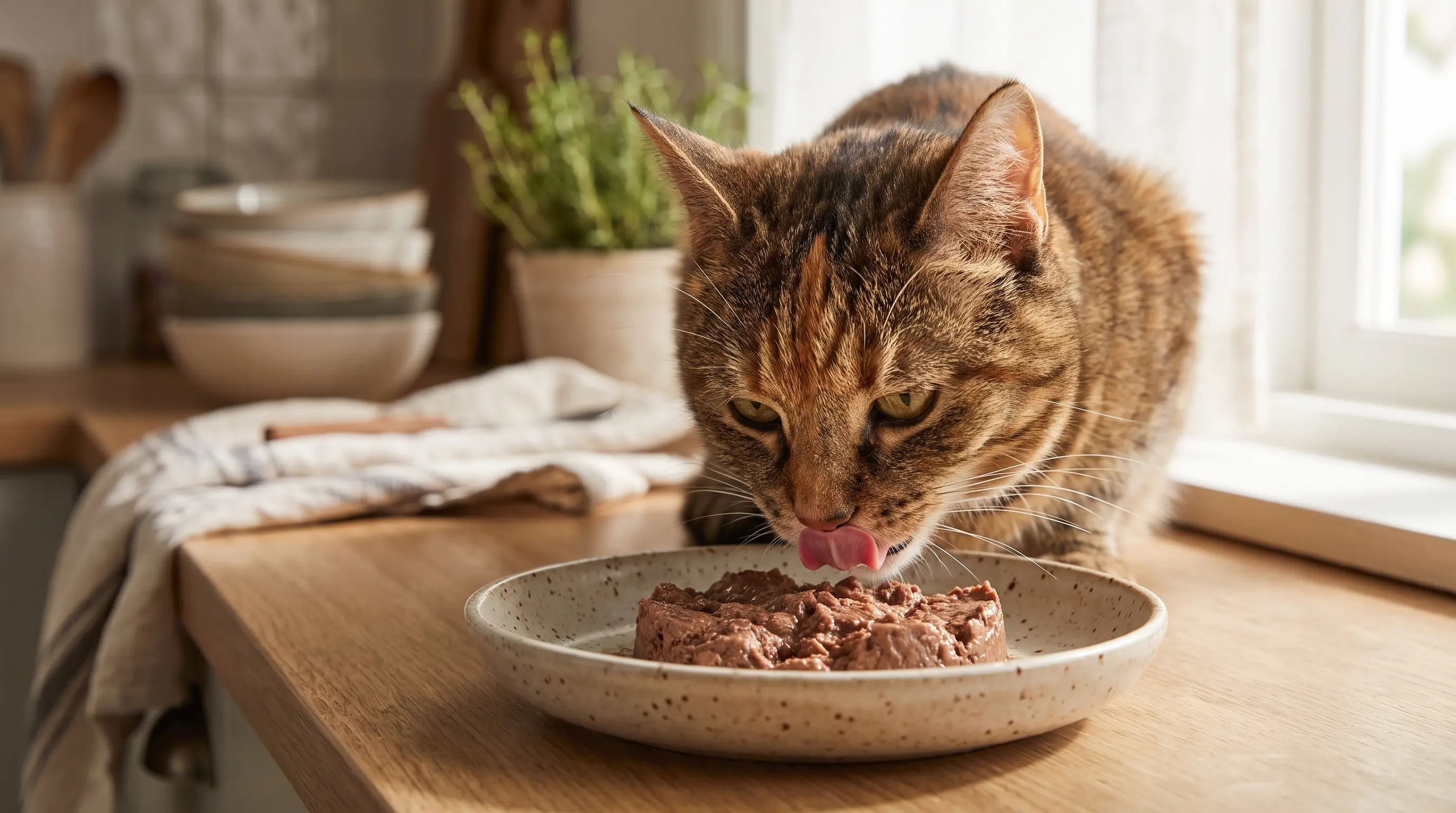
The single most effective change for a cat is wet food, wholly or partly: it can more than double a cat's total water intake without the cat drinking a drop more, because the water rides in with the meal. Beyond that, cats are fussy about how water is presented. Offer several wide, shallow bowls around the home, filled to the brim (cats dislike their whiskers touching the sides), and keep them away from the food and the litter tray — a cat's instinct is to drink apart from where it eats and toilets. Many cats drink far more from a pet water fountain, because moving water reads as fresher and safer than a still bowl. You can also add a splash of water or a little unsalted, onion- and garlic-free broth to meals. For dogs the rules are simpler — fresh water always available, a bowl on every floor, a travel bottle on walks, and extra bowls in hot weather — but the wet-food and fountain tricks help a picky dog too.
Heat, illness, and when it becomes an emergency
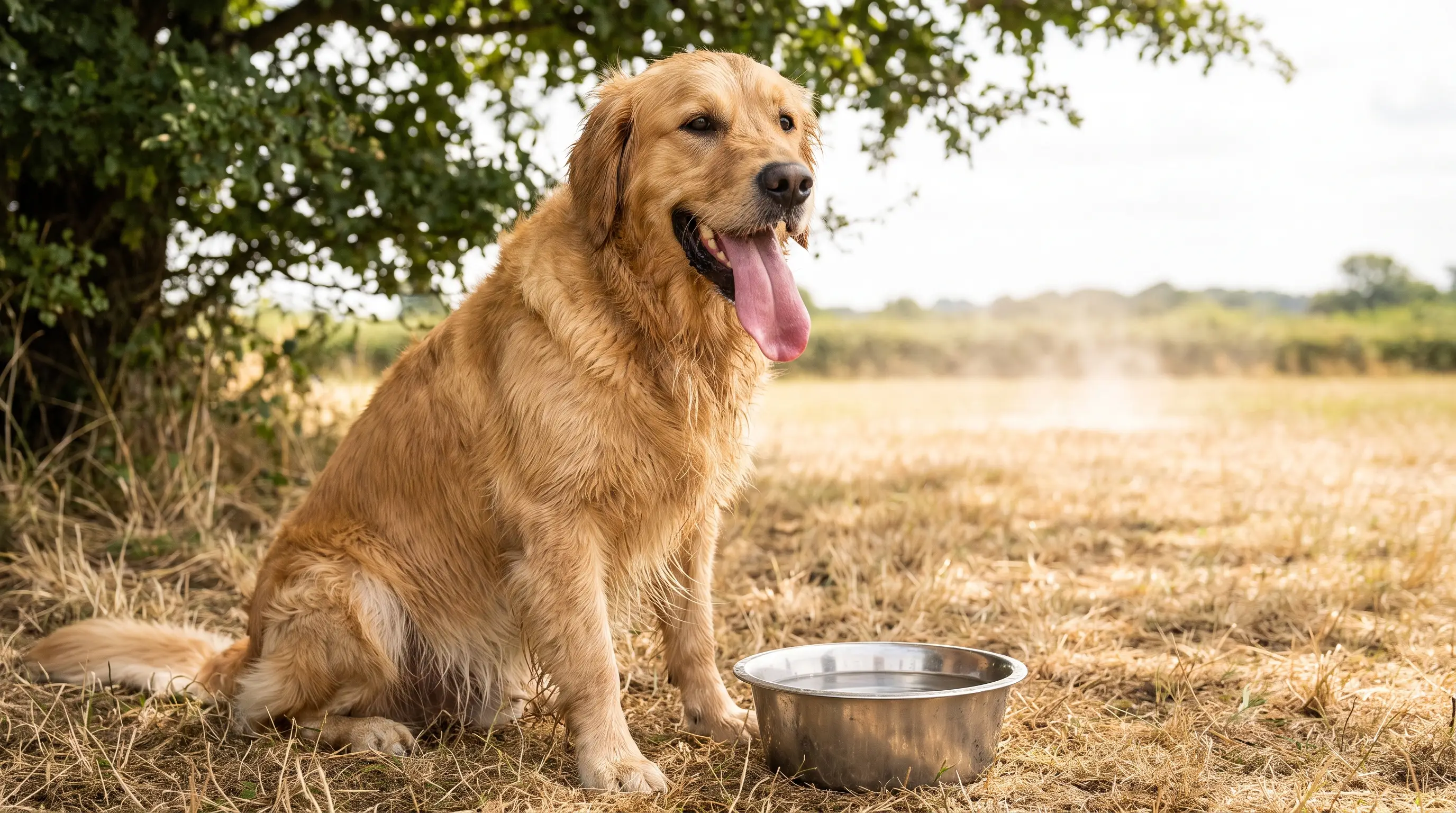
Dehydration turns dangerous fastest through heat and illness. In summer a dog can lose water faster than it replaces it, and dehydration and heatstroke travel together — flat-faced breeds are especially at risk, since a blocked airway makes the panting they cool by far less effective (more in our piece on brachycephalic breathing). Vomiting and diarrhoea drain fluid quickly, so a pet that can't keep water down for a day, or is losing it faster than it can drink, needs a vet rather than more bowls. The signs that tip from manage-at-home to go-now: a skin tent that stays up, dry or greyish gums, sunken eyes, marked weakness or collapse, or a cat straining in the litter tray and producing little or nothing — a possible urinary blockage, which is a life-threatening emergency in male cats. When dehydration is this far along, animals need fluids under the skin or into a vein, not a drink, and that only happens at the clinic.
Common questions
How much water should a dog drink a day?
A healthy dog needs roughly 40 to 60 ml of water per kilogram of body weight per day, so about a litre for a 20 kg dog. Dogs on wet food drink less because the food is mostly water, which is normal. A sudden, large increase in thirst is worth a vet check, as it can signal kidney disease or diabetes.
Why doesn't my cat drink much water?
Cats descend from desert wildcats and evolved a weak thirst drive, getting most of their water from prey. Their kidneys concentrate urine efficiently, so a cat simply doesn't feel thirsty the way a dog does. On dry food this leaves many cats mildly dehydrated, which is why wet food and encouraging drinking matter so much.
Why is hydration so important for cats?
Chronic mild dehydration is linked to the two most common feline illnesses: lower urinary tract disease (crystals, cystitis and painful blockages, especially in males) and chronic kidney disease. Keeping a cat well hydrated, mainly through wet food, is genuine preventive care for its bladder and kidneys.
How can I tell if my pet is dehydrated?
Lift the loose skin over the shoulders — it should snap back instantly; if it sinks back slowly, the animal is dehydrated. Gums should be wet and slippery, not tacky. Sunken eyes, lethargy and loss of appetite are other signs. A skin tent that stays up or dry, greyish gums mean you should see a vet promptly.
How do I get my cat to drink more water?
The biggest single step is feeding wet food, which can more than double water intake. Offer several wide, brim-full bowls away from food and litter, try a pet water fountain since cats prefer moving water, and add a splash of water or unsalted, onion-free broth to meals. Fresh, clean water changed daily helps too.
When is dehydration an emergency in dogs or cats?
Seek a vet immediately for a skin tent that stays up, dry or greyish gums, sunken eyes, marked weakness or collapse, or ongoing vomiting and diarrhoea that outpace drinking. A male cat straining in the litter tray with little or no urine may have a urinary blockage — a life-threatening emergency. Severe dehydration needs vet-administered fluids, not just a drink.
More in Dogs
Reading the pet food ingredient list: meat, meal and by-product
'Chicken' first isn't the win it looks like, and 'by-product' isn't the villain. How to read an ingredient panel the way the people who write it do.

Human-grade vs feed-grade pet food, decoded
'Human-grade' is one of the few pet-food terms with a legal meaning — and one of the most stretched. Here's what it really requires, and whether it's worth paying for.
Pet food quality words, decoded: what the label really promises
Human-grade, holistic, natural, premium, single protein. Most of it is marketing, some of it is law. Here's what each word actually guarantees — and the one claim that really matters.