8 rare dog breeds most people never meet
Most of the dogs you pass on the street belong to a dozen or so popular breeds. These eight are the opposite — so uncommon that many people, even lifelong dog lovers, will never see one in person. Some nearly went extinct. Some never left the region that made them. All of them are worth knowing.
Azawakh
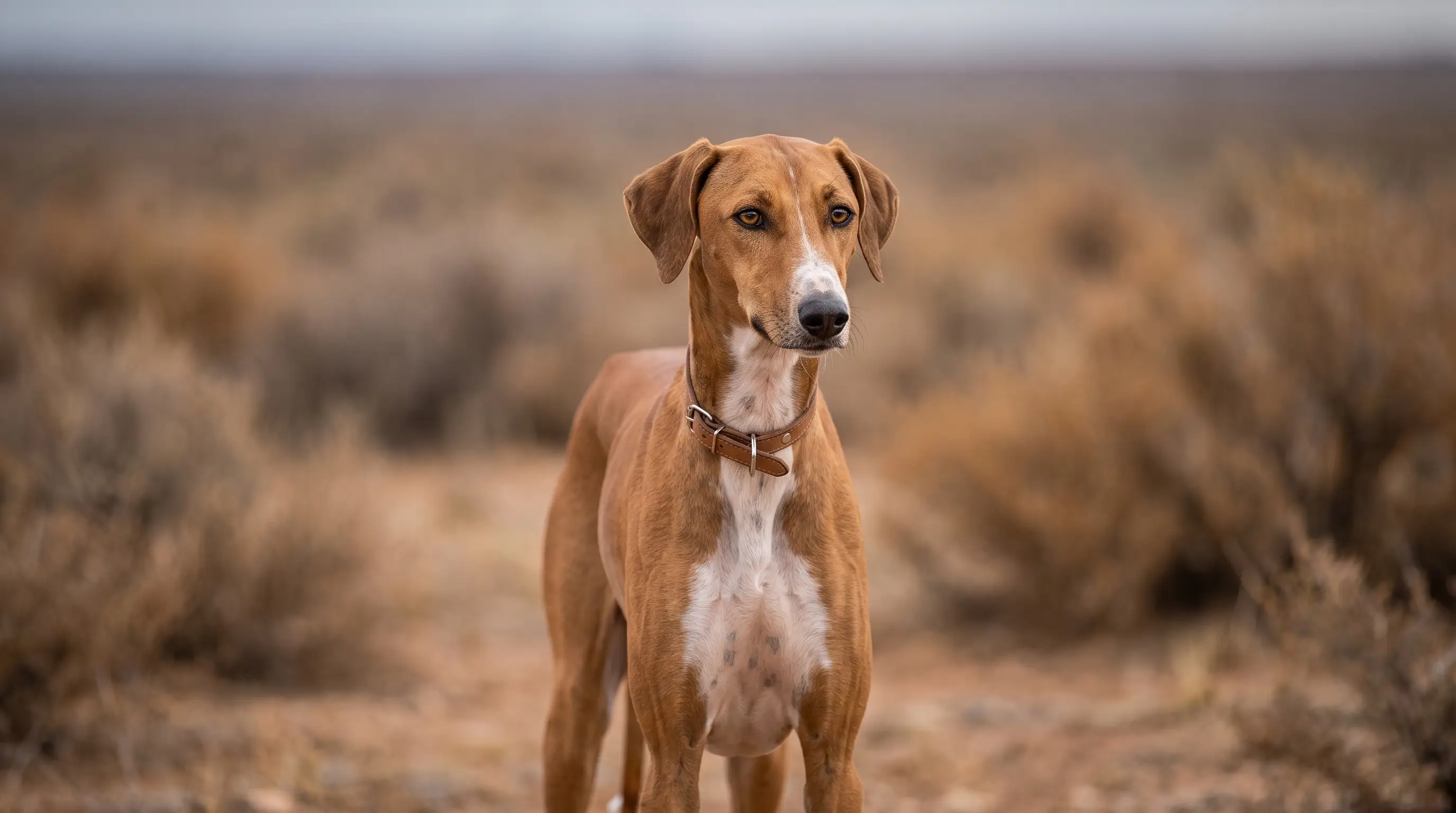
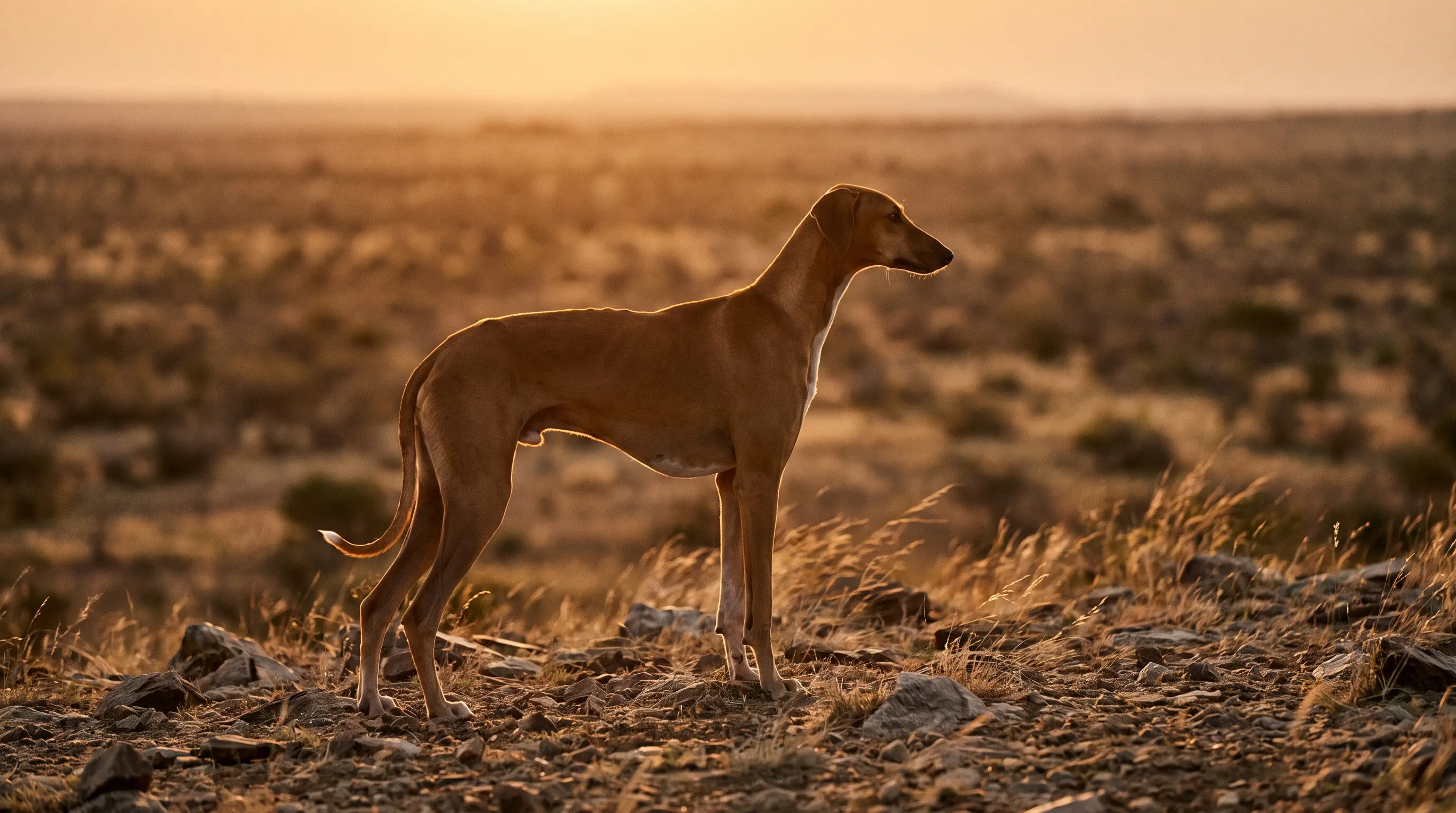
A sighthound from the Sahel, the Azawakh was bred by the Tuareg, Fula and other nomadic peoples of Mali, Niger and Burkina Faso to guard camp and run down gazelle across open desert. It is startlingly lean — you are meant to see the outline of its hips and ribs — and it moves with a light, springing gait built for heat and distance. Aloof with strangers and fiercely bonded to its own people, it is a dog that chooses you rather than the other way round. The American Kennel Club only fully recognised it in 2019. This is not a beginner's dog: it wants space, warmth and a person it can trust completely.
Bergamasco Sheepdog
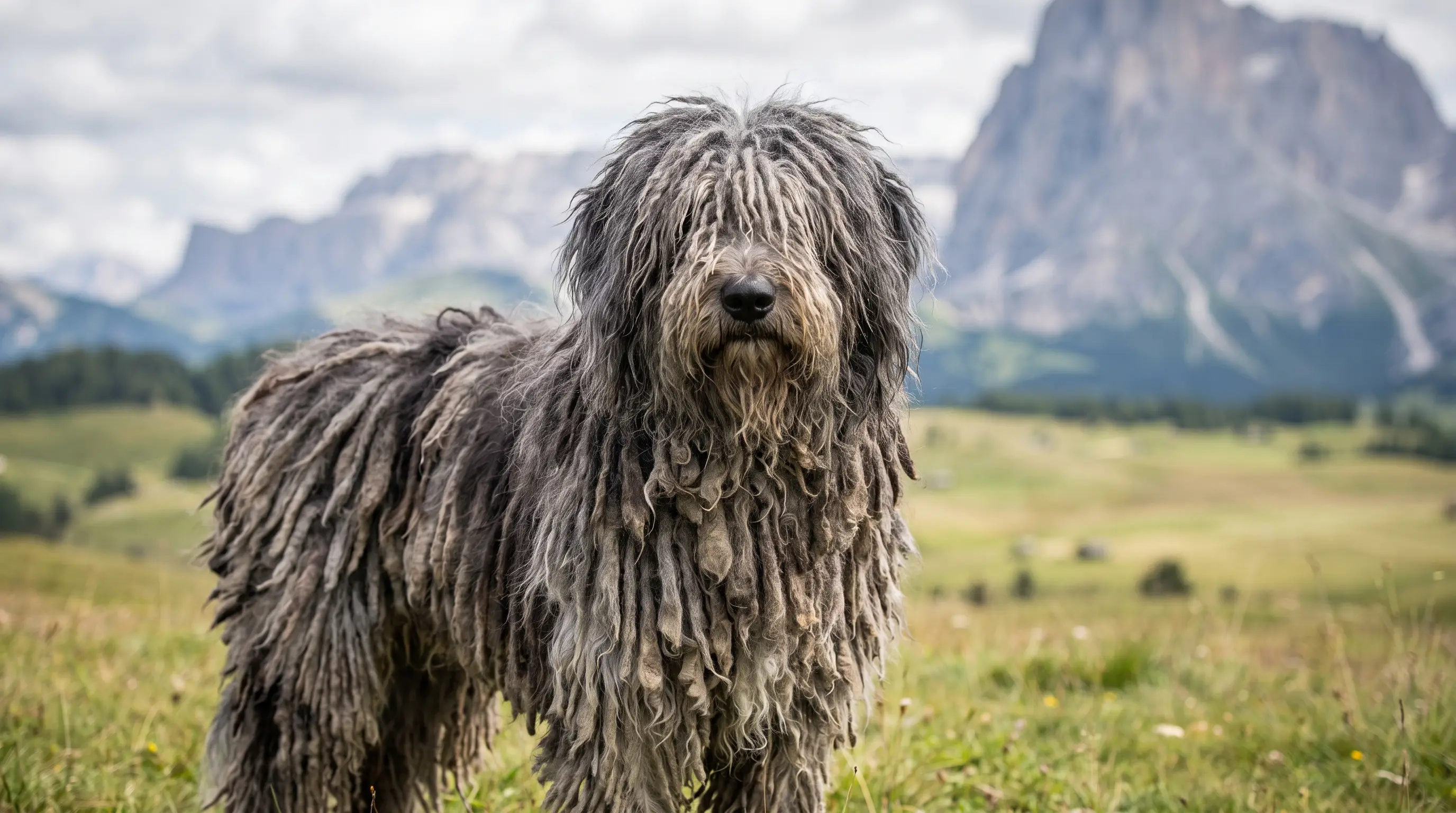
This Italian mountain dog wears one of the strangest coats in the dog world. Rather than fur or cords, the Bergamasco's hair felts itself into flat mats — 'flocks' — that grow over its lifetime into heavy, weatherproof plates. Shepherds in the Alps above Bergamo bred it to guard and move flocks through hard winters, and the coat that looks like dreadlocks is really centuries of function. The flocks take about a year to form and then largely look after themselves — you cannot brush them out. Under the mop is a calm, watchful, deeply loyal dog that bonds to a whole family rather than one person.
Bedlington Terrier
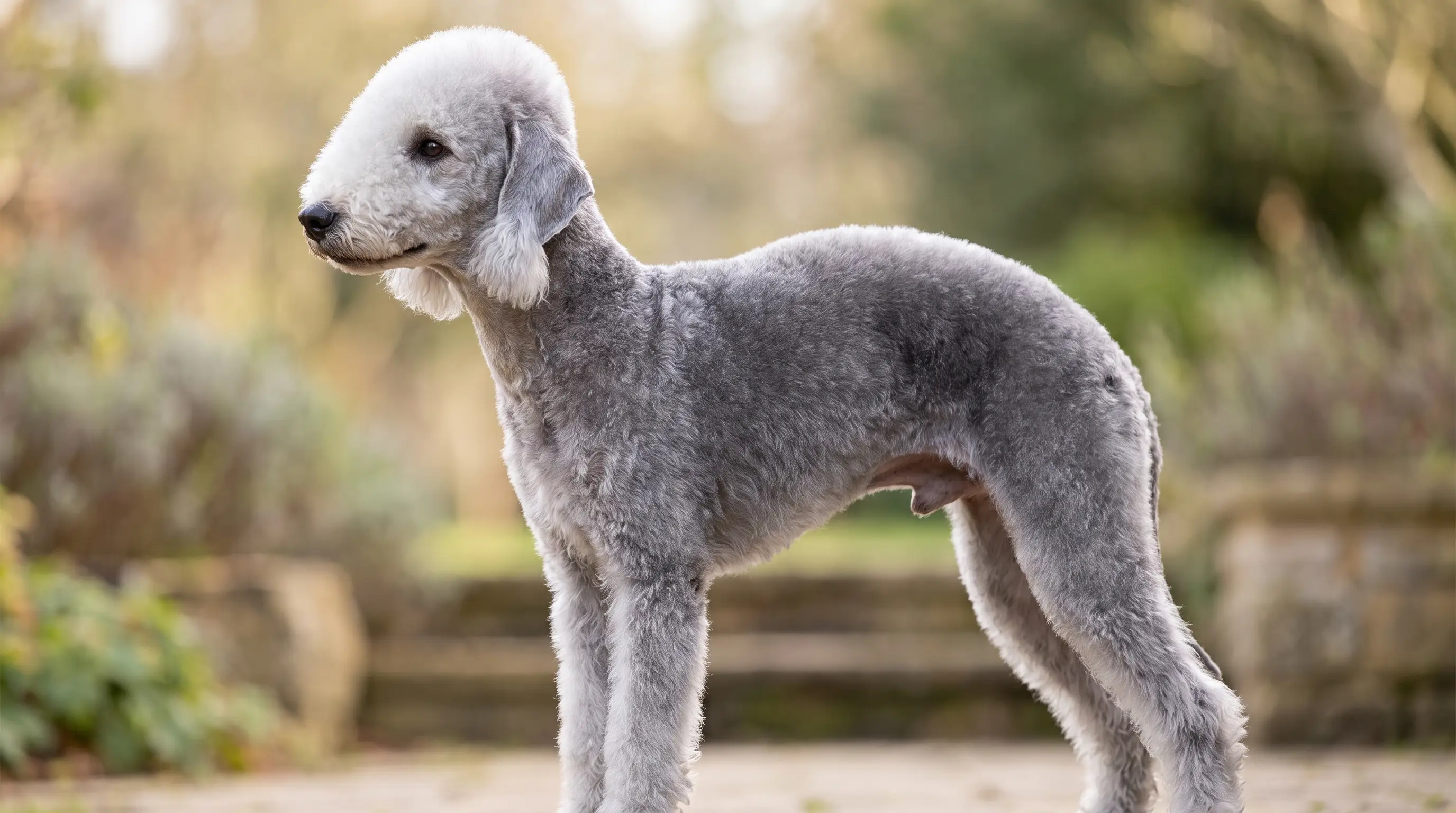
At a glance the Bedlington looks like a lamb: a pear-shaped head, a curly linty coat, an arched back. It was bred in the mining country of northern England to kill vermin, and under the gentle looks is a fast, game terrier that once raced and ran rats to ground. The lamb disguise is only skin-deep — this is a dog with terrier fire and surprising speed. The catch is the coat: it does not shed much, but it needs clipping every few weeks to keep the famous silhouette.
Cirneco dell'Etna
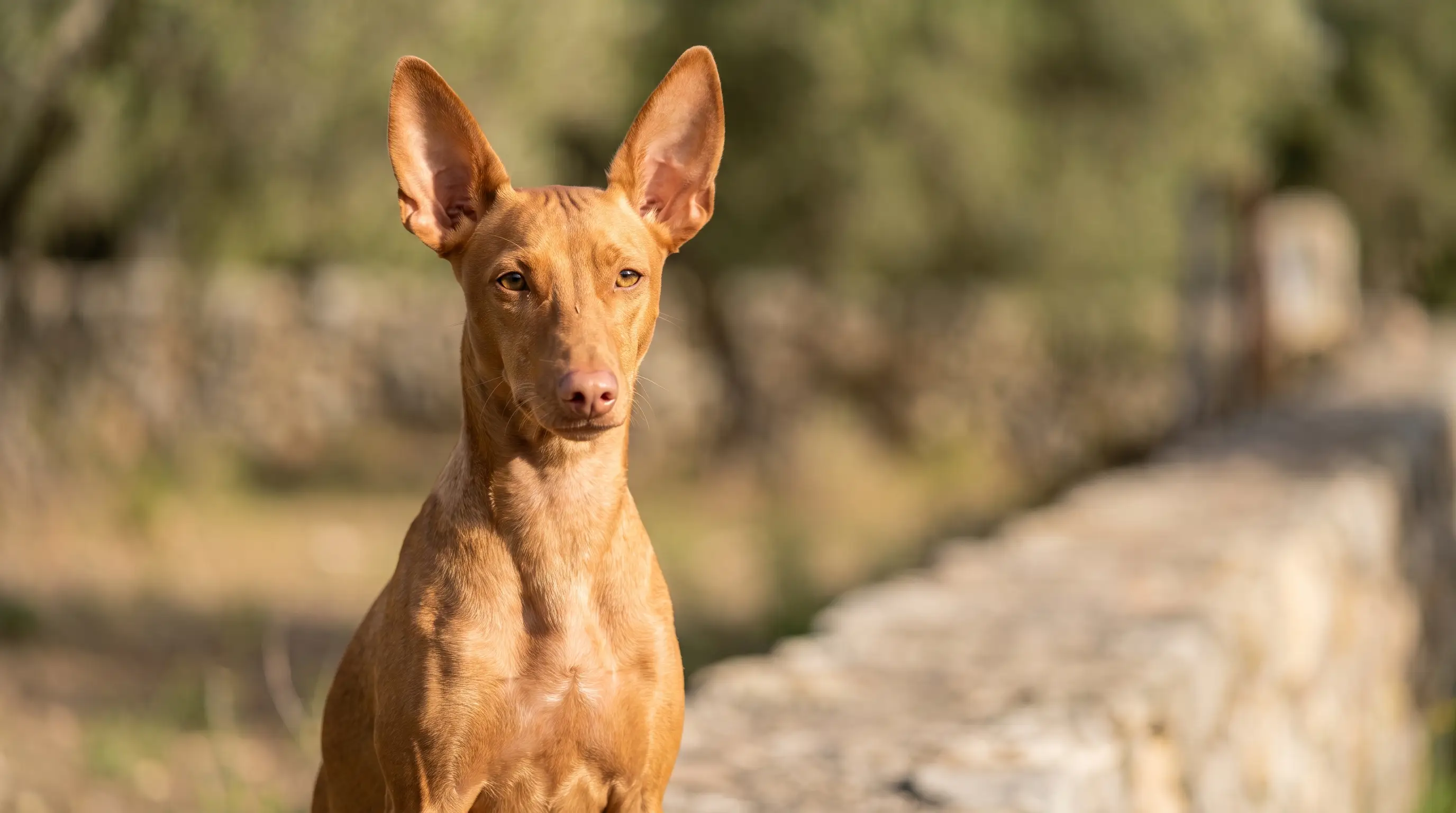
One of the oldest dogs in Europe, the Cirneco has hunted the volcanic slopes of Mount Etna in Sicily for thousands of years — coins from ancient Sicilian cities show a dog just like it. Small, elegant and tan, with huge upright ears, it hunts rabbit using sight, scent and sound together, and works the rough lava terrain in punishing heat on very little food. It nearly vanished in the twentieth century before a handful of Sicilian breeders brought it back. Hardy, clean and affectionate, it stays a genuine hunting dog at heart.
Chinook
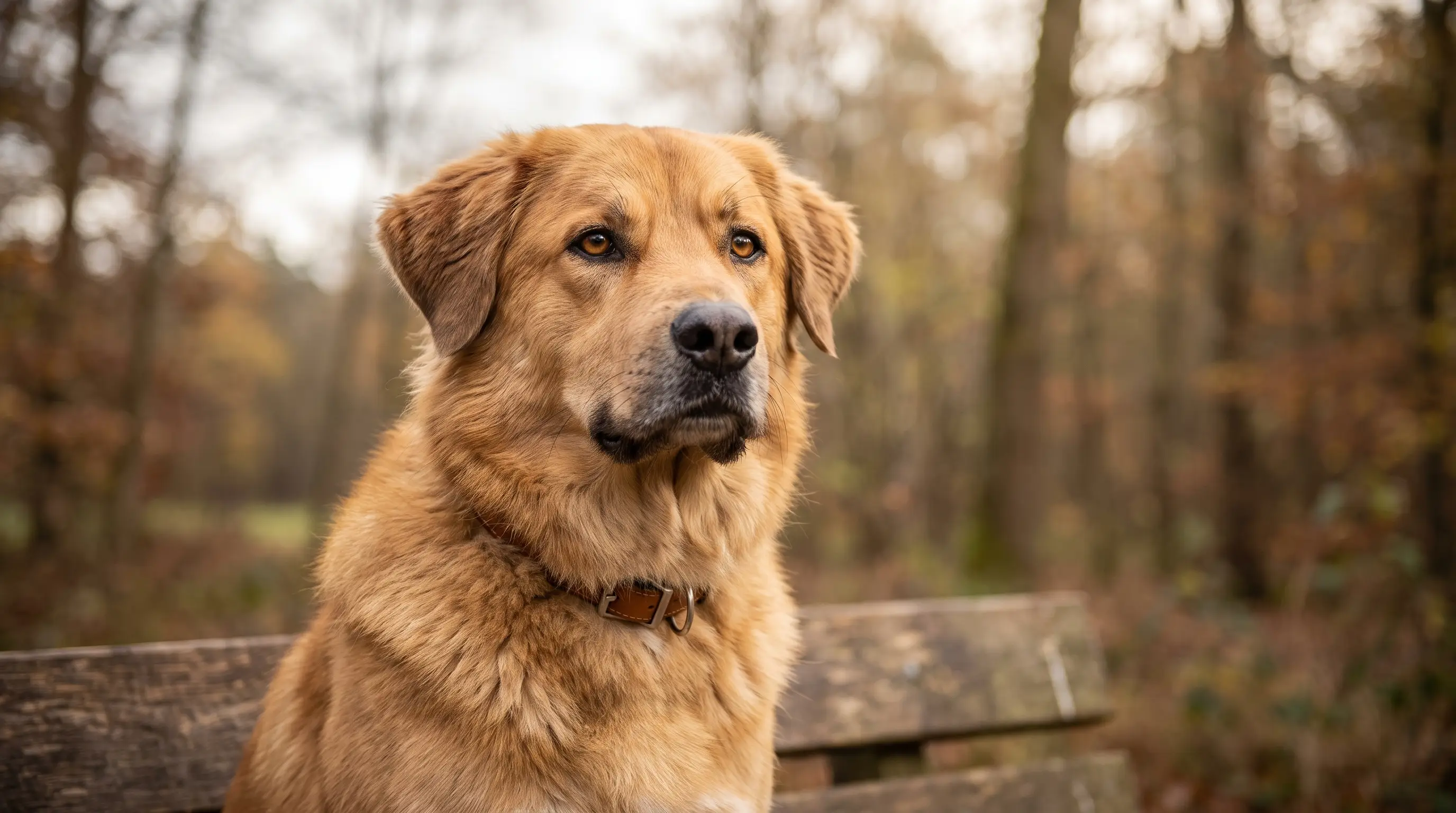
America's rarest native breed came within a handful of dogs of vanishing entirely. Bred in New Hampshire in the early 1900s by the explorer Arthur Walden as a gentle, powerful sled dog, the Chinook once held the record as the world's rarest breed — down to eleven animals in the 1980s. A dedicated recovery effort saved it. Tawny, patient and unusually people-focused for a sled dog, it is now the state dog of New Hampshire and a steady, friendly family dog for anyone who can give it exercise.
Berger Picard
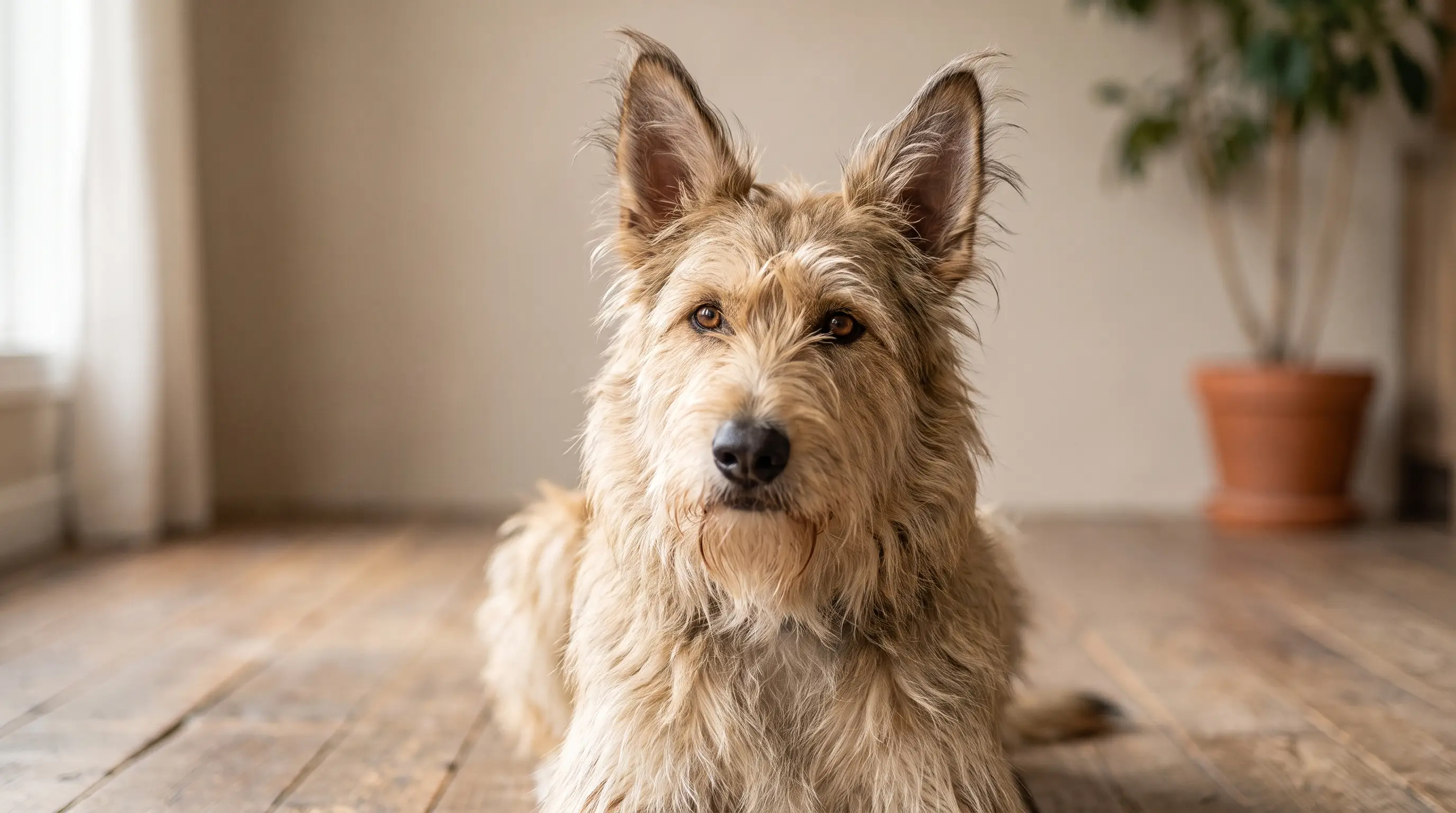
This tousled French herding dog from Picardy looks almost deliberately scruffy — a rough weatherproof coat, a beard, tall upright ears and a knowing expression. It is an old farm dog, but two World Wars fought across its home region nearly wiped it out, and it stays rare even in France. Bright, sensitive and a little stubborn, the Picard needs a job and a patient hand; give it both and it becomes an easy, funny, devoted companion.
Canaan Dog
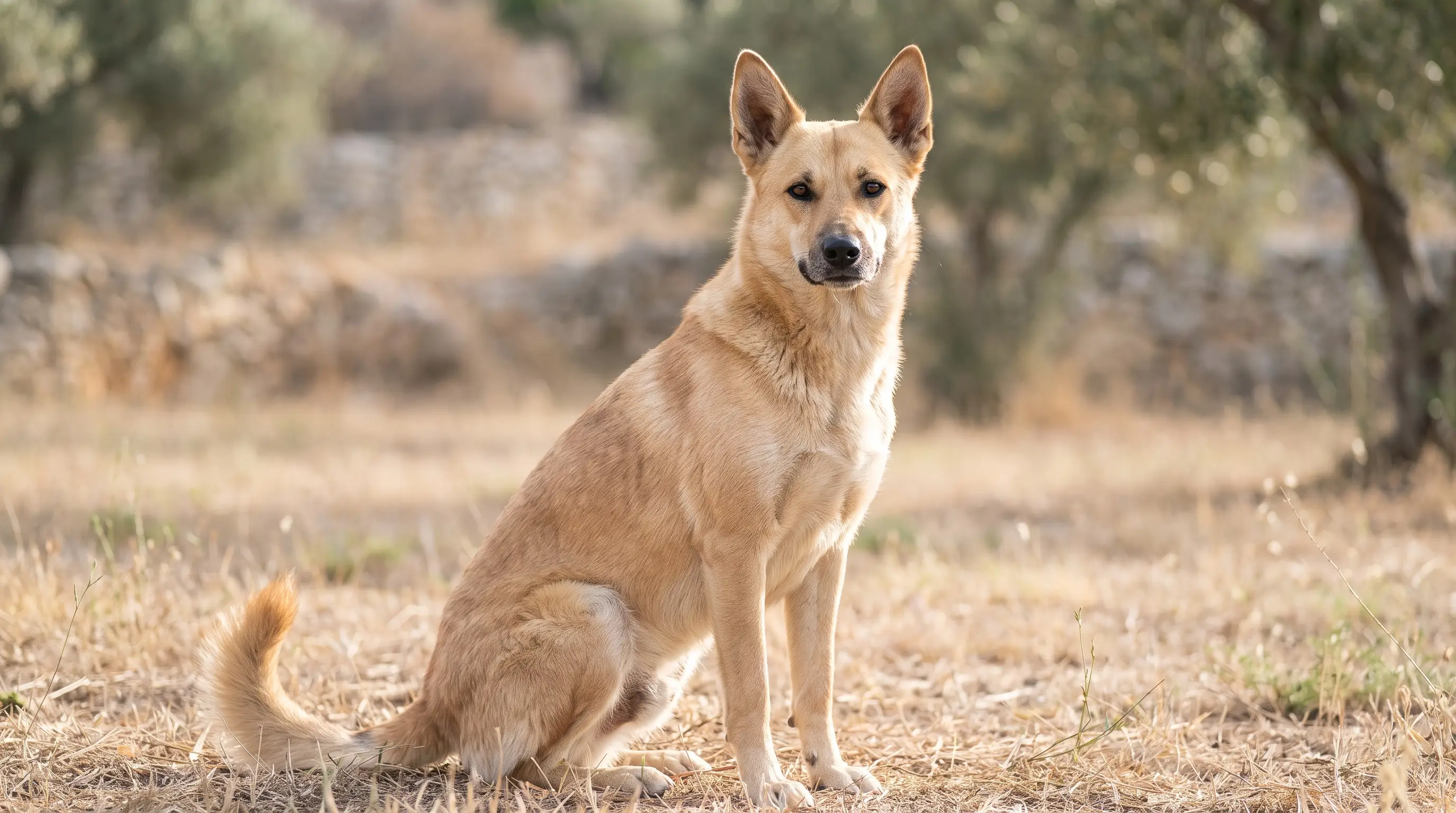
The Canaan is a living link to the ancient dogs of the Middle East. For centuries it survived as a semi-wild pariah dog in the deserts of the Levant; in the twentieth century the biologist Rudolphina Menzel began re-domesticating desert-born dogs into a recognised breed, now the national dog of Israel. Alert, self-reliant and naturally wary, it kept the instincts that let it survive in the wild — which makes it a superb watchdog but a demanding pet that needs early, thorough socialising.
Barbet
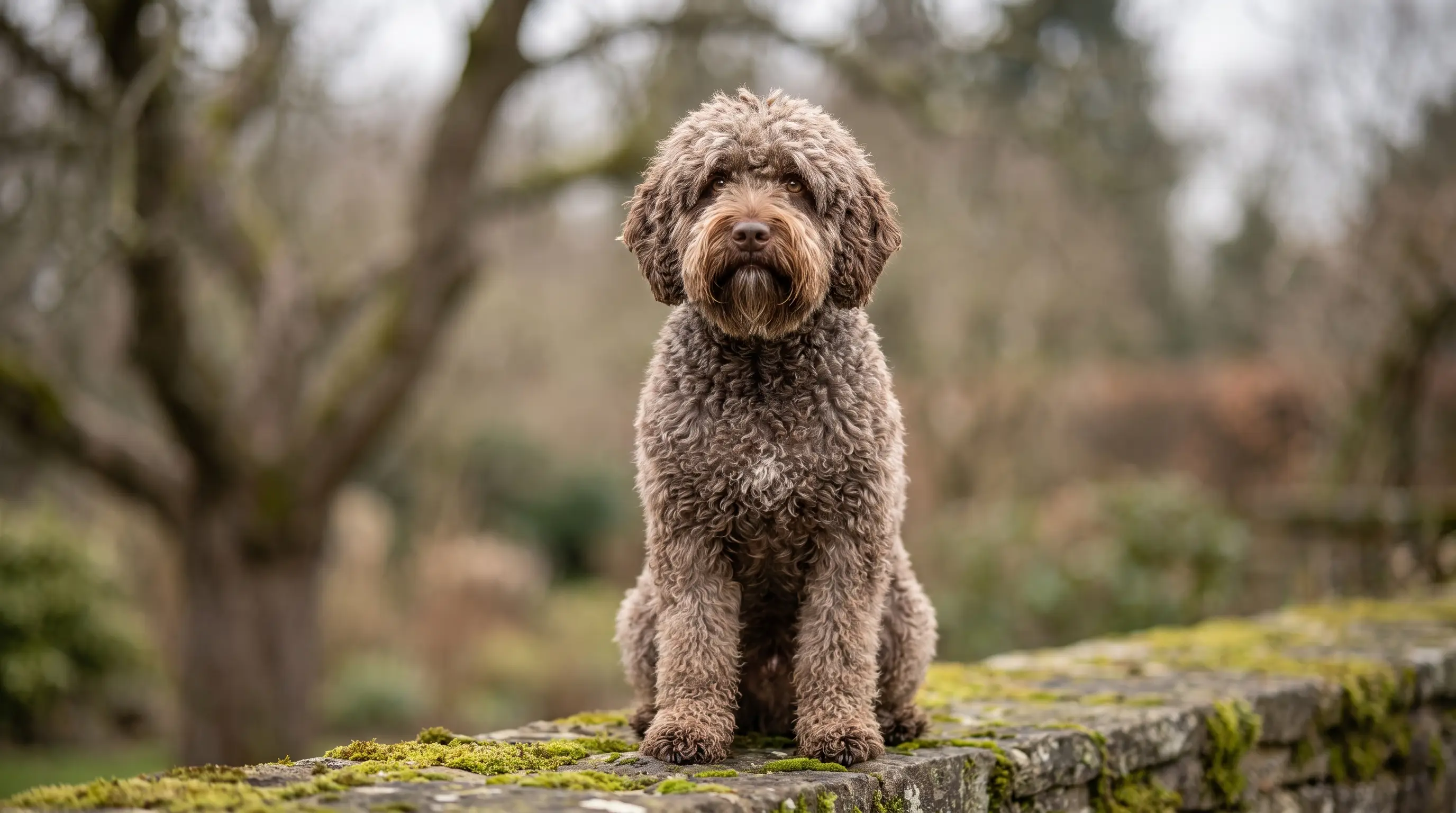
The Barbet is a French water dog with a thick, curly, waterproof coat — the 'mud dog' that plunged into marshes to retrieve waterfowl for hunters. Shaggy, cheerful and famously fond of water, it is an ancestor of several curly-coated breeds, the Poodle among them. Nearly lost after the World Wars, it survives today in small numbers, prized by people who want a rare dog that is still, at heart, a friendly, tireless working retriever.
Common questions
What is the rarest dog breed?
There is no single official answer, since registries count differently, but the Chinook is often named among the rarest — it fell to about eleven dogs in the 1980s before a recovery effort saved it. Other contenders include the Azawakh, the Cirneco dell'Etna and the Norwegian Lundehund.
Do rare dog breeds make good pets?
Some do, some don't — and rarity is not the deciding factor. Many rare breeds are old working dogs (guardians, sighthounds, herders) with strong instincts and specific needs. A Barbet or Chinook suits a family well; an Azawakh or Canaan Dog needs an experienced, patient owner. Match the breed's temperament to your life, not its scarcity.
Why are some dog breeds so rare?
Usually one of three reasons: the breed never spread beyond the region that created it (Cirneco, Bergamasco), it was nearly wiped out by war or changing farm life (Berger Picard, Barbet), or it was only recently recognised outside its homeland (Azawakh). Popularity, not merit, drives breed numbers.
Where can I see a rare dog breed?
Your best chance is a breed-club event, a large dog show, or the working setting the breed comes from. You can also explore every breed — common and rare — in the BreedQuest catalog, with photos, temperament and care for each.