Slangenbeten bij honden: eerste hulp, symptomen en preventie
Een slangenbeet is altijd een noodgeval, of de slang nu giftig was of niet. De meeste honden herstellen goed van een beet van een Europese adder als ze snel bij de dierenarts komen, en wat het meeste uitmaakt voor die afloop is hoe jij handelt in de eerste minuten — niet een of ander huismiddel. Hier lees je wat je doet op het moment dat je een beet vermoedt, welke volksremedies alleen tijd kosten, en welke slangen er waar jij woont echt toe doen.
Als je hond gebeten wordt: wat je nu doet

Handel snel, maar laat je hond niet op eigen kracht lopen. Houd hem zo kalm en stil mogelijk — een sneller kloppend hart stuwt het gif sneller door het lichaam, dus een hond die gedragen wordt, komt er echt beter vanaf dan een hond die loopt of rent. Til een kleine of middelgrote hond op en draag hem naar de auto; houd een grote hond zo stil en ondersteund mogelijk in plaats van hem er zelf heen te laten draven.
Noteer als het lukt het tijdstip van de beet, en als je de slang hebt gezien, onthoud dan kleur en tekening vanaf een veilige afstand — ga niet terug om beter te kijken en probeer hem niet te vangen of te doden. Rijd daarna rechtstreeks naar de dierenarts of de dichtstbijzijnde spoedkliniek, en bel onderweg als dat kan, zodat ze klaarstaan als je aankomt. Doe dit ook als je hond er goed uitziet: ernstige zwelling en symptomen kunnen uren op zich laten wachten, en de behandeling werkt het best als die vroeg begint, vóór dat gebeurt.
Wat je niet moet doen — de mythes die tijd kosten
De beet opensnijden, het gif uitzuigen en een knelverband aanleggen zijn allemaal adviezen uit oude films, en geen ervan helpt een hond. Snijden voegt een wond toe zonder gif weg te halen, want dat is al door het weefsel begonnen te trekken tegen de tijd dat jij de beet opmerkt. Zuigen haalt het er evenmin uit, en het brengt gif vlak bij je eigen mond zonder enig voordeel. Een knelverband houdt het gif niet tegen: het snijdt alleen de bloedtoevoer naar de poot af, wat op zichzelf ernstige schade geeft, en het later losmaken kan een geconcentreerde dosis in één keer de bloedbaan in sturen.
IJs sla je ook beter over: het maakt gif niet onschadelijk, en een coldpack drukken op weefsel dat toch al opzwelt, voegt koudeschade toe boven op de beet. De enige eerste hulp die echt helpt, is je hond stilhouden en hem laten nakijken. Al het andere is een beslissing voor je dierenarts, niet voor langs de weg.
Een beet herkennen
Honden onderzoeken met hun neus en voorpoten, dus de meeste beten komen op de kop, snuit of een voorpoot terecht en niet op de romp. Het eerste teken is vaak een plotselinge gil of schrikbeweging, gevolgd door twee kleine gaatjes die onder de vacht lastig te vinden zijn en zelden veel bloeden. De zwelling volgt meestal binnen twintig minuten tot een paar uur en kan flink zijn: een gebeten snuit kan in omvang verdubbelen, wat er alarmerend uitziet, ook als de luchtweg zelf niet geblokkeerd is.
Let naast de plaatselijke zwelling op kwijlen, braken, trillen, zwakte, een onvaste gang, of een hond die ineens alleen nog wil liggen en niet meer wil bewegen. Bij een kleine hond, of bij een beet dicht bij de luchtweg, kunnen die tekenen snel verergeren. Je hoeft de slang of de gaatjes niet gezien te hebben om te handelen: plotselinge pijn en zwelling na tijd in hoog gras of struikgewas, zeker in het voorjaar of de zomer, is reden genoeg om het als een mogelijke beet te behandelen.
Welke slangen er in Europa echt toe doen
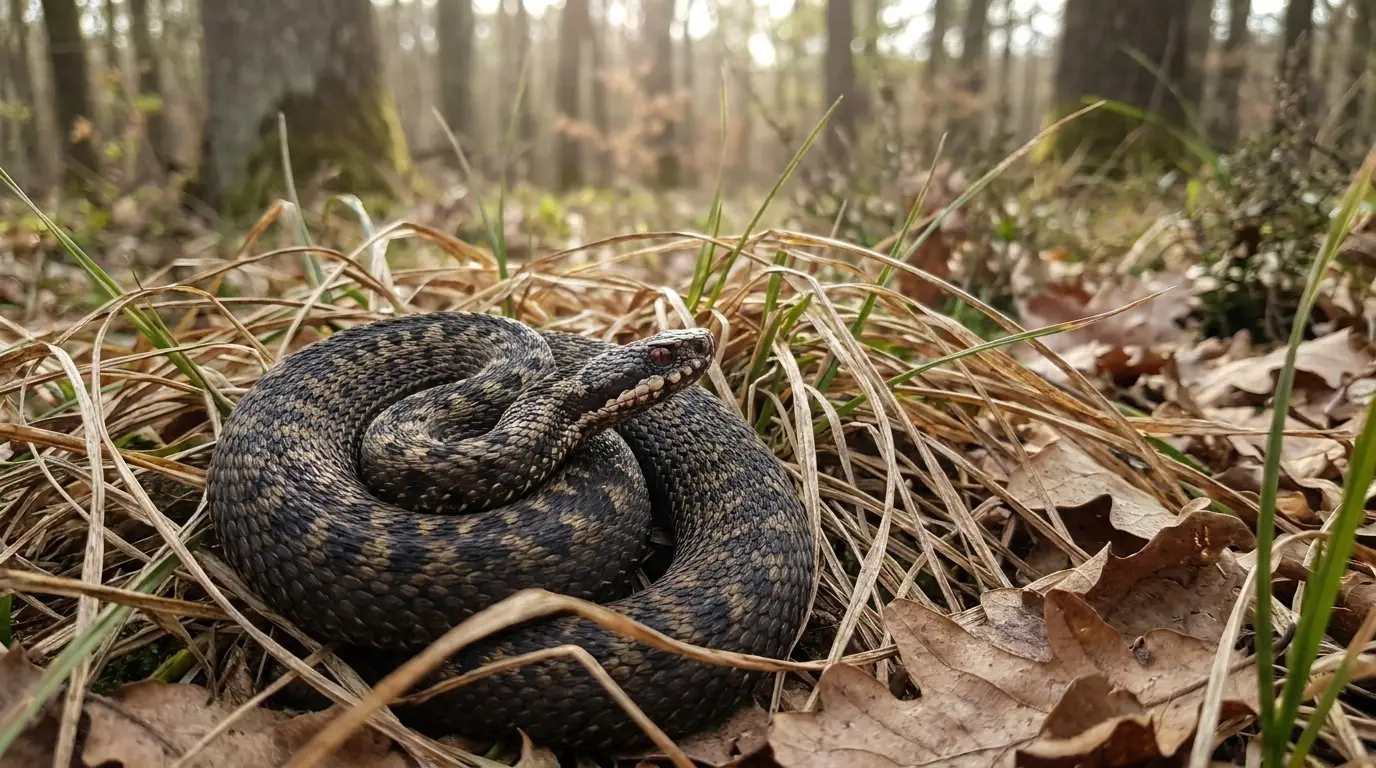
Groot-Brittannië heeft maar één giftige slang, de adder (Vipera berus), en daar gaat een Britse dierenarts standaard van uit. Verder op het Europese vasteland zijn er meer om te kennen: de aspisadder (Vipera aspis) in Frankrijk, Italië en Zwitserland; de zandadder (Vipera ammodytes) op de Balkan en in delen van Oostenrijk en Noordoost-Italië, doorgaans gezien als de gevaarlijkste van de groep; en de Lataste-adder (Vipera latastei) op het Iberisch Schiereiland. Ze zijn allemaal schuw en bijten uit verdediging, meestal als er op ze wordt gestapt, als er aan ze wordt gesnuffeld of als ze in het nauw zitten — niet uit agressie.
Een adder heeft een gedrongen lijf, een duidelijk driehoekige kop en verticale pupillen, bij de meeste Europese soorten met een donkere zigzag over de rug. Ringslangen en andere niet-giftige slangen leven in hetzelfde struikgewas, maar zijn slanker, hebben ronde pupillen en dragen, in het geval van de ringslang, een lichte halvemaanvlek achter de kop. Op het moment zelf doet dit er allemaal weinig toe: je gaat in hoog gras geen slang in een oogwenk op naam brengen, en elke beet krijgt hetzelfde antwoord — blijf kalm, ga naar de dierenarts.
Preventie: waar en wanneer het uitmaakt
Slangen zijn het actiefst op warme dagen van het voorjaar tot het vroege najaar, en adders zonnen zich vooral 's ochtends en trekken zich terug als de dag heet wordt: een vroege wandeling door bekend slangengebied is dus risicovoller dan een rondje midden op een hete dag. Heide, droge graslanden, duinen, houtstapels en door de zon opgewarmde stenen zijn de klassieke plekken — overal waar een slang kan zonnen en snel kan verdwijnen.
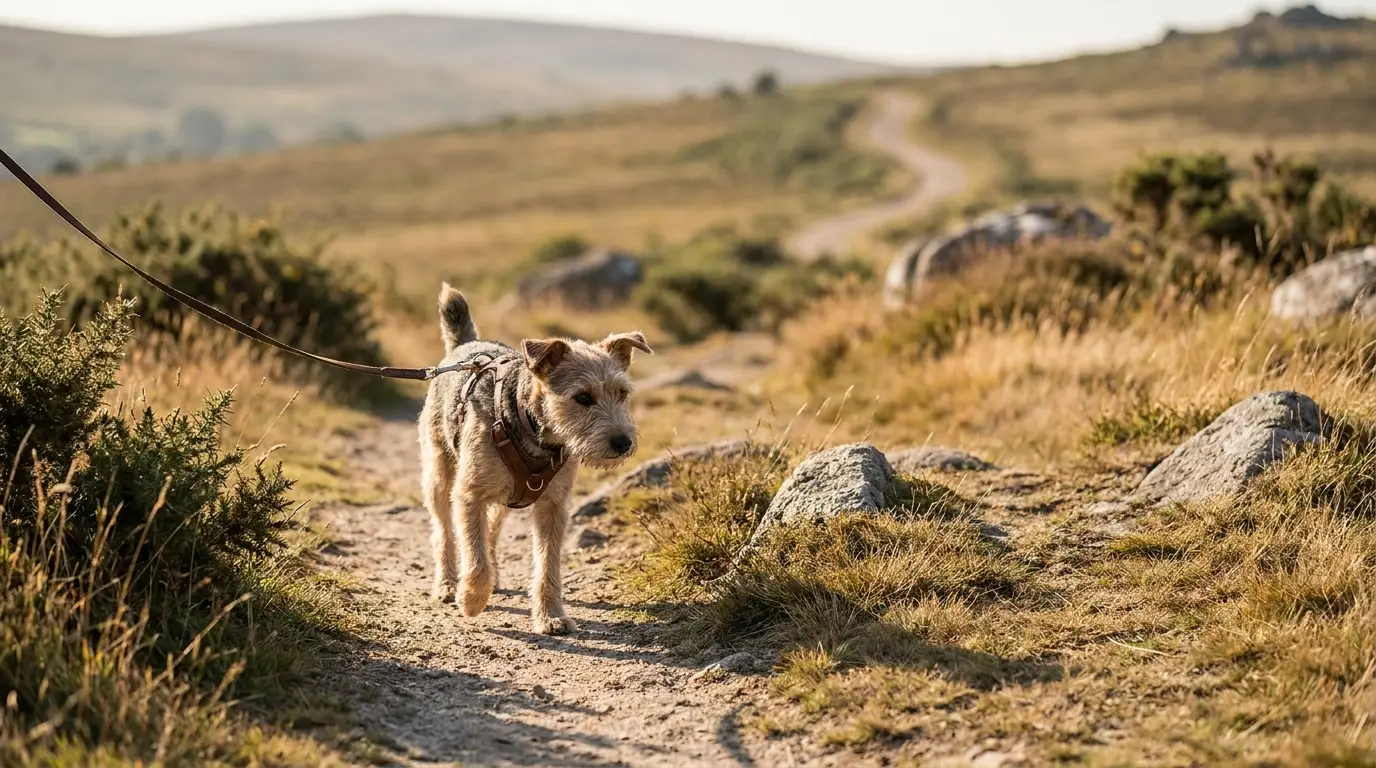
Houd honden aangelijnd in gebieden met bekende slangenactiviteit, zeker een Jack Russell Terriër of een andere hond die gefokt is om met de kop vooruit in holen en struikgewas te duiken, en blijf op vrijgemaakte paden in plaats van je door hoog gras te wringen. Hoor je gesis of zie je een slang, roep je hond dan rustig terug in plaats van ernaartoe te lopen: krijgt een slang ruimte, dan trekt hij zich vrijwel altijd vanzelf terug. In Europa bestaat geen breed gebruikt slangengifvaccin voor honden, dus wat je hond echt beschermt, is vermijden en snel reageren op een beet.
Katten, en dezelfde noodregel
Katten worden minder vaak gebeten dan honden, vooral omdat ze voorzichtiger jagen en verkennen, maar het gebeurt, meestal op de kop of een voorpoot terwijl ze iets onderzoeken of jagen. Katten verbergen pijn en ziekte ook goed, dus een gebeten kat wordt misschien gewoon stil, kruipt weg of wil niet meer bewegen in plaats van duidelijk ongemak te tonen, en dat kan vertragen dat iemand doorheeft dat er iets mis is.
De reactie is identiek aan die bij een hond: houd de kat stil, draag haar in plaats van haar te laten lopen, en ga meteen naar de dierenarts. Wacht niet af of er symptomen komen. Komt je kat in de warmere maanden thuis met een ongewoon gezwollen kop, kwijlend of onwillig om te bewegen, behandel dat dan als een mogelijke beet en bel meteen je dierenarts. Voor de andere parasieten en gevaren van hetzelfde seizoen, zie vlooien, teken en wormen en de gevarenkalender.
Veelgestelde vragen
Wat moet ik doen als mijn hond door een slang wordt gebeten?
Houd je hond zo stil en kalm mogelijk — draag hem in plaats van hem te laten lopen — noteer het tijdstip en, als het lukt, hoe de slang eruitzag vanaf een veilige afstand, en ga meteen naar de dierenarts of een spoedkliniek, ook als je hond er goed uitziet. Zwelling en ernstige symptomen kunnen zich over uren opbouwen, en de behandeling werkt het best als die vroeg begint.
Zijn slangenbeten gevaarlijk voor honden in Europa?
Ja, al herstellen de meeste honden goed van een adderbeet als ze snel bij de dierenarts komen. Beten geven pijn en flinke plaatselijke zwelling, en het risico is groter bij een kleine hond of bij een beet dicht bij de luchtweg. Dierenartsen behandelen beten met pijnstilling, een infuus en zo nodig antiserum; sterfgevallen zijn zeldzaam bij snelle behandeling, maar de afloop hangt sterk af van hoe snel een hond wordt gezien.
Moet ik de wond insnijden of het gif uitzuigen na een slangenbeet?
Nee. De beet insnijden en gif proberen uit te zuigen zijn oude mythes die geen gif weghalen en alleen letsel en vertraging toevoegen. Een knelverband is net zo schadelijk: het houdt het gif niet tegen en kan de poot ernstig beschadigen. De enige effectieve eerste hulp is je hond stilhouden en snel naar de dierenarts gaan.
Hoe weet ik of mijn hond door een slang is gebeten?
Let op een plotselinge gil of schrikbeweging gevolgd door snelle zwelling, meestal op de kop, snuit of een voorpoot, want daar maakt een hond doorgaans contact. Twee kleine gaatjes kunnen zichtbaar zijn, maar zijn onder de vacht makkelijk te missen. Kwijlen, braken, zwakte of een onvaste gang kunnen volgen. Je hoeft de slang niet gezien te hebben om het als een noodgeval te behandelen.
Wat is de enige giftige slang in het Verenigd Koninkrijk?
De adder (Vipera berus) is de enige giftige slang van Groot-Brittannië, en daar gaat een Britse dierenarts standaard van uit. Hij is schuw en bijt uit verdediging als er op hem wordt gestapt of als hij wordt gestoord, meestal op warme dagen van het voorjaar tot het vroege najaar.
Kunnen katten ook door slangen gebeten worden?
Ja, al wordt het minder vaak gemeld dan bij honden, omdat katten doorgaans voorzichtiger zijn. Beten komen meestal op de kop of een voorpoot terecht. Katten verbergen symptomen goed, dus een gebeten kat wordt misschien alleen stil of stopt met bewegen in plaats van duidelijk ongemak te tonen — dezelfde regel geldt: houd haar stil en ga meteen naar de dierenarts.
Meer in Honden
Herfstgevaren voor je hond: eikels, paardenkastanjes en paddenstoelen
De herfst legt drie snuffelgevaren op de grond — eikels, paardenkastanjes en wilde paddenstoelen — plus rattengif en gistend fruit. Wat giftig is, welke waarschuwingssignalen er zijn en wanneer je de dierenarts belt.
Wintergevaren voor je huisdier: antivries, strooizout en het chocoladeseizoen
Antivries is hét winternoodgeval: zoet, dodelijk en snel. Plus pootjes vol strooizout, het mijnenveld van het feestdagenvoer en katten die wegkruipen in warme automotoren. Waar je op let en wanneer het dringend is.
De gevarenkalender voor je huisdier: waar je op moet letten, maand voor maand
De meeste gevaren voor honden en katten zijn seizoensgebonden en veel zijn regionaal. Hier is het jaar in kaart gebracht: wanneer een hitteberoerte, graszaden, processierupsen, antivries en de rest echt pieken, en welke daarvan er in jouw omgeving überhaupt zijn.
Processierupsen: een spoedgeval voor je hond
De rups die een hond een deel van zijn tong kan kosten, waarom de eerste zes uur de afloop bepalen en hoe je hem in het seizoen uit de weg gaat.

Zandvliegen en leishmaniose: wat een hond echt beschermt
Het insect dat je nooit hoort, de ziekte die het overbrengt, en waarom je vlooien- en tekenmiddel er waarschijnlijk niets tegen doet.
Hitteberoerte bij honden: signalen, eerste hulp en preventie
Honden koelen zichzelf af door te hijgen, niet door te zweten, waardoor zomerse hitte ze snel de baas is. Zo herken je een hitteberoerte en handel je in de minuten die tellen.