
Snake bites in dogs: first aid, symptoms and prevention
A snake bite is always an emergency, whether or not the snake was venomous. Most dogs recover well from a bite by a European viper if they reach a vet quickly, and the single biggest factor in that outcome is how you act in the first few minutes — not any home remedy. Here is what to do the moment you suspect a bite, the folk cures that only waste time, and which snakes are actually worth knowing where you live.
If your dog is bitten: what to do right now

Act fast, but don't let your dog move under its own power. Keep it as calm and still as you can — a faster heartbeat pushes venom round the body faster, so a dog that is carried genuinely does better than one that walks or runs. Scoop up a small or medium dog and carry it to the car; for a large dog, keep it as still and supported as possible rather than letting it trot there itself.
Note the time of the bite if you can, and if you saw the snake, remember its colour and pattern from a safe distance — do not go back for a closer look or try to catch or kill it. Then head straight for a vet or the nearest emergency clinic, calling ahead if you're able to, so they're ready when you arrive. Do this even if your dog seems fine: serious swelling and symptoms can take hours to build, and treatment works best when it starts early, before that happens.
What not to do — the myths that cost time
Cutting the bite open, sucking out the venom, and tying on a tourniquet are all leftover advice from old films, and none of them help a dog. Cutting adds a wound without removing venom, which has already started spreading through the tissue by the time you notice the bite. Sucking doesn't draw venom back out either, and it puts venom near your own mouth for no benefit at all. A tourniquet doesn't stop venom moving through the body — it just cuts off blood to the limb, which causes its own serious damage, and releasing it later can send a concentrated dose into circulation all at once.
Ice is worth skipping too: it won't neutralise venom, and pressing a cold pack onto tissue that's already swelling can add cold injury on top of the bite. The only first aid that actually helps is keeping your dog still and getting it seen. Everything past that is a decision for your vet, not for the roadside.
Recognising a bite
Dogs investigate with their nose and front paws, so most bites land on the face, muzzle or a front leg rather than the body. The first sign is often a sudden yelp or flinch, followed by two small puncture marks that can be hard to spot under fur and rarely bleed much. Swelling usually follows within twenty minutes to a few hours and can be dramatic — a bitten muzzle can double in size, which looks alarming even when the airway itself is not blocked.
Beyond the local swelling, watch for drooling, vomiting, trembling, weakness, an unsteady walk, or a dog that suddenly wants to lie down and not move. In a small dog, or with a bite close to the airway, these signs can escalate quickly. You don't need to have seen the snake or the puncture marks to act — sudden pain and swelling after time in long grass or scrub, especially in spring or summer, is reason enough to treat it as a possible bite.
Which snakes actually matter across Europe
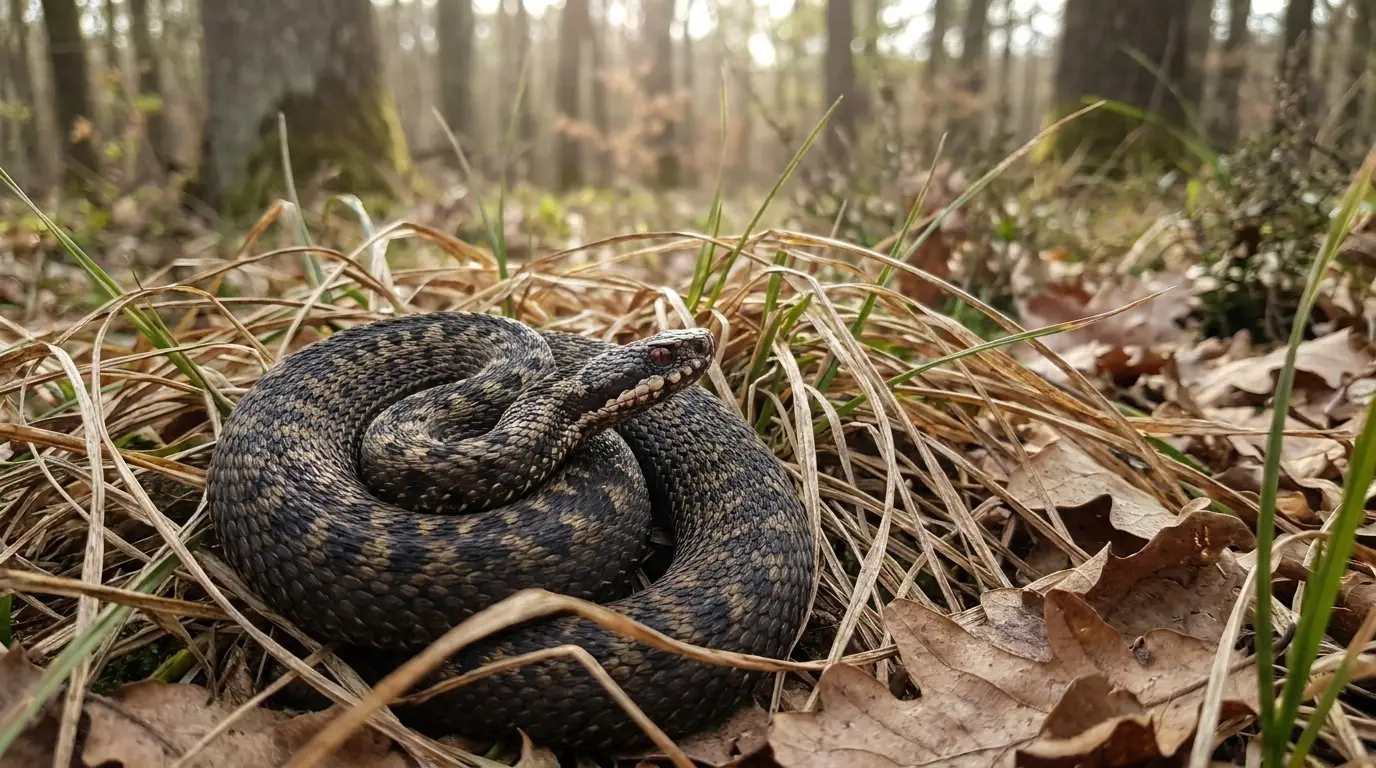
Britain has only one venomous snake, the European adder (Vipera berus), and it's the one a UK vet will assume unless told otherwise. Further into mainland Europe there are more to know: the asp viper (Vipera aspis) across France, Italy and Switzerland; the nose-horned viper (Vipera ammodytes) through the Balkans and parts of Austria and northeastern Italy, generally considered the most dangerous of the group; and Lataste's viper (Vipera latastei) on the Iberian peninsula. All of them are shy and bite defensively, usually when stepped on, sniffed at, or cornered, rather than out of aggression.
A viper has a thick body, a distinct triangular head and vertical pupils, with a dark zigzag running down its back in most European species. Grass snakes and other non-venomous snakes share the same undergrowth but are slimmer, round-pupilled, and in the grass snake's case marked with a pale collar behind the head. None of this matters much in the moment, though — you are not going to identify a snake at speed in long grass, and every bite gets the same response: stay calm, get to a vet.
Prevention: where and when it matters
Snakes are most active on warm days from spring through early autumn, and adders in particular tend to bask in the morning and retreat as the day heats up, so an early walk through known snake habitat carries more risk than a midday stroll on a hot day. Heathland, dry grassland, dune systems, log piles and sun-warmed rocks are the classic spots — anywhere a snake can bask and disappear quickly.
Keep dogs on a lead through areas with known snake activity, especially a Jack Russell Terrier or another dog bred to push headfirst into holes and undergrowth, and stick to cleared paths rather than pushing through long grass or scrub. If you hear a hiss or spot a snake, call your dog back calmly rather than moving toward it — given room, a snake will almost always retreat on its own. There is no widely used snake vaccine for dogs in Europe, so avoidance and a fast response to a bite are what actually protect your dog.
Cats, and the same emergency rule
Cats are bitten less often than dogs, mostly because they hunt and explore more cautiously, but it does happen, usually on the face or a front paw while investigating or hunting. Cats also hide pain and illness well, so a bitten cat may simply go quiet, hide, or stop wanting to move rather than show obvious distress, which can delay an owner noticing anything is wrong.
The response is identical to a dog's: keep the cat still, carry it rather than let it walk, and get to a vet immediately. Don't wait to see whether symptoms develop. If your cat comes home unusually swollen around the face, drooling, or reluctant to move after time outdoors in warmer months, treat it as a possible bite and call your vet straight away. For the other parasites and hazards worth watching through the same season, see fleas, ticks and worms and the pet danger calendar.
Common questions
What should I do if my dog gets bitten by a snake?
Keep your dog as still and calm as possible — carry it rather than let it walk — note the time and, if you can, what the snake looked like from a safe distance, and get to a vet or emergency clinic immediately, even if your dog seems fine. Swelling and serious symptoms can build over hours, and treatment works best when it starts early.
Are snake bites dangerous for dogs in Europe?
Yes, though most dogs recover well from a viper bite if they reach a vet promptly. Bites cause pain and significant local swelling, and the risk is higher in a small dog or with a bite near the airway. Vets treat bites with pain relief, IV fluids and, when needed, antivenom, and fatalities are uncommon with prompt treatment — but the outcome depends heavily on how quickly a dog is seen.
Should I cut the wound or suck out the venom after a snake bite?
No. Cutting the bite and trying to suck out venom are old myths that don't remove venom and only add injury and delay. A tourniquet is just as harmful — it doesn't stop venom spreading through the body and can cause serious damage to the limb. The only effective first aid is keeping your dog still and getting to a vet fast.
How do I know if my dog has been bitten by a snake?
Look for a sudden yelp or flinch followed by rapid swelling, most often on the face, muzzle or a front leg, since that's usually where dogs make contact. Two small puncture marks may be visible but are easy to miss under fur. Drooling, vomiting, weakness or an unsteady walk can follow. You don't need to have seen the snake to treat it as an emergency.
What is the only venomous snake in the UK?
The European adder (Vipera berus) is Britain's only venomous snake, and it's the one a UK vet will assume by default. It's shy and bites defensively when stepped on or disturbed, usually on warm days from spring through early autumn.
Can cats get bitten by snakes too?
Yes, though it's reported less often than in dogs because cats tend to be more cautious. Bites usually land on the face or a front paw. Cats hide symptoms well, so a bitten cat may just go quiet or stop moving rather than show obvious distress — the same rule applies: keep it still and get to a vet immediately.
More in Dogs
Autumn dangers for dogs: acorns, conkers and mushrooms
Autumn puts three scavenging hazards on the ground — acorns, conkers and wild mushrooms — plus rat bait and fermenting fruit. What's toxic, what the warning signs are, and when to call the vet.
Winter pet dangers: antifreeze, road salt and chocolate season
Antifreeze is the winter emergency — sweet, deadly and quick. Plus gritted-salt paws, the festive-food gauntlet and cats sheltering in warm car engines. What to watch and when it's urgent.

The pet danger calendar: what to watch, month by month
Most pet hazards are seasonal and many are regional. Here's the year mapped out — when heatstroke, grass seeds, processionary caterpillars, antifreeze and the rest actually peak, and which ones your area even has.
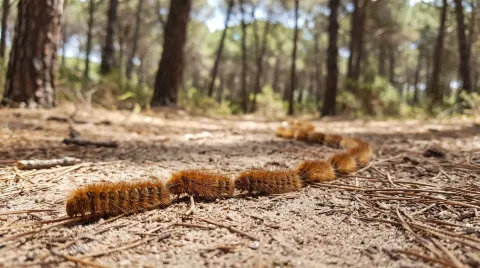
Processionary caterpillars: an emergency for dogs
The caterpillar that can cost a dog part of its tongue, why the first six hours decide the outcome, and how to stay clear of it in season.

Sandflies and leishmaniasis: what protects a dog
The insect you never hear, the disease it carries, and the reason your flea and tick product is probably not covering it.

Dog heatstroke: signs, first aid and prevention
Dogs cool themselves by panting, not sweating, so summer heat overwhelms them fast. Here's how to spot heatstroke and act in the minutes that matter.