BreedQuestStoriesCatsNutritionFeeding a neutered cat without the weight gain
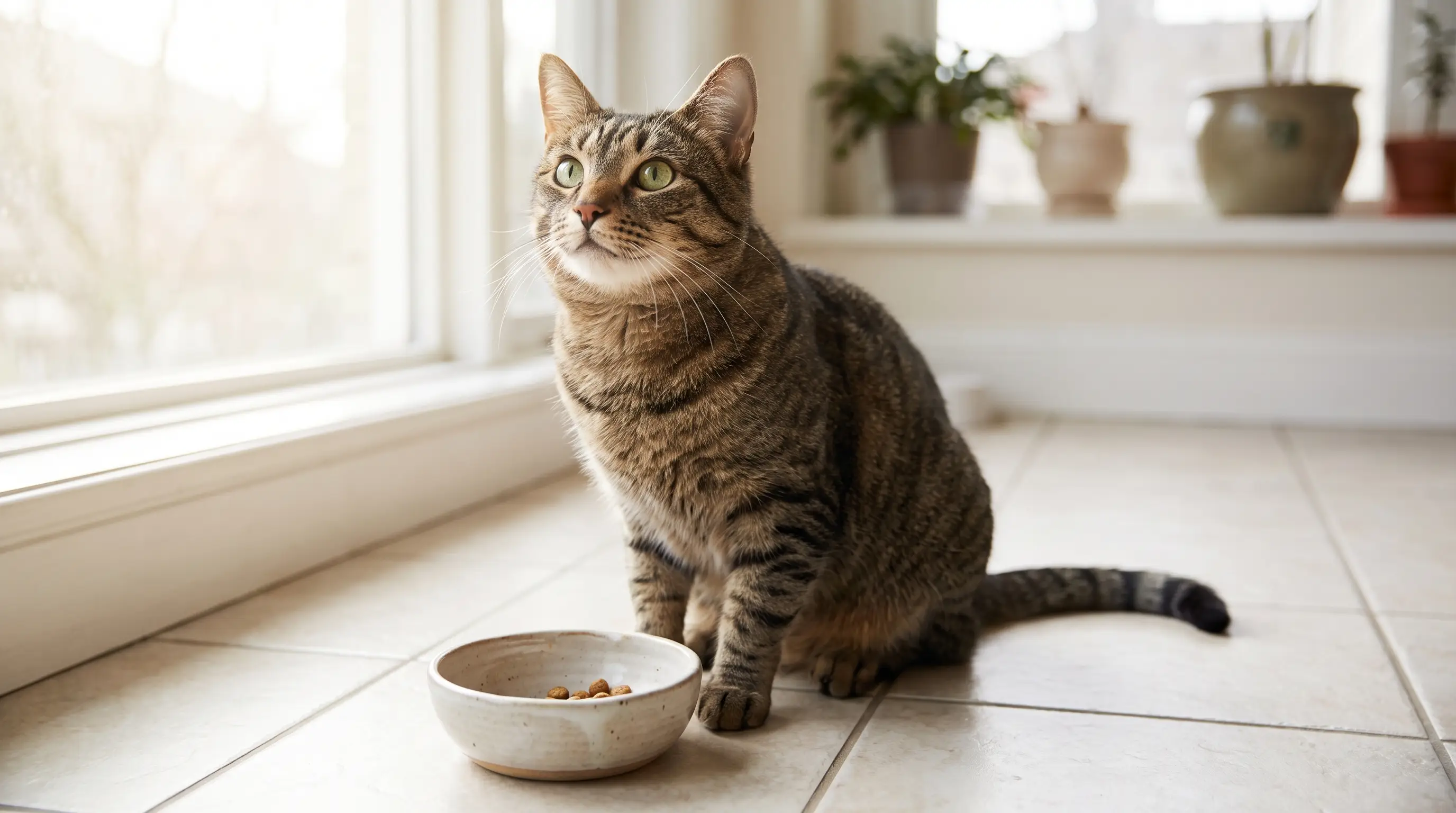
A domestic cat looking up expectantly beside a small measured bowl of food on a kitchen floor

Feeding a neutered cat without the weight gain

Care guide · 2026-07-21 · 7 min read

Neutering makes a cat gain weight, and the food bowl is where you either cause it or stop it. After spaying or neutering, a cat's energy needs fall by roughly a quarter to a third, while its appetite goes up. The bowl that kept your cat trim last month now overfeeds it. Fix the portion early and the weight never arrives.

Why neutered cats gain weight

After surgery a cat burns fewer calories while wanting to eat more, and that gap is what puts on the weight. Removing the sex hormones lowers the resting metabolic rate by around 20 to 30 percent, so the cat needs noticeably less food to hold the same weight. At the same time appetite rises. In feeding studies, neutered male cats increased their food intake sharply within weeks of surgery, and researchers found the early weight gain was driven more by that bigger appetite than by the slower metabolism alone. Put a lower calorie need next to a larger appetite and free access to a full bowl, and the maths only goes one way. This is why neutered cats are the group most prone to feline obesity, which is itself a leading driver of diabetes, arthritis and urinary disease. None of this means neutering was a mistake. It means the feeding routine has to change the week the cat comes home, not months later once the waistline has already gone.
How much to feed a neutered cat

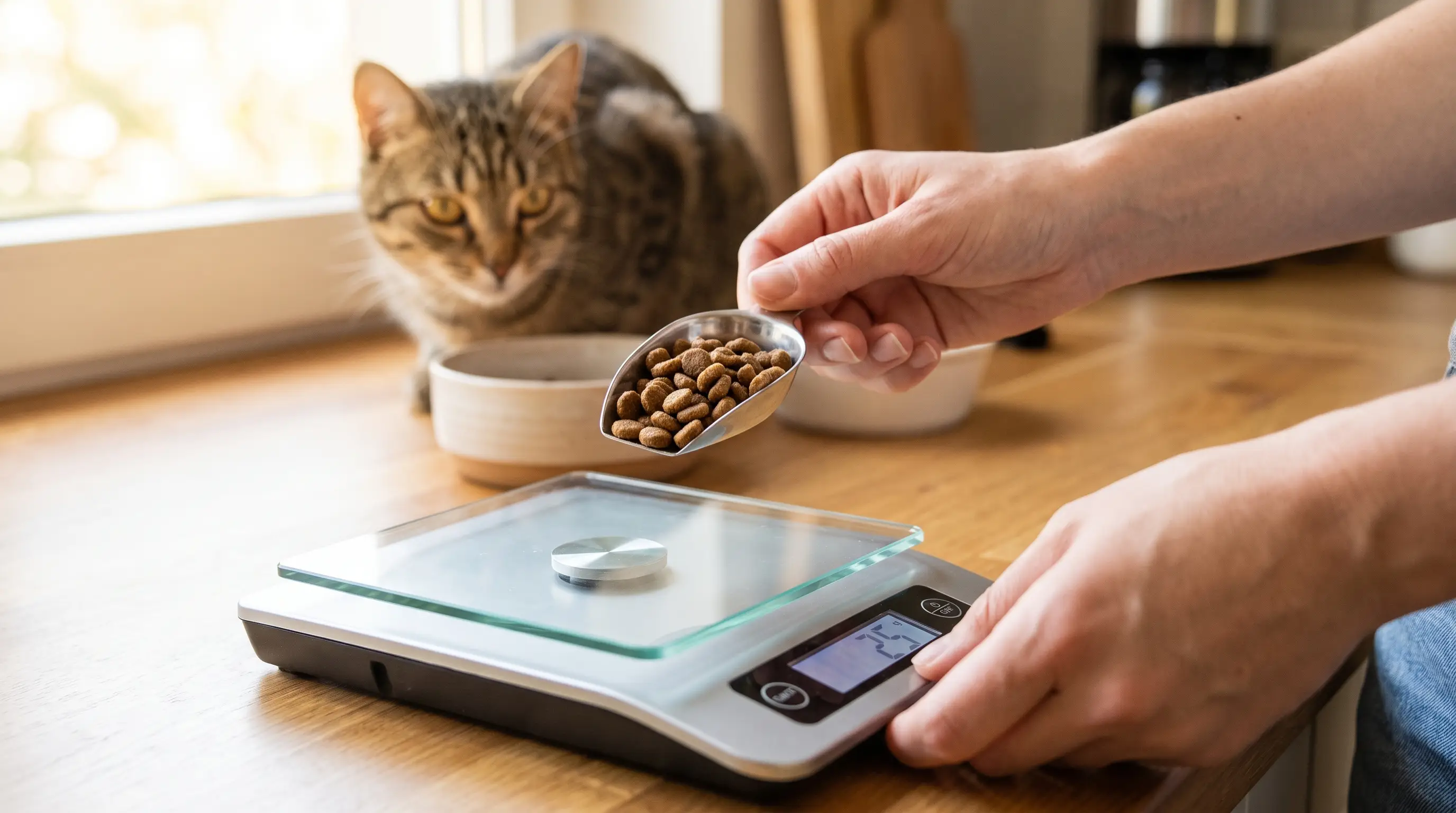
Hands using a kitchen scale to weigh out a small portion of dry cat food

Feed to the weight you want the cat to be, not the weight it is now. A neutered adult cat needs roughly 45 to 55 kilocalories per kilogram of ideal body weight per day, so a lean 4 kilogram cat lands somewhere near 200 calories. Start from the calorie chart on the food pack, match it to that target weight, then adjust up or down based on what the scale and the ribs tell you over the next few weeks. Two practical habits matter more than any single number. First, cut the portion straight after surgery instead of leaving a full bowl out all day, because free-feeding is the fastest route to a fat neutered cat. Second, weigh dry food on a kitchen scale rather than scooping with a cup, since eyeballing a cup routinely overshoots by a meaningful margin on a small animal. Split the daily amount into two or more meals so the cat is not staring at an empty bowl for hours.

Food made for neutered or indoor cats

A diet labelled for neutered or indoor cats can help, because it is built around the exact problem you are managing. These formulas usually run lower in fat and adjust the calorie density so a satisfying bowl carries fewer calories, which keeps a hungry cat feeling fed. Many also add L-carnitine, which supports fat metabolism, and keep protein high to protect lean muscle while the cat sheds or holds weight. The food is not magic on its own. A neutered-cat diet still overfeeds a cat if you pour out too much of it, so portion control comes first and the formula second. Some breeds make the stakes obvious, since the naturally heavy, slow-moving British Shorthair tips into overweight easily once neutered. If you would rather stay on your current food, that is fine too, provided you cut the amount to match the lower calorie need and check the weight monthly.

Wet food, protein and the urinary tract

Wet food helps a neutered cat two ways: it adds water and it adds fullness for fewer calories. A high-moisture meal spreads the same calories across more volume, so the cat chews through a bigger, more filling bowl and feels satisfied on less energy. The extra water matters on its own account. Neutered cats carry a higher risk of urinary problems, and more fluid through the system means more dilute urine, which is easier on the bladder and urethra. Keep the protein high and lean whether you feed wet, dry or a mix. Cats are obligate carnivores that run their bodies on protein, and a high-protein, lower-fat plate helps hold onto muscle while trimming fat rather than the other way round. A common setup that works: wet food for most meals to drive water and satiety, a measured amount of dry left for dental texture or a puzzle feeder, and treats capped at ten percent of daily calories so they do not quietly undo the whole plan.

Keeping the cat moving

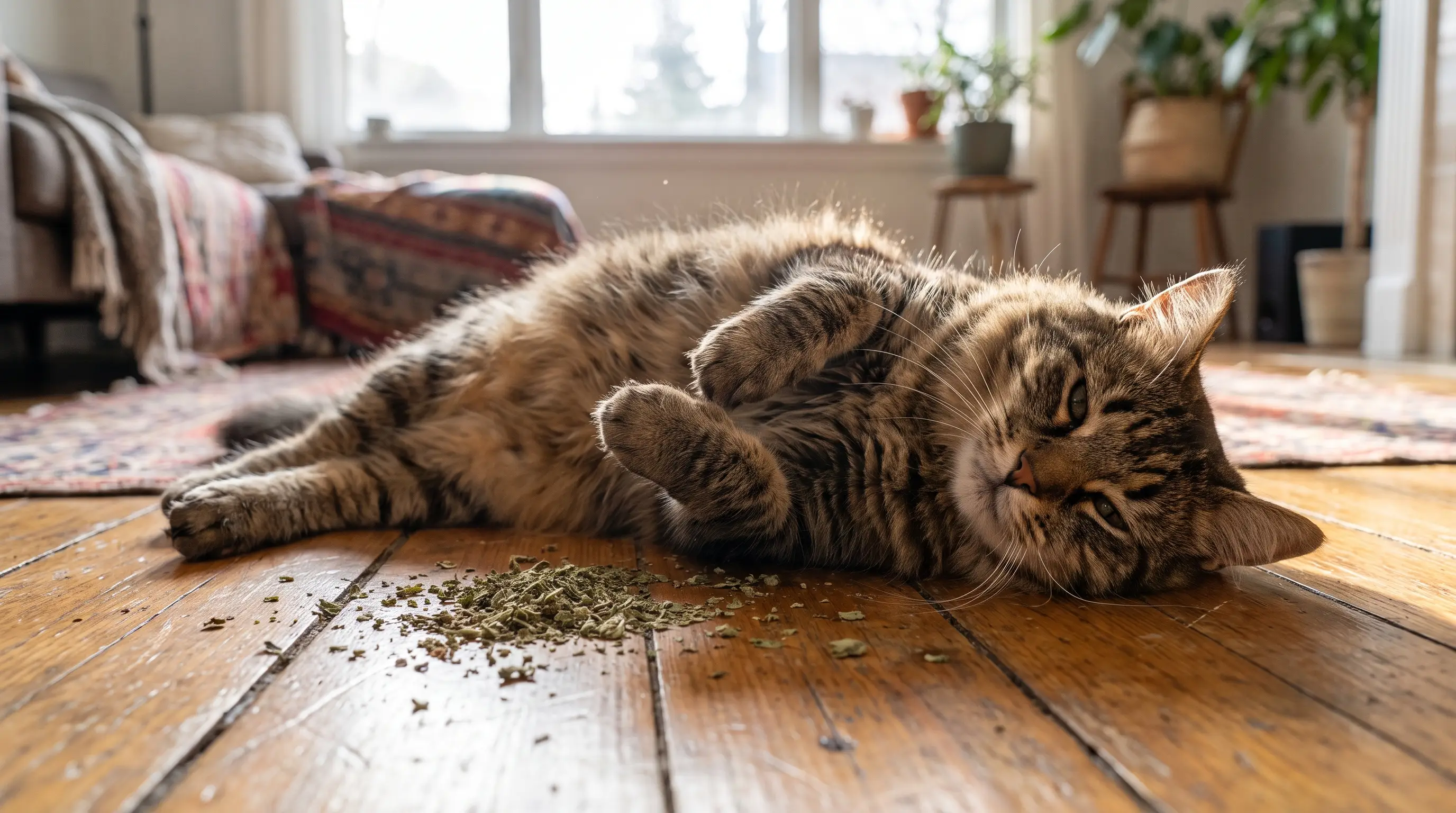
Activity is the other half of the equation, and how you serve the food is a lever for it. Instead of tipping the daily ration into one bowl, load part of it into a puzzle feeder or a slow feeder so the cat has to work, hunt and think for its meal. This stretches eating out, slows a fast eater and burns a little energy in the process. Book in short play sessions too, a few minutes with a wand toy or a chase toy once or twice a day, which most indoor cats will happily chase even after neutering. A little catnip on a toy can jump-start a sluggish player. Neutering does tend to make cats calmer and more homebound, so the movement they used to get roaming often has to be replaced on purpose. Hiding small portions around the house for the cat to find turns feeding into foraging and adds steps to an otherwise still day.

Tracking body condition and weight

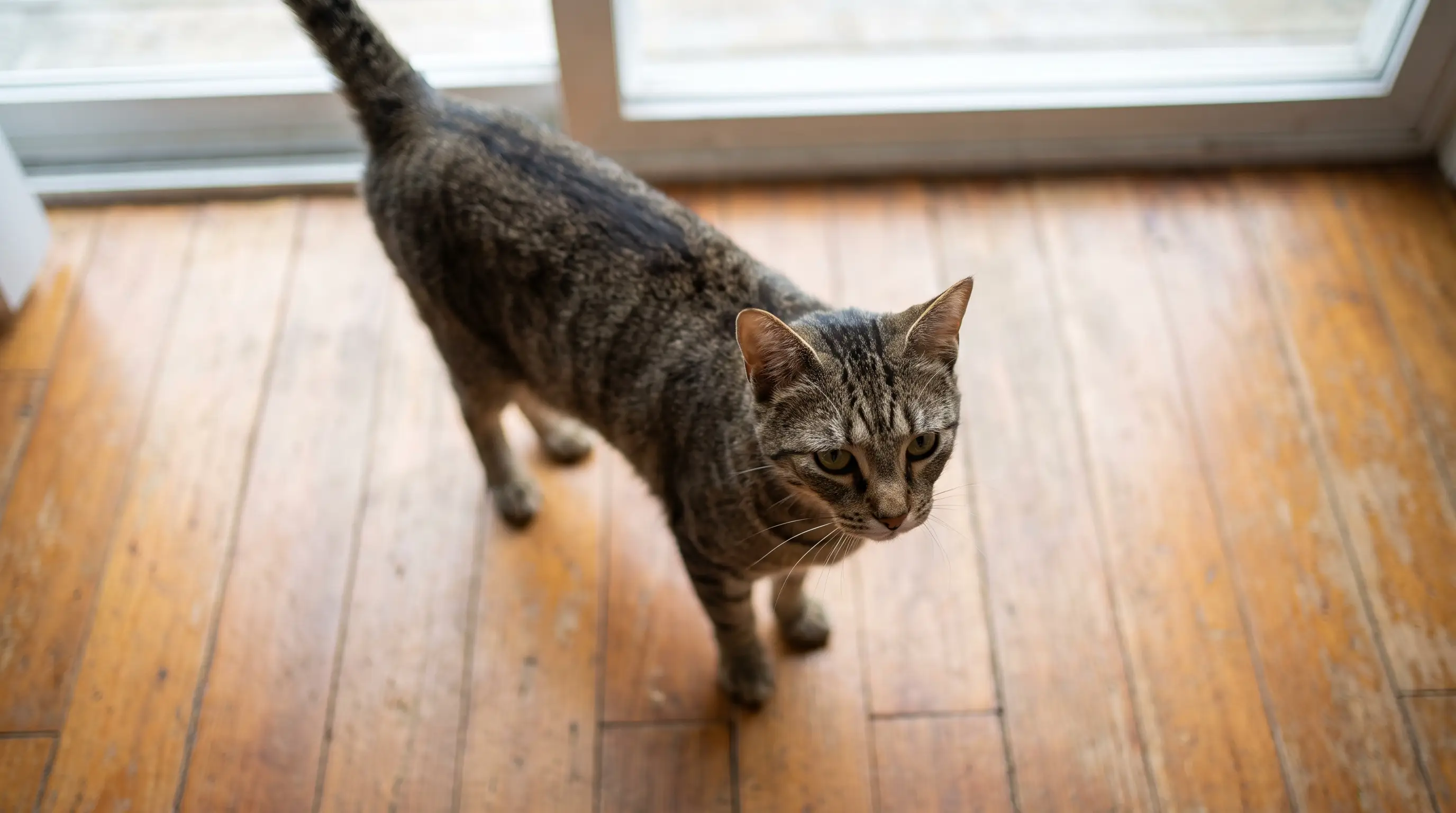
A lean, healthy short-haired cat photographed from above showing a clear waist behind the ribs

Check the body, not just the bowl, because the cat's shape tells you whether the plan is working. Run your hands along the ribs: on a cat at a healthy weight you should feel them easily under a thin layer of cover, without pressing. Look down from above and you should see a waist tapering in behind the ribs, and from the side a slight tuck up toward the back legs. If the ribs disappear and the waist goes straight, the portion is too big. Weigh the cat monthly on a scale that reads to the tens of grams, because half a kilogram on a cat is a large swing, the human equivalent of many kilos, and it creeps on too slowly to notice by eye. Adjust the food in small steps when the trend moves, rather than waiting for an obvious problem and a full weight-loss program later. If the weight keeps climbing despite honest portions and more activity, book a vet visit to rule out thyroid, other medical causes or a miscounted calorie total.

Common questions

How much should I feed my neutered cat?

Feed to your cat's ideal weight, not its current weight, using the calorie chart on the food pack as a starting point. A lean adult cat needs roughly 45 to 55 kcal per kilogram of ideal weight a day, so a 4 kg cat lands near 200 calories, split into two or more measured meals. Adjust based on monthly weigh-ins.

Why do cats gain weight after being neutered?

Because their energy needs drop by about 20 to 30 percent while their appetite goes up. The same portion that kept the cat lean before surgery now supplies more calories than it burns, and free access to a full bowl makes it worse. Cutting the portion after surgery is what prevents the gain.

Do neutered cats need special food?

Not strictly, but food formulated for neutered or indoor cats can help because it is lower in fat, adjusted in calories, and often higher in protein with added L-carnitine. It is not a substitute for portion control, though. Any food will overfeed a cat if you pour out too much of it.

Should I feed my cat less after being neutered?

Yes. Cut the portion soon after surgery rather than continuing the pre-surgery amount, because energy needs fall by up to a third. Do not starve the cat, split the smaller daily ration into several meals, and measure it by weight rather than by scooping cups.

Is wet or dry food better for a neutered cat?

Wet food has an edge for neutered cats because it adds water and fills the cat up for fewer calories, which helps with weight and the urinary tract they are more prone to. Dry food is convenient and useful in puzzle feeders. A mix of mostly wet with some measured dry works well for many cats.

How do I know if my neutered cat is overweight?

Feel the ribs and look at the waist. On a healthy cat you can feel the ribs easily under a thin layer and see a waist tapering in behind them from above. If the ribs are hard to find and the waist has vanished, the cat is overweight, and monthly weigh-ins will catch the trend early.

More in Cats