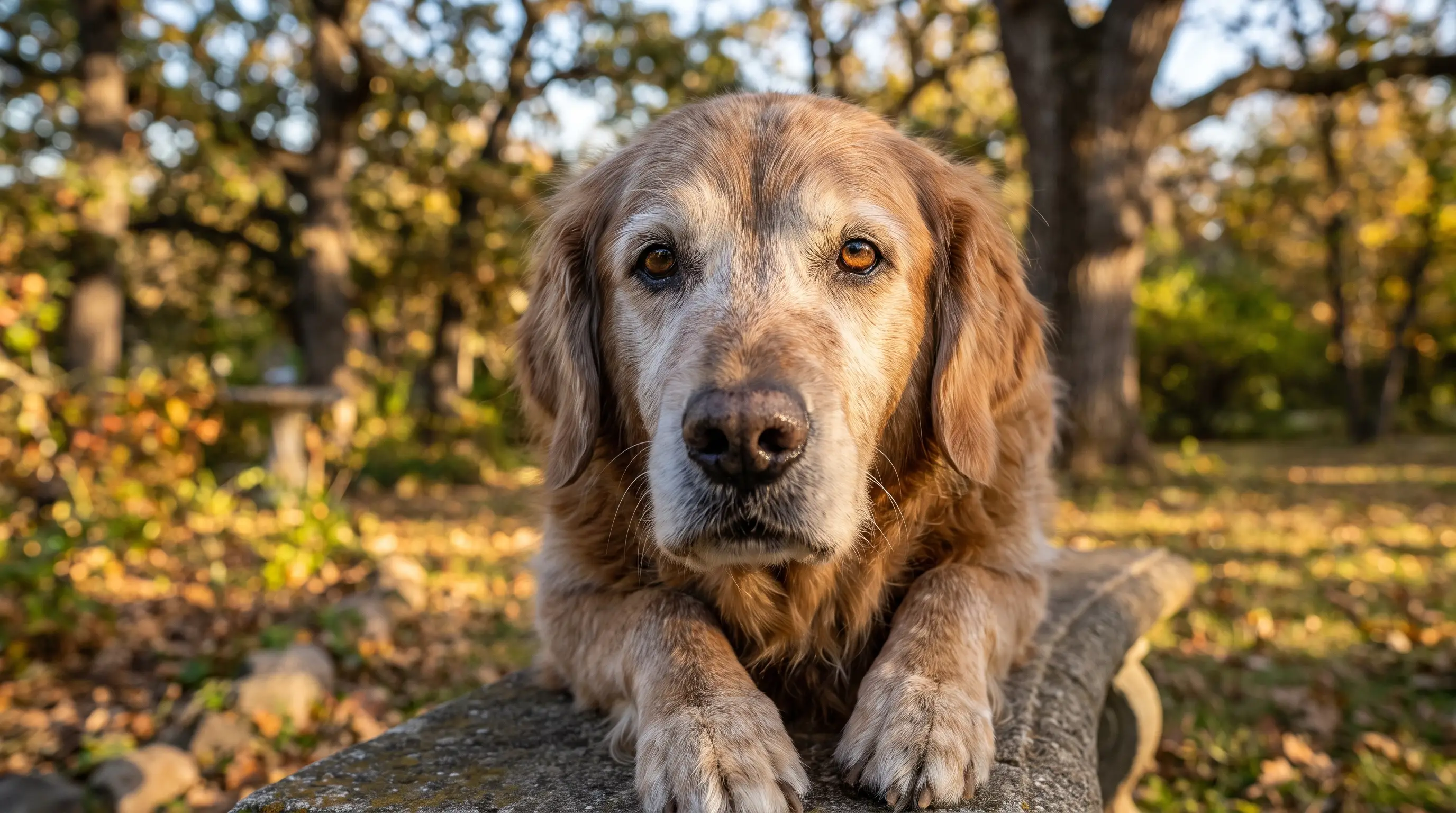
Adopting a senior dog or cat
Adopting a senior dog or cat usually means taking home an animal who is already calm, house-trained, and settled into a personality you can see before you commit. Older pets fill shelters and get passed over for younger, flashier faces, which is a shame, because they ask less of you and give back just as much. Here is what actually changes when you bring home an animal in its later years, and why so many adopters do it a second time.
The case for a senior
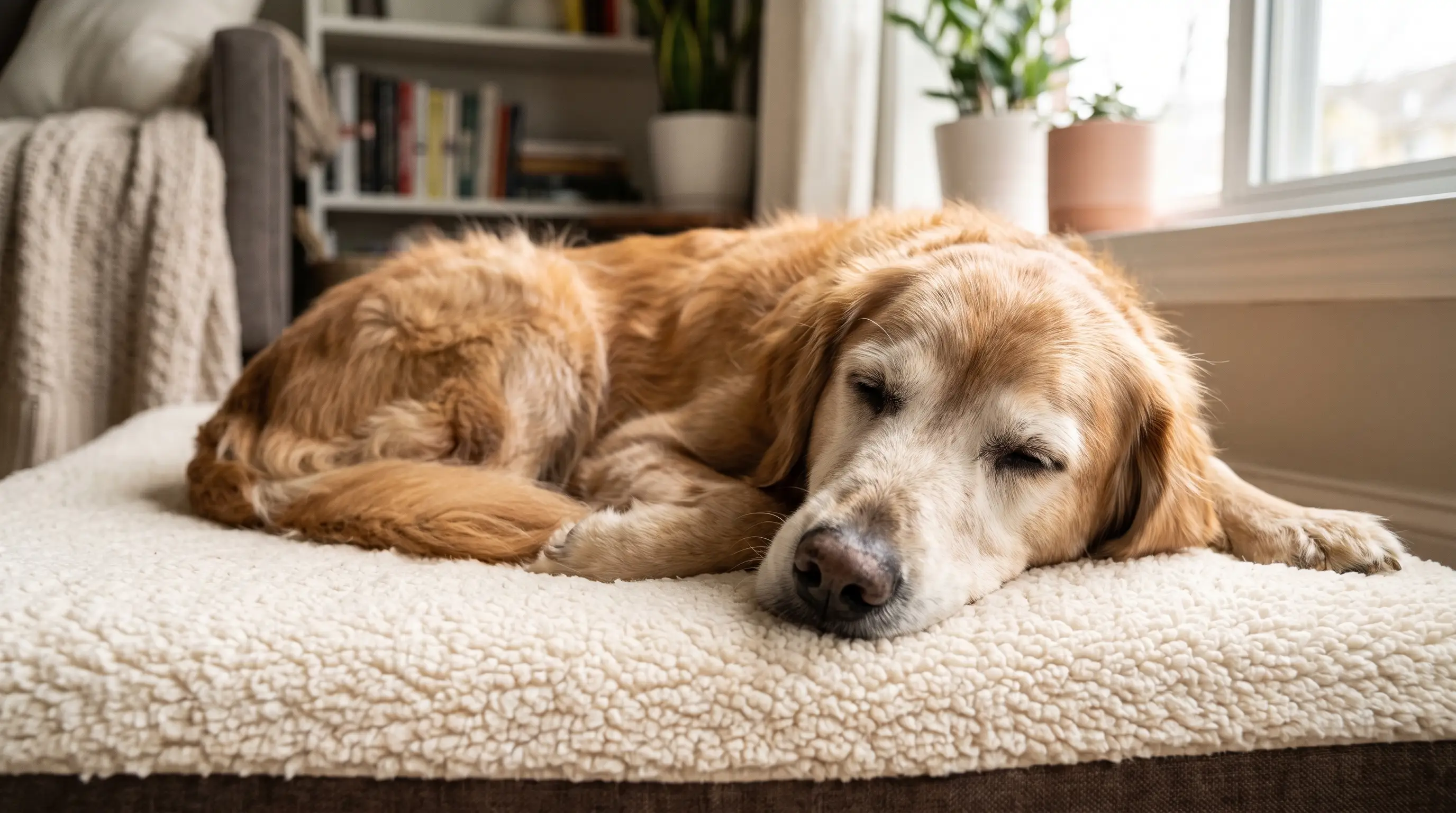
The strongest case for a senior pet is that what you see is what you get. A grown dog or cat has a settled temperament, so the shy one stays shy and the lap cat stays a lap cat, with none of the guesswork that comes with a puppy or kitten. Most have lived in a home before, which means they are usually house-trained or litter-trained, past the chewing and curtain-climbing stage, and happy to sleep while you work. A shelter or foster has often had weeks to watch the animal too, so you can ask how it behaves around other pets, children, and strangers and get a real answer rather than a hopeful guess.
They are also the animals most often overlooked. Walk through almost any shelter and the grey muzzles are the ones still waiting after the young ones have gone. That is not a verdict on the animal; it is a reflection of how people shop. If you want a companion who is ready to just be your companion, the senior wing is the best-kept secret in the building. There is more on choosing a rescue in adopting from a shelter, and you can read breed profiles to understand the temperament a breed tends to keep into old age.
They still bond, and still have years
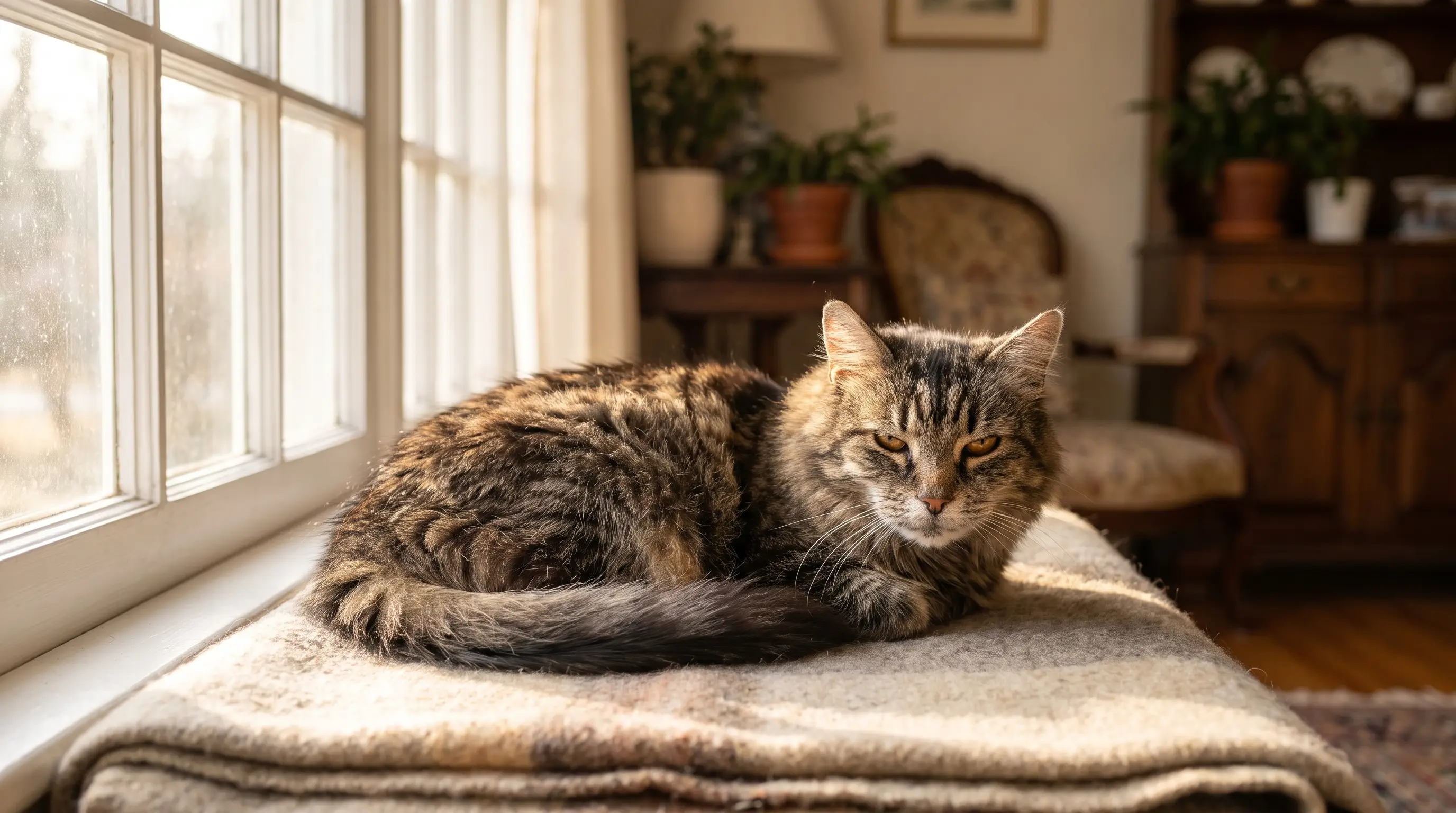
Older pets bond just as deeply as young ones, and often faster. A dog or cat that has been rehomed knows what a home is worth, and many attach to a new person within days of feeling safe. The idea that an old animal is somehow used up, or loyal only to a former owner, does not hold up in practice. Give one a warm bed and a steady hand and it will decide you are home.
You are also not adopting a short goodbye. A dog is often called senior around seven, a cat a little later, and plenty of them have many good years ahead of them, not months. A well-cared-for senior can stay bright, affectionate, and playful long past the point people expect. Adopting older is not settling for less time. For a lot of animals it is the start of the best stretch they have had. Ask the shelter what the animal was like on its good days, not just why it was surrendered, and you will usually hear about a pet that still wants to play, follow you room to room, and curl up at the end of the bed.
Plan for their health
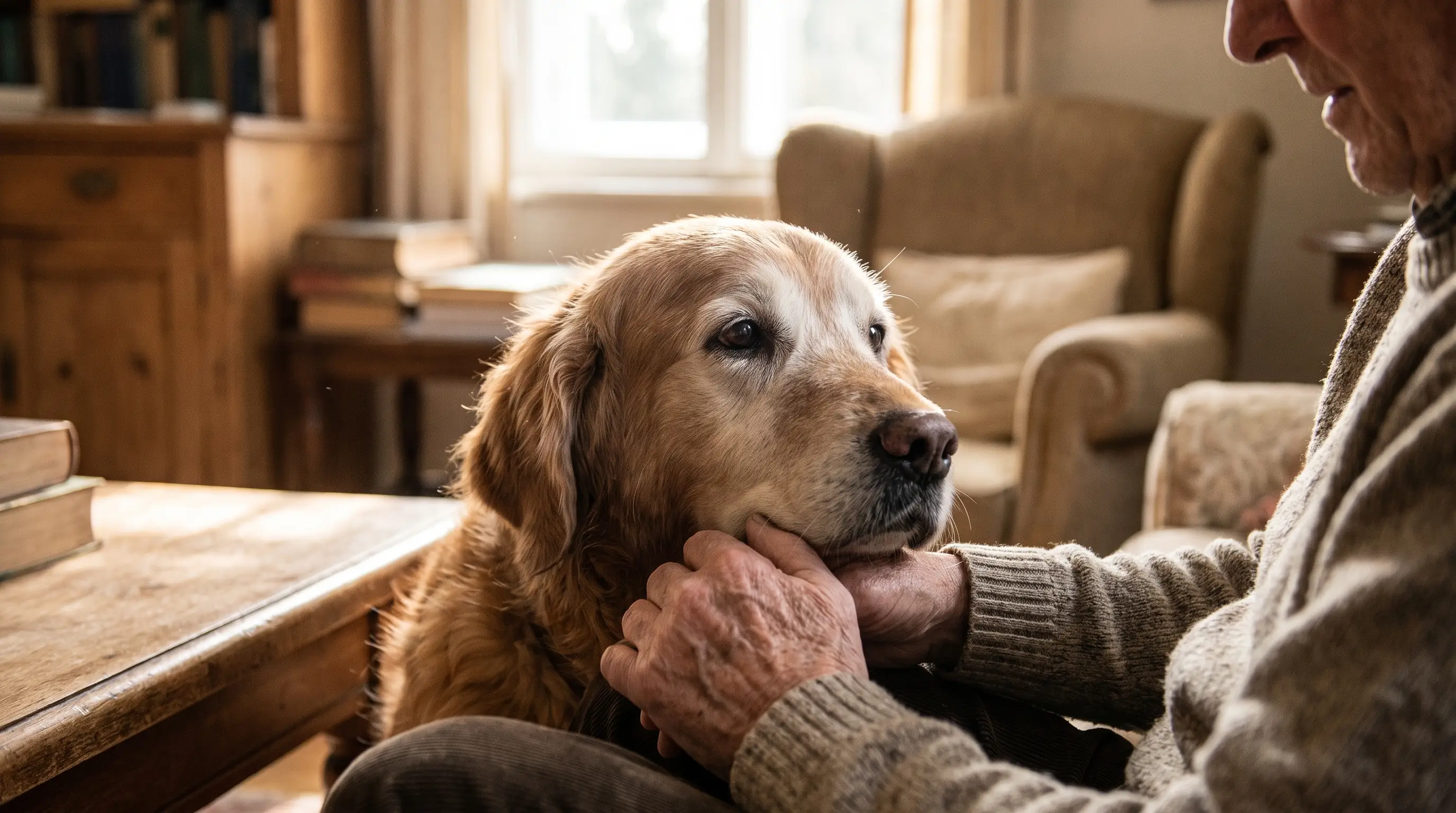
Plan for more veterinary care than a young pet needs, and budget for it before you fall in love. Older animals are more likely to develop age-related conditions such as arthritis, dental disease, kidney trouble, or a heart murmur, and they do better with check-ups twice a year rather than once. Book a senior wellness exam early, so you start with a clear baseline and a vet who knows what normal looks like for your animal. That first visit is also the moment to sort out diet and weight, since keeping an older pet lean takes real strain off tired joints, and to ask whether a joint supplement or a dental cleaning is worth doing now.
Money is the honest part of this. Pet insurance is worth pricing out, though read the fine print, because many policies limit or exclude conditions an older animal already has. If insurance does not fit, a dedicated savings buffer does the same job. Our guides to senior dog care and senior cat care go deeper on the conditions to watch and the questions to ask your vet.
Small comforts at home
A few small comforts make an older animal's day easier, and none of them cost much. Start with a soft orthopedic bed in a warm, quiet corner away from draughts and foot traffic, because aging joints feel the cold and the hard floor. For a stiff dog, a ramp or a set of steps up to the sofa or into the car saves a painful jump. For a cat, a litter box with a low side to step over and food bowls raised off the ground make the everyday reach less of an effort. A couple of non-slip runners across a slick floor help a wobbly dog keep its footing, and a nightlight makes the trip to the water bowl easier for eyes that no longer see well in the dark.
Keep the layout predictable. Older pets, especially those losing a little sight or hearing, do best when the bed, the water, and the litter box stay put and the routine holds steady. Feed at the same times, walk the same gentle loop, and let them rest when they want to. Calm and consistent is what an old animal is asking for, and it is easy to give.
The honest hard part
The honest hard part is that you will probably have less time together than you would with a young animal, and there is no way around that. You may get years, but you are unlikely to get a decade, and you go in knowing the goodbye is closer. For some people that is reason enough to choose a younger pet, and that is a fair choice to make.
For many adopters, though, that closeness is exactly the point. Giving an old dog or cat a soft bed, good food, and a person of its own for whatever time is left is one of the kindest things you can do, and the animal has no idea the clock is short. It simply gets to be warm, fed, and loved. Plenty of people who set out to adopt a puppy or a kitten and came home with a grey muzzle instead will tell you they would do it again without hesitating.
Common questions
Should I adopt a senior dog?
For most homes, yes, a senior dog is one of the easiest pets to take on. It usually arrives house-trained, past the destructive puppy stage, and with a personality you can already read, so you know what you are getting. The main trade-off is a higher chance of vet care and fewer years together, so go in ready to budget for health and to enjoy the time you have.
What are the benefits of adopting an older pet?
Older pets are typically calm, house-trained or litter-trained, and settled in temperament, so there is far less guesswork and training than with a puppy or kitten. They tend to be overlooked in shelters, which means adopting one frees up space and often a lower fee. Many also bond quickly and are content to fit into a quiet home.
Do senior dogs bond with new owners?
Yes. Senior dogs form strong attachments to new owners, often within days of feeling safe and settled. A dog that has been rehomed does not stay loyal only to a past owner; give it a warm bed, food, and a steady routine and it bonds to the person providing them.
How much does it cost to care for a senior pet?
Expect to spend more than you would on a young, healthy animal, mainly on veterinary care. Older pets do better with check-ups twice a year and are more likely to need treatment for things like arthritis, dental disease, or kidney issues. Pricing out pet insurance early or setting aside a savings buffer keeps those costs from becoming a shock.
Is it worth adopting an old cat?
Yes. An older cat is often affectionate, quiet, and litter-trained, and it asks for little beyond a warm spot and a steady routine. Many senior cats have years of good life left and bond readily with a new person. The trade-off is planning for more vet visits and possible age-related conditions.
What should I know before adopting a senior dog?
Know that a senior dog usually needs more veterinary care, twice-yearly check-ups, and comforts like an orthopedic bed and easier access up to the sofa or car. Budget for health costs and consider insurance, but read the fine print on pre-existing conditions. In return you get a calm, house-trained companion who bonds fast and asks mostly for a quiet, predictable home.
More in Dogs
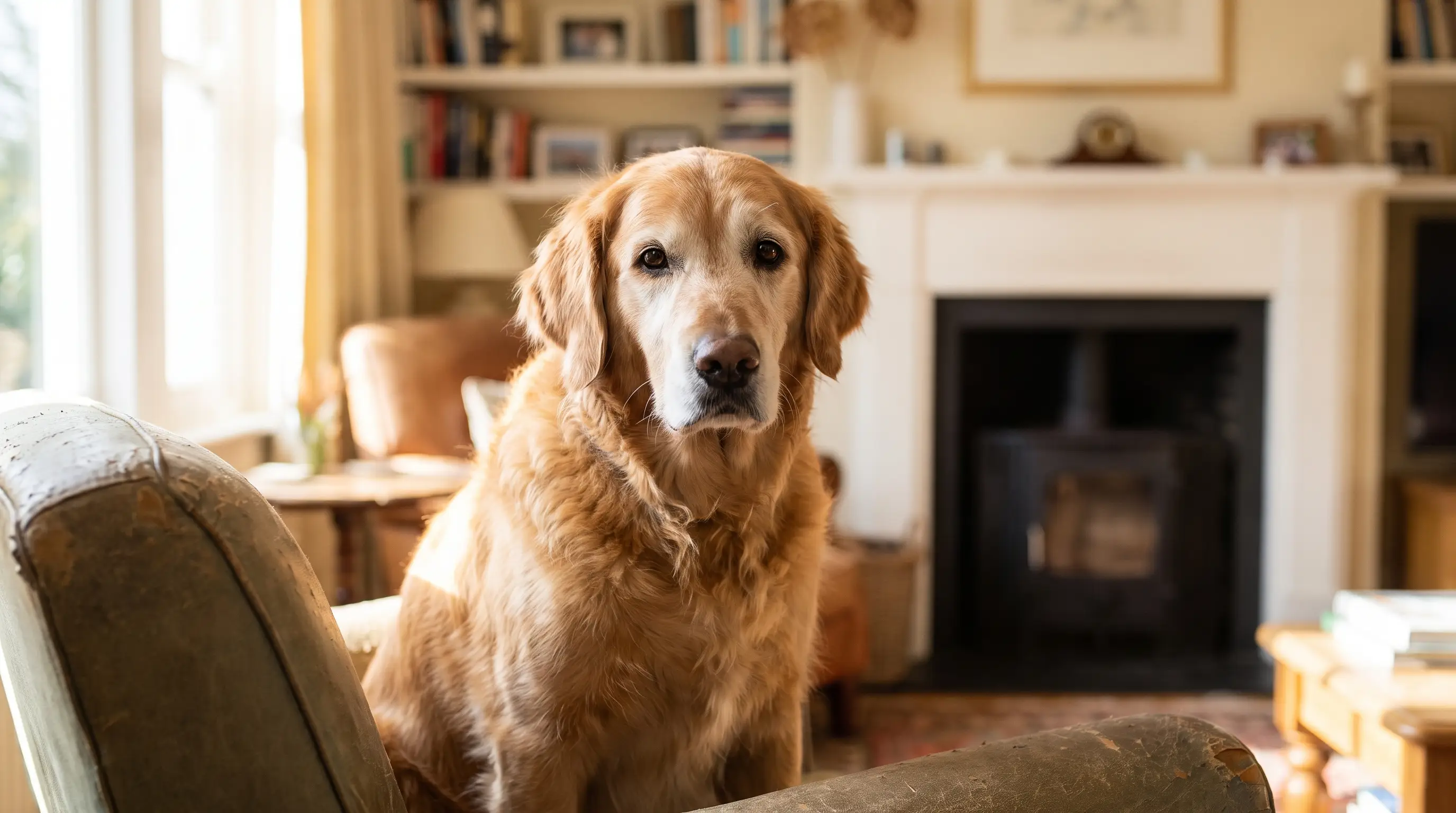
Why adopt an adult dog instead of a puppy
An adult dog shows you its size, coat and temperament from day one, and is often already house-trained, for an easier start than a puppy.
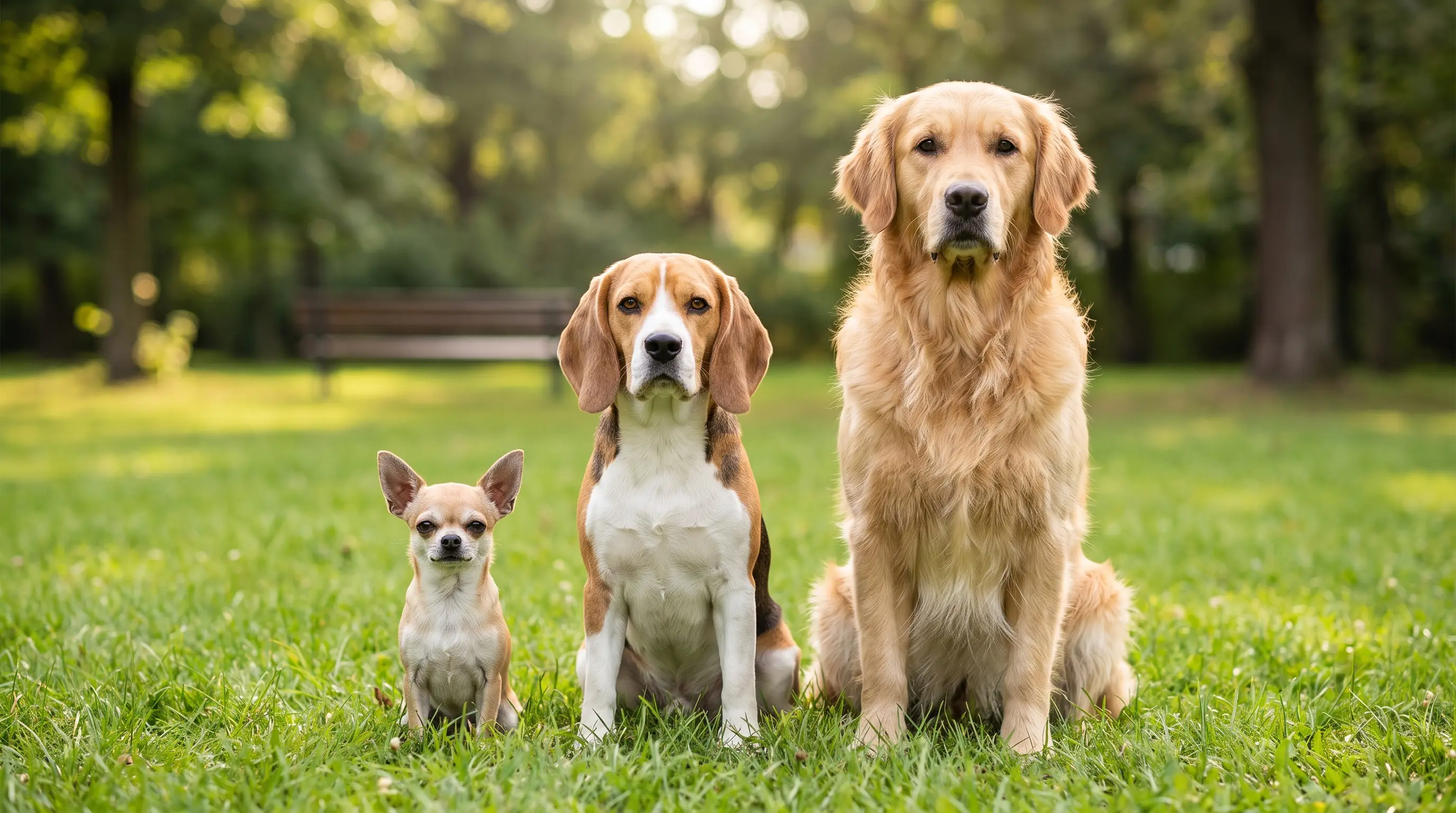
Small, medium or large? Choosing a dog's size
Size sets food bills, strength on the lead and lifespan, but not energy. Match a dog's temperament first, then choose small, medium or large.
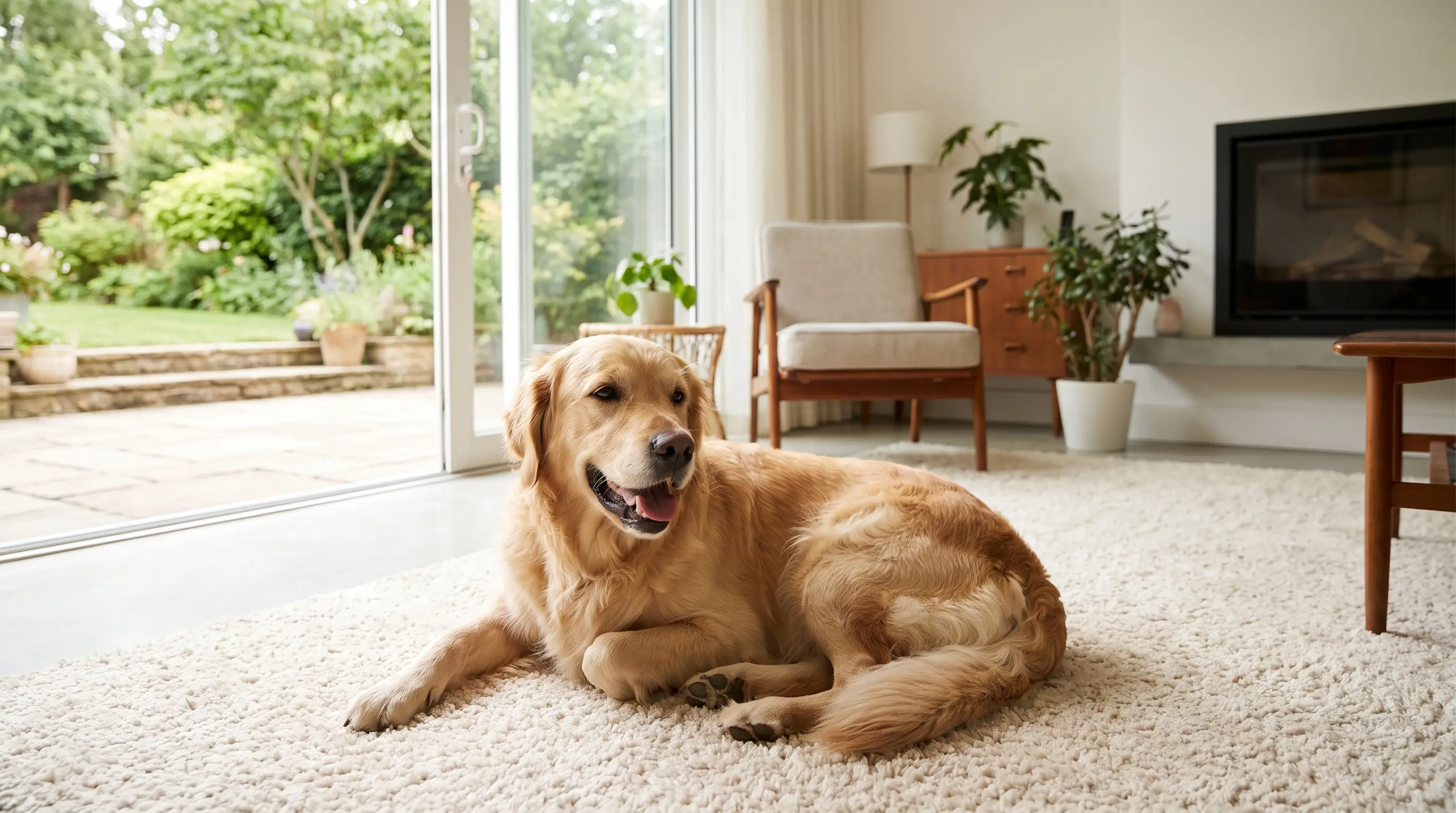
Dog-proofing your home and garden
Dog-proof your home and garden before you adopt: fix indoor hazards, secure the fences and gate, clear toxic plants, and set up the dog's own space.