Pet dental care: the health problem owners miss
Dental disease is the most common health problem in adult dogs and cats, and most pets over the age of three already have some. It's painful, not just smelly, and the earliest sign, bad breath, is the one owners are most likely to wave off. Here's what to watch for and how to prevent it before it costs your pet its teeth.
Dental disease in dogs and cats
Dental disease is the most common health problem in adult dogs and cats, and by the age of three most pets already have some form of it. The American Veterinary Medical Association puts it plainly: more than 80% of dogs and around 70% of cats show signs of periodontal disease by their third birthday, and it ranks as the number one clinical condition vets find in adult pets. The part owners miss is that it hurts. Plaque hardens into tartar, the gums pull away from the teeth, and infection works its way into the sockets below the gumline. Left alone, periodontal disease loosens and kills teeth, and the bacteria it seeds don't stay in the mouth. They enter the bloodstream and have been linked to damage in the heart, liver and kidneys. A smelly mouth is not a cosmetic complaint. It's usually the first sign of a painful, progressive infection.
Signs of dental disease
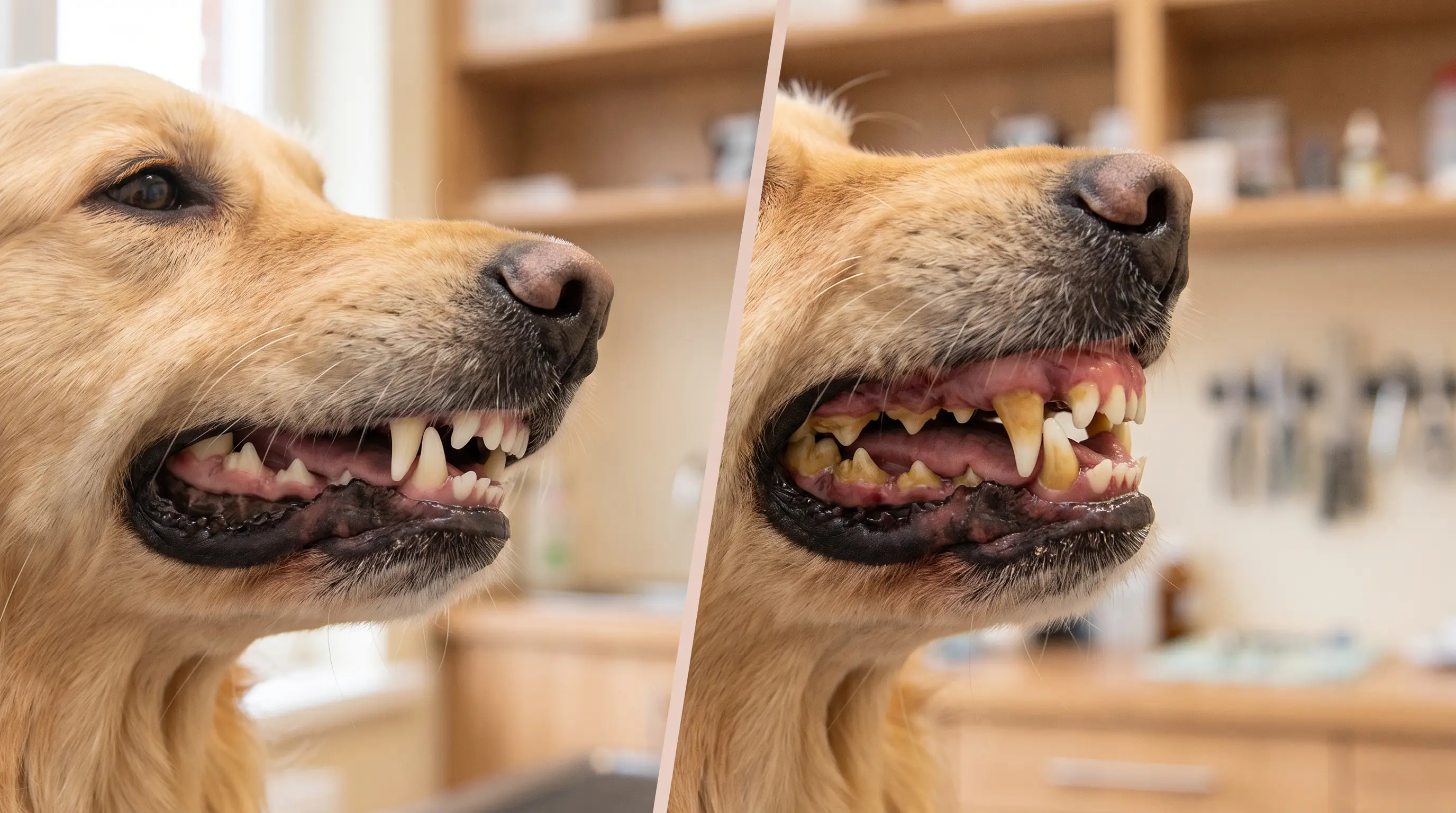
The clearest warning sign is bad breath, and it is not normal. A healthy mouth doesn't smell foul; that odour comes from bacteria multiplying along the gumline. Beyond the breath, look for yellow-brown tartar crusting the teeth, especially the back ones, along with red, swollen or bleeding gums and drool that may be tinged with blood. Behaviour tells you as much as the mouth does. A pet in pain will drop food while eating, chew on one side, turn away from hard kibble or toys, or paw at its face. Cats often just go quiet and eat less. Because animals hide pain well, many owners only notice once a tooth is already loose or an abscess has formed. If you can lift the lip and see brown buildup or an angry red line where tooth meets gum, the disease is already underway.
Tooth resorption in cats
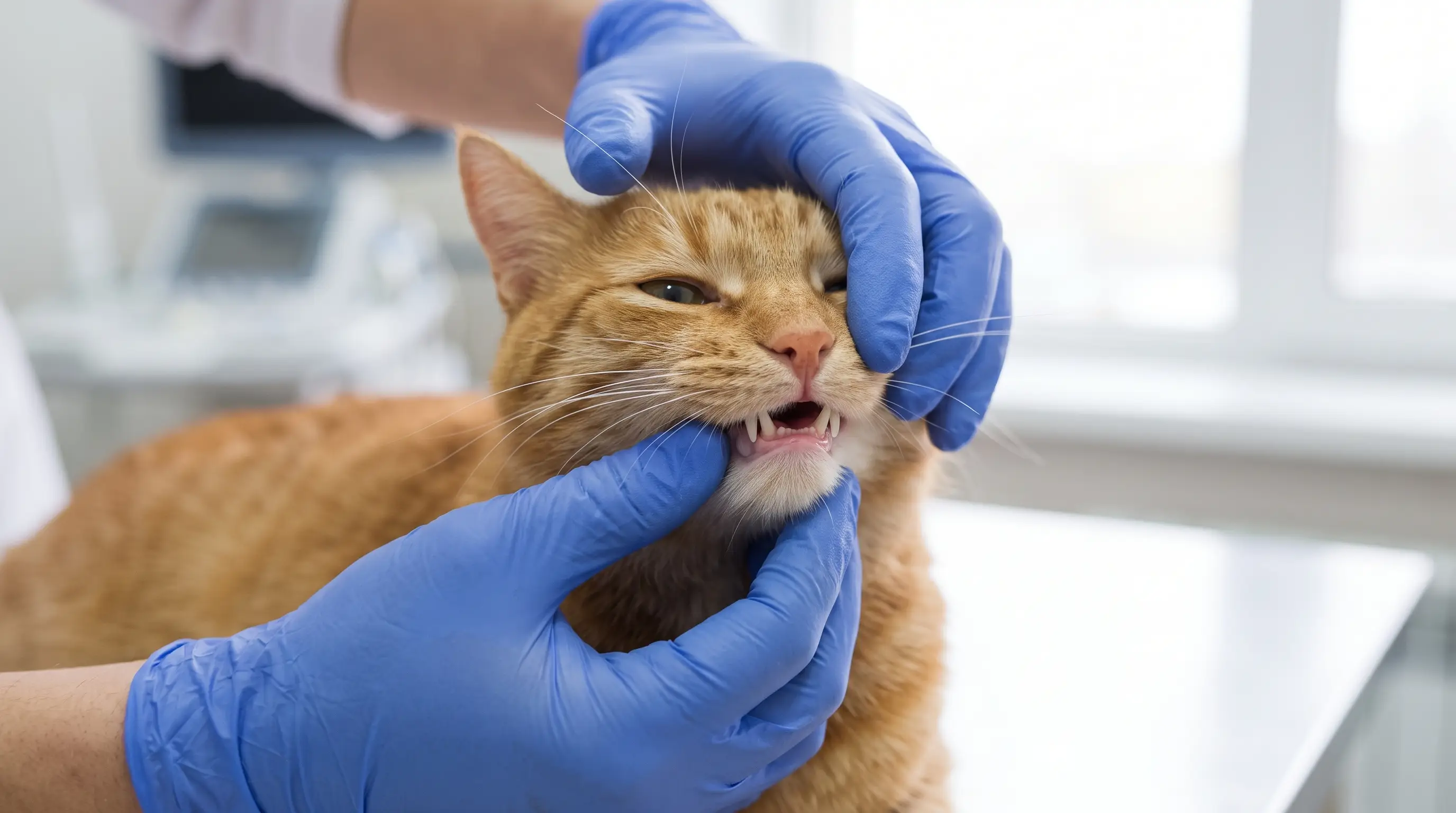
Cats face a specific and painful problem that dogs rarely get: tooth resorption. The body's own cells begin dissolving the tooth from the surface inward, often starting below the gumline where you can't see it. These lesions are common in adult cats and genuinely agonising. The exposed nerve makes a cat flinch, chatter its jaw, or refuse to let you near its mouth. There's no way to prevent resorption with brushing and no filling that reliably saves the tooth; affected teeth usually have to come out. What brushing and regular vet checks do is catch it early, before the cat spends months in silent pain. If your cat has stopped eating dry food, drools, or drops kibble, don't assume it's fussiness. A quiet cat that has gone off its food, a flat-faced Persian included, deserves a proper look inside the mouth.
Brushing your pet's teeth
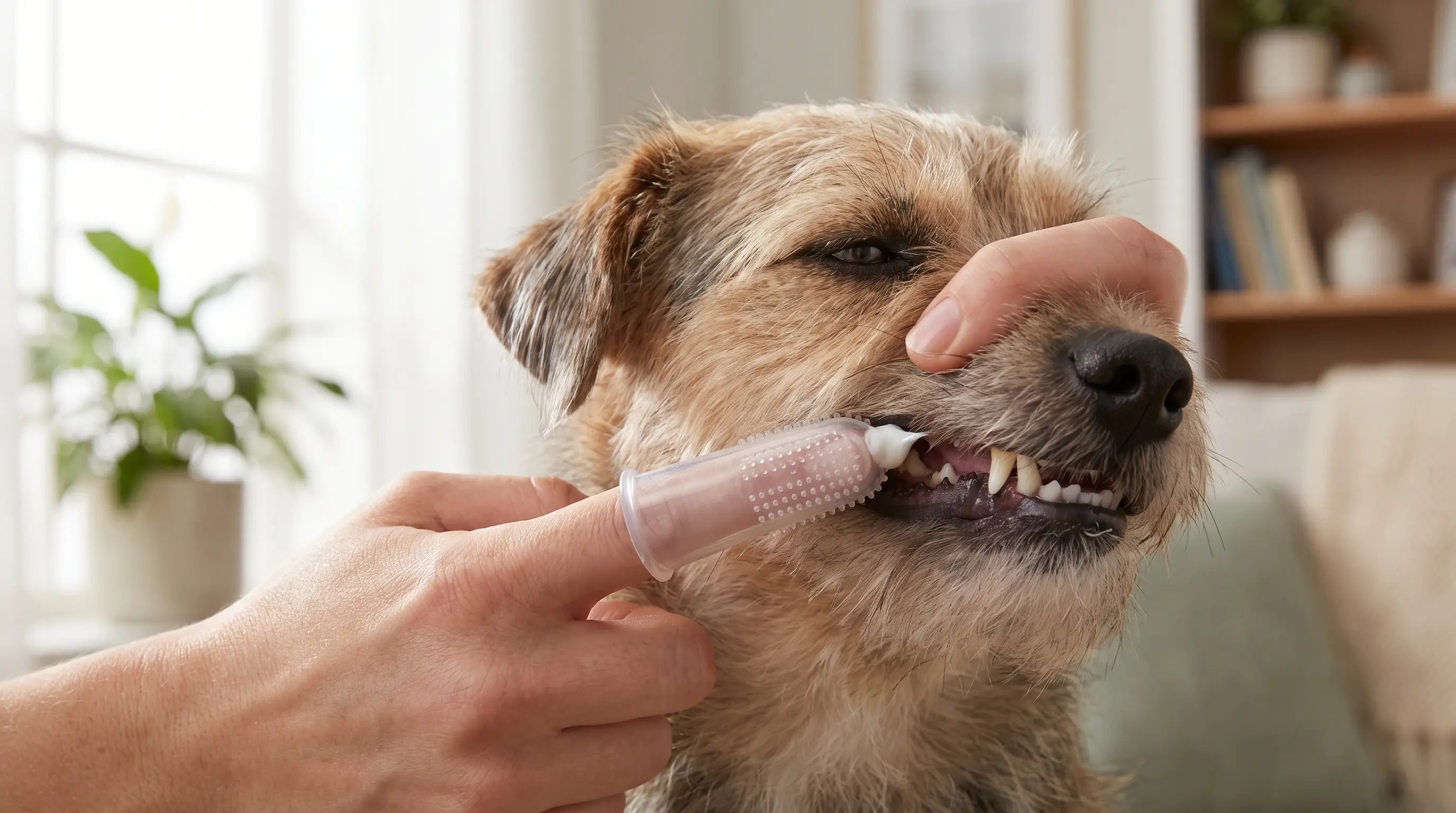
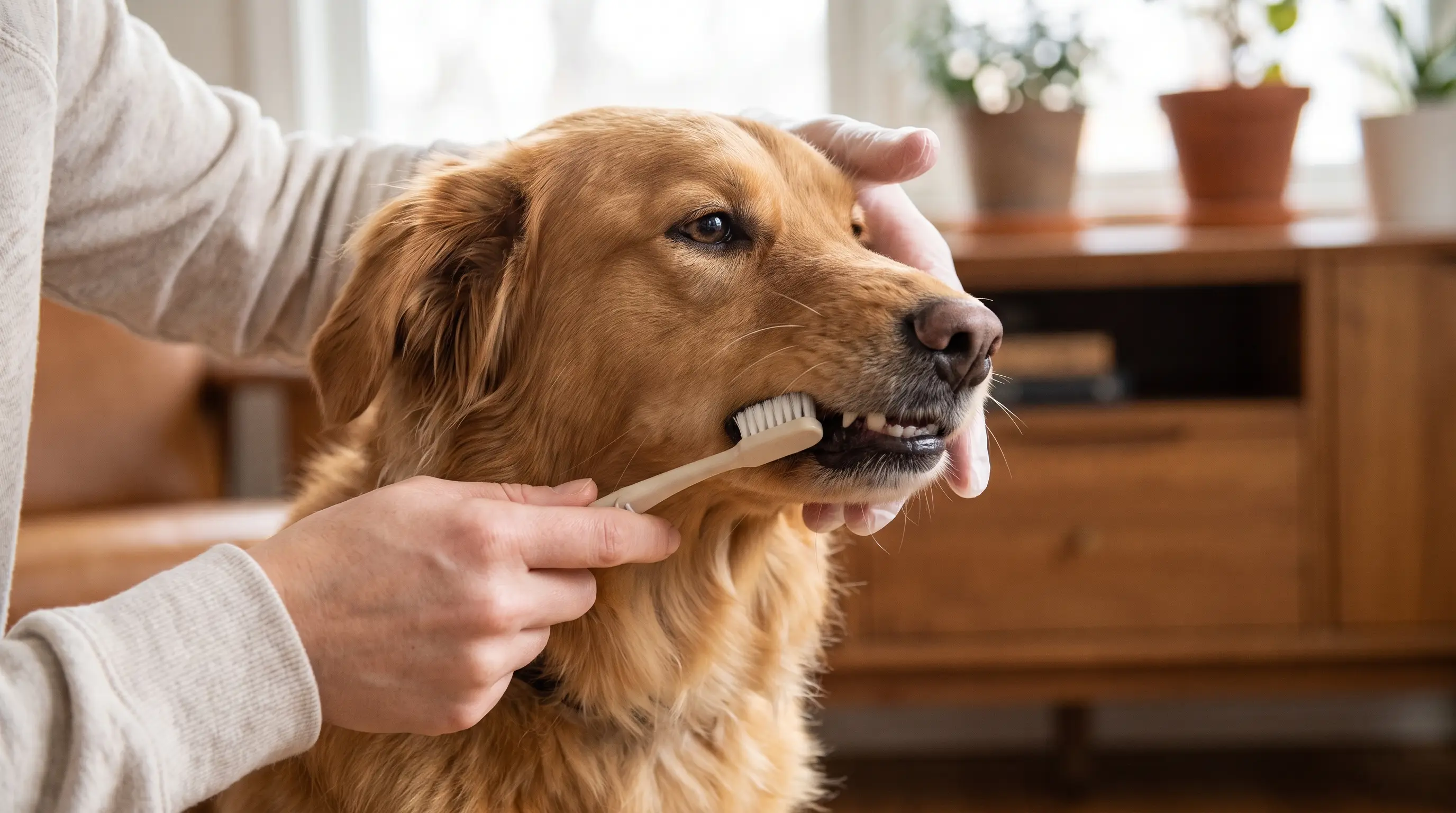
Daily tooth brushing with a pet-specific toothpaste is the single most effective thing you can do at home, and nothing else replaces it. Plaque turns to tartar within a day or two, so brushing every day keeps it from hardening; two or three times a week still helps, but daily is the target. Use a pet toothbrush or a finger brush and toothpaste made for dogs and cats. Never use human toothpaste. It contains fluoride, which isn't meant to be swallowed, and some human brands contain xylitol, which is poisonous to dogs even in small amounts. Pet toothpastes are made to be eaten and come in flavours like poultry that most animals accept. Start young and go slow: let the pet lick the paste, then touch a few teeth, then build up over days to the whole mouth. Aim for the outer surfaces along the gumline, where plaque collects. An older pet can learn too. It just takes more patience and a mouth that isn't already sore.
Dental chews, diets and water additives
Dental chews, special diets and water additives help slow tartar, but none of them replace a toothbrush. When you buy them, look for the VOHC seal. The Veterinary Oral Health Council only awards it to products that reduced plaque or tartar in real trials, and plenty of packets promise clean teeth with no evidence behind the claim. Here's the myth worth killing: dry food does not meaningfully clean teeth. Kibble shatters on first contact and barely touches the gumline where disease starts, and most pets swallow it whole anyway. The crunch-cleans-teeth idea is marketing, not dentistry, which is one reason the wet-versus-dry question isn't really about teeth at all. Use chews and additives as a supplement to brushing, not a substitute. A dog that gets a VOHC chew and nothing else still needs its teeth brushed.
Professional cleaning and 'anaesthesia-free' dentistry
When your vet finds disease below the gumline, the only real treatment is a professional cleaning under general anaesthesia. Anaesthesia lets the vet probe each tooth, take dental X-rays, scale away tartar under the gums, and remove teeth that can't be saved, none of which a conscious, frightened animal will tolerate. This is where the disease actually lives, and it's the part that matters. Be wary of 'anaesthesia-free dental cleaning' offered at grooming salons or pet shops. Scraping the visible crown makes the teeth look whiter, but it does nothing below the gumline where periodontal disease sits, it can't include X-rays, and it can leave a pet with a clean-looking mouth full of hidden infection. It also means holding a stressed animal still while sharp instruments work near its gums. Whiter teeth are not healthier teeth. Ask your vet what's happening under the gums, not just on the surface.
Common questions
How can I clean my dog's teeth at home?
Brush them with a pet toothbrush or finger brush and toothpaste made for dogs, working gently along the gumline where plaque collects. Let your dog lick the paste first, then build up over days to a few seconds a tooth. Never use human toothpaste.
How often should you brush a dog's teeth?
Daily is the target, because plaque hardens into tartar within a day or two. Two or three times a week still helps if daily isn't possible, but it won't keep the gumline as clean as everyday brushing.
Can I use human toothpaste on my dog?
No. Human toothpaste contains fluoride that isn't meant to be swallowed, and some brands contain xylitol, which is poisonous to dogs even in small amounts. Use toothpaste made for pets, which is safe to swallow.
Do dental chews actually work for dogs?
Some do, but only as a supplement to brushing, not a replacement. Look for the VOHC seal, which is only given to products shown to reduce plaque or tartar in trials. Chews slow buildup but can't clean below the gumline.
Is bad breath normal in dogs?
No. Persistent bad breath is usually the first sign of dental disease, caused by bacteria along the gumline. A healthy mouth doesn't smell foul, so foul breath is a reason to check the teeth, not to ignore it.
Is anesthesia-free teeth cleaning safe for dogs?
It's largely cosmetic and can be misleading. Scraping the visible crown makes teeth look whiter but does nothing below the gumline where periodontal disease actually sits, and it can't include the X-rays needed to find hidden problems.
More in Dogs

8 rare dog breeds most people never meet
Eight of the world's rarest dog breeds — where they come from, what makes them unusual, and why you almost never see one.

Foxtails: The Summer Grass Seed That Burrows Into Pets
Foxtail grass seeds catch in fur and travel one way—inward. Here's how to spot them on a cat or dog, and stop them.

The oldest dog ever and how long dogs really live
Bluey reached 29 years. Bobi's 31-year claim fell apart. Here's the real math on dog lifespan, and how to buy your dog more time.