Flat faces, hard breathing: the truth about brachycephalic dogs
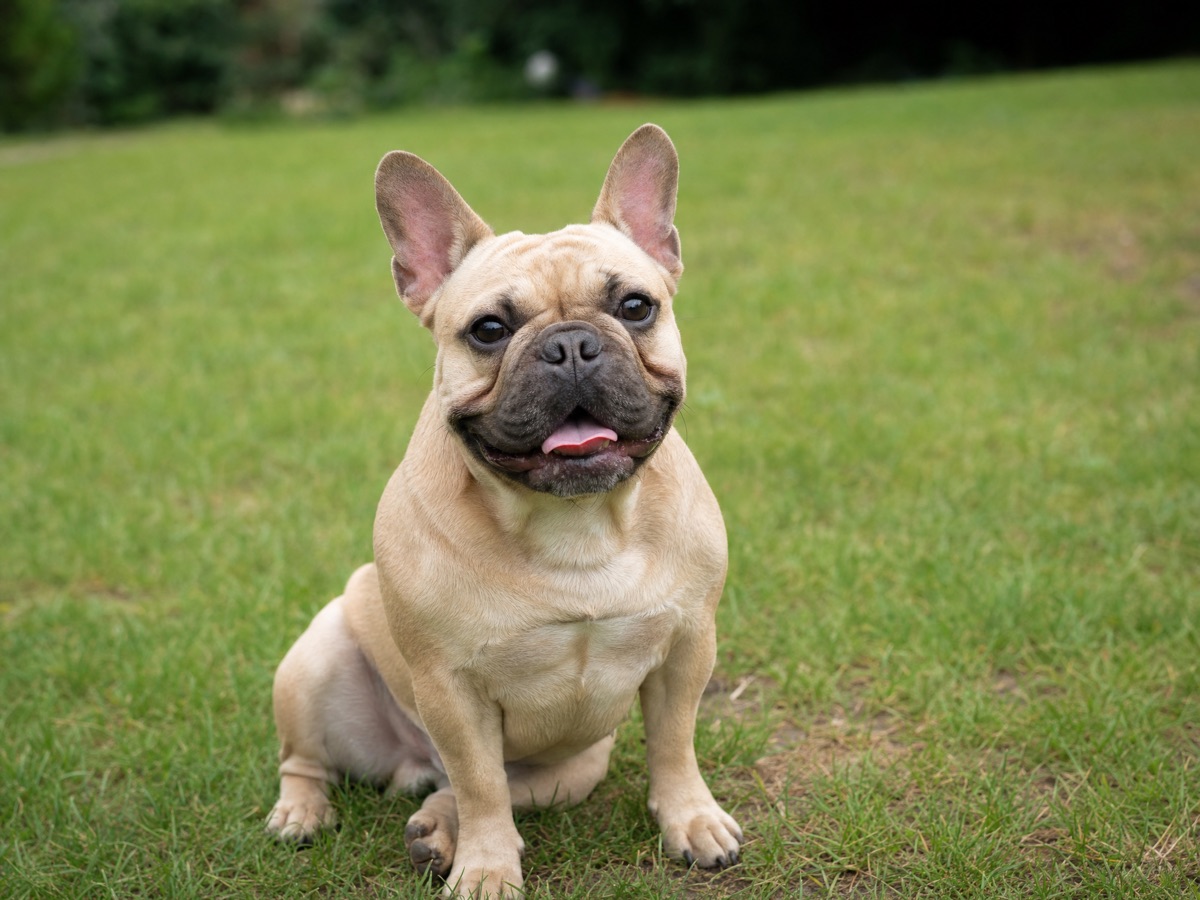
The flat-faced dogs — the French Bulldog, the Pug, the English Bulldog and their cousins — were bred to a shortened skull without shortening what goes inside it, and that mismatch makes many of them struggle to breathe. The condition has a name, BOAS, and it is common enough that a snoring, snorting, heat-hating dog is often not just characterful but genuinely short of air. This is not a reason to love these dogs less; it is a reason to choose, breed and care for them with your eyes open. Here is what is actually going on, and what helps.
What BOAS actually is
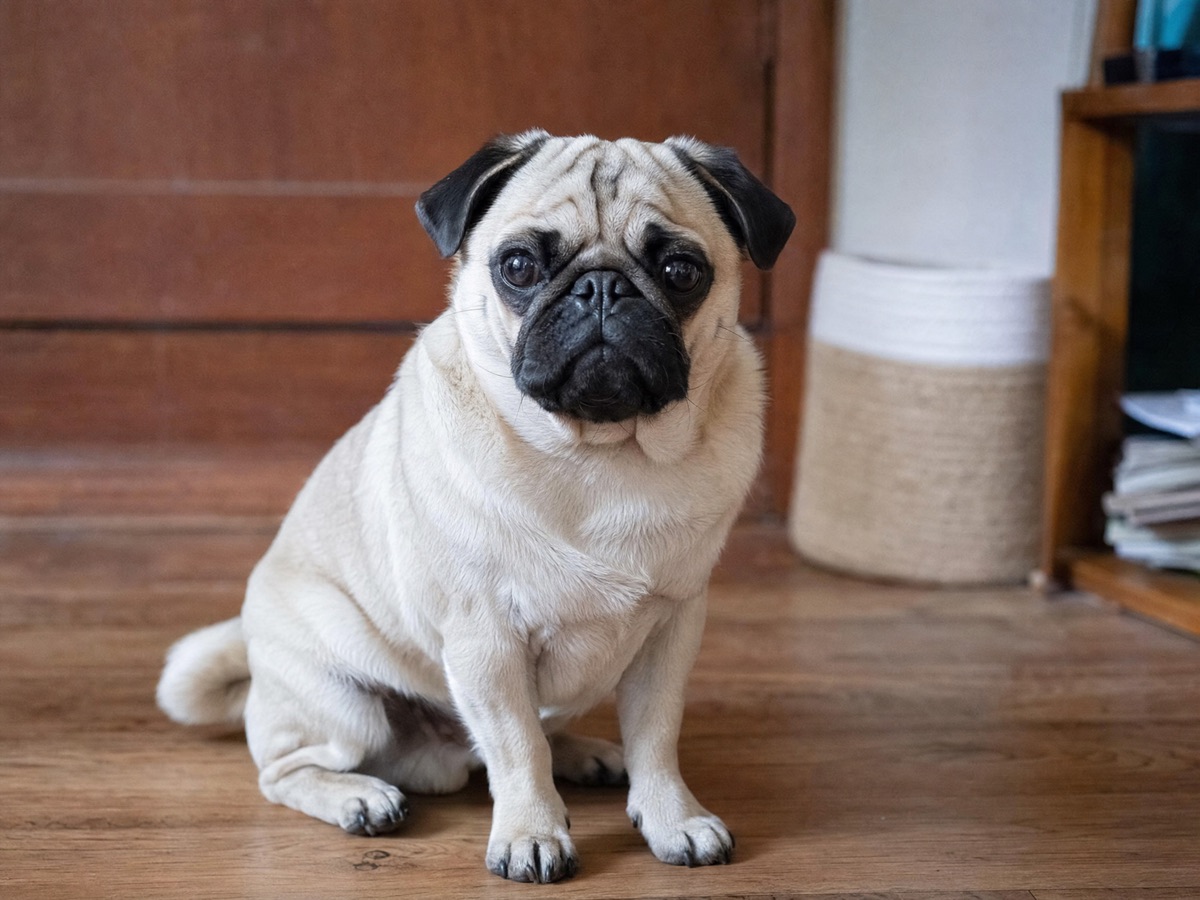
BOAS stands for brachycephalic obstructive airway syndrome, and it comes from a simple geometry problem: the skull was bred short, but the soft tissue inside was not. A flat-faced dog carries roughly the same amount of tissue in its nose, soft palate and throat as a longer-nosed dog, now folded into a much smaller space. The result is narrowed nostrils, an over-long soft palate that partly blocks the airway, and a windpipe that is often too small. Air has to be forced past all of it, which is what produces the snoring, the snorting and the constant open-mouthed effort. The dog is not being lazy or funny when it stops on a walk; it is doing the work of breathing through a straw.
The breeds it affects, and how much
The shorter the face, the higher the risk, and a handful of breeds sit at the sharp end. The French Bulldog, the Pug and the English Bulldog are the most affected, with large studies finding a majority of these dogs show some degree of BOAS, and many of them clinically significant. Boston Terriers, Pekingese, Shih Tzus and Boxers carry meaningful risk too, scaling roughly with how flat the face is. It is worth being precise here: not every flat-faced dog is severely affected, and a well-bred one with open nostrils and a longer muzzle can live comfortably. But the breed-wide numbers are high enough that buyers should treat easy breathing as something to check for, not assume.
The warning signs owners miss
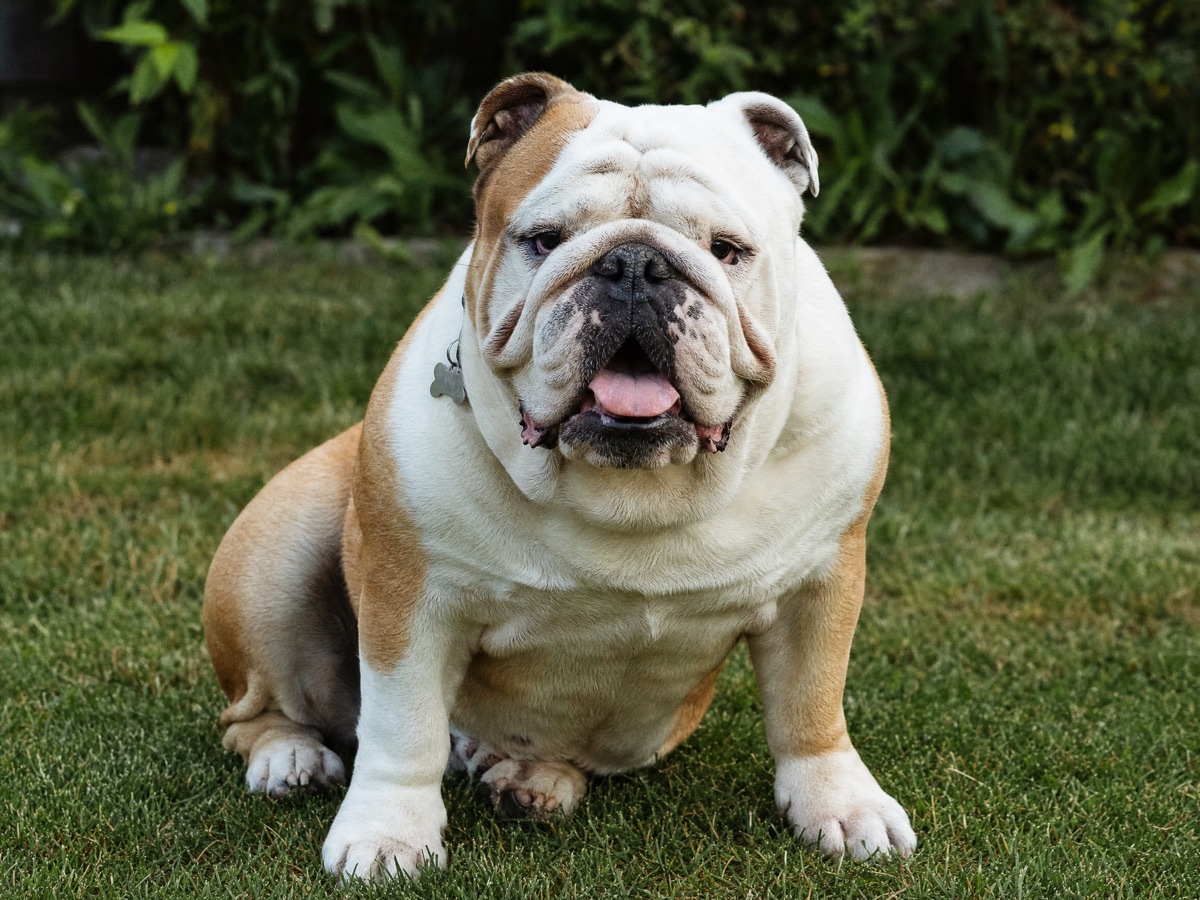
The signs of BOAS are so common in these breeds that owners often mistake them for normal, which is the real danger. Loud snoring, snorting and noisy breathing at rest are not just breed quirks — they are the sound of a partly blocked airway. So is a dog that tires fast, overheats easily, gags or brings up foam, sleeps sitting up or with a toy in its mouth to keep the airway open, or has blue-tinged gums after exertion. Heat is the acute emergency: a brachycephalic dog cools itself by panting, and a blocked airway makes panting far less effective, so these breeds overheat and can die on a warm-weather walk that a Labrador would shrug off. If any of this sounds like your dog, it is worth a vet visit, not a shrug.
What a responsible breeder does
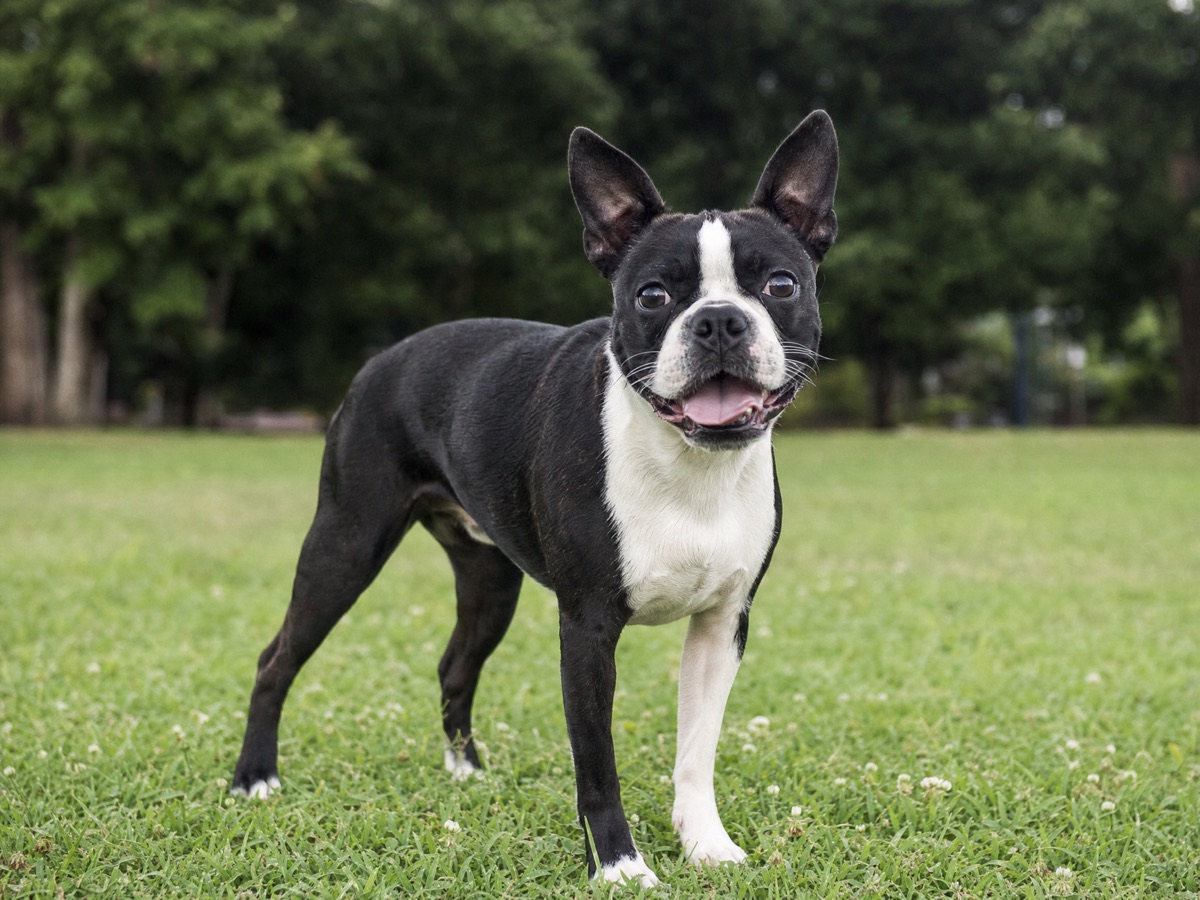
Good breeders now test for this, and it is the single most useful question a buyer can ask. Formal schemes exist — the UK Kennel Club and University of Cambridge Respiratory Function Grading Scheme grades a dog from 0 to 3 by listening to its breathing before and after exercise — and responsible breeders grade their dogs and breed only from the clearer ones. They also select deliberately for more open nostrils and a slightly longer muzzle, reversing the exaggeration that a century of show breed standards drove in. When you buy a flat-faced puppy, ask for the parents' airway grades and look for functional, open nostrils. A breeder who has never heard of BOAS is telling you something important.
Caring for the dog you already have
If you already share your life with a flat-faced dog, several everyday things genuinely help. Keep the dog lean — extra weight presses on an already crowded airway, and slimming a heavy brachycephalic dog often visibly eases its breathing. Walk in the cool of the day, never in the heat, and stop before the dog is gasping rather than after. Use a harness, never a neck collar, so nothing presses on the windpipe. Watch hard for heatstroke in summer and treat a badly breathing, overheating dog as an emergency. And know that surgery can help genuinely struggling dogs: widening the nostrils and trimming an over-long soft palate is routine and can transform a severe case. None of this is about blame. It is about giving a dog that was built for a look the easiest possible time doing the one thing every dog has to do — breathe.
Common questions
What is BOAS in dogs?
BOAS stands for brachycephalic obstructive airway syndrome. It affects flat-faced breeds whose skulls were bred short without shortening the soft tissue inside, leaving narrowed nostrils, an over-long soft palate and often a small windpipe. Air has to be forced past these, which causes snoring, snorting and breathing difficulty.
Which dog breeds have breathing problems?
The most affected are the French Bulldog, Pug and English Bulldog, where studies find a majority show some degree of BOAS. Boston Terriers, Pekingese, Shih Tzus and Boxers also carry meaningful risk. In general, the flatter the face, the higher the chance of breathing trouble.
Is it normal for a pug or French Bulldog to snore?
Loud snoring and snorting are common in these breeds but they are not truly normal — they are the sound of a partly obstructed airway. Persistent noisy breathing, easy tiring, overheating or gagging are signs of BOAS and are worth a vet check rather than being dismissed as breed character.
Can BOAS be treated?
Yes. Everyday management helps a lot: keeping the dog lean, walking in cool weather, using a harness instead of a collar, and avoiding heat. For dogs that struggle badly, surgery to widen the nostrils and shorten an over-long soft palate is routine and can dramatically improve breathing.
How can I buy a flat-faced puppy that can breathe well?
Ask the breeder for the parents' airway grades — formal schemes like the UK Kennel Club and Cambridge Respiratory Function Grading Scheme score dogs from 0 to 3. Choose puppies from clearer-graded parents, look for open, functional nostrils and a slightly longer muzzle, and be wary of any breeder unfamiliar with BOAS.
Why do brachycephalic dogs overheat so easily?
Dogs cool themselves mainly by panting, which moves air over a wet tongue and airway. A brachycephalic dog's obstructed airway makes panting far less effective, so it cannot shed heat well and can overheat dangerously in warm weather or during exercise that other breeds handle easily. Heatstroke is the acute emergency for these breeds.
More in Dogs
Dog breeds named after the wrong country
The Great Dane is German. The Australian Shepherd is American. Breed names are charming, and they are terrible geography.
Who invented dog breeds, and when
Most 'ancient' breeds are younger than the bicycle. The breed as we know it was invented by Victorians with a stud book, in about 1873.

Why adopt an adult dog instead of a puppy
An adult dog shows you its size, coat and temperament from day one, and is often already house-trained, for an easier start than a puppy.