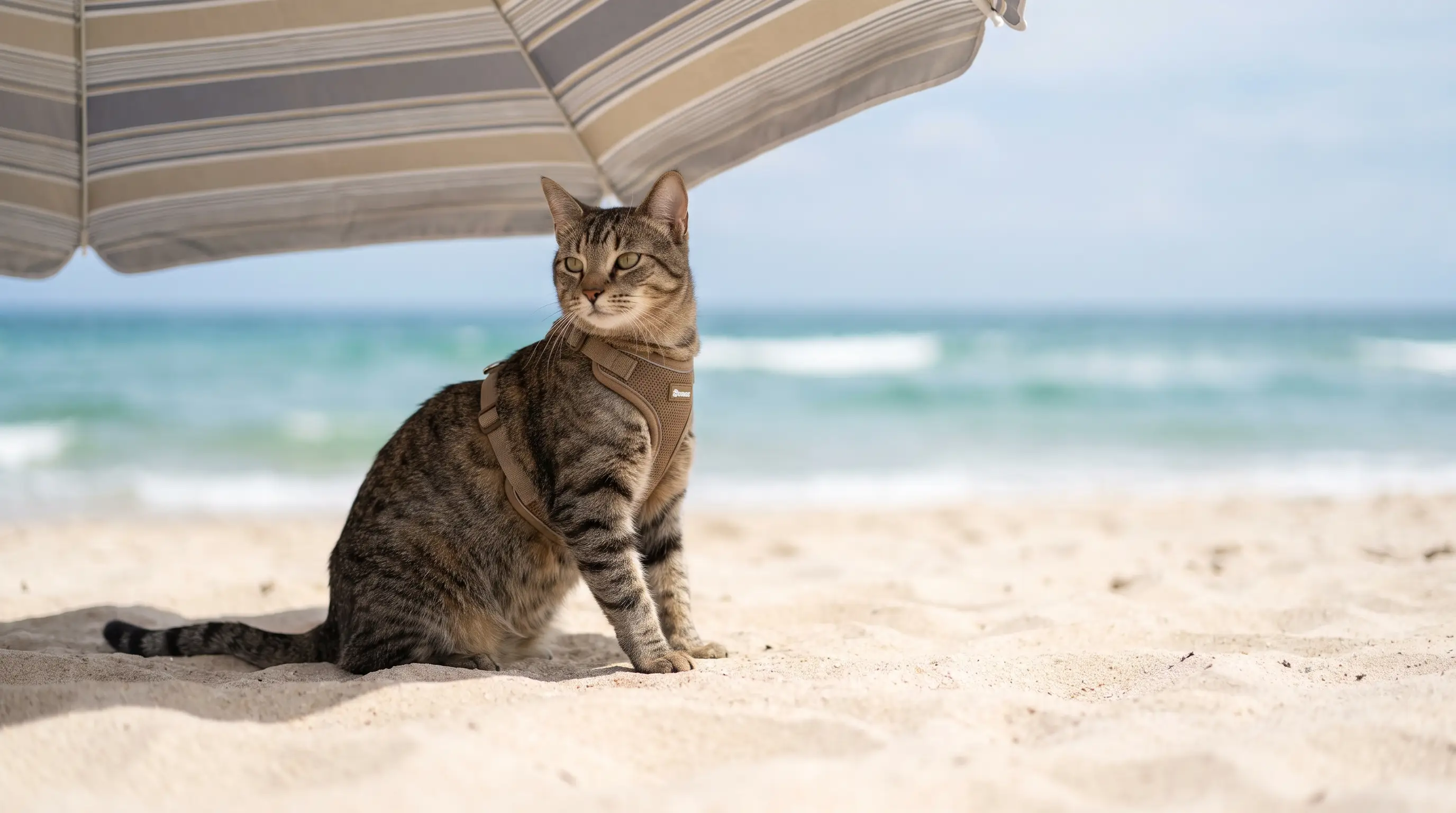
Can you take your cat to the beach? An honest guide
The honest answer, for most cats, is that they would rather stay home. A beach is hot, loud, crowded, full of off-leash dogs, and edged by water most cats can't swim — a stack of the exact things cats are wired to avoid. A few cats are built for it: confident, harness-trained, and often from a handful of breeds that don't mind water. This is the honest version — who can go, how to keep them safe, and how to give every other cat the good parts of a beach day without the beach.
Start by being honest about your cat
Cats settle when a place is familiar and predictable, which is the one thing a beach can never be. New smells, open space, breaking waves, loose dogs and strangers all arrive at once, and a lot of cats read that as a reason to panic. A frightened cat flattens itself, tries to bolt, or freezes and stops eating or exploring — none of which is a good day out. The test is simple, and you already know the answer: if your cat hates the carrier and yowls the whole car ride, the beach will not win them over. The cats that cope are the ones who already walk on a harness, travel calmly, and trot over to meet visitors instead of hiding. Even those cats need everything below to stay safe.
The cats that can actually handle it
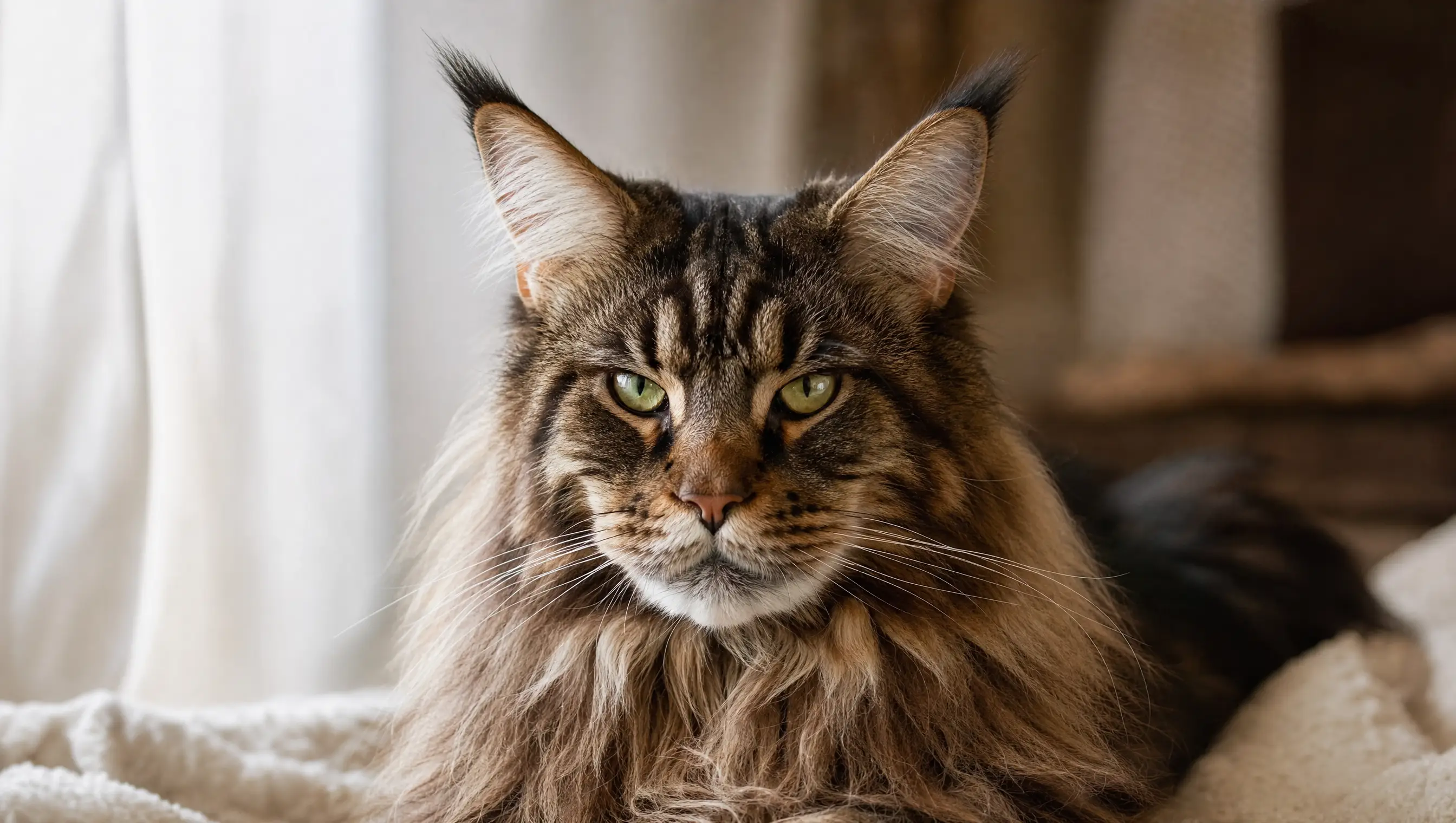
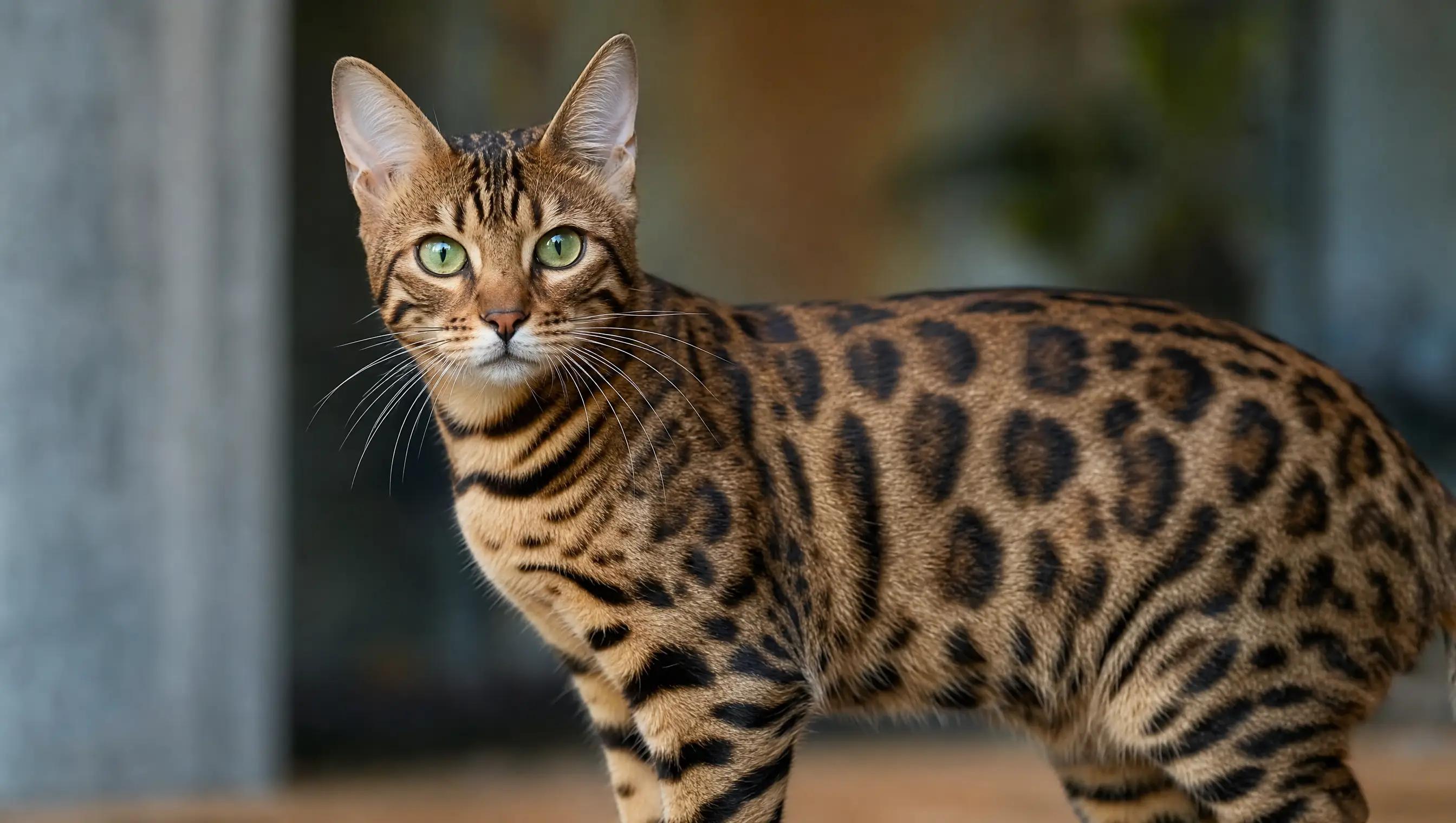
Temperament decides it, and breed only tilts the odds. A few cats are unusually relaxed about water and new places. The Turkish Van is nicknamed 'the swimming cat' for a reason. The Maine Coon carries a water-repellent double coat and often wades into shallow water without fuss. Nearly every Bengal has a thing for water, and the busy, fearless Abyssinian tends to investigate what worries other cats. None of that is a promise. A shy Bengal will still hate the sand, and a bold shelter cat with no pedigree at all might be the one dozing happily under the umbrella. Watch the cat in front of you, not the breed label.
Heat is the thing most likely to hurt them
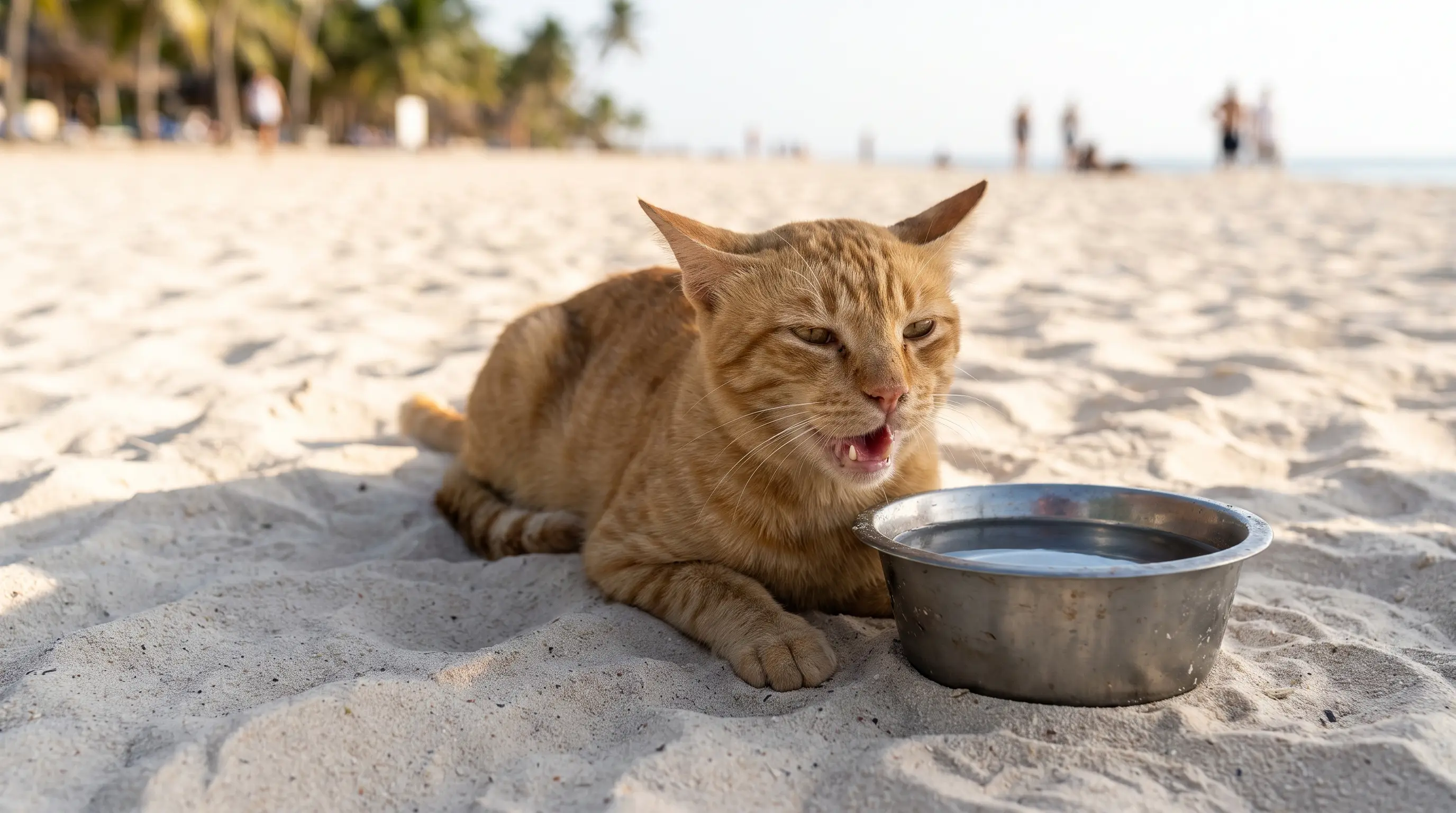
Heat is the most likely reason a beach trip ends at the vet. Cats are comfortable somewhere around 65 to 80°F; past 80 the risk climbs, and a cat can't cool itself the way you can. Heat exhaustion sets in when body temperature reaches roughly 103 to 104°F, and heatstroke at about 105°F and above — and it can go from mildly too-hot to an emergency in twenty to thirty minutes. Sand makes it worse: it holds heat and can scald paw pads that never meet hot pavement at home. Watch for heavy panting, drooling, bright pink or red gums, stumbling, or a cat that goes suddenly quiet and limp. If you see any of it, get into shade, cool the cat with damp towels and call a vet. Better never to get close: go early morning or late afternoon, bring shade and fresh water, and leave the moment your cat starts to pant.
White ears and bald skin burn, and it doesn't stop at sunburn
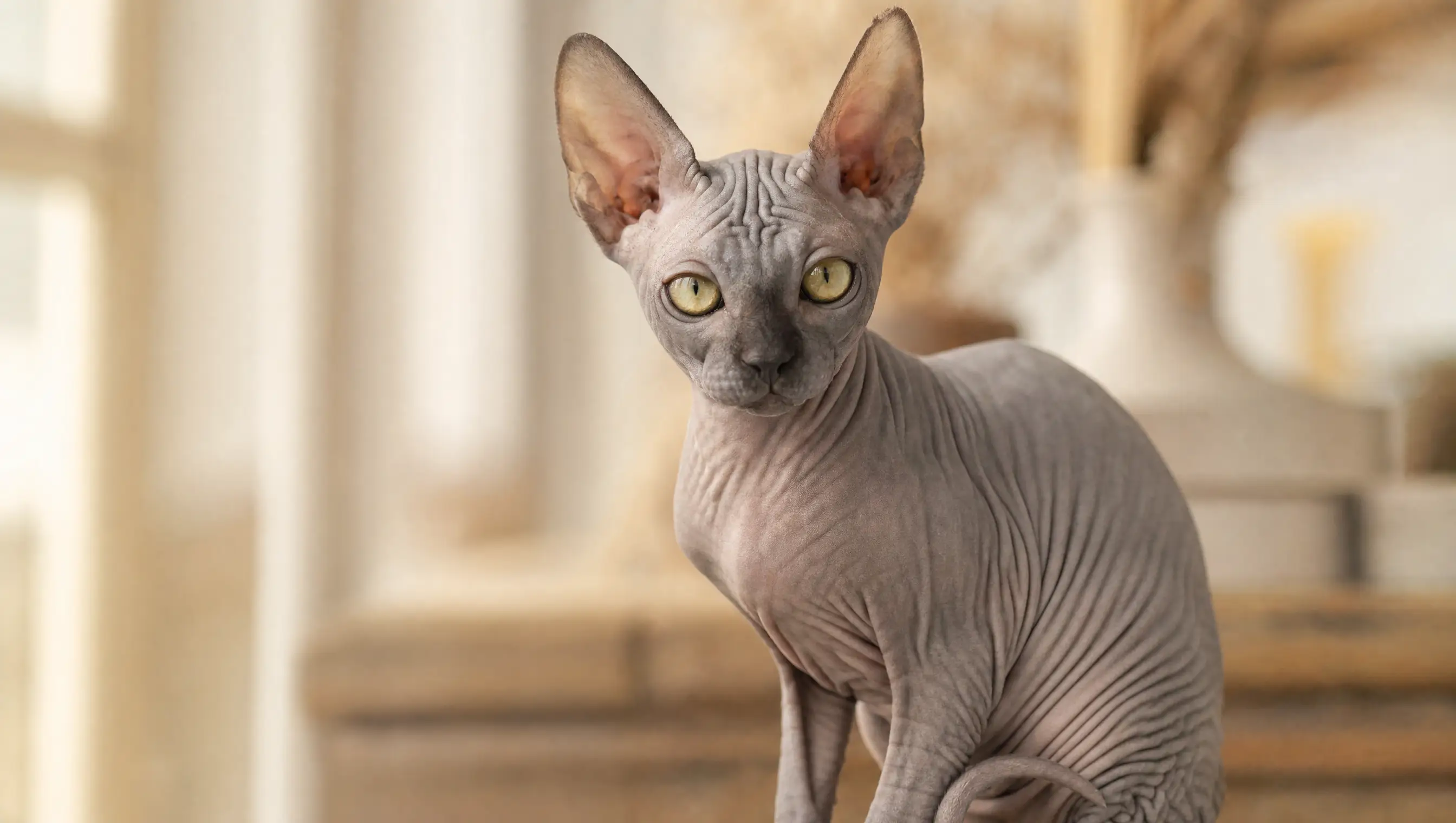
Sun does slower damage that owners tend to miss. Cats with white ears or a pink nose, and hairless breeds like the Sphynx, have little fur or pigment to block UV, and they burn. Repeated burning on the ear tips and nose is a known route to squamous cell carcinoma, a skin cancer that first shows up as crusty, red, sore patches that look like they simply won't heal. Shade does more good than sunscreen here. And if you reach for sunscreen, ordinary human sunscreen is a hazard: zinc oxide and salicylates are toxic to cats, and your cat will lick it straight off its fur. Use only a product labelled safe for cats, ask your vet first, and lean on shade and light UV-blocking clothing instead.
Saltwater and sand cause their own trouble
Saltwater and sand cause trouble at both ends. A cat that laps seawater — or grooms it out of wet fur — can end up vomiting, with diarrhoea and dehydration, and swallowed sand irritates the gut. Bring a bottle of fresh water and a bowl so your cat has something better to drink, and keep them away from tide pools and standing water. When you leave, rinse the coat with fresh water to get the salt and sand off before it gets groomed back in, and check between the toes and inside the ears, where sand collects. Sharp shells, fish hooks and washed-up jellyfish are worth steering around too.
Harness, leash and ID, and check if it's even legal
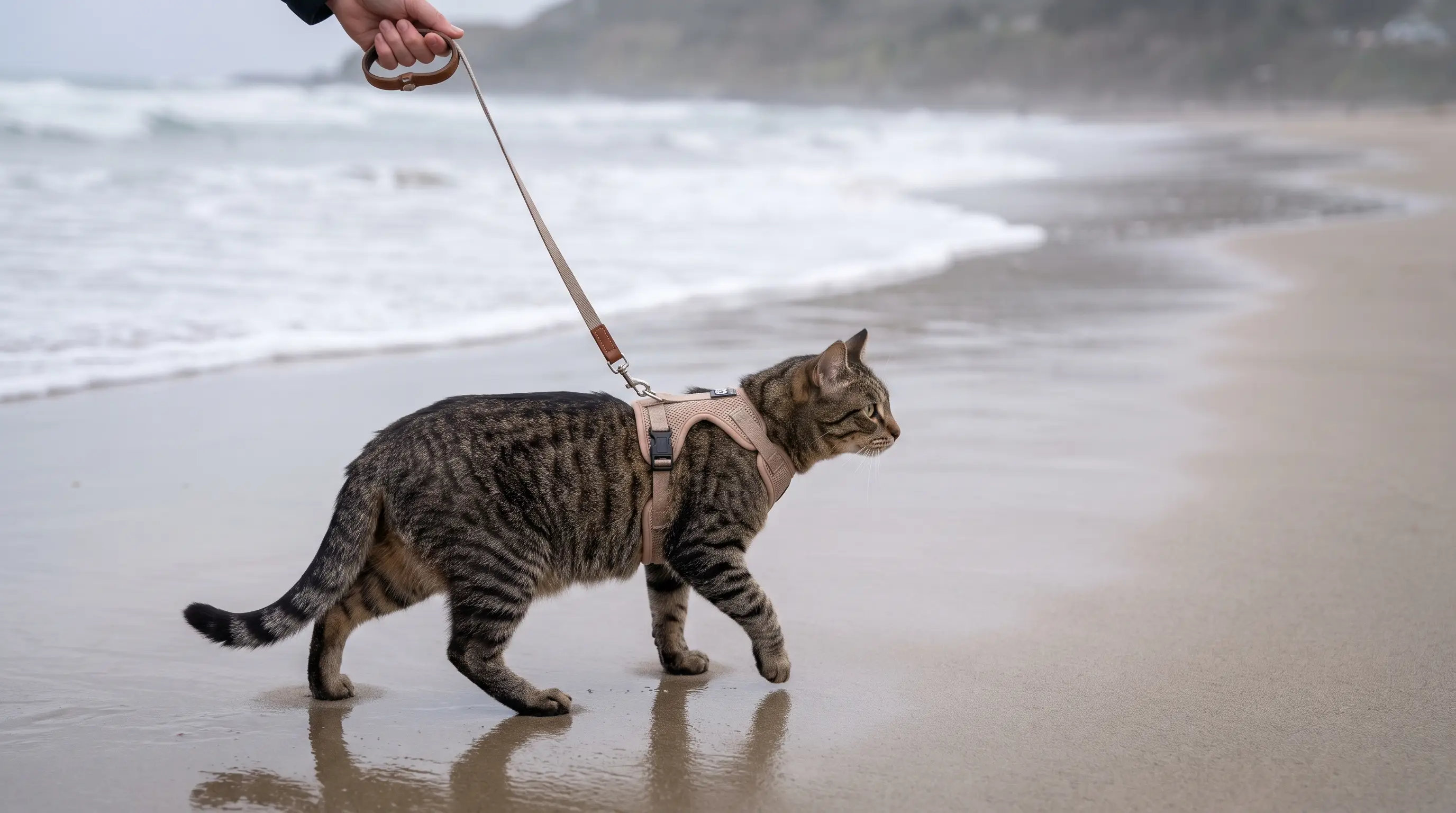
A spooked cat outdoors runs, and a lost cat on an unfamiliar beach is hard to get back. Keep your cat on a well-fitted harness — the kind that clips on the back, snug enough to slide two fingers under and no looser — and never tie the leash off and step away, not even for a second. A microchip and ID tag matter more here than almost anywhere. Before you load the car, check that the beach allows cats at all: most public beaches ban pets outright, and the ones marked pet-friendly are usually off-leash dog beaches, which is close to the worst place you can put a nervous cat. A carrier or a cat stroller gives your cat a safe base to duck into when the day gets to be too much.
The beach most cats actually want
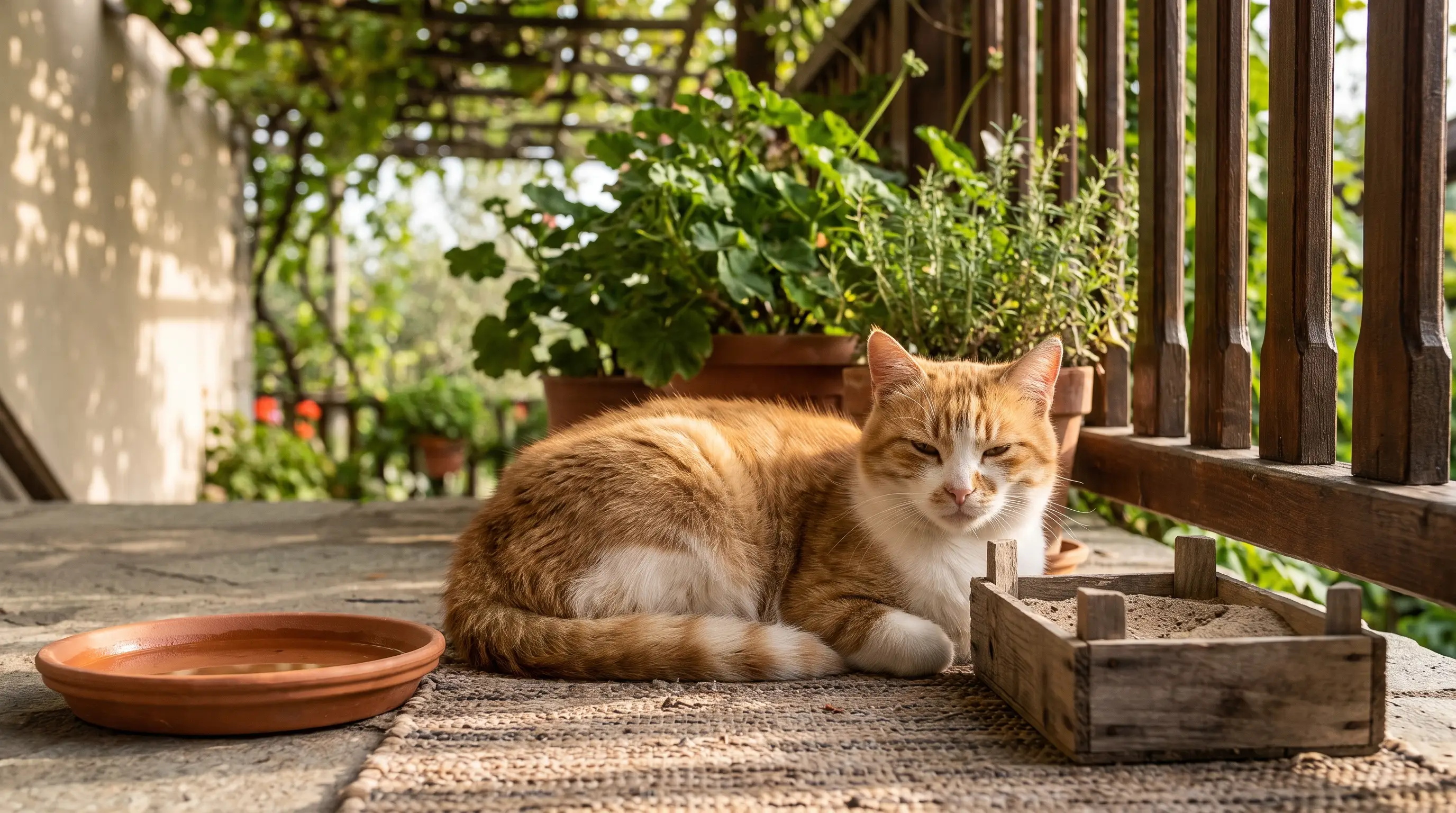
Here is the part most owners overlook: the bits of a beach your cat actually enjoys are easy to bring home, with none of the risk. What pulls a cat in is the warmth, the moving air and the new smells, not the surf. A shaded balcony or an open window screen gives them the sun and the scents on their own terms. A shallow tray of water to dab a paw in, a box of clean sand or soil to dig, and a cool mat cover the rest. Most cats will take that over a real beach every time — and you won't spend the afternoon watching for heatstroke.
Common questions
Do cats like the beach?
Most cats don't. They feel safest in familiar, quiet places, and a beach is loud, hot, crowded and full of dogs — the kind of setting that makes a typical cat anxious rather than curious. A confident, harness-trained cat can be the exception, but for most cats a beach day is stressful, not fun.
How hot is too hot for a cat at the beach?
Cats are comfortable up to about 80°F; above that the risk of overheating climbs. Heatstroke sets in around a body temperature of 105°F and can escalate within twenty to thirty minutes, and hot sand can burn paw pads. If you go at all, go early or late in the day, bring shade and fresh water, and leave as soon as your cat starts panting.
Can I put sunscreen on my cat?
Only a sunscreen made and labelled for cats, and ideally after checking with your vet. Ordinary human sunscreen is dangerous, because zinc oxide and salicylates are toxic to cats and they lick it off their fur. For white-eared or hairless cats, shade and UV-blocking clothing are safer than any cream.
Which cats are best suited to the beach?
Confident, curious cats that already walk on a harness and travel calmly. Some breeds tilt the odds — the Turkish Van, Maine Coon, Bengal and Abyssinian are all unusually comfortable with water — but temperament matters far more than breed. A nervous purebred will still hate it.
Are cats allowed on public beaches?
Often not. Many public beaches ban pets, and the ones that allow them are usually set up for off-leash dogs rather than cats. Always check the specific beach's rules before you go, and assume the answer is no until you have confirmed otherwise.