Adopting a bonded pair of cats
A bonded pair of cats is often easier to live with than a single cat, not harder. Two cats who are already attached keep each other company, play each other tired, and settle into a new home faster because they arrive with a friend. The extra cost is real, mostly a second litter box and more food, but the extra work is small. If you have the space and the budget, adopting two is frequently the calmer, kinder choice.
What a bonded pair is
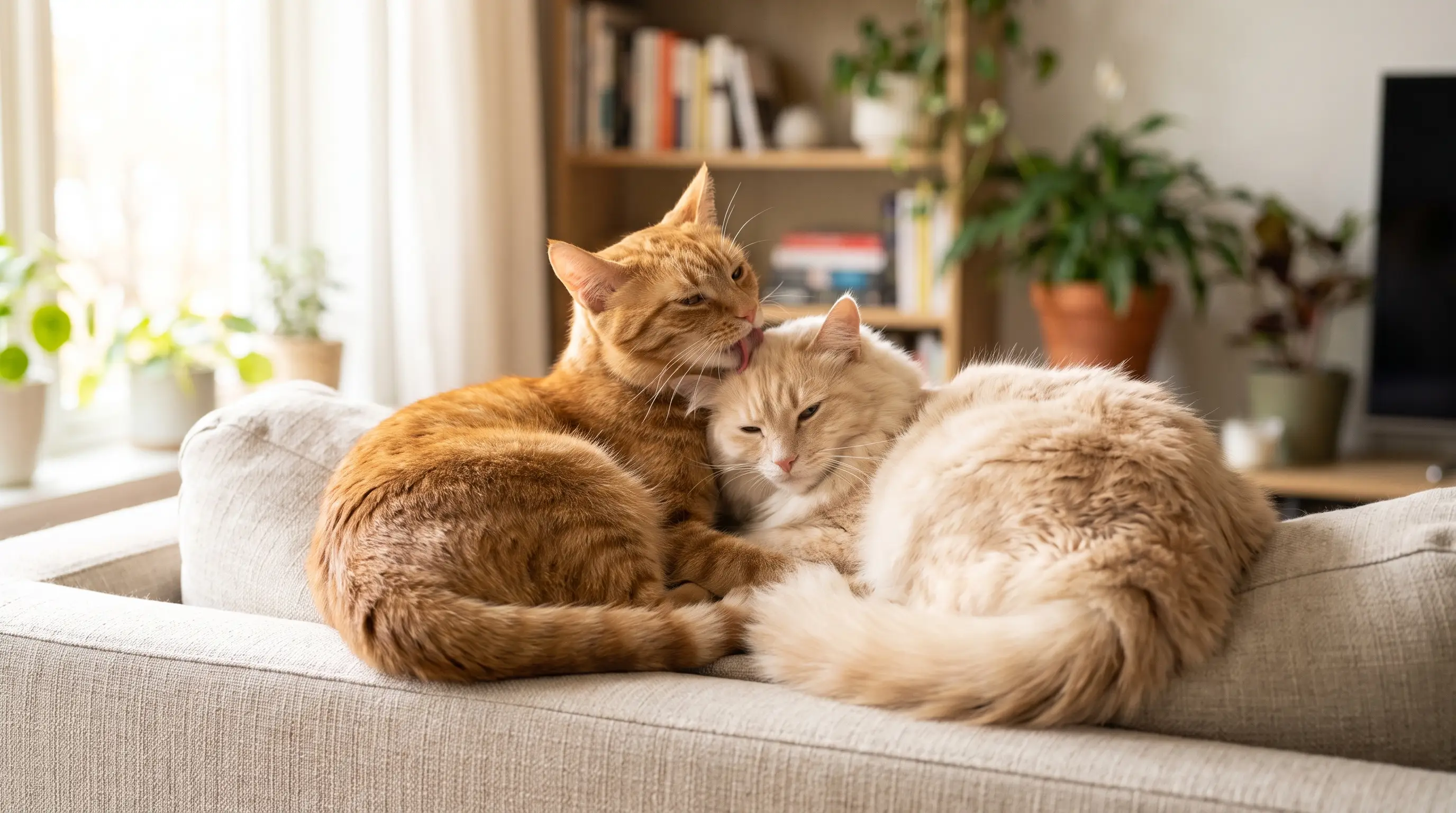
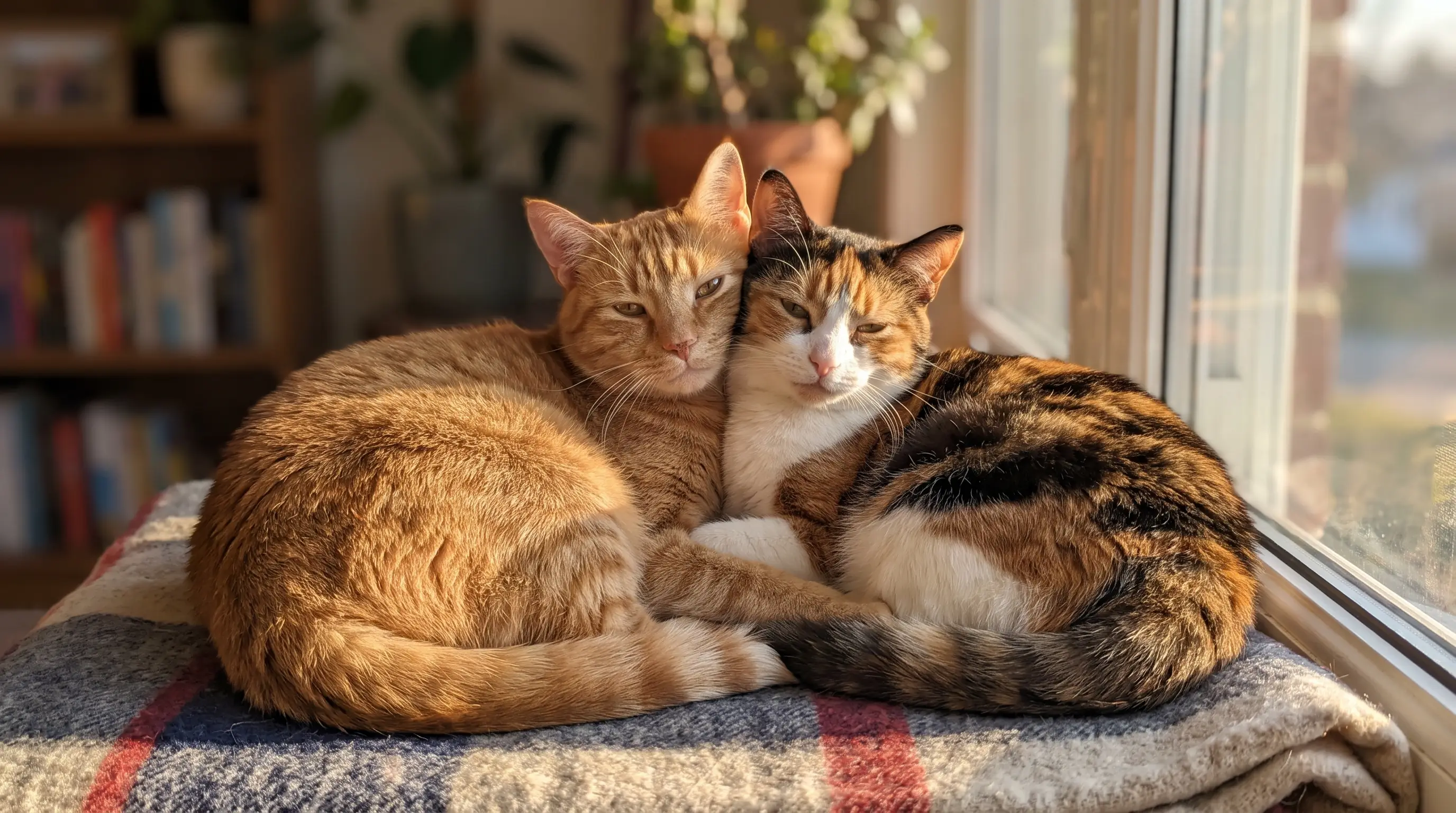
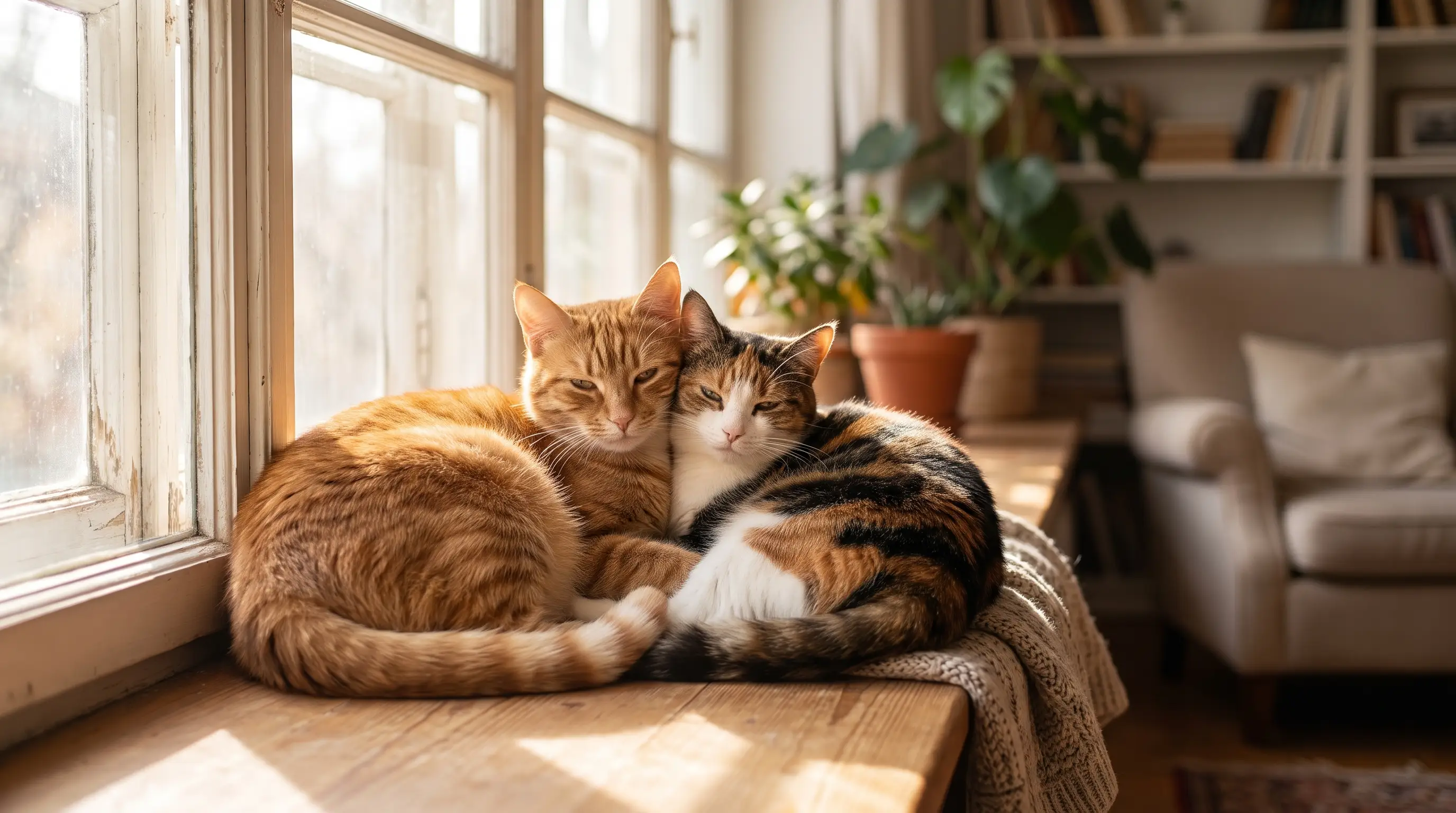
A bonded pair is two cats who have already lived together and are genuinely attached, so shelters adopt them out as a set and won't split them up. Usually they are littermates, or two cats who were housed together long enough to form a real bond. You can spot it in how they behave: they groom each other, sleep curled in a pile, eat side by side, and get anxious when they are apart. That attachment is the whole point, and it is why the shelter treats them as one adoption rather than two.
This is different from simply owning two cats. Any two cats under one roof might tolerate each other or quietly divide the house between them. A bonded pair actively seeks each other out. When a shelter labels two cats as bonded, staff have watched them together and decided the relationship matters enough to protect. So a listing that says "must be adopted together" is not an upsell; it is a description of two animals who already function as a unit. The ages vary widely, from young littermates who grew up in the same litter to a pair of seniors who have spent most of their lives together, and the bond can be just as strong at either end.
Why two is often easier than one
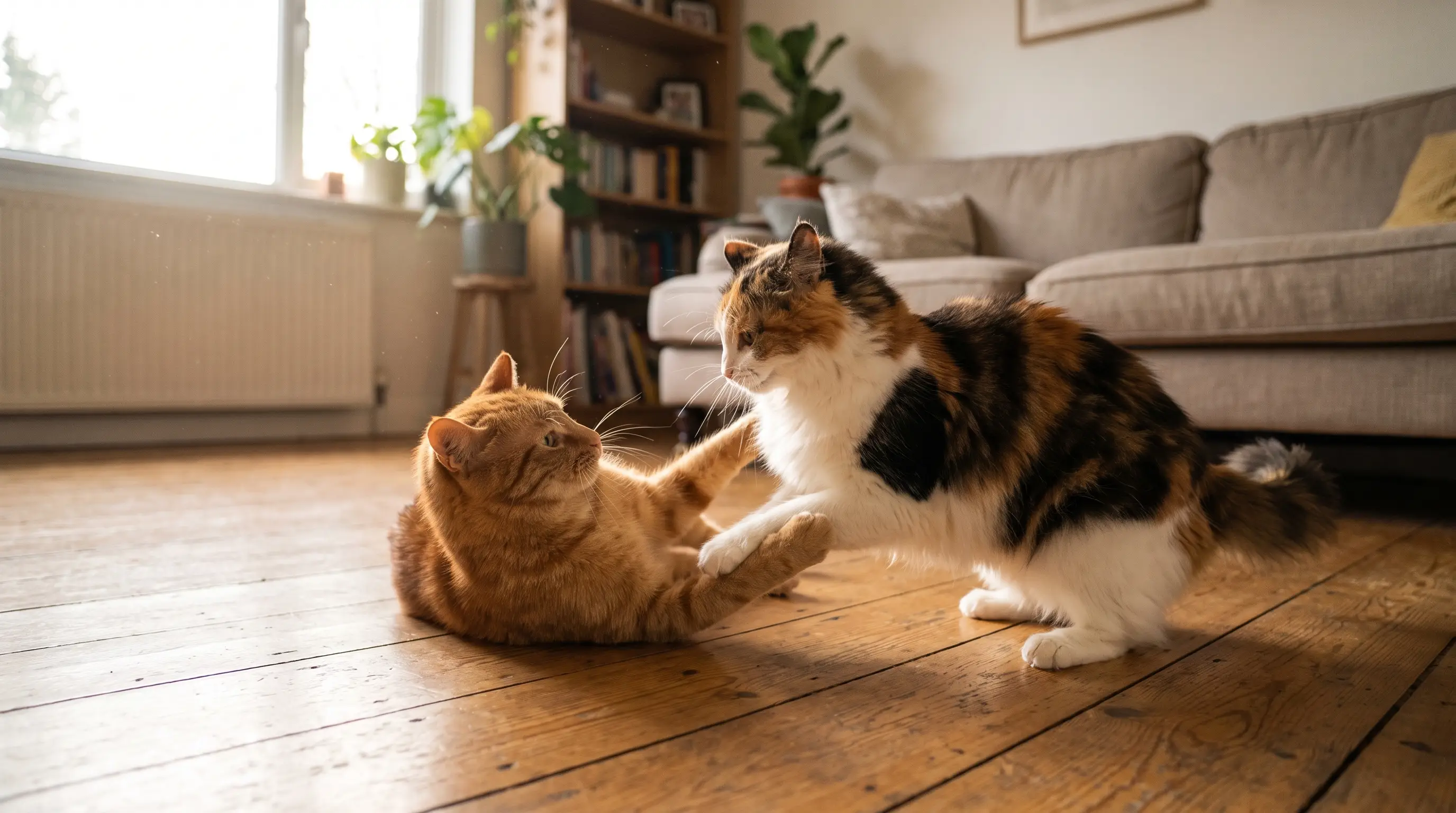
Two cats are often easier than one because they entertain each other, which takes the pressure off you. A pair wrestles, chases and naps together, so the energy that a lone cat would aim at your ankles at six in the morning gets spent on a playmate instead. They keep each other moving too, which helps with the boredom and weight gain a single indoor cat can drift into. You are no longer the only source of activity in the house.
Company is the bigger gift. Cats are more social than their reputation suggests, and one left alone all day can get bored, lonely and clingy, or start acting out. A pair fills those long hours for each other while you are at work. They also settle into a new home faster, because arriving with a familiar friend softens the fear of a strange place, and one cat's calm rubs off on the other. It is the same reason many rescues steer you toward two kittens rather than one, which we get into in kitten or adult cat.
The extra cost, not extra work
A second cat adds cost more than it adds work. You will buy more food, a second litter box (the rule of thumb is one box per cat plus a spare), and you will want a bit more floor space so each cat can step away when it wants to. Vet bills roughly double at the headline level, since two cats means two sets of vaccinations, two checkups, and any treatment that comes up for either of them.
The daily effort, though, barely changes. Feeding two bowls takes the same few minutes as feeding one. Scooping a second box adds a moment, not a chore. And because the cats occupy each other, you actually spend less time being the entertainment yourself. Grooming, play and cuddles all fold into the same routine you would run for a single cat. Two cats are rarely double the effort; they are closer to one and a bit, with a built-in friend for both of you and for them.
Why shelters won't separate them
Shelters will not split a bonded pair because separating them can cause real distress. A cat that loses its lifelong companion may stop eating, hide, over-groom, call for the missing cat, or slip into a low, withdrawn state. Grief in cats is quiet and easy to miss, but staff who have seen it happen would rather keep the pair intact than risk it across two homes. The bond can go back years, and a cat has no way to understand why its companion has suddenly vanished from the house.
Keeping them together protects both cats and makes the adoption more likely to stick. A pair that stays bonded settles faster and leans on each other through the upheaval of moving, so the new owner gets two cats who are already calm rather than two who are pining. It is also simply kinder. These two have often been through a shelter, maybe a surrender or a loss, together, and breaking that up to place them faster trades their wellbeing for convenience. Good rescues will not make that trade, and the adopt-together rule is how they hold the line.
Is a pair right for you?
A pair is right for you if you have the room and the budget for two cats, and in that case it is often the kinder, calmer choice. Space matters more than square footage on paper: two cats need enough room to share without being on top of each other, plus separate resting spots, bowls and litter boxes so neither feels crowded. Budget matters just as much, since you are feeding, insuring and treating two animals for the life of the pair.
If you can cover both, two is frequently the easier path, especially with young cats. A single kitten raised alone can turn wound-up and over-bitey, a pattern shelters call single kitten syndrome, whereas a pair burns that energy on each other. Settling two in at once follows the same gentle, room-by-room start as one, which we walk through in bringing a kitten home. If you are still choosing who to bring home, you can browse temperaments over on our cat breeds. For the right household, a bonded pair means two settled companions who look after each other and never come home to an empty room.
Common questions
Is it better to adopt two cats?
Often, yes, if you have the space and budget. Two cats keep each other company and exercised, which eases the boredom and loneliness a single cat can feel alone all day, and they usually settle faster together. The extra cost is real, but two cats are rarely double the work.
Why do shelters adopt cats in pairs?
Shelters adopt some cats in pairs because those cats are bonded and would be distressed if separated. Keeping an attached pair together protects both from the grief and withdrawal that splitting them can cause, and pairs tend to settle into a new home more easily than a lone cat.
What is a bonded pair of cats?
A bonded pair is two cats who have lived together and formed a genuine attachment, so a shelter adopts them out together and won't separate them. You can usually tell by their behaviour: they groom each other, sleep curled up together, and get anxious when they are apart.
Are two cats easier than one?
In many homes, yes. Two cats entertain and exercise each other, so they are less bored, less lonely and less likely to take that energy out on you. They cost more in food, litter and vet care, but the day-to-day work is only a little more than one cat.
Do bonded cats have to stay together?
Bonded cats should stay together, which is why shelters won't split them. Separating a bonded pair can cause real stress and grief, with a cat that loses its companion sometimes going off its food or becoming withdrawn. Keeping them together protects the wellbeing of both.
Should I adopt two cats at the same time?
If you have the room and budget, adopting two at once is often easier than one, especially with kittens. A pair keeps each other company and burns off energy together, which helps avoid the wound-up behaviour a single kitten can develop. Just make sure you can cover the extra food, litter box and vet costs for both.
See also
More in Cats
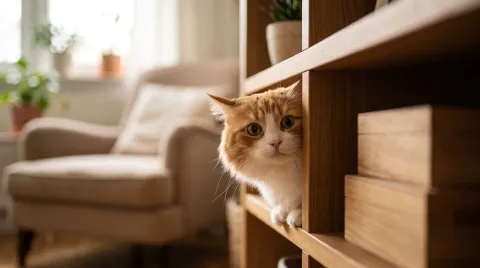
Helping a shy rescue cat settle in
A shy rescue cat hiding for days is normal, not rejection. One quiet room, a hiding spot and patience settle almost any scared cat. Here is how.

Adopting a senior dog or cat
What to expect when you adopt an older dog or cat: the calm, the fast bond, the vet planning, and the honest trade-off of less time.

How to adopt a dog or cat from a shelter
A calm, step-by-step guide to adopting a dog or cat from a shelter or rescue, from where to search to the screening, the fee and the first days home.
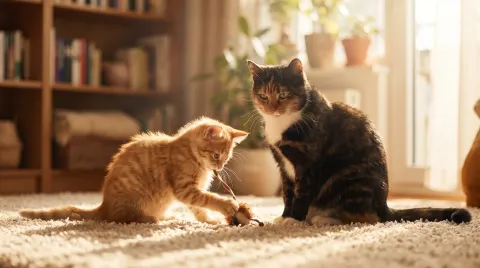
Kitten or adult cat? How to choose
A kitten is a lot of fun and a lot of work; an adult cat slots into a busy life. Here's how to pick the age that fits yours.
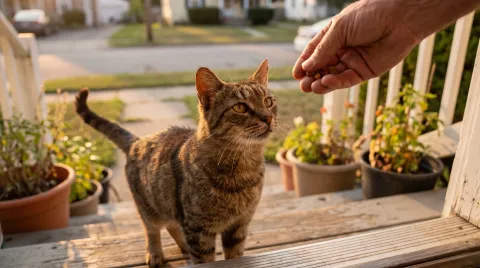
You found a stray cat: what to actually do
A friendly cat on your doorstep may already have a home. Here is the honest, welfare-first order of steps before you take it in.
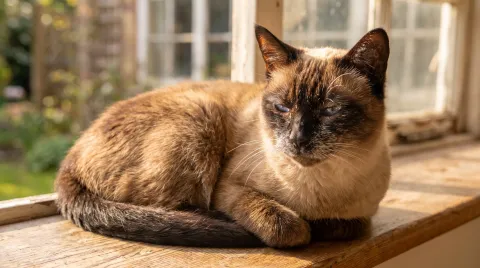
The longest-lived cat breeds, and what actually adds years
Siamese and Russian Blues regularly see their late teens; some cats double a dog's run. The breeds with the long odds — and the honest truth that how a cat lives beats what it was born as.