The longest-lived cat breeds, and what actually adds years
Cats are quietly long-lived animals: 12 to 15 years is ordinary, late teens are common, and the odd cat makes it past twenty with its opinions intact. Breed moves those odds — a handful of breeds reliably cluster at the top of the lifespan tables — but it moves them less than owners hope and less than how the cat lives. Here are the breeds with the long odds, the numbers behind them, and the levers that matter more than pedigree.
Read lifespan claims with one eyebrow up
Every lifespan figure for a breed is an estimate built on patchy data — insurance records, vet databases, breed-club surveys — and the ranges are wide because individual cats are wide. Two things swamp breed in every dataset. Indoor cats outlive roaming cats by years, because traffic, fights, poisons and infectious disease don't care about pedigree. And non-pedigree cats — the world's moggies — hold their own near the top of most longevity tables, with mixed ancestry doing quietly protective work.
So the honest frame for this page: the breeds below genuinely cluster long in the data, and choosing one tilts the odds. It does not buy a number. A lean, indoor, vaccinated moggy will outlive an overweight outdoor cat of any breed on this list, and it won't be close.
The Siamese family: the dynasty of old cats
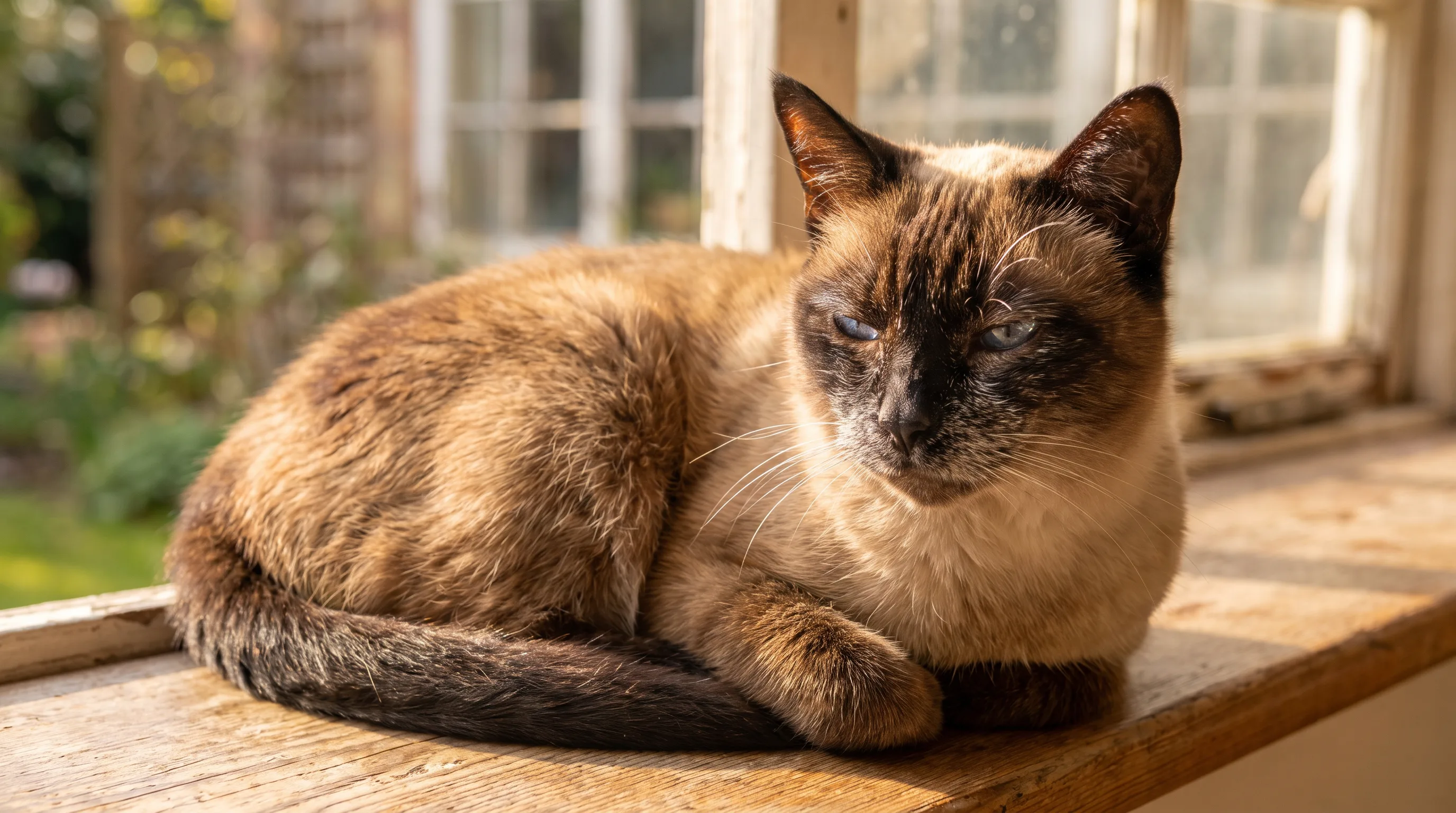
If one bloodline owns feline old age, it's the Siamese and its relatives. The Siamese itself carries a typical range of 12 to 20 years, with individuals past twenty turning up often enough that no vet is surprised; the Oriental Shorthair and the Balinese — the same cat in other coats — ride the same curve.
The package deal is that these are loud, busy, people-dependent cats for all of those years. A twenty-year-old Siamese is twenty years of commentary. For the right household that's the whole appeal; for a quiet one it's two decades of the wrong cat. Temperament first, lifespan second — always.
Russian Blue and Burmese: the quiet marathoners
The Russian Blue pairs one of the longest typical ranges in the cat fancy — 15 to 20 years — with an unusually clean health sheet: no signature inherited disease, no DNA test a buyer needs to chase. A gentle, routine-loving cat that simply keeps going is close to the breed's whole identity.
The Burmese runs 14 to 18 years and often further, staying kitten-ish for a startling share of it. Its honest footnotes: diabetes appears more in Burmese than in most breeds — one more reason the lean-cat rule below matters — and some lines carry hypokalaemia, which a DNA test rules out. Ask the breeder for both answers.
The sturdy middle: 12 to 17 and reliable about it
A band of robust breeds runs just behind the leaders. The British Shorthair and the Ragdoll both carry 12-to-17-year ranges; the Ocicat stretches to 18 in the data; the Birman and the Norwegian Forest Cat sit solidly in the 12-to-16 band.
The common thread in this group is moderation: medium-to-large, calm, no extreme body feature doing quiet damage. That's not a coincidence. Breeds built around an extreme — the flattest faces, the most compressed frames — tend to pay for it somewhere in the actuarial tables, which is an argument for moderate type that has nothing to do with taste.
What actually adds years
The levers, in rough order of power. Keep the cat lean: obesity drags diabetes, arthritis and a shorter life behind it, and it's the lever most owners are actively pushing the wrong way. Keep the cat indoors or in a secured outdoor space — the single biggest environmental factor in the data. Neuter: neutered cats consistently outlive intact ones. Take teeth seriously, because untreated dental disease taxes a cat for years and seniors eat badly on a sore mouth. And keep the annual check-up even when nothing seems wrong — cats hide everything, and the diseases of age reward being caught early.
From eleven on, the game changes from fixing problems to catching them early; senior cat care and feeding a senior cat cover that next decade — and with the breeds on this page, it genuinely is a decade.
Common questions
Which cat breed lives the longest?
The Siamese family (Siamese, Oriental Shorthair, Balinese) and the Russian Blue top most tables, with typical ranges reaching 20 years. The Burmese follows at 14 to 18. Individual variation is huge, and non-pedigree cats hold their own near the top of longevity data.
How long do indoor cats live compared to outdoor cats?
Indoor cats live years longer on average — commonly 12 to 18 against wide, lower ranges for free-roaming cats — because traffic, fights, poisons and infectious disease fall away. Indoor-or-secured is the single strongest lifespan lever an owner controls.
Do mixed-breed cats live longer than pedigree cats?
Moggies sit near the top of most longevity tables, benefiting from broad genetics, and they outlive many pedigree breeds on average. The long-lived pedigrees on this page keep pace with them; breeds built around physical extremes generally don't.
How old is the oldest cat ever?
The verified record is Creme Puff of Texas, who lived 38 years (1967–2005). Nothing on this page promises that, but cats past twenty are no longer rare in veterinary practice, especially lean, indoor, regularly checked ones.
When is a cat considered a senior?
Veterinary convention says senior from about 11, with 'geriatric' from 15. From 11 the job shifts to catching problems early: twice-yearly weight checks, bloodwork when the vet advises it, and attention to teeth, thirst and appetite.
What shortens a cat's life most?
Obesity, an unsecured outdoor life, skipped veterinary care and untreated dental disease, in that practical order. All four are in the owner's hands, which is why how a cat lives reliably beats what breed it was born as.
See also
More in Cats
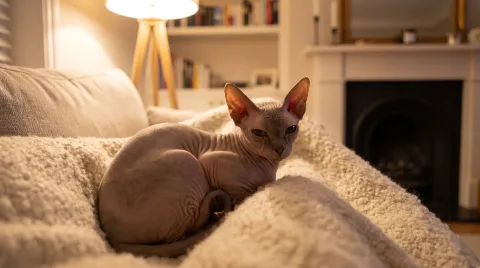
Hairless cat breeds: the four to know, and what no fur really costs
Sphynx, Peterbald, Donskoy — and the half-bald Lykoi. Where each gene came from, why hairless means more care rather than less, and the allergy promise none of them can keep.
Single kitten syndrome: real, overstated, or both?
Rescues warn that a lone kitten becomes a biting, yowling tyrant, and some won't rehome singles at all. The evidence is thinner than the warnings — but the thing underneath the branding is real. An honest sort-out.
How to introduce a new cat to your resident cat
The scent-swap protocol that actually works, step by step — with realistic timelines and the signs that mean you moved too fast.
The new-cat checklist: what to set up first
The five essentials, one safe room and a cat-proofed home to set up before adoption day, so your new cat has somewhere calm to land from hour one.
Helping a shy rescue cat settle in
A shy rescue cat hiding for days is normal, not rejection. One quiet room, a hiding spot and patience settle almost any scared cat. Here is how.

Adopting a senior dog or cat
What to expect when you adopt an older dog or cat: the calm, the fast bond, the vet planning, and the honest trade-off of less time.