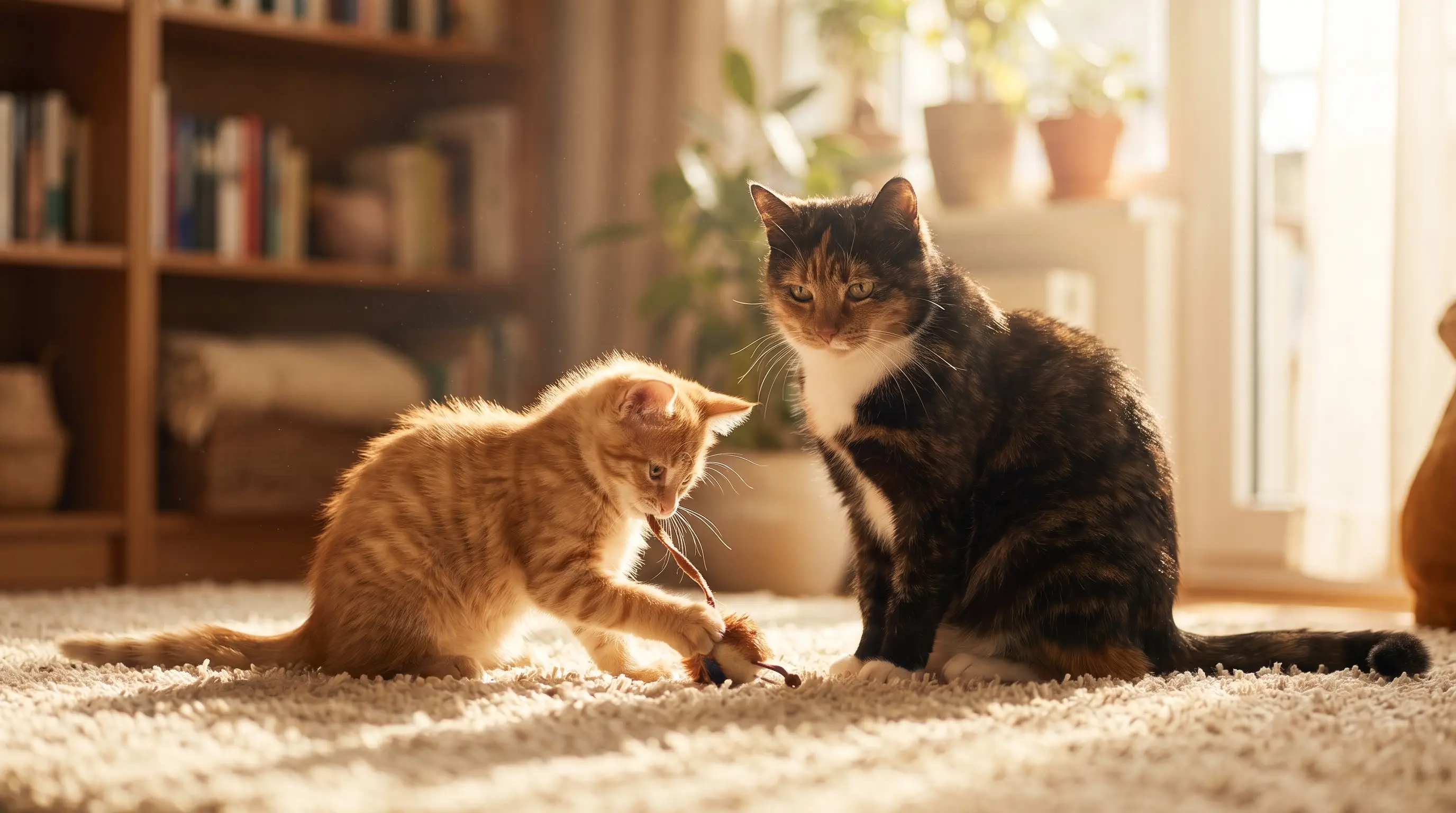
Kitten or adult cat? How to choose
A kitten is adorable and a lot of work, and an adult cat is a known quantity that slots easily into a busy life. Neither one is better than the other. The right choice comes down to how much time you have, who is home during the day, and whether you want to shape a personality from scratch or take home one that is already formed. Both make wonderful companions, so the honest question is which age fits the life you actually live.
Kittens: the joys and the work
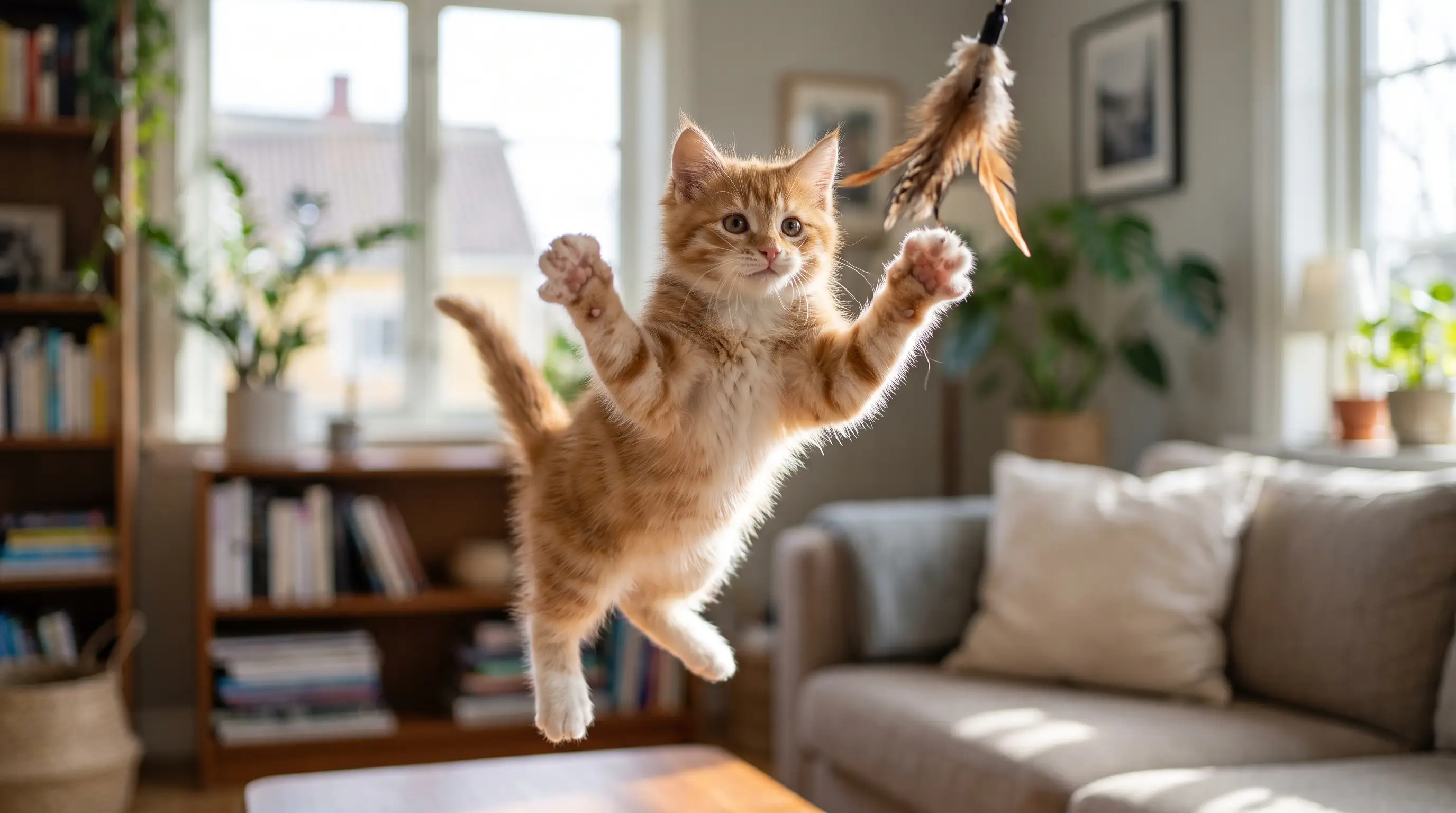
Raising a kitten means you get to shape who the cat becomes. You handle its paws so vet visits and nail trims stay easy later, you introduce it to the vacuum and the doorbell and visitors, and you build the bond from the very first week. The playfulness is the obvious draw. A kitten will chase a bottle cap across the kitchen, fall asleep mid-pounce and wake up ready to do it again, and most people find that hard to resist.
The work is real, and it is easy to underestimate. A young kitten needs near-constant supervision, because anything it can swallow, climb or knock over, it will. You will kitten-proof the way you would baby-proof: tuck away cords, move breakables, block the gaps behind appliances. The first year also brings the most vet care of any stage, with a course of vaccinations, deworming, and spay or neuter surgery to budget for. Kittens are also genuinely tiring. They wake at odd hours, they bite while they learn where the line is, and they need short bursts of play throughout the day to burn off energy. If you want to be there for all of that, a kitten rewards the effort. If you are stretched thin already, it is worth being honest about the hours it takes. We walk through the first days in bringing a kitten home.
Adult cats: the underrated choice
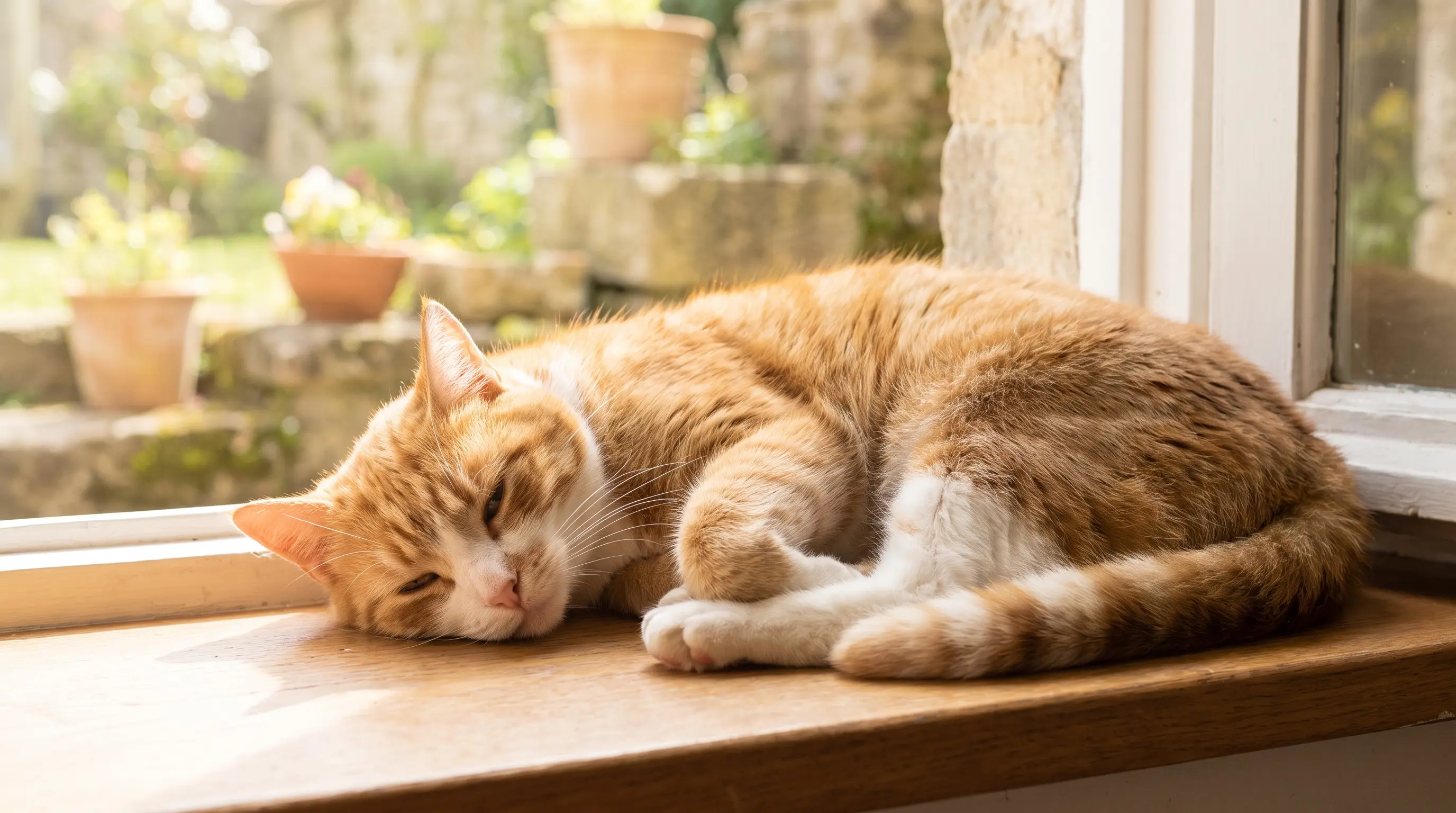
With an adult cat, the guesswork is mostly gone. You can see the full-grown size, the coat, and the temperament in front of you, so the lap cat who wants company and the independent cat who checks in twice a day are easy to tell apart before you commit. Shelter staff and fosters have usually lived with the cat long enough to tell you whether it is good with children, tolerates other pets, or prefers to be the only animal in the house. That is information a kitten simply cannot give you yet.
Adult cats tend to arrive already litter-trained, and most are calmer and more independent than a kitten, so they settle into a routine with far less supervision. You can leave for a work day and come home to a cat that slept, used the box, and is pleased to see you rather than one that has unspooled a roll of toilet paper. They are also the animals most often overlooked at shelters, passed over by adopters who head straight for the kittens, which means an adult may have waited a long time for a home. For anyone who wants a settled companion without the raising, an adult cat is often the easier and kinder pick. You can browse temperaments by breed over on our cat breeds.
Time, energy and who's at home
Match the cat to your days, not to the cuteness. Busy and working homes usually do better with an adult, because an adult can handle a quiet house during the day, whereas a kitten needs check-ins, play and a watchful eye that a full workday does not allow. First-time owners often find an adult more forgiving too, since a settled cat comes with fewer surprises and less to get wrong in the early weeks.
Age at the other end of the household matters as well. Homes with young children usually suit a calm adult, because a small kitten is fragile and a fast-moving toddler and a fast-moving kitten are a stressful combination for both. Older adopters, or anyone who wants a gentle housemate rather than a whirlwind, tend to be happiest with a grown cat whose energy is a known quantity. The case for a kitten is simple and worth taking seriously: adopt one if you have the time, the patience and the genuine wish to raise a cat from the start. If you do, it is one of the most rewarding things about cat ownership. If you do not, an adult will thank you for it.
Two kittens are often easier than one
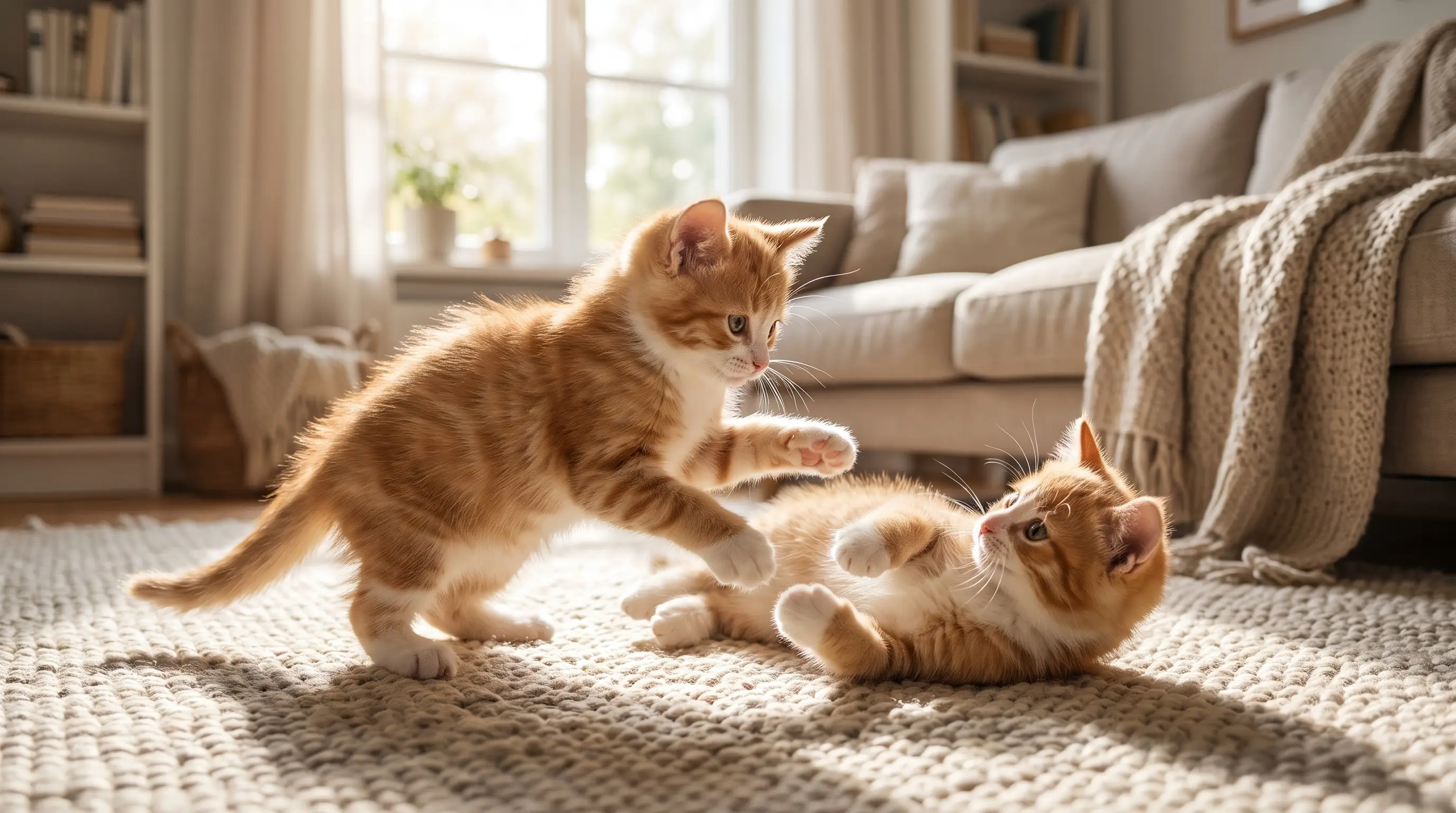
This surprises people, but two kittens are frequently less work than one. A bonded pair wears each other out. They wrestle, chase and nap in a pile, which means the biting, pouncing energy that would otherwise land on your hands and ankles gets spent on a playmate instead. You get to enjoy the kitten stage without being the only outlet for it.
A single kitten raised alone, with no other cat to learn from, can become over-bitey and wound-up, a pattern shelters often call single kitten syndrome. Littermates teach each other bite inhibition and how hard is too hard during play, lessons a solo kitten misses. This is why many shelters and rescues home kittens in pairs and will ask you to take two, or to already have a young cat at home. If you have your heart set on a kitten, seriously consider adopting a pair; it is often the calmer household in the end. Getting the litter box habits right early helps too, and we cover that in kitten litter training.
Don't overlook a senior cat
Senior cats are one of the most rewarding and least chosen options in the shelter. They are typically affectionate, low-energy and already set in their gentle ways, which makes them a lovely fit for a quiet home or a first-time owner who wants companionship without the chaos. Many shelters offer them at a reduced fee, and some waive it entirely, because they know older cats wait longest for a home.
The honest trade-off is health. An older cat is more likely to need dental work, kidney monitoring, or medication for an ongoing condition, so plan for more vet visits and a bigger care budget than you would for a young adult. In return you get a cat who knows exactly who it is, asks for little beyond a warm lap and a sunny spot, and gives a great deal of affection back. If a calm older companion appeals to you, read up on what that care looks like in senior cat care before you decide.
Common questions
Is it better to adopt a kitten or an adult cat?
Neither is better; it depends on your life. Choose a kitten if you have the time and patience to supervise, kitten-proof and raise one from scratch. Choose an adult if you want a known personality and size, less supervision and an easier fit around a busy schedule. Both bond deeply with the right owner.
Are adult cats already litter trained?
Most adult cats arrive already litter-trained, since they learned as kittens and have used a box for years. Give a new adult a clean, quiet, easy-to-reach box and it usually settles in within a day or two. Accidents in a new home are more often about stress or a medical issue than a lack of training.
Do adult cats bond with new owners?
Yes. Adult cats form strong attachments to new owners; they are not too old or too set to bond. It can take a few weeks of patience and quiet routine rather than the instant clinginess of a kitten, but many adopted adults become devoted companions once they feel safe.
Should I adopt one kitten or two?
Two is often easier if you want a kitten. A bonded pair entertains and tires each other out, which spares your hands and ankles and helps prevent the over-bitey behaviour a lone kitten can develop. Many shelters home kittens in pairs for this reason. A single kitten is fine if you already have another young cat or plenty of time to play.
Is a kitten or an adult cat better with children?
A calm adult cat is usually the safer choice with young children. Kittens are fragile and easily hurt by rough handling, and a fast toddler with a fast kitten stresses both. An adult with a known, gentle temperament, ideally one a shelter has seen around kids, tends to be the steadier fit for a family with little ones.
What is single kitten syndrome?
Single kitten syndrome is the wound-up, over-bitey behaviour a kitten can develop when raised alone with no other cat to learn from. Littermates teach each other bite inhibition and how rough is too rough during play. A solo kitten misses those lessons, which is why many shelters place kittens in pairs.
See also
More in Cats
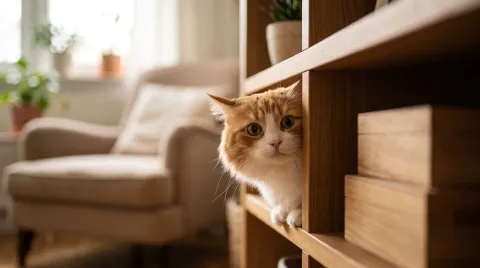
Helping a shy rescue cat settle in
A shy rescue cat hiding for days is normal, not rejection. One quiet room, a hiding spot and patience settle almost any scared cat. Here is how.

Adopting a senior dog or cat
What to expect when you adopt an older dog or cat: the calm, the fast bond, the vet planning, and the honest trade-off of less time.
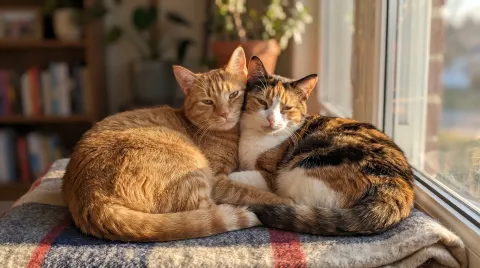
Adopting a bonded pair of cats
A bonded pair of cats is often easier than a single cat. Here's why two settle faster, keep each other company, and rarely mean double the work.

How to adopt a dog or cat from a shelter
A calm, step-by-step guide to adopting a dog or cat from a shelter or rescue, from where to search to the screening, the fee and the first days home.
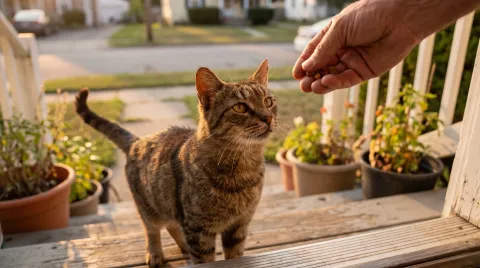
You found a stray cat: what to actually do
A friendly cat on your doorstep may already have a home. Here is the honest, welfare-first order of steps before you take it in.
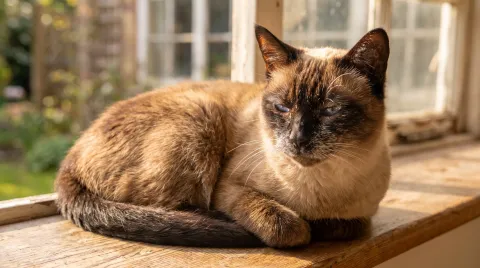
The longest-lived cat breeds, and what actually adds years
Siamese and Russian Blues regularly see their late teens; some cats double a dog's run. The breeds with the long odds — and the honest truth that how a cat lives beats what it was born as.