When is a dog an adult? Age milestones by size
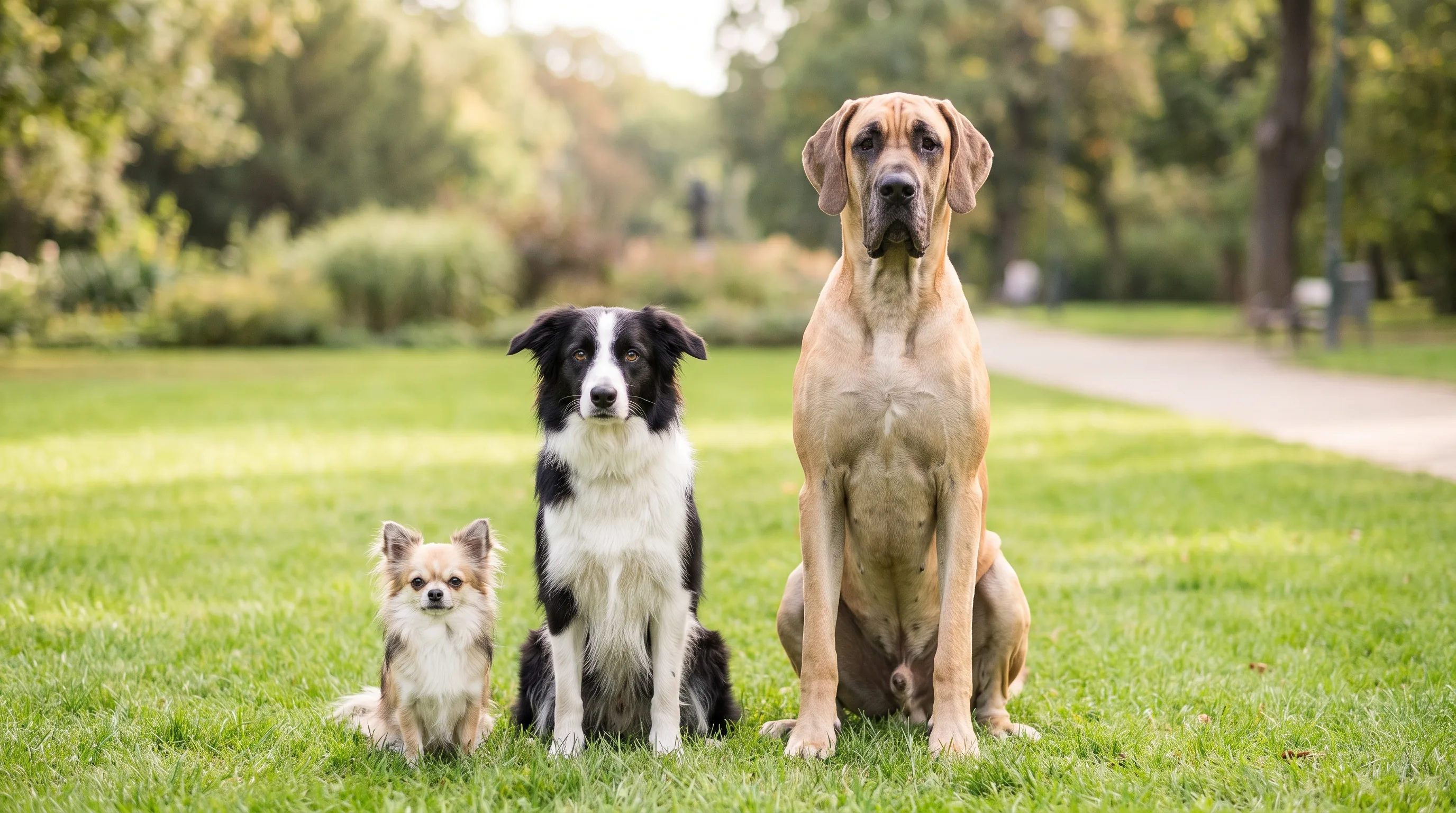
Most dogs count as adults somewhere between one and two years old — but size changes everything. A Chihuahua is fully grown and mentally adult by around a year and can still be sprightly at 14; a Great Dane is not done growing until nearly two, yet is a senior by six or seven. The single best predictor of when a dog hits each milestone is not the breed's personality but its adult size. Here is the honest timeline, stage by stage, and why a bigger dog runs through its whole life on a faster clock.
The short answer: adulthood by size
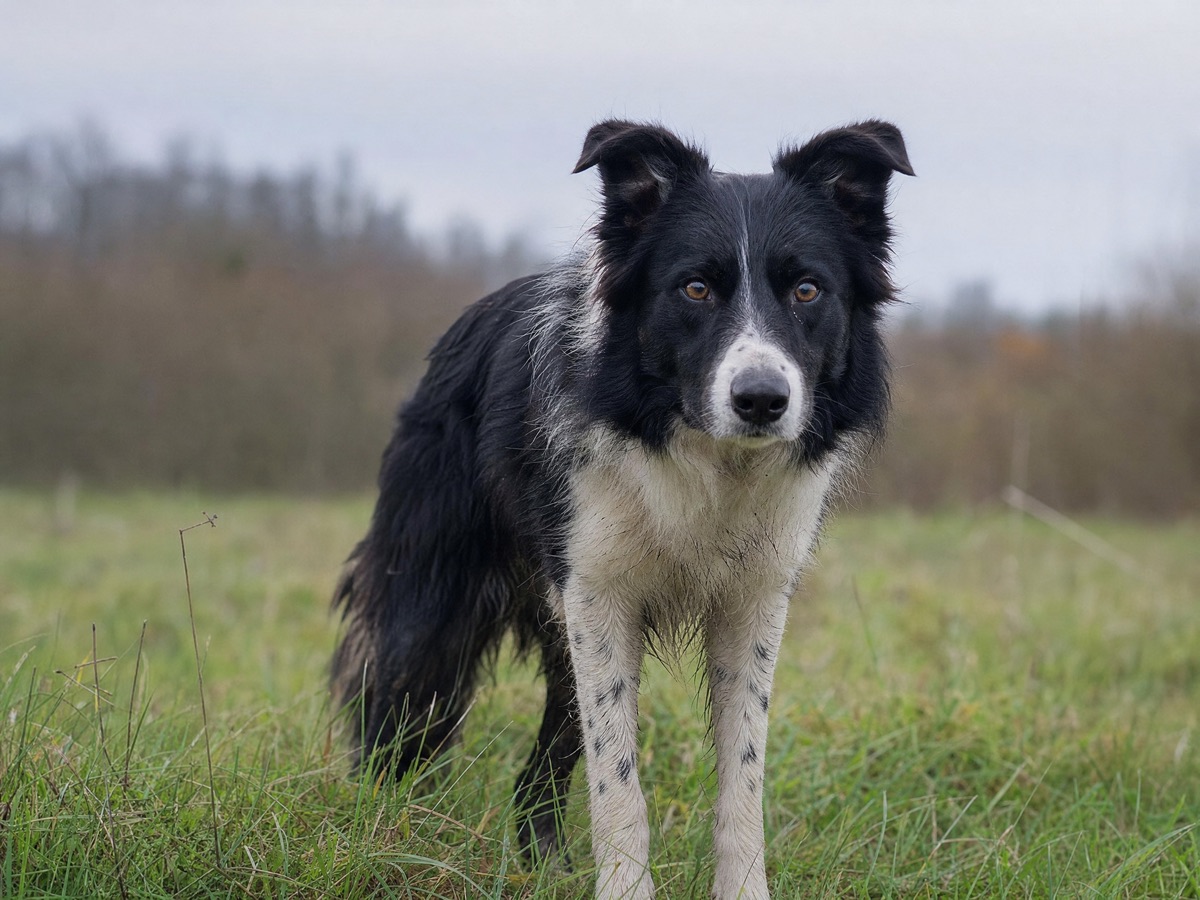
A dog is generally an adult when it has finished growing and settled mentally, and that lands at different ages depending on size. Small breeds get there first, giant breeds last.
As a rough guide: small dogs (under about 10 kg) are physically grown by 9–12 months and mentally adult by around 12–15 months. Medium dogs (10–25 kg) finish growing near 12 months and mature by about 15–18 months. Large dogs (25–45 kg) keep growing to 15–18 months and don't feel truly adult until closer to two years. Giant breeds (over about 45 kg, like the Great Dane or Mastiff) can still be filling out at 18–24 months.
So a one-year-old Chihuahua is a small adult, while a one-year-old Great Dane is still very much an oversized puppy. The number on the calendar means little without the size next to it.
Puppy, adolescent, adult: the messy middle
Between puppyhood and adulthood sits adolescence, and it catches a lot of owners off guard. It usually starts around 6 months and can run to 18 months or beyond in large breeds — the canine teenage phase, complete with selective hearing and testing of boundaries.
This is the stage where a dog looks grown but does not yet act it: recall gets shaky, energy spikes, and training that seemed solid falls apart for a while. It is normal, it passes, and it is the single most common age at which dogs are given up to shelters, which is a shame because the dog on the other side of it is usually the one you were training for. If you're in it now, our guide to the adolescent dog covers how to ride it out.
Physical growth finishes before mental maturity. A dog can reach its full height months before the brain catches up, which is exactly why a big adolescent can be so much to handle: adult body, puppy judgement.
When 'senior' starts — and why big dogs get there first
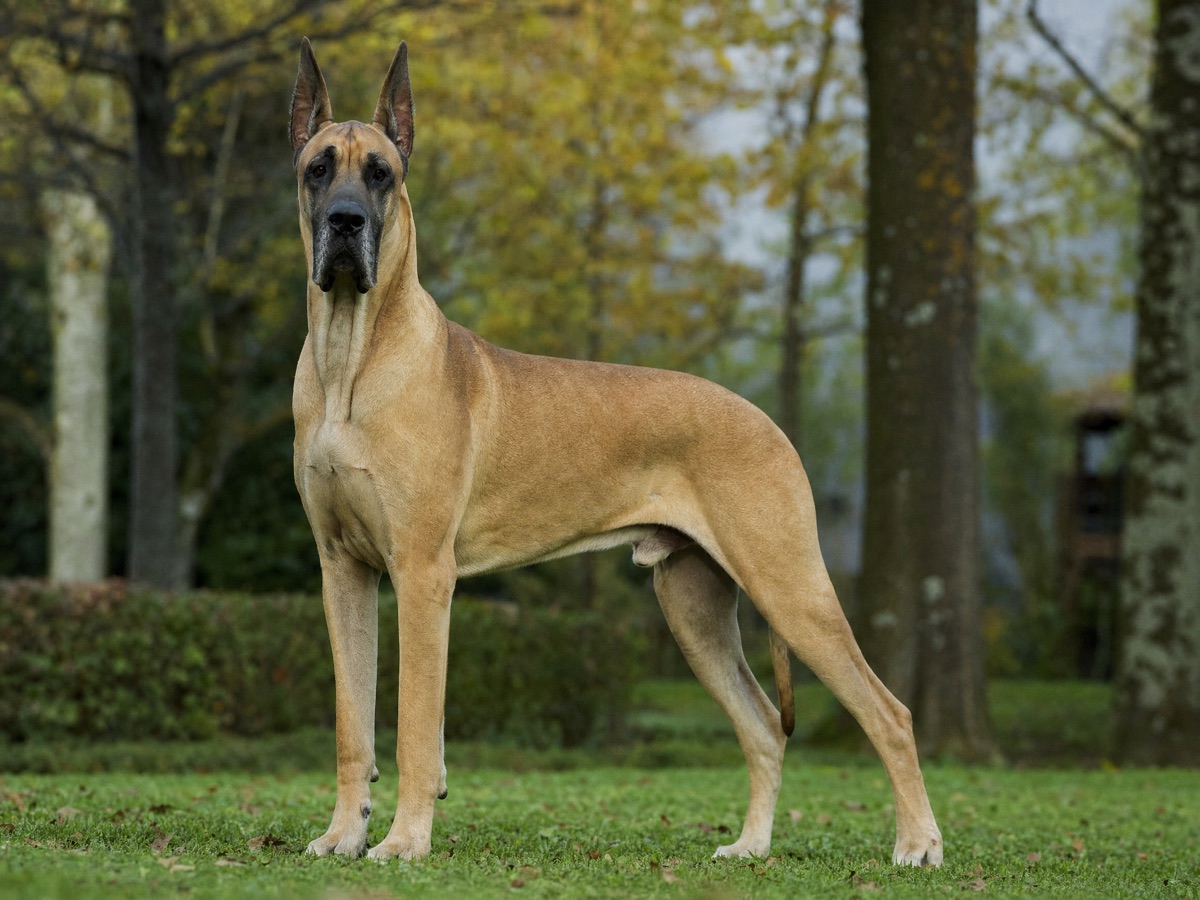
The surprise for most people is how early senior status arrives, and how much sooner it comes for large dogs. Vets generally treat a dog as a senior once it reaches the last quarter or so of its expected lifespan — which, because big dogs live shorter lives, lands much earlier on the calendar.
In practice: small breeds become seniors around 10–12 years, medium breeds around 8–10, large breeds around 7–8, and giant breeds as early as 5–6. A six-year-old Great Dane and a six-year-old Chihuahua are at completely different points in life — one is entering old age, the other is barely middle-aged.
Senior does not mean sick. It is mostly a cue to shift the routine: twice-yearly vet checks instead of once, an eye on weight and mobility, and attention to the early signs of pain. What actually changes, and how to keep the good days coming, is covered in senior dog care.
Why size flips the timeline
It seems backwards that the biggest dogs age fastest, but it comes down to how quickly they grow. A giant-breed puppy goes from under a kilo to fifty-plus kilos in under two years — an enormous amount of cell division crammed into a short window — and researchers link that accelerated early growth to faster aging and a shorter lifespan later.
The pattern is one of the most reliable in dogs: within a species, bigger tends to mean shorter-lived. A Great Dane doing well to reach 8–10 years and a Chihuahua reaching 15–17 are living out the same rule from opposite ends. We dig into the extremes in how long dogs really live.
The practical takeaway is simple: match your expectations to your dog's size, not to the calendar. Choosing a breed and want to know what you're signing up for? Our guide to choosing a dog by size lays out the trade-offs before you commit.
Dog years aren't times seven
The old 'one dog year equals seven human years' rule is a myth, and it gets the early years badly wrong. A one-year-old dog is not a seven-year-old child — it is closer to a teenager, already near sexual maturity and adult size.
A more honest version, following the AVMA's rule of thumb: a dog's first year is worth about 15 human years, the second adds roughly another nine (so a two-year-old dog is about 24 in human terms), and each year after that adds somewhere between four and five — faster for large breeds, slower for small ones. It is an approximation, not a formula to take to the decimal, but it beats multiplying by seven.
The point of all of it is the same: know which stage your dog is actually in, because a puppy, an adolescent, an adult and a senior each need something different from you.
Common questions
What age is a dog considered an adult?
Most dogs are adults between one and two years old, and size decides where in that window they land. Small breeds are physically and mentally adult by about 12–15 months; large and giant breeds aren't truly grown until 18–24 months, even though they may look full-size sooner.
At what age is a dog a senior?
It depends on size, because big dogs age faster. Small breeds become seniors around 10–12 years, medium breeds around 8–10, large breeds around 7–8, and giant breeds as early as 5–6. Vets treat a dog as senior once it's in roughly the last quarter of its expected lifespan.
Do small dogs really age slower than big dogs?
Yes. Within dogs, bigger breeds live shorter lives and reach old age earlier — a giant breed can be a senior at six while a small dog is barely middle-aged. The leading explanation is that fast early growth in large breeds is linked to faster aging.
When do dogs stop growing?
Small dogs finish growing around 9–12 months, medium dogs around 12 months, large dogs around 15–18 months, and giant breeds not until 18–24 months. Mental maturity comes a little later than physical growth, which is why big adolescents can look grown but still act like puppies.
Is a 1-year-old dog still a puppy?
Not really — a one-year-old is usually an adolescent or young adult, not a puppy. Small breeds are essentially adult by a year; large and giant breeds are past puppyhood but still growing and mentally immature, deep in the teenage phase.
How old is a dog in human years?
Not seven per year. A dog's first year is roughly 15 human years, the second adds about nine (a two-year-old dog is about 24), and each later year adds four to five, faster for large breeds. So the 'times seven' rule badly underestimates a young dog's maturity.
See also
More in Dogs

Your puppy's first year: the full timeline
From 8 weeks to 12 months, stage by stage — vaccinations, the socialization window, teething, the teenage phase, neutering and the switch to adult food.
The adolescent dog: surviving the teenage phase
Somewhere around six months your trained puppy 'forgets' everything and stops listening. That's adolescence — it's real, it's neurological, and it's when most dogs get given up. Here's how to get through it.
The oldest dog ever and how long dogs really live
Bluey reached 29 years. Bobi's 31-year claim fell apart. Here's the real math on dog lifespan, and how to buy your dog more time.

Senior dog care: what actually changes
An honest guide to a dog's later years: when old age starts, what to watch for, and how to keep the good days coming.

Bringing a puppy home: the first 48 hours
A calm, hour-by-hour plan for a puppy's first two days at home — from puppy-proofing to the first night in the crate.

Puppy vaccinations and the first-year vet timeline
The honest first-year shot schedule, why puppies need a series and not one jab, and how to socialise before the course is finished.