
How to stop a cat scratching the furniture
A cat scratching the sofa is not being naughty or spiteful. Scratching sheds the outer claw sheath, marks territory with scent glands in the paws, and stretches the back and shoulders, and a cat that cannot do it somewhere acceptable will keep doing it somewhere you mind. The fix is giving it a post it genuinely prefers, putting that post exactly where the current damage is happening, and making the furniture briefly less appealing while the new habit sets in. Punishment does not work here, and neither does declawing.
Why cats scratch — it is not misbehaviour
Scratching does three real jobs for a cat: it sheds the dead outer layer of the claw sheath, it leaves both a visible mark and a scent from glands in the paw pads as territory marking, and it gives the back, shoulders and spine a full stretch. It is a physical need rather than a discipline problem, which is exactly why telling a cat off for it does not work — you cannot train an animal out of a need, only redirect where it meets that need.
Declawing is worth naming directly here: it amputates the last bone of each toe, not just the claw, and major veterinary bodies discourage it as an unnecessary, painful procedure with real risks of chronic pain and behaviour problems, which is why it is now banned or restricted in a growing number of countries and US states. It is not a shortcut worth considering, and every method below works without it.
Give your cat a scratching post it actually prefers
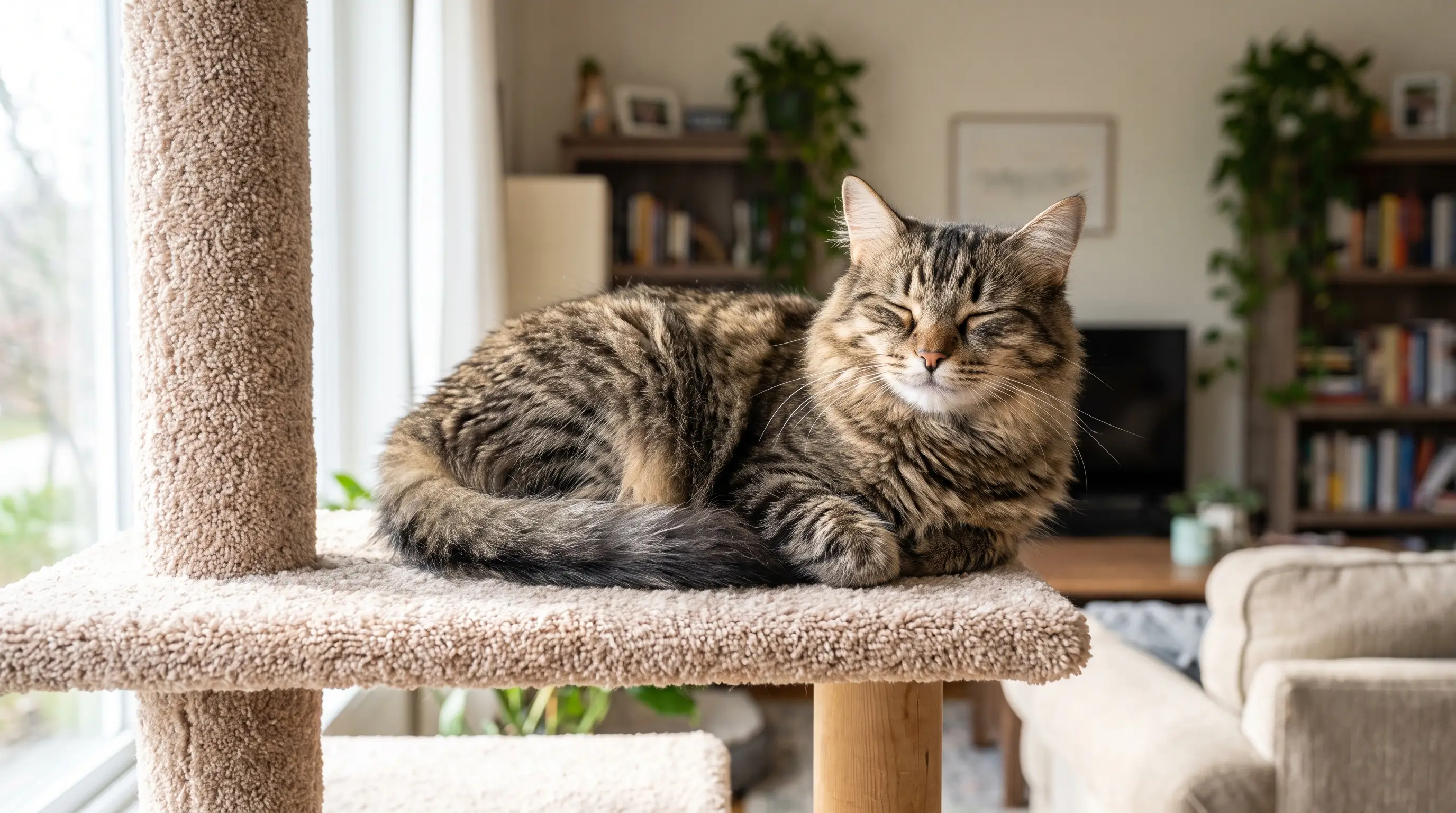
Material matters more than price. Most cats prefer rough, grippy textures like sisal rope, sisal fabric, cardboard or real bark — not soft carpet, which feels uncomfortably close to the furniture you are trying to protect. Orientation matters too: many cats strongly prefer a tall vertical post, ideally 75 to 90 centimetres so an adult cat can fully stretch upward, while others prefer a low horizontal scratcher, especially cardboard ones, so offering one of each removes the guesswork.
Stability is the detail owners miss most. A post that wobbles or tips when scratched gets abandoned fast, because a cat wants real resistance to dig its claws into, not a wobble that feels unsafe. A cheap, flimsy post often fails simply because it cannot hold up to the exact behaviour it exists for. Naturally bold, high-energy breeds such as the Bengal or the Abyssinian often want the tallest, sturdiest post you can find and use it hard, while a quieter, lower-energy breed such as the Persian is usually satisfied with a smaller one used more gently.
Put it where the damage is happening, not where it's tidy
Place the new post directly next to, or even in front of, the piece of furniture already being scratched, and near where your cat sleeps or enters a room — a lot of scratching happens right after waking, as part of the same stretch. Tucking a beautiful new post into a spare room where a cat rarely goes is the single most common reason a well-chosen post gets ignored; location beats quality if you have to choose one.
Only move the post once your cat is reliably using it in its original spot, and then shift it a short distance at a time over several days rather than relocating it in one go. A sudden move can undo weeks of a habit forming.
Make the post irresistible, and the furniture briefly boring
Rub a little catnip or silvervine into the new post, and use treats or a wand toy to lure your cat toward it and reward any contact, even a sniff at first. The moment your cat scratches the post on its own, mark it with a calm "yes" and a treat, so the behaviour keeps paying off without you having to be right there every time.
Meanwhile, make the furniture spot temporarily less appealing without anything painful or frightening: double-sided tape or a plastic carpet runner turned nub-side up on the scratched area, a citrus-scented deterrent spray safe for fabric, or simply a throw in a texture your cat dislikes. Remove these once the new habit is solid — they are a bridge, not a permanent fixture.
What not to do, and when nail care helps too
Never punish a cat mid-scratch — no shouting, no spray bottle, no physically moving it away. This does not teach "don't scratch the sofa"; it teaches "scratching near this person is risky", which damages trust and can make a cat scratch in secret rather than stop. And skip declawing, for the reasons above: it solves nothing about the underlying need and carries real, lasting welfare costs.
Regular nail trims reduce how much damage any scratching does while the retraining works, and soft nail caps are a reasonable option for households with a vulnerable member, such as an infant or someone immunocompromised, though neither replaces giving your cat a real outlet. If scratching suddenly increases or turns frantic, it is worth checking for other signs of stress in the home, and a vet visit is sensible if a paw looks sore or a claw seems to be catching or splitting.
Common questions
Why does my cat scratch the furniture instead of the scratching post?
Usually because the post is the wrong material, texture or location — soft carpet-covered posts, wobbly posts, or posts tucked away from where the cat actually spends time all get ignored. Match the material to what your cat already prefers and place it right next to the furniture being scratched.
What is the best type of scratching post for cats?
Most cats prefer rough, grippy materials like sisal rope, sisal fabric, cardboard or bark over soft carpet. A tall, sturdy vertical post around 75 to 90 centimetres suits cats that like a full upward stretch, while a horizontal cardboard scratcher suits others, so offering both covers most preferences.
Is it OK to declaw a cat to stop scratching?
No. Declawing amputates the last bone of each toe, not just the claw, and major veterinary bodies discourage it as an unnecessary, painful procedure with real risks of chronic pain and behaviour problems. It is banned or restricted in a growing number of countries and US states, and redirection works without it.
How do I stop a kitten from scratching furniture?
Start exactly the same way as with an adult cat: give a kitten its own appealing post right next to whatever it is scratching, reward every use, and never punish. Kittens form habits fast, so a good setup early on tends to prevent furniture scratching from becoming established at all.
Do cat nail caps work to stop scratching damage?
Nail caps reduce the damage scratching does by covering the claw tip, and they can help in households with a vulnerable member. They need regular reapplication as claws grow and do not address the underlying need to scratch, so they work best alongside a proper post, not instead of one.
More in Cats
How to help a cat that is terrified of fireworks
A safe room for the night itself, and a graded sound protocol to run in the months before it. What actually works, and what makes a frightened cat worse.
Teaching your cat tricks: the first five
Target, sit, high five, spin and a reliable recall — in the order that actually works, five minutes at a time. Cats train beautifully; they just do not work for praise.

How to train a cat to walk on a harness
Some cats take to a harness and some never will — and forcing it backfires. How to introduce one properly, the gear that matters, and the honest limits.
How to litter train a kitten (and fix accidents)
Kittens come pre-wired to use a tray. Set the box up right, let instinct do the work, and know what to check the day it goes wrong.
Clicker training a cat: the honest beginner's guide
Cats are far more trainable than their reputation suggests. With a clicker, tiny treats, and short sessions, almost any cat will learn.
Why is my cat spraying? What it means and how to stop it
Spraying isn't a litter-box failure — it's a message about territory, written in urine. How to tell it from peeing, what's behind it, and the fixes that hold.