Dog breeds named after the wrong country
A breed's name is one of the least reliable things about it. The Great Dane has nothing to do with Denmark, the Australian Shepherd was made in the American West, and the French Bulldog started as an English dog. Names stuck for reasons of fashion, marketing and migration, not accuracy — which is exactly why we put a real, sourced origin on every breed page. Here are the most confidently mislabelled dogs, and where each one actually comes from.
The Great Dane is German
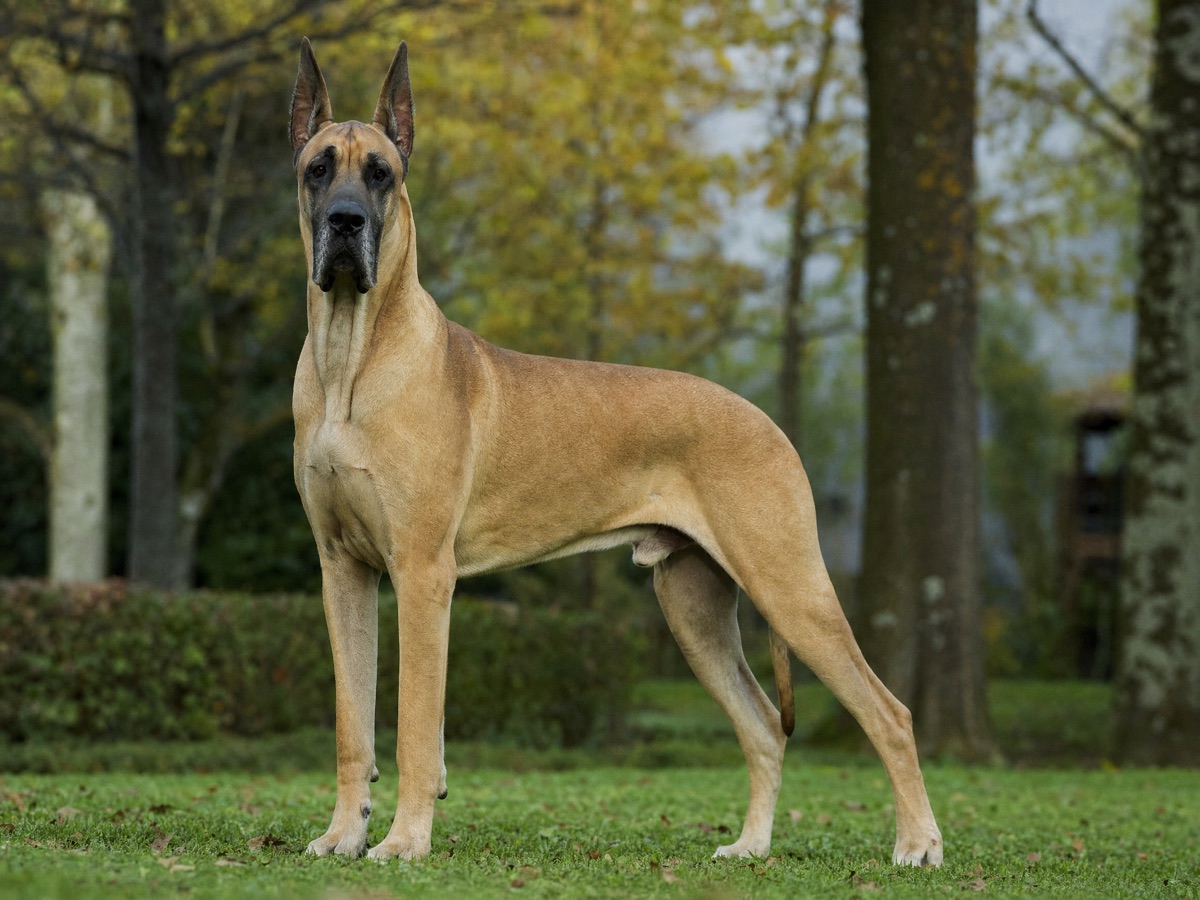
There is nothing Danish about the Great Dane. The breed was developed in Germany as a boar-hound and estate guardian, and Germans still call it the Deutsche Dogge — the German mastiff. The 'Dane' label came from an 18th-century French naturalist who called it le grand danois, and the mistranslation simply never got corrected. Germany named it its national breed in 1876, which is about as clear a statement of origin as a country can make. So the giant in the room is German through and through; Denmark just got the credit on the packaging. You can see its real papers on the Great Dane breed page, origin and all.
The Australian Shepherd is American
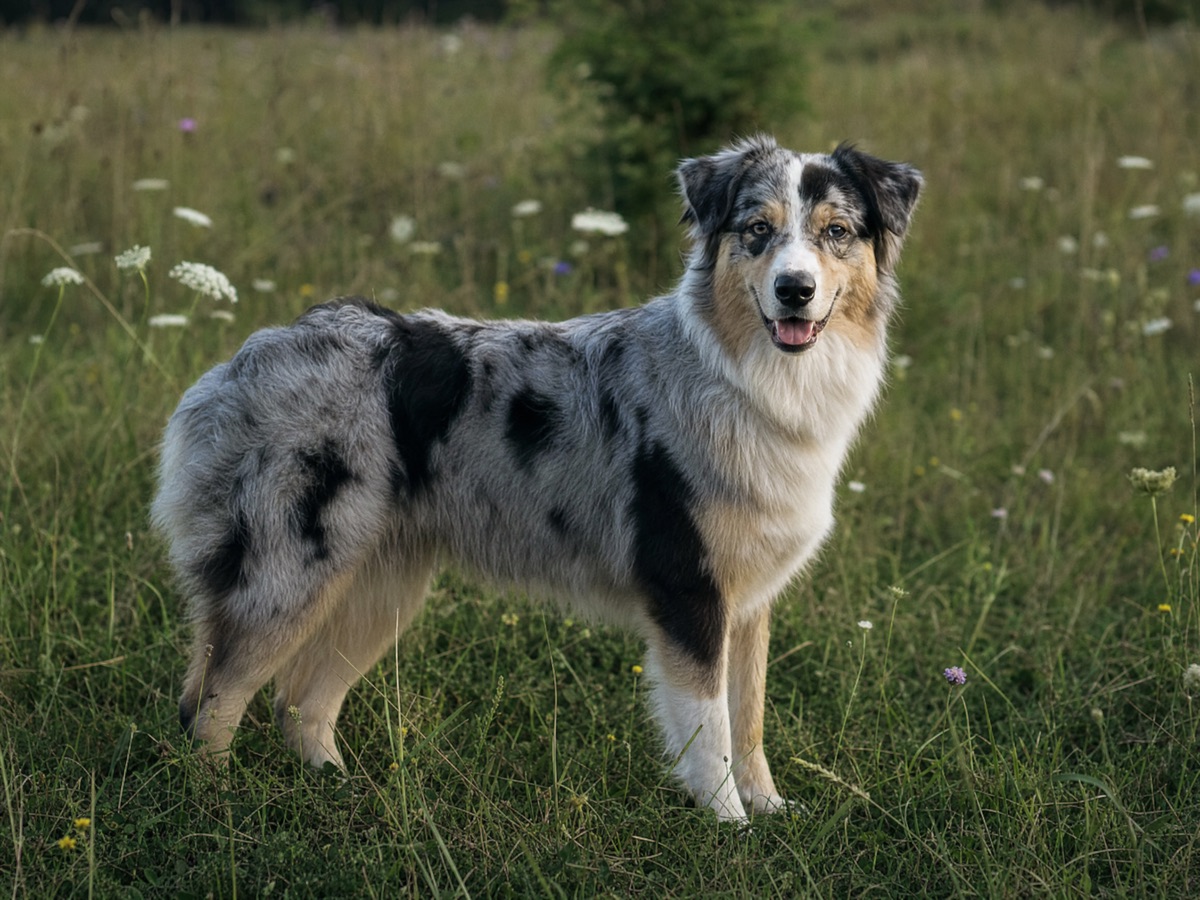
The Australian Shepherd is an American breed, developed on the ranches of the western United States, and it was never an Australian farm dog. The confusing name traces to Basque shepherds who emigrated to America by way of Australia in the 1800s, bringing herding dogs that Americans associated with the Australian leg of the journey. The breed itself — the merle coat, the bobbed tail, the intense stock sense — was refined in California and the American West, and its popularity was cemented by post-war rodeo and Hollywood. Australia had almost nothing to do with it. Meet the real dog on the Australian Shepherd page.
The French Bulldog is half English
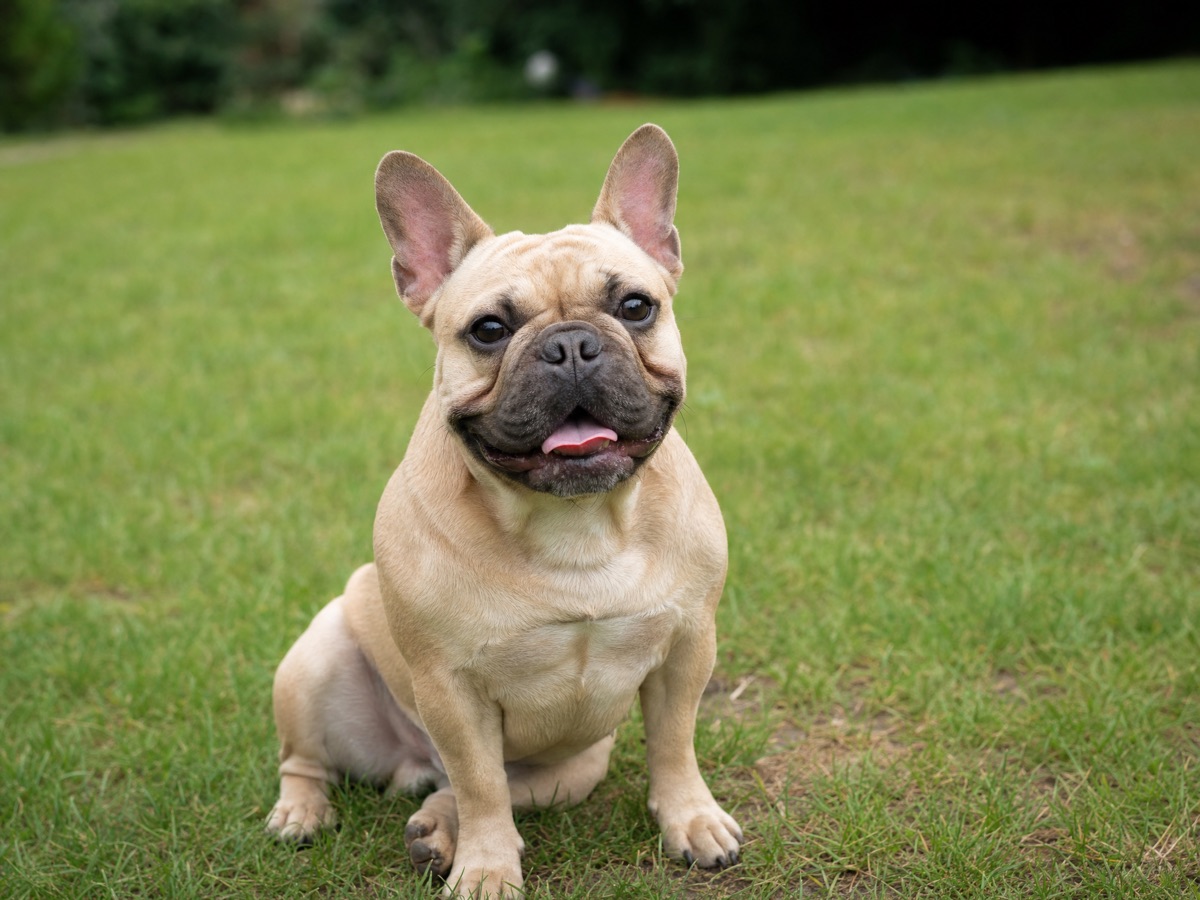
The French Bulldog is a Franco-English collaboration that England likes to forget. Its ancestors were small toy bulldogs bred in Nottingham, and when the lace trade collapsed in the mid-1800s, English lacemakers took their little dogs across the Channel to find work in France. There the toy bulldog became a Paris favourite, picked up its trademark 'bat ears', and was refined into the breed we know — which is why its origin is honestly England and France, not one or the other. The name won because the dog became fashionable in Paris, not because it was born there. The full split-nationality story sits on the French Bulldog page.
The Pharaoh Hound is Maltese, not Egyptian
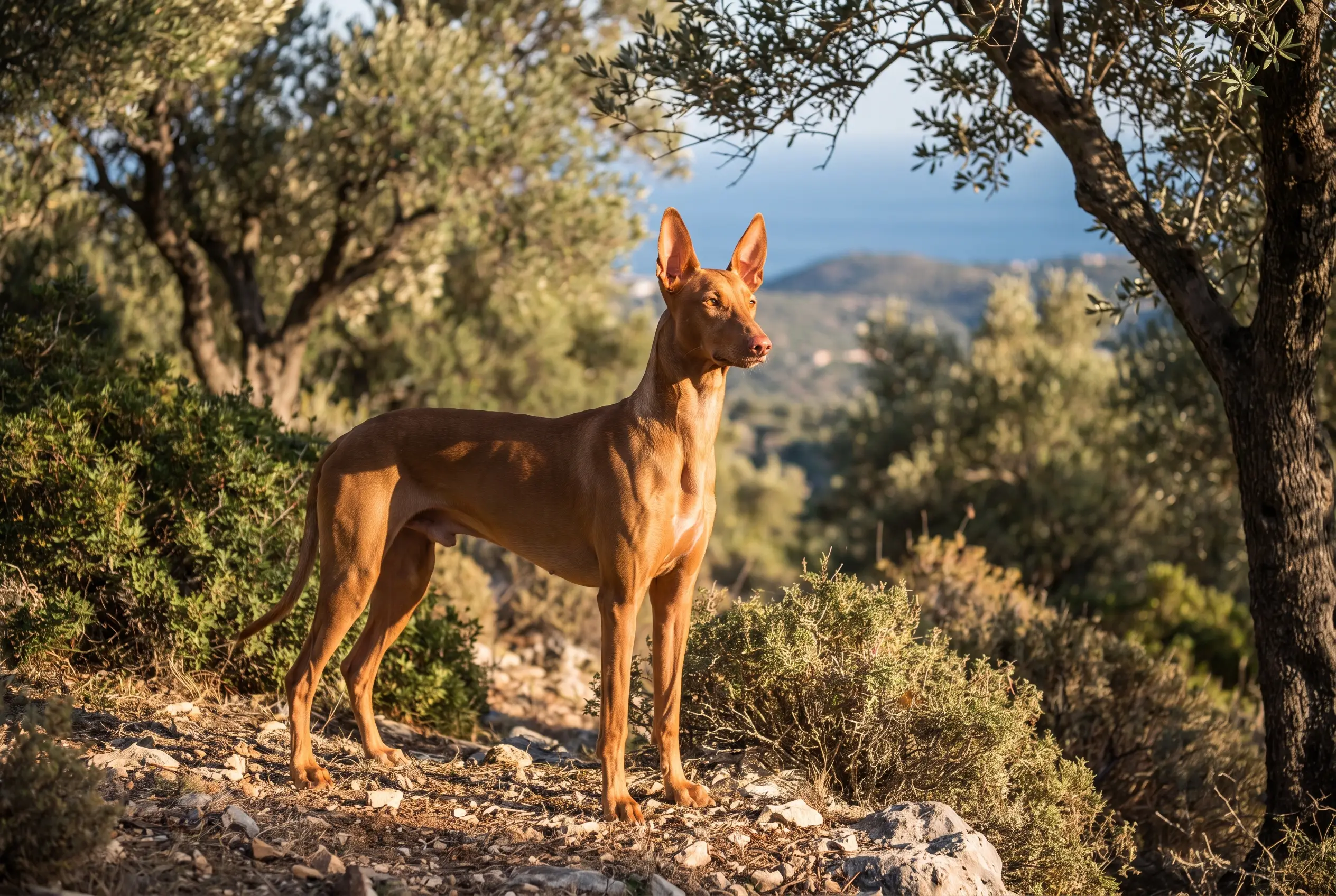
The Pharaoh Hound looks like it trotted out of an Egyptian tomb painting, and its whole image leans on that — but it is the national hound of Malta, where it is called the Kelb tal-Fenek, the rabbit dog. Genetic studies find no unbroken line to ancient Egypt; the Egyptian resemblance is convergence and clever branding, not ancestry. This is the same lesson as the wider history of how breeds were invented: an ancient look is not an ancient pedigree, and a romantic name sells better than an accurate one. Malta, not the Nile, is the honest answer.
Why breed names lie
Breed names are marketing, migration and accident, layered over centuries. Some honour a fashionable city rather than a birthplace (the French Bulldog). Some preserve a centuries-old mistranslation nobody bothered to fix (the Great Dane). Some borrow the glamour of a faraway place the dog never lived (the Pharaoh Hound). Even the Pomeranian is really a German-Polish spitz shrunk down in England, and the Dalmatian's tie to Dalmatia is far shakier than the name suggests. None of this makes the dogs any less lovable — it just means the name on the tin is a story, not a source. That is precisely why every breed on BreedQuest now carries a sourced origin line you can actually trust, right below its size and weight.
Common questions
Are Great Danes from Denmark?
No. Despite the name, the Great Dane was developed in Germany as a boar-hound and guard dog, and Germans call it the Deutsche Dogge. The 'Dane' label came from an 18th-century French description, le grand danois, and simply stuck. Germany declared it a national breed in 1876.
Where does the Australian Shepherd really come from?
The Australian Shepherd is an American breed, refined on ranches in the western United States. The name comes from Basque shepherds who reached America via Australia in the 1800s, but the breed itself was developed in California and the American West, not on Australian farms.
Is the French Bulldog actually French?
Partly. Its ancestors were toy bulldogs bred in Nottingham, England, taken to France by lacemakers in the 1800s. In Paris the dog gained its bat ears and became fashionable, so its true origin is both England and France, with France winning the name.
Is the Pharaoh Hound from ancient Egypt?
No. It is the national hound of Malta, known locally as the Kelb tal-Fenek. It resembles dogs on Egyptian tomb art, but genetic studies show no continuous line to ancient Egypt, so the Egyptian image is branding rather than ancestry.
Why are so many dog breeds named after the wrong country?
Because breed names follow fashion, migration and old mistranslations rather than accurate geography. A dog might be named for the city where it became popular, a place it passed through, or a faraway land its look evokes, none of which is necessarily where the breed was actually developed.
How can I find a dog breed's real country of origin?
Check a sourced breed profile rather than the name. Every breed page on BreedQuest lists a real, referenced origin alongside its size, weight and group, so you can see where a breed was actually developed instead of trusting the label.
See also
More in Dogs
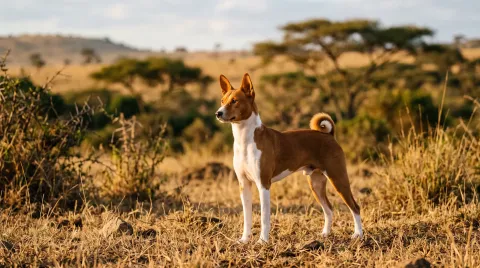
Which dog breeds are actually ancient?
Genetics keeps naming the same handful of breeds as “ancient” — but that word means isolated from the Victorian breed factory, not unchanged since antiquity.

National dog breeds: how a dog becomes a country's symbol
A nation doesn't just adopt a breed. Somewhere there's paperwork, a patron country, and an official standard. Here's the machinery, and the cases that actually hold up.

The village dog: the real default, and why your breed is the odd one out
Most dogs on Earth are free-ranging scavengers, not purebred pets. The breed is the recent human invention sitting on top of a much older, stabler kind of dog.
The dog breeds that vanished — and the one a 2023 genome brought back into focus
A woolly dog from the Pacific Northwest, a spit-turning kitchen worker, and the working landrace behind every retriever: what killed them, and what modern DNA can and cannot recover.
Seven groups, ten groups, three answers: how dog breeds get sorted
Kennel clubs sort several hundred breeds into a handful of groups. Here is how those lines were drawn, why the AKC's seven don't match the FCI's ten, and why the Standard Schnauzer belongs to three groups at once.
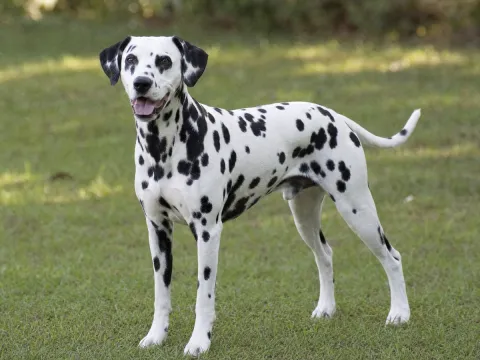
Who invented dog breeds, and when
Most 'ancient' breeds are younger than the bicycle. The breed as we know it was invented by Victorians with a stud book, in about 1873.