What selective breeding actually does to an animal
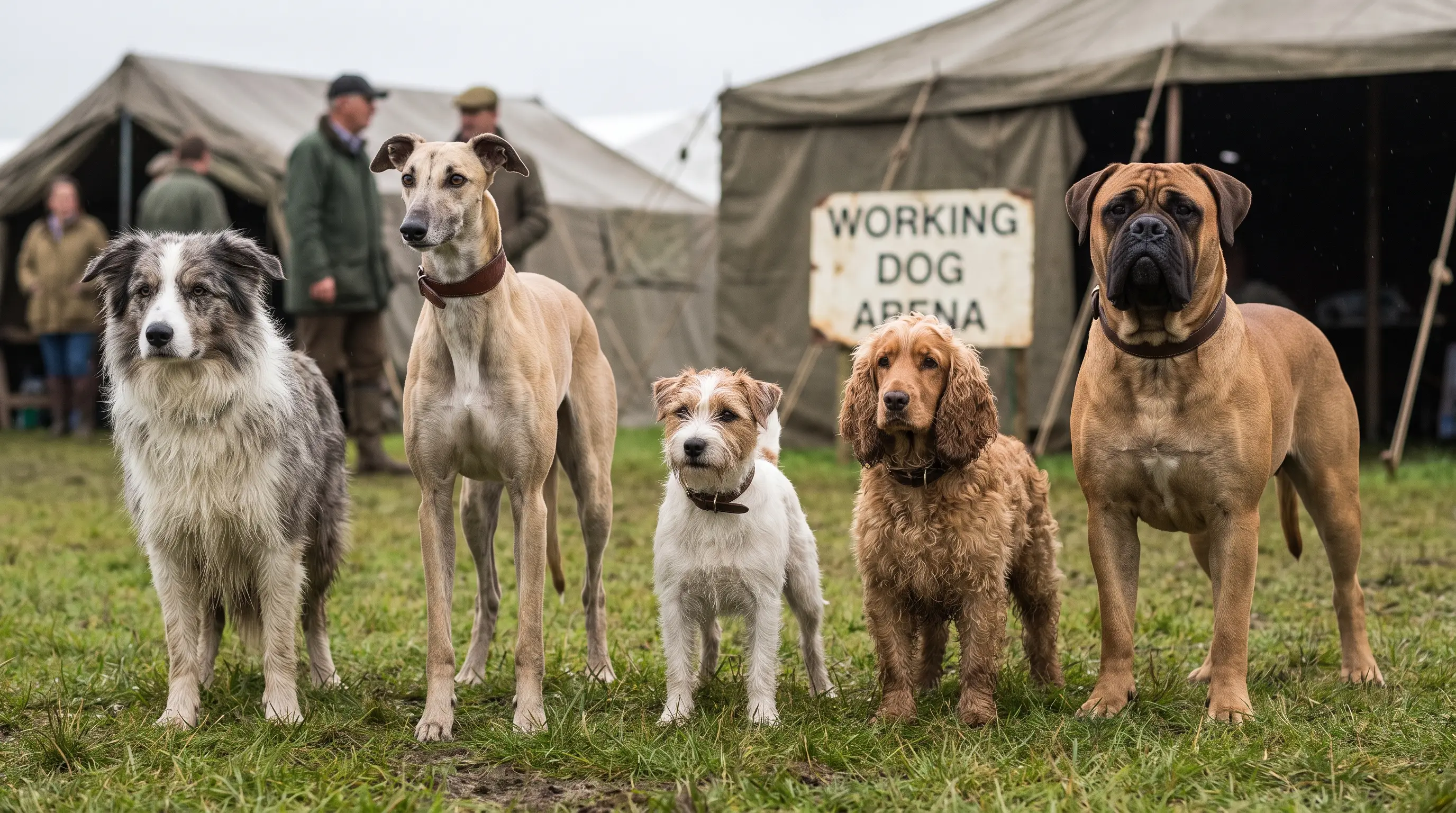
Every breed of dog and cat is a bet placed by humans about which animals should have babies. That single choice, repeated over generations, is the strongest force acting on your pet's body and behaviour — stronger than diet, training or luck. It can turn a wolf into a Chihuahua in a few thousand years, and it can wreck a healthy breed in a few decades. Here is what artificial selection really does, and what it costs.
Selection is just choosing who breeds
Artificial selection has one mechanism: a human decides which animals reproduce and which do not. Do that for a trait — size, coat, a folded ear, a calm temperament — and the next generation shifts a little in that direction, because only the animals carrying the trait passed their genes on. Repeat it, and the shift compounds. There is no magic and no engineering; it is the same process as natural selection, with a person standing in for the environment as the thing that decides who wins.
That is how one ancestral wolf became Great Danes and dachshunds, and one Near Eastern wildcat became a room full of cat breeds. The raw material is the ordinary genetic variation already present in a population. Selection just keeps some of it and throws the rest away, generation after generation, until the descendants look nothing like where they started.
The fox experiment: how fast tameness reshapes a body
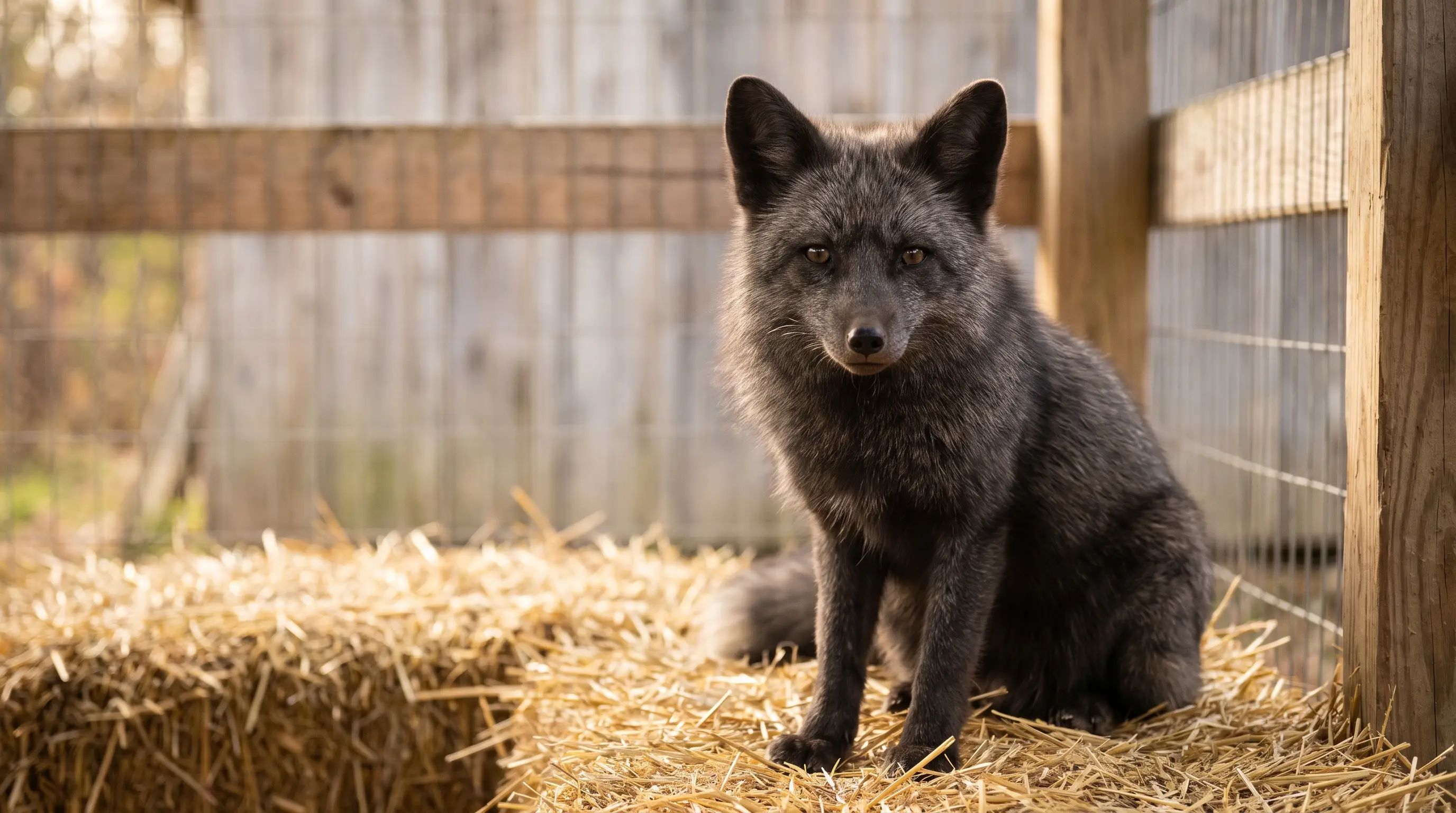
The clearest demonstration ran on foxes. In 1959, the Soviet geneticist Dmitri Belyaev started breeding silver foxes at a farm in Novosibirsk, selecting for one thing only: which foxes let a human approach without fear or aggression. He picked the calmest few per cent each generation and bred them together, and nothing else.
Within about ten generations, foxes selected purely for tameness started changing in ways he never selected for. They developed floppy ears, curly tails, patchy white coats, shorter snouts and a longer breeding season — a cluster of traits now called domestication syndrome, the same look that separates many domestic animals from their wild ancestors. Selecting for a friendly mind dragged a whole set of physical changes along with it, apparently because the genes controlling fear and the genes controlling early development are wired together. It is the fastest, cleanest picture we have of what the wolf-to-dog transition may have looked like from the inside.
Most breeds are a Victorian invention, not an ancient one
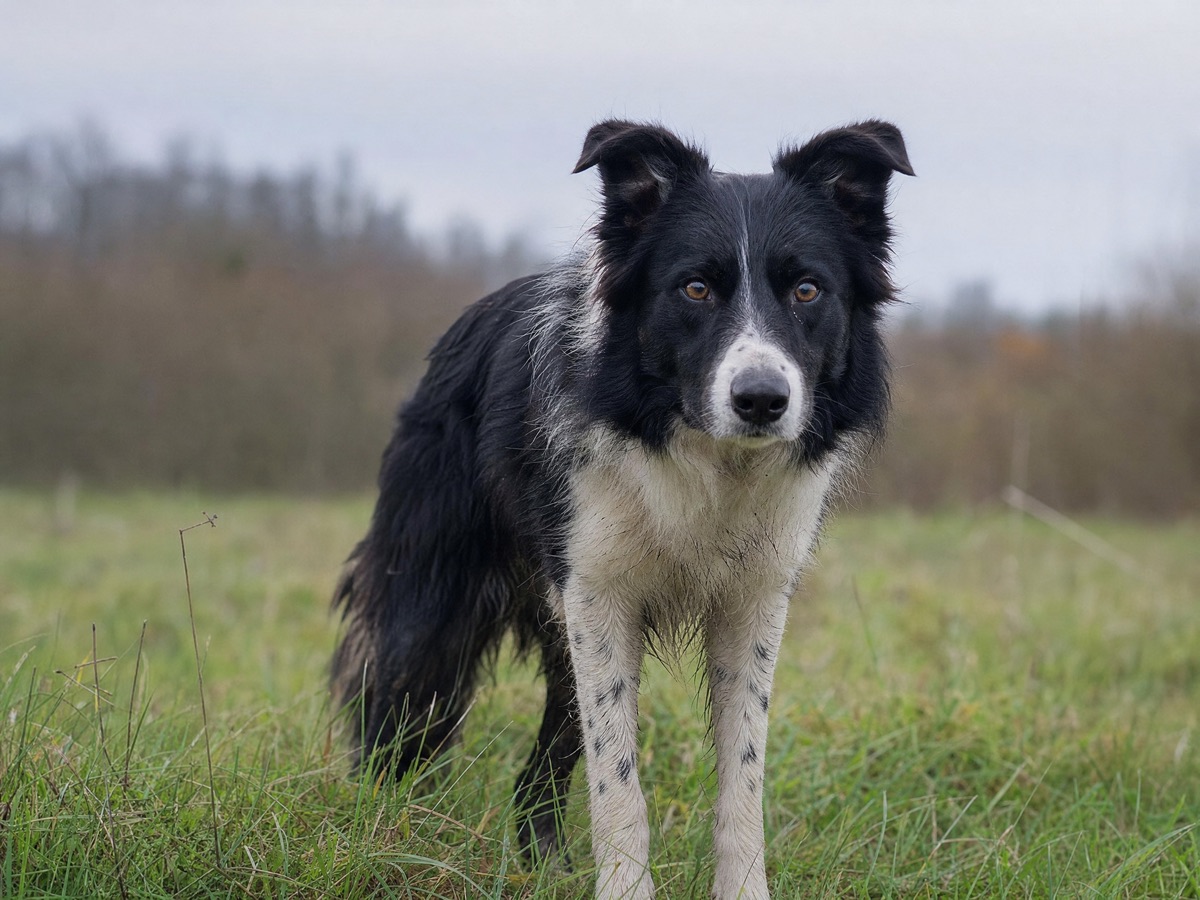
It is tempting to imagine breeds as ancient, but most were fixed astonishingly recently. The idea of a closed breed with a written standard and a pedigree registry is largely a Victorian invention of the mid-1800s, when dog shows and kennel clubs formalised what had been loose regional types. We cover that history in the invention of dog breeds. Before that, a farm dog was bred to do a job; after it, dogs were increasingly bred to match a look on paper.
Selection also splits a single breed in two when people select for different goals. The Labrador is a good example: field lines bred for hunting work tend to be leaner, more driven and rangier, while show or bench lines bred to the standard are stockier and calmer. Same breed name, two visibly different animals, because two sets of humans made different choices about who should breed.
The cost: bottlenecks, inbreeding and breed-linked disease
The power of selection is also its danger. To fix a breed's look, you breed from a small founding set and then keep the studbook closed, so the same limited pool of genes recirculates. That is a genetic bottleneck, and it steadily raises the coefficient of inbreeding — the odds that an animal inherits two identical copies of a gene, including the harmful recessive ones that were harmless while rare.
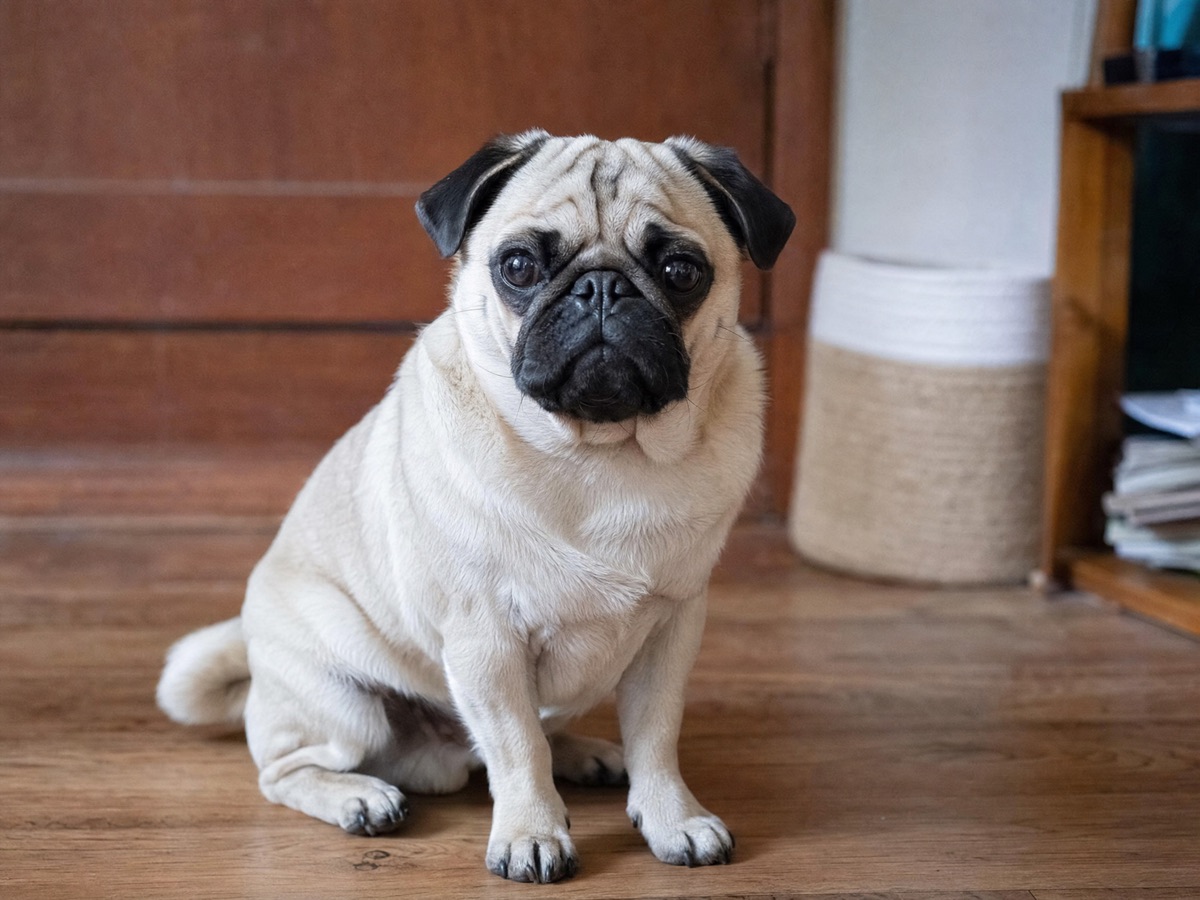
The results are the breed-linked diseases every honest owner should know. Flat-faced breeds selected for a shorter and shorter muzzle now struggle to breathe, a problem we unpack in why flat-faced dogs breathe so hard. Selecting for a specific head shape in the Cavalier King Charles Spaniel left many with a skull too small for the brain. Large breeds carry high rates of hip dysplasia, and some lines carry dilated cardiomyopathy. None of this is the dog's fault or the owner's; it is the bill for selecting hard on appearance from a shrinking gene pool.
What responsible selection looks like now
The same tool that caused the damage can undo it, if the goal changes. Breeders who care about health now use estimated breeding values and DNA screening tests to choose mates, deliberately keep the coefficient of inbreeding down, and sometimes outcross to another breed to bring lost genes back — the approach behind the newer, longer-nosed retro-pug and similar projects. Selecting for a functional nose, a sound hip and a stable temperament is exactly as feasible as selecting for a flat face; it is only a matter of what the humans choose to reward.
For anyone buying a pet, the practical version is simple. Ask what the parents were selected for, and ask to see the health-test results for the conditions that breed is prone to. A breeder selecting for health can show you the numbers. A breeder selecting only for looks is running the Victorian experiment with the costs left in.
Common questions
What is selective breeding?
Selective breeding, or artificial selection, is when humans choose which animals reproduce in order to shift a trait — size, coat, temperament — in the next generation. Repeated over many generations, it is powerful enough to turn a wolf into breeds as different as a Great Dane and a Chihuahua.
How fast can selective breeding change an animal?
Very fast. The Soviet silver-fox experiment, begun in 1959, produced foxes with floppy ears, curly tails and patchy coats within about ten generations, simply by breeding only the calmest animals each time. Visible change can appear in a decade or two of focused selection.
Why does selective breeding cause health problems?
Because fixing a breed's look means breeding from a small pool and keeping the studbook closed, which raises inbreeding and lets harmful recessive genes pair up. Selecting hard for extreme features, like a very flat face, also directly creates problems such as breathing difficulty.
What is domestication syndrome?
It is the cluster of traits — floppy ears, curly tails, white patches, shorter snouts, tamer behaviour — that appear together in many domesticated animals. The fox experiment showed that selecting only for tameness can trigger the whole set, because the underlying genes are linked.
Can selective breeding fix breed health problems?
Yes. The same process can select for health instead of appearance — using DNA tests and inbreeding limits, and outcrossing to other breeds to restore lost genes. Projects breeding longer-nosed flat-faced dogs show that functional traits can be selected back in if breeders choose to.
More in Dogs
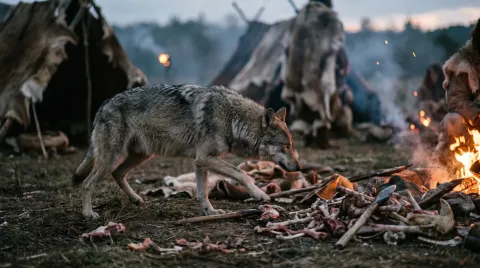
Are dogs and wolves the same species?
Technically yes — a dog is a subspecies of grey wolf, and the two make fertile pups. But a dog is not a tame wolf, and the differences run deeper than looks.
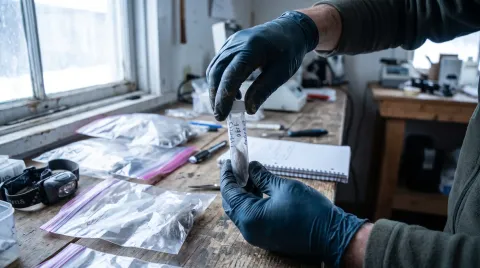
How we know: reading the ancient DNA of dogs and cats
The story of pet origins was rewritten in the last fifteen years — not by new bones, but by pulling readable DNA out of old ones. Here is how that actually works.
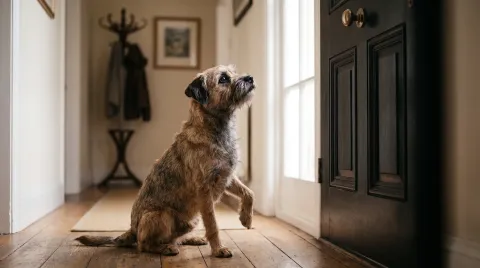
Dog separation anxiety: signs, causes and the fix that works
The chewed door frame isn't revenge — it's panic. How to tell true separation anxiety from boredom, what actually rewires it, and the popular fixes that make it worse.
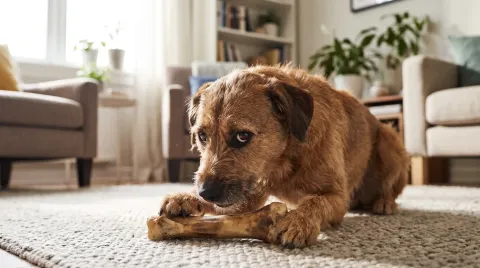
Why is my dog aggressive? Causes and what actually helps
Aggression is communication with the volume turned up — and almost never dominance. The real causes, the warning ladder your dog is climbing, and the fixes that don't remove the warnings.
Why does my dog eat poop? The science and the fix
Coprophagia is common, mostly harmless, and almost never a nutrient cry for help. What the research actually found, when it is a medical flag, and what stops it — spoiler: not pineapple.
Why is my dog peeing in the house? Causes and how to stop it
An adult dog that starts having accidents isn't being defiant — it's giving you a symptom. The medical checklist, the marking-vs-emptying distinction, and the retraining plan that works.