Are dogs and wolves the same species?
A Chihuahua and a grey wolf can, on paper, have puppies together, and those puppies can have puppies of their own. By the usual biological test, that makes them the same species. Yet no one would confuse the two, and a dog raised by wolves does not become a wolf. Here is how both things are true at once, and why the answer matters for how you read your own pet.
By the textbook test, yes
The classic definition of a species is a group that can interbreed and produce fertile offspring. Dogs and grey wolves clear that bar easily: they mate, and their offspring are fertile and can breed on. That is why taxonomists file the domestic dog as Canis lupus familiaris — a subspecies of the grey wolf, Canis lupus, rather than a species of its own. Dogs, wolves, coyotes and golden jackals can all hybridise to varying degrees, which is unusual and tells you how closely related the whole group is.
So at the level of genes and breeding, the dog is a kind of wolf. The wolfdog breeds, like the Czechoslovakian Wolfdog, exist precisely because that cross works. This is also why you will see the dog written as Canis familiaris in some books and Canis lupus familiaris in others — experts genuinely disagree about whether it deserves its own species name, and both are in use.
But your dog did not descend from today’s wolves
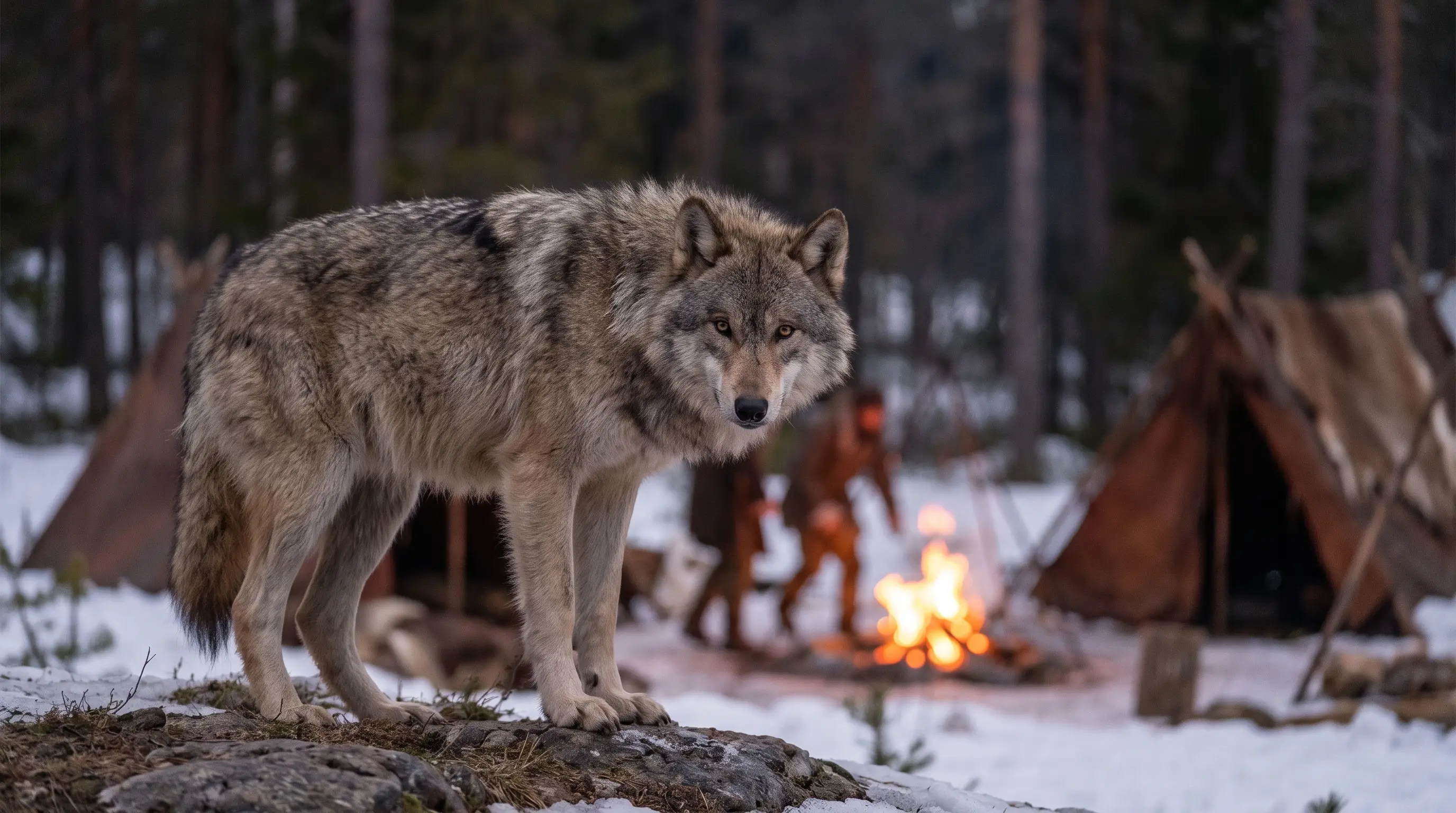
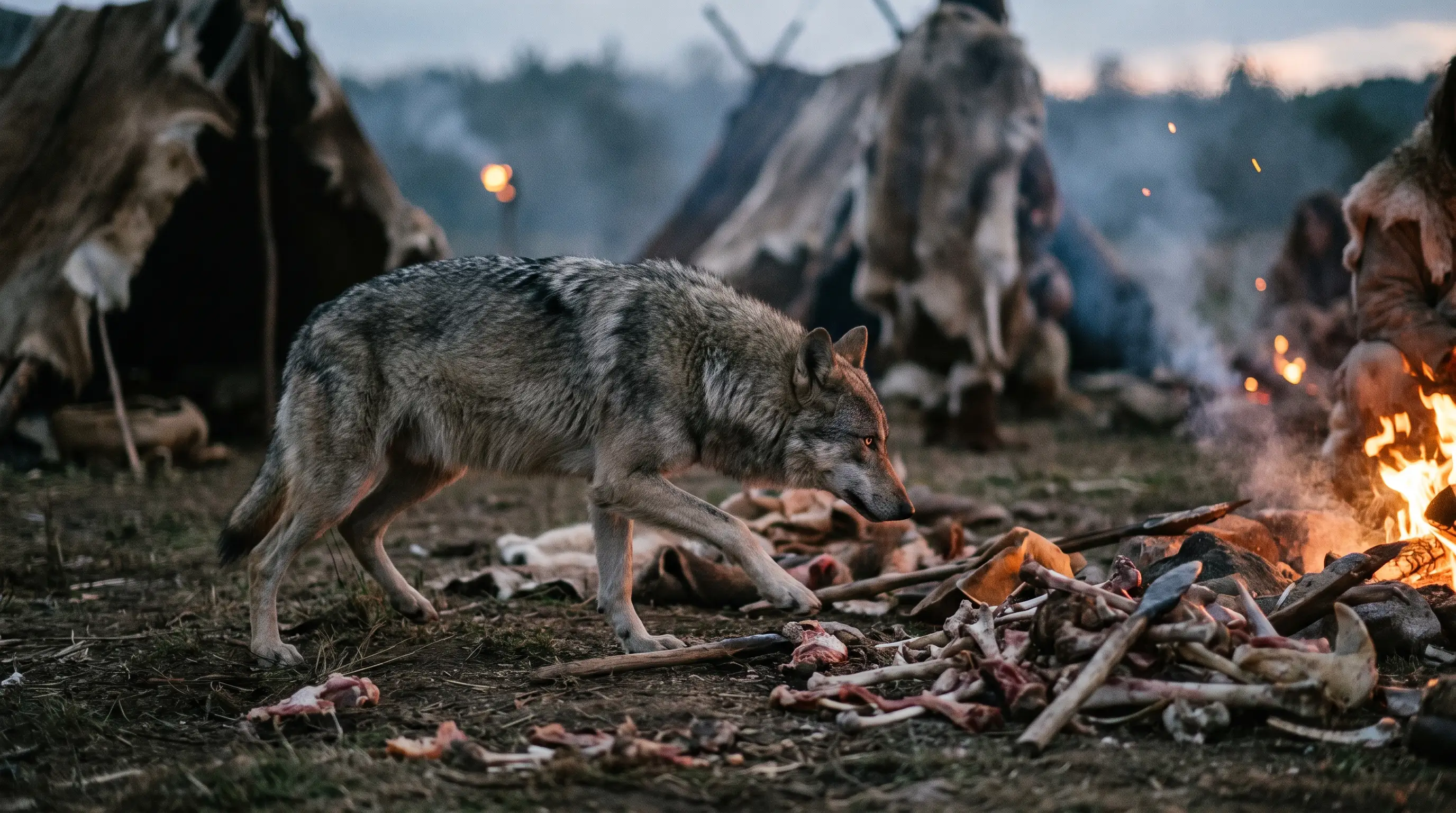
Here is the twist people miss. Dogs are not descended from modern grey wolves. Both descend from a common ancestor — an ancient wolf population that no longer exists — which split into two lines somewhere between roughly 15,000 and 40,000 years ago. The wolf you would see in Yellowstone today is not your dog's grandparent; it is your dog's cousin, evolving on its own branch for just as long. We trace that split in how the wolf became the dog.
That shared-cousin relationship is why comparing a pet dog to a wild wolf to explain behaviour so often goes wrong. The most famous example is the alpha-wolf idea, which was based on captive wolves behaving abnormally and does not describe wild wolf families or pet dogs — the myth we take apart in the truth about wolf packs. A dog is not a wolf with the volume turned down.
The differences that make a dog a dog
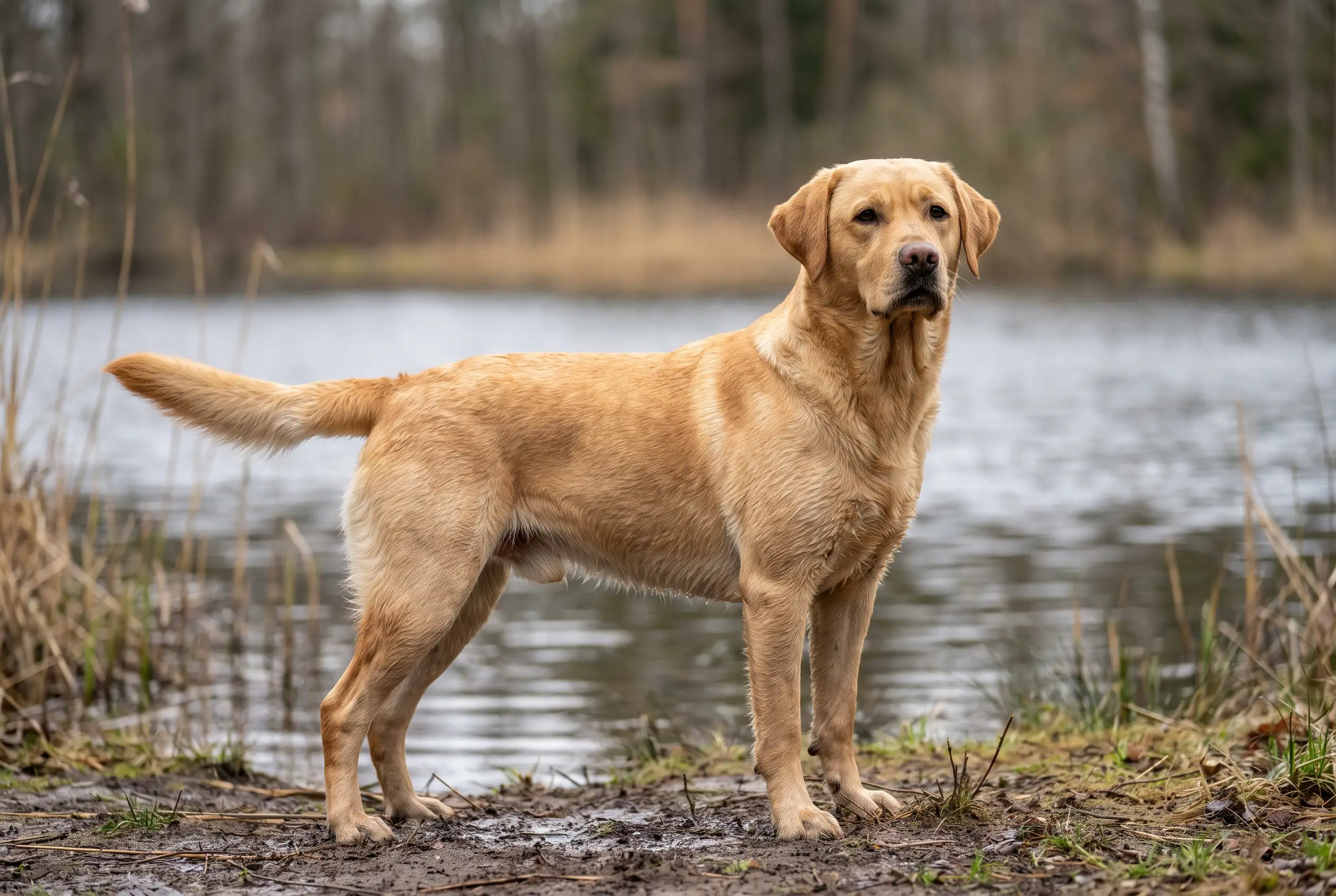
Domestication changed the dog in ways that go beyond a friendlier temperament. The sharpest is social: dogs read human gestures. Point at one of two cups and a dog will reliably check the one you pointed to, a skill human infants share and that even hand-raised wolves are far worse at. Dogs also look to human faces for help when a task gets hard, where a wolf keeps trying to solve it alone. Those are cognitive differences built by living alongside us, not tricks a wolf could pick up over a weekend.
The body changed too. A landmark 2013 study found that dogs carry extra copies of a gene for digesting starch that wolves largely lack, an adaptation to living on the edges of human settlements and eating our scraps. A wolf is built to gorge on meat; a dog is built to thrive on a mixed diet near people. Selection for tameness, as the fox experiment showed, then reshaped the ears, tail and coat on top.
So what should you actually call your pet?
The honest answer is that a dog is a domesticated subspecies of wolf — genetically a wolf, behaviourally and dietarily its own animal. Both halves of that sentence are true, and dropping either one leads you astray. Insisting a dog is "just a wolf" fuels bad training advice about dominance and raw-meat destiny. Insisting a dog is a wholly separate species overlooks why a wolfdog cross is even possible and why the two share so much.
For everyday life, the useful takeaway is that your dog inherited a wolf's body plan and a completely new social mind. It is exquisitely tuned to read you, wired to work with you, and equipped to live on your food. Treat it as the human-adapted animal it became, not the wild one it came from.
Common questions
Are dogs and wolves the same species?
Technically yes. The domestic dog is classified as Canis lupus familiaris, a subspecies of the grey wolf, because the two interbreed and produce fertile offspring. Some scientists still list the dog as its own species, Canis familiaris, so both names are in use.
Can dogs and wolves have babies together?
Yes, and the puppies are fertile and can breed on. This is why wolfdog breeds like the Czechoslovakian Wolfdog exist. Dogs can also hybridise with coyotes and golden jackals, which shows how closely related the whole group is.
Did dogs evolve from modern wolves?
No. Dogs and today's grey wolves both descend from an ancient, now-extinct wolf population, splitting from it somewhere between about 15,000 and 40,000 years ago. Modern wolves are the dog's cousins, not its ancestors, having evolved on their own line for the same span of time.
What is the difference between a dog and a wolf?
Genetically they are almost the same, but domestication gave dogs a new social mind and a different gut. Dogs read human pointing and look to people for help, which hand-raised wolves do poorly, and dogs carry extra starch-digesting genes that let them thrive on a mixed diet near humans.
Is a dog just a tame wolf?
No. A dog inherited a wolf's body plan but evolved new abilities to read and cooperate with humans, and to digest a varied diet. Using wolf behaviour, like the debunked alpha model, to explain pet dogs leads to poor training advice, because a dog is a human-adapted animal, not a subdued wolf.
More in Dogs
What selective breeding actually does to an animal
Choosing which animals have babies is the most powerful force in a pet’s biology. A Soviet fox experiment shows how fast it works — and how much it costs.

How we know: reading the ancient DNA of dogs and cats
The story of pet origins was rewritten in the last fifteen years — not by new bones, but by pulling readable DNA out of old ones. Here is how that actually works.
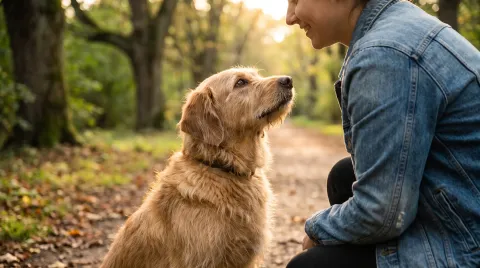
Do dogs love their owners? What the science measured
Yes — and unusually for a question about feelings, we have the receipts: oxytocin loops, attachment tests and brain scans. What dog love is made of, and what it looks like from the sofa.
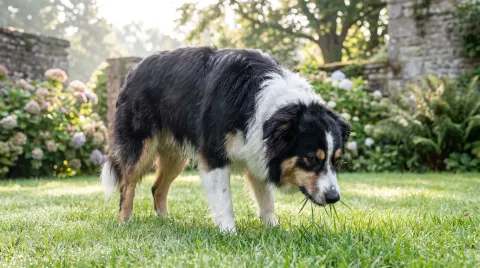
Why do dogs eat grass? The myth, the data, the real risks
It's rarely self-medication and almost never a missing nutrient — the biggest survey ever run on grass-eating dogs retired both stories. What's actually going on, and when to pay attention.
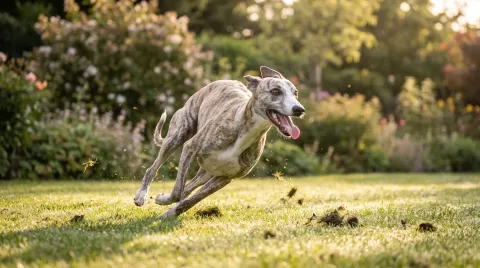
Dog zoomies: why dogs suddenly sprint like maniacs
The tucked tail, the mad loops, the gleeful eyes — zoomies have a scientific name, a set of reliable triggers, and exactly one thing you shouldn't do about them.
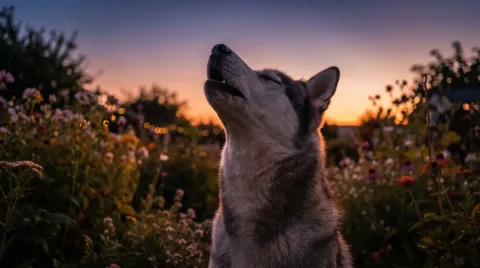
Why do dogs howl? Sirens, solitude and the wolf inside
The howl is long-distance radio inherited from wolves — and no, the siren isn't hurting your dog's ears. What each howl broadcasts, and the one kind that's a message for you.