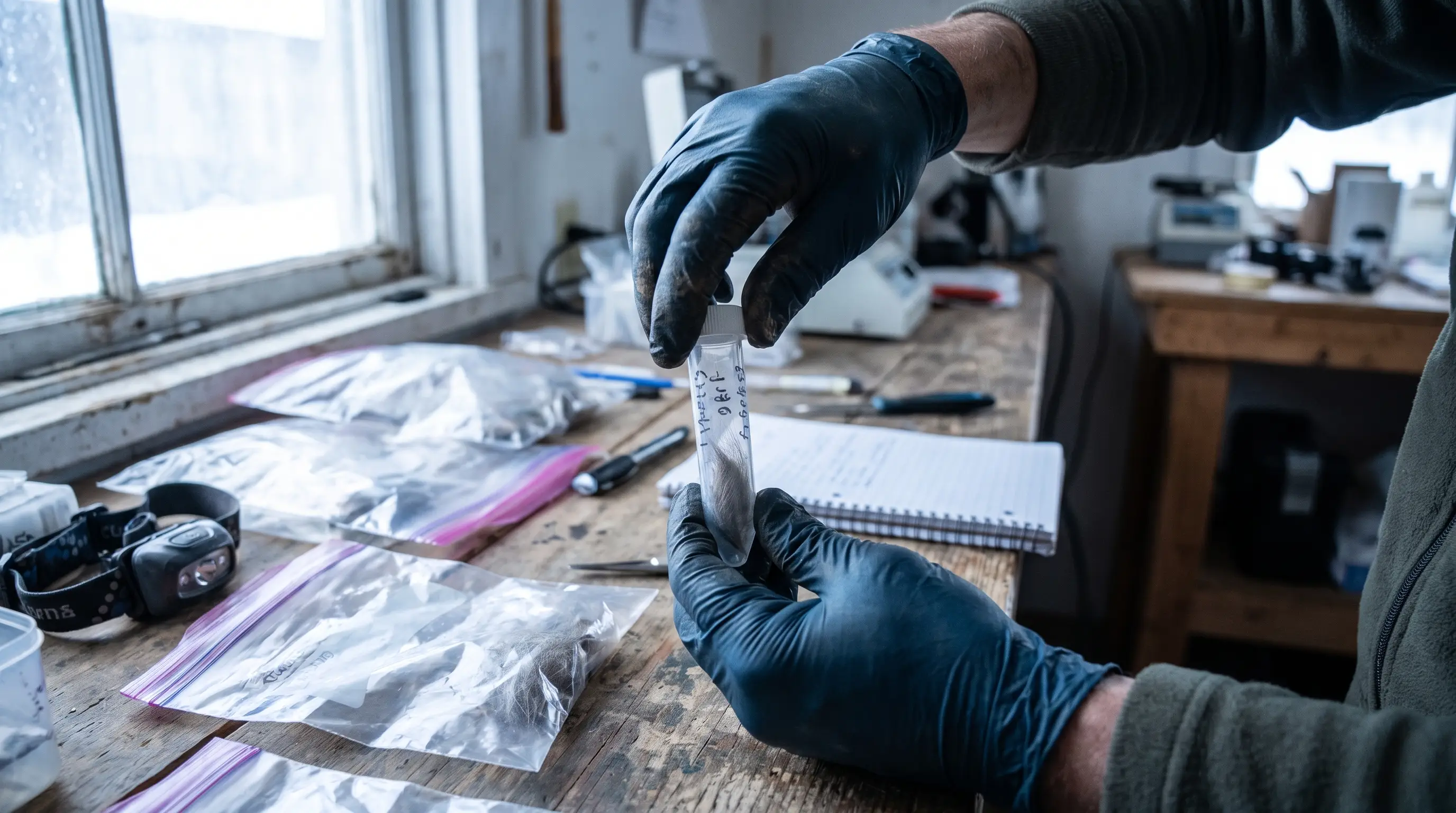
How we know: reading the ancient DNA of dogs and cats
Almost everything on this page about where dogs and cats came from rests on a technology barely older than the smartphone: reading DNA out of ancient bones. It has overturned settled stories and started new arguments, and it comes with real limits. Knowing how the evidence is actually made helps you tell a solid claim about pet origins from a shaky one.
DNA survives in bone, in tiny broken pieces
When an animal dies, its DNA starts to break apart, and after a few thousand years what is left is a jumble of short fragments, contaminated with DNA from soil bacteria and from every human who has handled the bone. For a long time that made ancient genetics nearly hopeless. Two things changed it: high-throughput sequencing, which can read millions of those tiny fragments at once and reassemble them by computer, and the discovery that one bone protects DNA better than any other.
That bone is the petrous, the dense nub of the skull around the inner ear — the hardest bone in the body, and a genetic time capsule. Teeth are the other favourite, sealing DNA inside the root. Sampling those, in a clean-room lab that filters out modern contamination, is what turned ancient DNA from a curiosity into a tool that can read a 10,000-year-old dog.
What it can tell you, and what it cannot
Ancient DNA answers questions bones alone cannot. It can say whether two populations interbred, roughly when two lineages split, which way animals moved across a map, and even what colour an animal's coat was. Pair it with radiocarbon dating on the same bone and you get a genome with a date attached, which is how the timeline of cat domestication and the wolf-to-dog split were pinned down.
What it cannot do is settle everything. Molecular-clock dates come with wide error bars, so you will see the dog-wolf split quoted as a broad range rather than a year. Behaviour and tameness do not fossilise, so genes cannot tell you when an animal became friendly, only when its body changed. And a genome is a sample of one individual; a single ancient dog does not speak for its whole population. The honest studies say all of this out loud.
The Newgrange dog and the argument it started

A single bone can rewrite the field, or at least shake it. In 2016, a team led by Laurent Frantz sequenced a 4,800-year-old dog from Newgrange in Ireland, whose petrous bone had preserved an unusually complete genome. Comparing it with modern and ancient dogs, they proposed something startling: that dogs might have been domesticated twice, once in the East and once in the West, from separate wolf populations that later mixed.
That dual-origin idea is not settled — other researchers read the same and newer data as a single domestication with later movement and mixing, and the debate is still live. That is the point. Ancient DNA does not hand down verdicts from on high; it produces evidence that scientists argue over, revise and sometimes overturn. A confident, tidy story about exactly where and when dogs were domesticated is usually a sign someone is simplifying.
Why this changes how you read origin stories
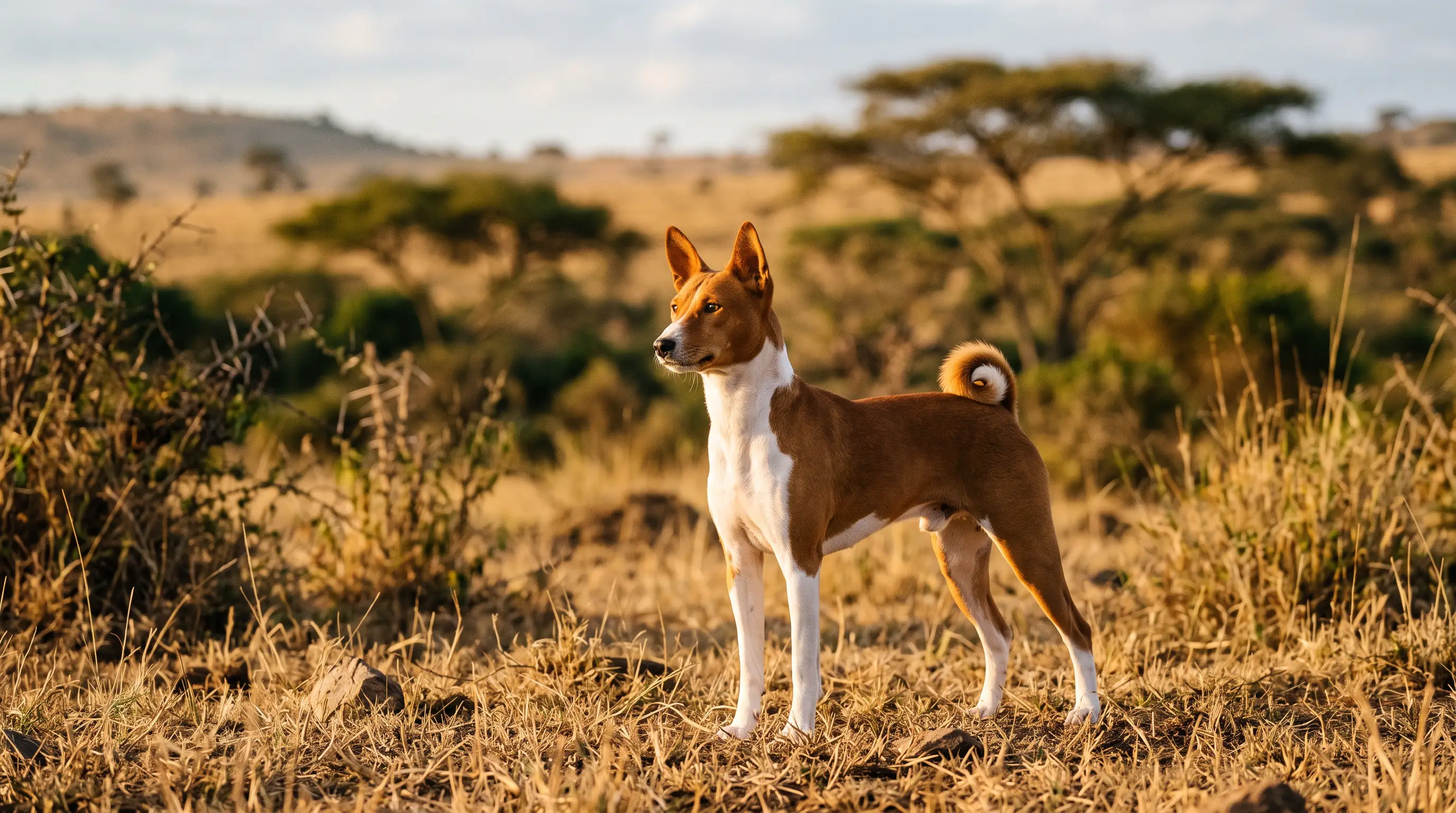
The ancient-DNA revolution has a practical lesson for anyone reading about pets. Claims about origins now have a currency you can check: is there sequenced DNA behind this, from dated bones, published and argued over? The strongest recent findings — that all cats trace to one Near Eastern wildcat, that the oldest dog lineages are working sled dogs rather than fashionable breeds, that "ancient" breeds are mostly not as old as the marketing says — all rest on this evidence.
It also means the story is not finished. Every year, a few more old bones give up their genomes, and the picture sharpens or shifts. Treat pet-origin dates as our current best reading of the DNA, not as folklore and not as final. That is exactly how the scientists who produce them treat it.
Common questions
How do scientists get DNA from ancient animal bones?
They extract tiny surviving DNA fragments, usually from the dense petrous bone of the skull or from teeth, which protect genetic material best. High-throughput sequencing reads millions of fragments at once and reassembles them by computer, all in a clean lab that filters out modern contamination.
What can ancient DNA tell us about dogs and cats?
It can show whether populations interbred, roughly when lineages split, how animals moved across regions, and even coat colour. Paired with radiocarbon dating on the same bone, it gives a genome with a date, which is how the timelines of cat domestication and the dog-wolf split were established.
What was the Newgrange dog?
A 4,800-year-old dog from Newgrange in Ireland whose well-preserved bone yielded a near-complete genome in 2016. The study controversially proposed that dogs may have been domesticated twice, in the East and West, an idea that is still debated rather than settled.
Can ancient DNA tell us when animals became tame?
No. Tameness and behaviour do not fossilise, so DNA can date when an animal's body changed but not when it became friendly toward people. Molecular dates also carry wide error bars, which is why origin timelines are given as ranges rather than exact years.
Why do pet origin dates keep changing?
Because each newly sequenced ancient genome can sharpen or overturn the picture, and scientists actively debate the results. Ancient DNA produces evidence to argue over, not final verdicts, so the best current dates are our reading of the available bones — and they update as more are found.
More in Dogs
What selective breeding actually does to an animal
Choosing which animals have babies is the most powerful force in a pet’s biology. A Soviet fox experiment shows how fast it works — and how much it costs.
Are dogs and wolves the same species?
Technically yes — a dog is a subspecies of grey wolf, and the two make fertile pups. But a dog is not a tame wolf, and the differences run deeper than looks.
Dog separation anxiety: signs, causes and the fix that works
The chewed door frame isn't revenge — it's panic. How to tell true separation anxiety from boredom, what actually rewires it, and the popular fixes that make it worse.
Why is my dog aggressive? Causes and what actually helps
Aggression is communication with the volume turned up — and almost never dominance. The real causes, the warning ladder your dog is climbing, and the fixes that don't remove the warnings.
Why does my dog eat poop? The science and the fix
Coprophagia is common, mostly harmless, and almost never a nutrient cry for help. What the research actually found, when it is a medical flag, and what stops it — spoiler: not pineapple.
Why is my dog peeing in the house? Causes and how to stop it
An adult dog that starts having accidents isn't being defiant — it's giving you a symptom. The medical checklist, the marking-vs-emptying distinction, and the retraining plan that works.