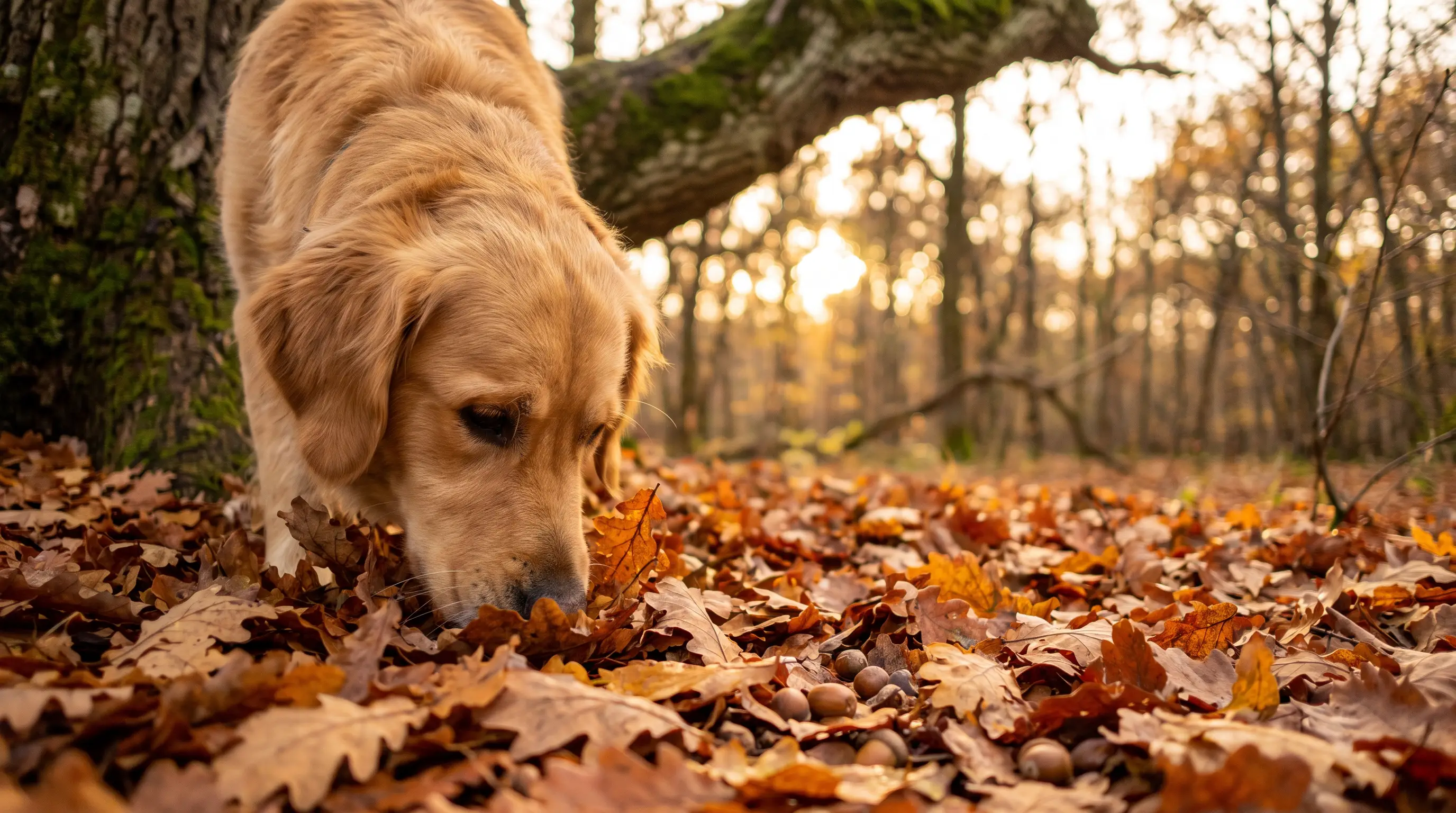
Autumn dangers for dogs: acorns, conkers and mushrooms
Autumn is a scavenging season, and the ground fills up with things a dog should not eat. Acorns, conkers and wild mushrooms are the three big ones, all newly underfoot and all a problem if your dog hoovers them up on a walk — and behind them sit rat bait, fermenting windfall fruit and darker evenings. None of this means keeping your dog indoors until spring. It means knowing what the hazards are, spotting trouble early, and having your vet's number to hand. Here is the autumn list.
Acorns and oak leaves
Acorns are the classic autumn hazard because they carry tannins, compounds that irritate a dog's gut and, in larger amounts, can strain the liver and kidneys. A dog that crunches one or two on a walk usually gets away with a stomach upset; a dog that gorges on a pile under an oak, or swallows them whole, is the one at real risk — both from the toxins and from a hard little acorn lodging in the gut as a blockage.
The signs to watch for are vomiting, diarrhoea, drooling, going off food, a painful or bloated belly, and unusual tiredness. If your dog has eaten several acorns, or shows any of those signs after nosing around under oaks, call your vet rather than waiting to see how it plays out. Prevention is mostly management: keep dogs that scavenge on a lead through oak woods in autumn, and interrupt the head-down hoovering before it starts.
Conkers and horse chestnuts
Conkers — the seeds of the horse chestnut — are a mainly northern European problem, and they are dangerous in two separate ways. They contain a toxin called aesculin, found throughout the tree and its seeds, which upsets the gut and can affect coordination; and their size and shape make them a genuine choking and blockage risk, particularly for dogs that like to carry or chew them.
A dog that has chewed or swallowed a conker may drool, vomit, seem wobbly or uncomfortable, or retch and struggle if one is stuck. Because the blockage risk is real, this is another "call the vet" situation rather than a wait-and-see one, especially in a smaller dog. The simplest fix is not to let conkers become toys: they look like fun to throw, but a dog that plays with them is a dog that eventually bites one in half.
Wild mushrooms — assume the worst
Most wild mushrooms a dog might find are harmless, but a small number are deadly, and here is the problem: you cannot reliably tell which is which, and neither can most experts without a close look. Some of the worst, like the aptly named death cap, can cause fatal liver failure, and their most dangerous trick is timing — a dog can seem completely fine for hours after eating one, then crash badly once the damage is done.
Because of that delay, the safe rule is to treat any wild mushroom your dog eats as an emergency from the moment you notice, not from the moment symptoms appear. If you can, photograph the mushroom or bag a piece to help the vet, then phone straight away — do not wait for vomiting or wobbliness to start. Damp autumn weather brings mushrooms up overnight in lawns, woods and parks, so it is worth a quick scan of your own garden through the season too.
The season's other tricks
A few more autumn hazards are worth a line each. Rodents move indoors as it cools, so more people put down rat and mouse bait — anticoagulant poisons that are just as lethal to a dog that finds them, and a same-day emergency if eaten, because the effects are delayed and serious. Windfall apples and other fruit ferment on the ground, and fermenting fruit means alcohol, which dogs handle badly. And the fireworks around this time of year are less a poison than a fear problem, but a frightened dog that bolts is its own kind of danger.
The thread through all of it is scavenging on darker, wetter walks where you can see less. The single habit that prevents most autumn trouble is a dog that will leave things on cue and come back when called — worth practising before you need it, through our guides to recall and to the everyday foods that are toxic to dogs. For the whole year at a glance, see the pet danger calendar.
Common questions
Are acorns poisonous to dogs?
Yes. Acorns and oak leaves contain tannins that irritate a dog's stomach and, in larger amounts, can affect the liver and kidneys, while whole acorns can also cause a gut blockage. A dog that eats one or two usually just gets an upset stomach, but one that eats a lot, or swallows them whole, is at real risk. Watch for vomiting, diarrhoea, drooling, appetite loss and tiredness, and call your vet if any appear.
Are conkers poisonous to dogs?
Yes. Conkers, the seeds of the horse chestnut, contain a toxin called aesculin that upsets the gut and can affect coordination, and their size makes them a choking and blockage hazard too. A dog that has chewed or swallowed one may drool, vomit or seem wobbly or uncomfortable. Because of the blockage risk, contact your vet rather than waiting, especially with a small dog, and don't let dogs play with conkers.
What should I do if my dog eats a wild mushroom?
Treat it as an emergency straight away, without waiting for symptoms. Most wild mushrooms are harmless, but a few are deadly and you cannot reliably tell them apart, and the most dangerous ones can leave a dog seeming fine for hours before serious liver damage shows. Photograph the mushroom or bag a piece if you can, then phone your vet immediately rather than waiting to see what happens.
What autumn foods and plants are dangerous for dogs?
The main autumn hazards on the ground are acorns and oak leaves, conkers, and wild mushrooms, all of which a scavenging dog may eat on a walk. Add rat and mouse bait, which people put down more as rodents move indoors, and fermenting windfall fruit, which contains alcohol. Keeping dogs from hoovering up things on autumn walks prevents most of these problems.
How do I keep my dog safe in autumn?
Keep scavenging dogs on a lead through oak woods and mushroom-prone areas, don't let conkers become toys, and store any rodent bait where a dog cannot reach it. Practise a reliable 'leave it' and recall so you can call your dog off something before it eats it. Walk in enough light to see what your dog is sniffing, and keep your vet's emergency number to hand.
More in Dogs
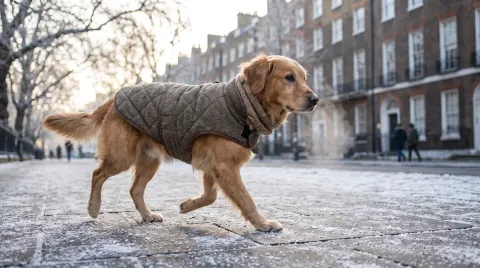
Winter pet dangers: antifreeze, road salt and chocolate season
Antifreeze is the winter emergency — sweet, deadly and quick. Plus gritted-salt paws, the festive-food gauntlet and cats sheltering in warm car engines. What to watch and when it's urgent.
The pet danger calendar: what to watch, month by month
Most pet hazards are seasonal and many are regional. Here's the year mapped out — when heatstroke, grass seeds, processionary caterpillars, antifreeze and the rest actually peak, and which ones your area even has.
Snake bites in dogs: first aid, symptoms and prevention
A calm, fast response is what actually saves a bitten dog. What to do in the first minutes, the myths that cost time, and which snakes matter across Europe.
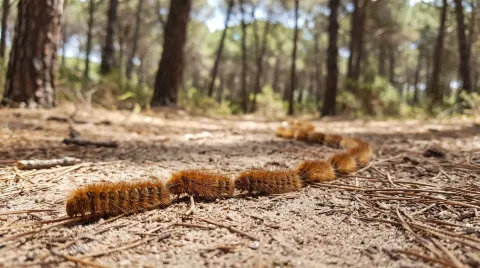
Processionary caterpillars: an emergency for dogs
The caterpillar that can cost a dog part of its tongue, why the first six hours decide the outcome, and how to stay clear of it in season.
Sandflies and leishmaniasis: what protects a dog
The insect you never hear, the disease it carries, and the reason your flea and tick product is probably not covering it.
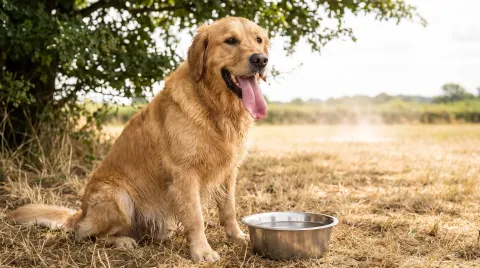
Dog heatstroke: signs, first aid and prevention
Dogs cool themselves by panting, not sweating, so summer heat overwhelms them fast. Here's how to spot heatstroke and act in the minutes that matter.