Winter pet dangers: antifreeze, road salt and chocolate season
Winter's dangers are quieter than summer's but at least one of them is faster. Antifreeze is sweet, widely spilled and lethal in tiny amounts, and it is the reason to know your emergency vet's number before December. Around it sit gritted-salt paws, a festive kitchen full of things pets should not eat, and cats crawling into warm car engines to escape the cold. None of it needs to ruin the season. It needs you to spot the emergency fast and keep the rest boring.
Antifreeze is the winter emergency
Antifreeze is the single most dangerous thing in a normal winter. It contains ethylene glycol, which tastes sweet and appeals to both cats and dogs, and even a very small amount can cause fatal kidney failure. Cats are especially at risk because they are small, they groom spills off their paws and coats, and they wander across the driveways and garages where it leaks and gets topped up.
Speed is everything with antifreeze, because treatment only works if it starts early, often before an owner realises anything is wrong. The early signs look like drunkenness — a wobbly, disoriented, unsteady pet — and are easy to miss or dismiss; vomiting and then the signs of kidney failure follow. If there is any chance your cat or dog has licked, walked through or drunk antifreeze, treat it as a drop-everything emergency and get to a vet immediately rather than watching for it to worsen. Prevent it by wiping up spills at once, storing containers sealed and out of reach, and choosing the pet-safer products based on propylene glycol where you can.
Road salt and grit
The salt and grit spread to melt ice is hard on paws. It irritates and dries the pads, works into the cracks and stings, and clumps of ice and salt catch between the toes — which is why a dog may suddenly stop and lift a paw on a gritted pavement. The bigger worry is that dogs then lick it off, and swallowing a quantity of de-icing salt can make a pet genuinely unwell, with vomiting and a strong thirst.
The fix is simple maintenance. Wipe or rinse your dog's paws and belly after every winter walk to get the salt off before it is licked, and check between the toes for packed ice. A paw balm before you go out gives some protection, and boots work well for dogs that tolerate them. If your dog seems to have swallowed a lot of salt, or is vomiting and drinking excessively after a gritted walk, call your vet.
The festive food gauntlet
The winter holidays put a season's worth of toxic food within nose reach at once. Chocolate is the famous one, and advent calendars and wrapped gifts under a tree are chocolate a dog can smell and reach. Just as dangerous are the dried grapes — raisins, sultanas and currants — packed into mince pies, Christmas pudding and stollen, which can trigger kidney failure, and the xylitol sweetener in sugar-free sweets and gum. Add onions and their relatives in stuffing and leftovers, cooked bones that splinter, and alcohol left within reach.
You do not need to memorise a toxic dose; you need to keep the food out of reach and act quickly if it fails. If your pet gets into chocolate, festive baking or any of the above, note what it was and roughly how much, and phone your vet for advice — the sooner the better. Our fuller guides to the foods toxic to dogs and to cats cover which items matter most.
Cold, and the cat in the engine
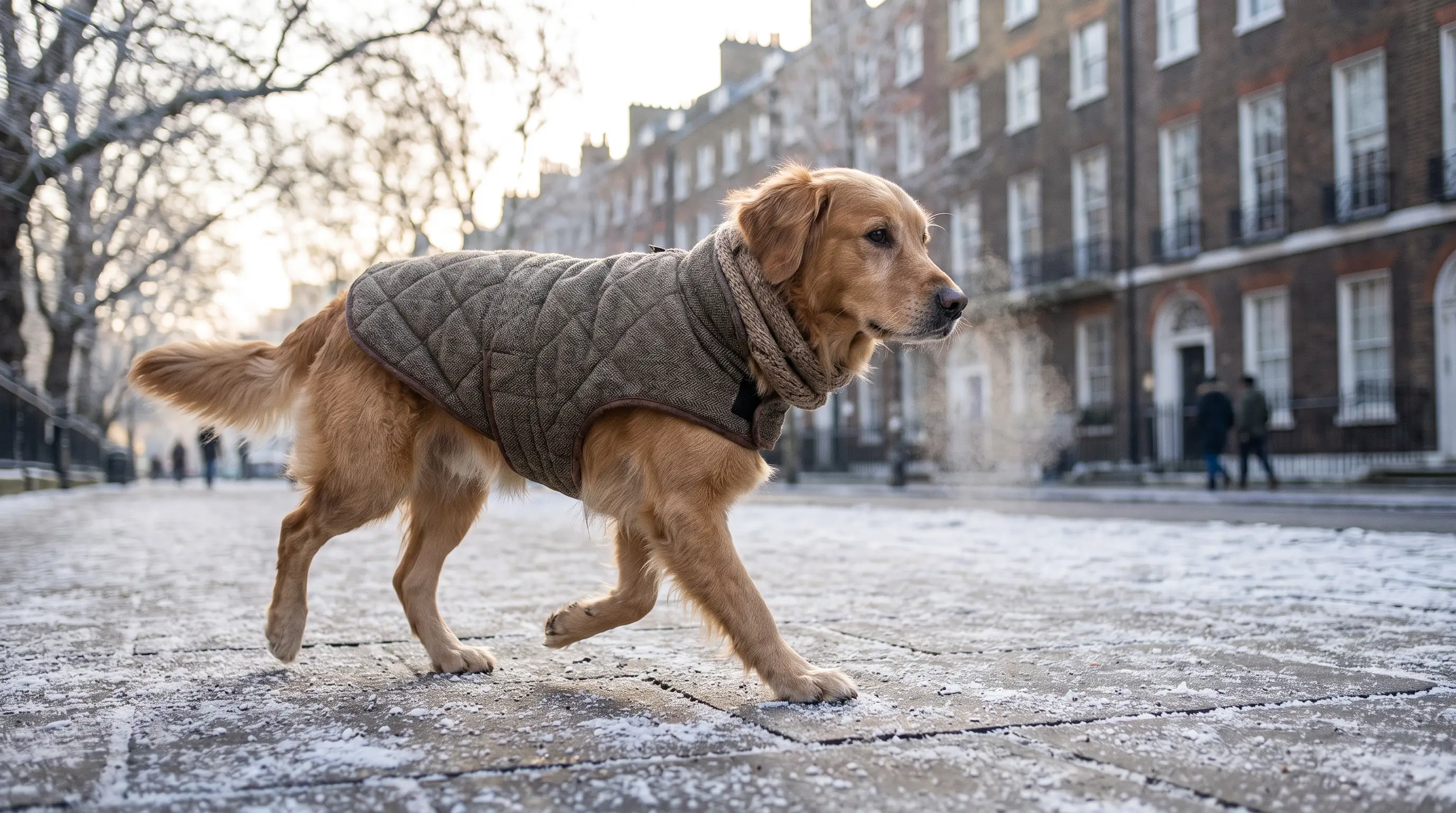
Cold itself is a danger for the vulnerable: small, thin-coated, very young, elderly or unwell dogs and cats lose heat fast, and shivering, slowing down, and cold ears and paws are the signs to bring a pet indoors and warm it gently. A winter coat is practical, not pampering, for the dogs that need one, and outdoor time should be shorter when it is bitter.
There is one winter danger unique to cats and worth spelling out. Cats seeking warmth climb into the engine bays and wheel arches of parked cars, and are then injured or killed when the engine starts. Before you drive off on a cold morning, bang on the bonnet or give the horn a quick press to send any sheltering cat running. It costs two seconds and it is the kind of thing you only learn about the hard way. For the whole year of hazards, see the pet danger calendar.
Common questions
Why is antifreeze so dangerous to pets?
Antifreeze contains ethylene glycol, which tastes sweet and attracts cats and dogs, yet even a very small amount can cause fatal kidney failure. Cats are especially vulnerable because they groom spills off their fur and roam where it leaks. Treatment only works if it starts early, often before obvious symptoms, so any suspected contact with antifreeze is an immediate emergency — get to a vet at once rather than waiting.
What are the signs of antifreeze poisoning?
The earliest sign is a pet that seems drunk — wobbly, disoriented and unsteady — which is easy to miss or dismiss. Vomiting follows, and then the signs of kidney failure, by which point treatment is far less likely to work. Because the early window is short and easy to overlook, don't wait to be sure: if antifreeze contact is possible at all, treat it as an emergency and see a vet straight away.
Is road salt harmful to dogs?
Yes, in two ways. De-icing salt irritates and dries the paw pads and stings any cracks, and dogs that lick it off can become unwell from swallowing it, with vomiting and excessive thirst. Wipe or rinse your dog's paws and belly after gritted walks, check between the toes for packed ice and salt, and consider a paw balm or boots. Call your vet if your dog swallows a lot of salt or is vomiting afterwards.
What Christmas foods are dangerous for dogs and cats?
The festive hazards include chocolate, dried grapes (raisins, sultanas and currants in mince pies, Christmas pudding and stollen), the sweetener xylitol in sugar-free sweets and gum, onions and their relatives in stuffing, cooked bones, and alcohol. Keep all of it out of reach. If your pet gets into any, note what and roughly how much, and phone your vet promptly rather than waiting for symptoms.
Why should I check my car before starting it in winter?
Because cats climb into warm engine bays and wheel arches to shelter from the cold and can be badly injured or killed when the engine starts. On cold mornings, bang on the bonnet or give the horn a quick press before you drive off, to startle any sheltering cat into running clear. It takes two seconds and prevents a tragedy that owners usually only hear about after it happens.
More in Dogs
Autumn dangers for dogs: acorns, conkers and mushrooms
Autumn puts three scavenging hazards on the ground — acorns, conkers and wild mushrooms — plus rat bait and fermenting fruit. What's toxic, what the warning signs are, and when to call the vet.
The pet danger calendar: what to watch, month by month
Most pet hazards are seasonal and many are regional. Here's the year mapped out — when heatstroke, grass seeds, processionary caterpillars, antifreeze and the rest actually peak, and which ones your area even has.

Snake bites in dogs: first aid, symptoms and prevention
A calm, fast response is what actually saves a bitten dog. What to do in the first minutes, the myths that cost time, and which snakes matter across Europe.
Processionary caterpillars: an emergency for dogs
The caterpillar that can cost a dog part of its tongue, why the first six hours decide the outcome, and how to stay clear of it in season.

Sandflies and leishmaniasis: what protects a dog
The insect you never hear, the disease it carries, and the reason your flea and tick product is probably not covering it.
Dog heatstroke: signs, first aid and prevention
Dogs cool themselves by panting, not sweating, so summer heat overwhelms them fast. Here's how to spot heatstroke and act in the minutes that matter.