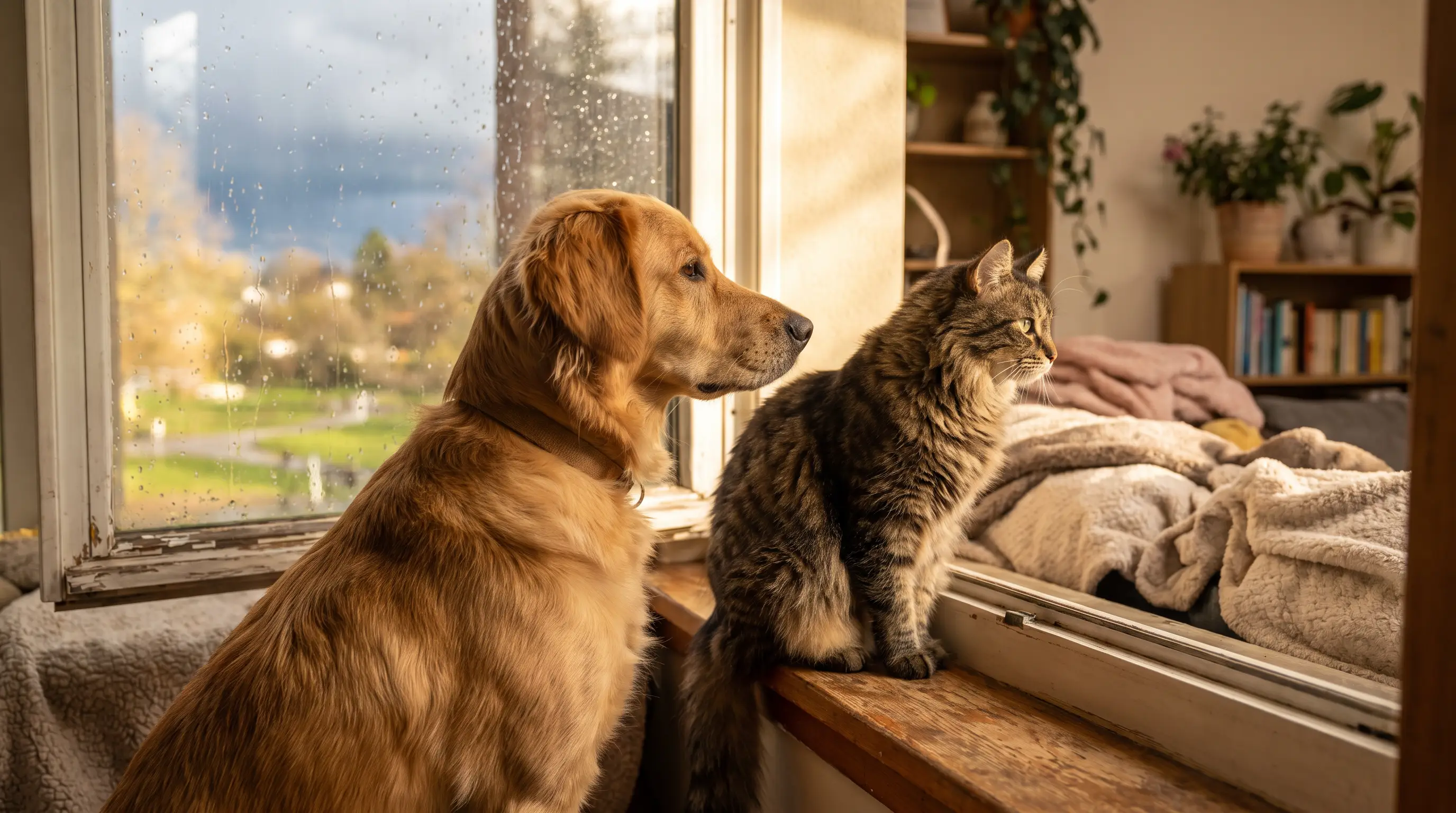
The pet danger calendar: what to watch, month by month
Almost every danger to a cat or dog has a season, and many have a region too. Grass seeds do not appear in January; antifreeze is a winter problem; processionary caterpillars are a spring hazard in Italy and Spain but unheard of in Scotland. This calendar maps the year so you know what is coming and, just as usefully, which threats your own area actually has. Use it to stay a step ahead, and treat the two rules at the end as the ones that cover every month.
How to use this calendar — season and region
Two things shape when a hazard matters: the season and where you live. The seasonal part is straightforward — heat peaks in summer, antifreeze in winter — and the calendar below walks through it. The regional part is easy to forget. Some of the nastiest hazards are Mediterranean: processionary caterpillars and the sandflies that spread leishmaniasis are a serious concern in Italy, Spain and southern France and a non-issue much further north.
Others invert that. Conkers are a northern European autumn problem; antifreeze and chocolate are universal. So read this calendar for the season, then filter it for your own map — if you live where a hazard does not occur, cross it off, and pay closer attention to the ones that do. The point is not to worry about all of it everywhere, but to know which few things to watch in your own patch at this time of year.
Spring (March–May)
Spring wakes up the seasonal hazards. In the Mediterranean, this is processionary caterpillar season — the single most urgent spring danger where they occur, capable of serious harm to a dog that so much as sniffs their nest-strung trees — and the start of sandfly activity that carries leishmaniasis, the cue to get prevention in place before summer.
More widely, grass and its seeds start growing, fleas and ticks wake with the warmth, and spring cleaning brings cleaning chemicals within reach. In many regions snakes become active again on warm days. And the spring holidays bring Easter chocolate into the house. It is a busy season precisely because everything is starting at once.
Summer (June–August)
Summer is the season of heat and physical hazards. Heatstroke is the one that kills fastest — think mid-day walks, hot pavement and, above all, parked cars — and it deserves the top of the summer list everywhere. Alongside it, grass seeds reach their peak, working into paws, ears and noses from long summer grass.
The rest of the summer list is a mix. Ticks and fleas hit their high point; water brings both drowning risk and blue-green algae on still lakes in hot spells; barbecues put cooked bones, skewers and fatty scraps within reach; and in the Mediterranean the sandflies carrying leishmaniasis are at their most active. Summer rewards early-morning and late-evening routines over the heat of the day.
Autumn (September–November)
Autumn moves the danger to the ground. This is the season of acorns, conkers and wild mushrooms, all newly underfoot for a scavenging dog, with wild mushrooms the most serious because a few are deadly and none can be safely identified on sight. Damp weather brings them up overnight.
Two more things arrive with the cooler weather. Rodents move indoors, so more rat and mouse bait goes down — an anticoagulant poison that is an emergency if a pet finds it — and firework season begins, which is a fear-and-bolting problem more than a poisoning one but a real danger to a panicked animal. The shortening evenings also mean darker walks where a dog scavenges out of sight.
Winter (December–February)
Winter's headline hazard is antifreeze: sweet, widely spilled on driveways and garages, and lethal in tiny amounts, especially to cats. It is the fastest-moving emergency of the cold months and the reason to know your out-of-hours vet before December. Road salt and grit irritate and get licked off paws through the same season.
The winter holidays then stack the toxic-food risks — chocolate, dried grapes in festive baking, xylitol, onions and alcohol — into a few weeks within nose reach. Cold itself threatens the small, old and thin-coated, and cats climb into warm car engines, so a bang on the bonnet before you start the car becomes a winter habit. A quiet winter is a well-managed one.
The two rules that cover every season
Whatever the month, two habits do most of the work. The first is a dog that will leave something on cue and come back when called, because nearly every hazard on this calendar starts with a pet eating, licking or chasing something it should not — and a reliable recall and "leave it" is what stops that in the second before it happens.
The second is having your vet's number, and your nearest out-of-hours emergency vet's number, saved before you need them. Several dangers here — antifreeze, wild mushrooms, rat bait — are races against time where minutes matter and the early signs are easy to miss, so knowing exactly who to call, and calling early rather than waiting for symptoms to worsen, is the difference. Watch the season, filter for your region, and keep those two things in place, and the rest is just paying attention on the walk.
Common questions
What are the most dangerous times of year for pets?
Every season has its hazards. Summer brings heatstroke and grass seeds; autumn brings acorns, conkers and wild mushrooms; winter brings antifreeze, road salt and festive foods; and spring brings grass seeds, ticks and, in the Mediterranean, processionary caterpillars and sandflies. Which matter most depends on where you live, so it helps to map the seasonal hazards against your own region.
Are pet dangers different depending on where I live?
Yes, strongly. Some of the worst hazards are regional: processionary caterpillars and the sandflies that spread leishmaniasis are serious in Italy, Spain and southern France but absent much further north, while conkers are a northern European autumn problem. Others, like antifreeze and chocolate, are universal. Read a seasonal calendar for timing, then filter it for the threats your own area actually has.
What is the most dangerous season for dogs?
There isn't a single one — the dangers just change. Summer heatstroke kills fastest and is the most acute warm-weather risk, while winter antifreeze is the fastest-moving cold-weather emergency. Autumn's scavenging hazards and spring's parasites and caterpillars each have their own peak. The safest approach is to know which few hazards belong to the current season and your region, rather than ranking the seasons.
When are grass seeds and ticks a problem for dogs?
Grass seeds and ticks are mainly late-spring and summer hazards. Grass seeds ripen and work into paws, ears and noses from long grass through the warmer months, peaking in summer, and fleas and ticks become active in spring and hit their high point in summer. Checking your dog over after walks through long grass, from spring through autumn, catches most of both.
How can I keep my pet safe all year round?
Learn which hazards belong to each season and which occur in your region, so you know what to watch for now. Two habits then cover most of it: teach a reliable recall and 'leave it', since most hazards start with a pet eating or chasing something, and save your vet's and nearest emergency vet's numbers before you need them. For several dangers, calling early rather than waiting for symptoms is what matters most.
More in Dogs
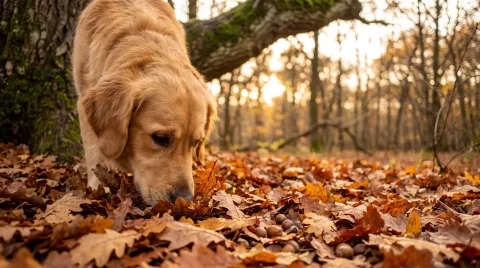
Autumn dangers for dogs: acorns, conkers and mushrooms
Autumn puts three scavenging hazards on the ground — acorns, conkers and wild mushrooms — plus rat bait and fermenting fruit. What's toxic, what the warning signs are, and when to call the vet.
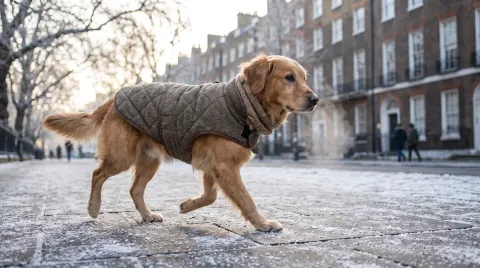
Winter pet dangers: antifreeze, road salt and chocolate season
Antifreeze is the winter emergency — sweet, deadly and quick. Plus gritted-salt paws, the festive-food gauntlet and cats sheltering in warm car engines. What to watch and when it's urgent.

Snake bites in dogs: first aid, symptoms and prevention
A calm, fast response is what actually saves a bitten dog. What to do in the first minutes, the myths that cost time, and which snakes matter across Europe.
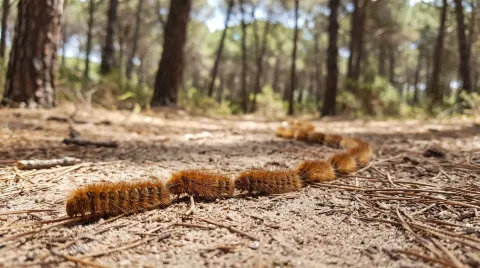
Processionary caterpillars: an emergency for dogs
The caterpillar that can cost a dog part of its tongue, why the first six hours decide the outcome, and how to stay clear of it in season.

Sandflies and leishmaniasis: what protects a dog
The insect you never hear, the disease it carries, and the reason your flea and tick product is probably not covering it.
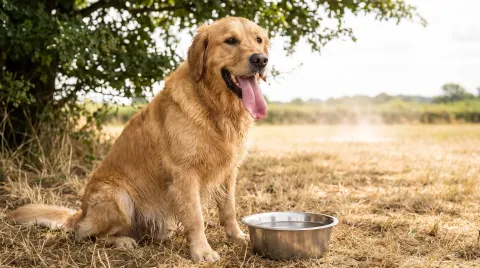
Dog heatstroke: signs, first aid and prevention
Dogs cool themselves by panting, not sweating, so summer heat overwhelms them fast. Here's how to spot heatstroke and act in the minutes that matter.