Seasonal and regional pet hazards
Almost every danger to a cat or dog has a season, and many have a region. Heatstroke in summer, acorns and mushrooms in autumn, antifreeze in winter, processionary caterpillars in a Mediterranean spring — mapped out so you know what to watch, and when.
Start here
Everything in this collection
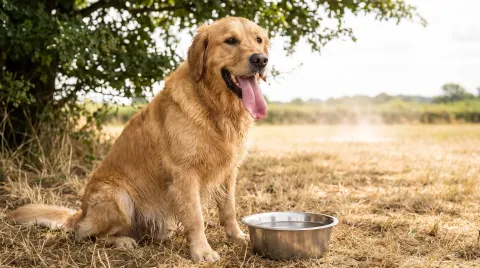
Dog heatstroke: signs, first aid and prevention
Dogs cool themselves by panting, not sweating, so summer heat overwhelms them fast. Here's how to spot heatstroke and act in the minutes that matter.
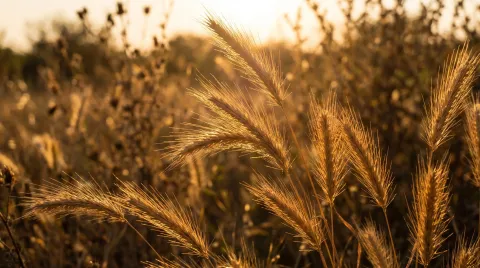
Foxtails: the summer grass seed that burrows into pets
Foxtail grass seeds catch in fur and travel one way—inward. Here's how to spot them on a cat or dog, and stop them.
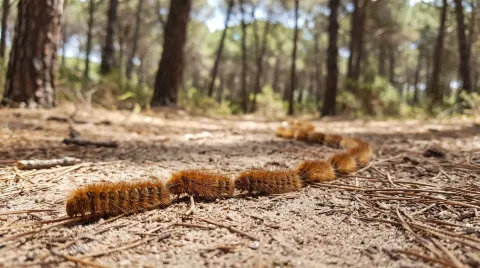
Processionary caterpillars: an emergency for dogs
The caterpillar that can cost a dog part of its tongue, why the first six hours decide the outcome, and how to stay clear of it in season.
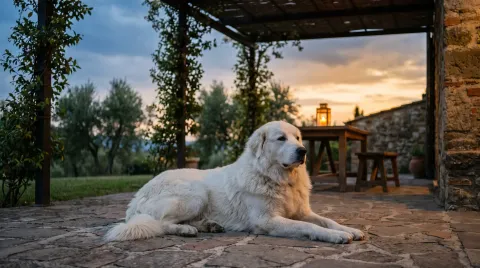
Sandflies and leishmaniasis: what protects a dog
The insect you never hear, the disease it carries, and the reason your flea and tick product is probably not covering it.
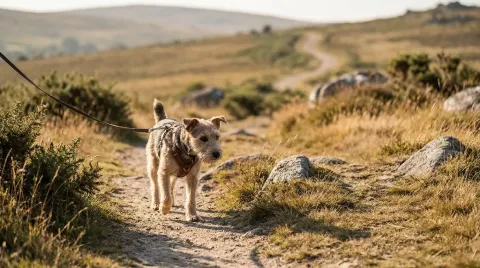
Snake bites in dogs: first aid, symptoms and prevention
A calm, fast response is what actually saves a bitten dog. What to do in the first minutes, the myths that cost time, and which snakes matter across Europe.
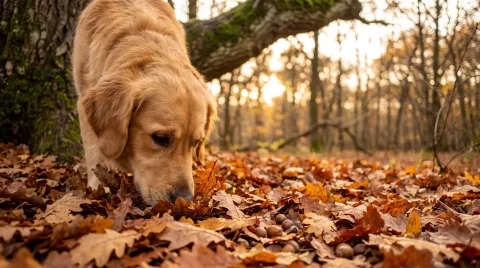
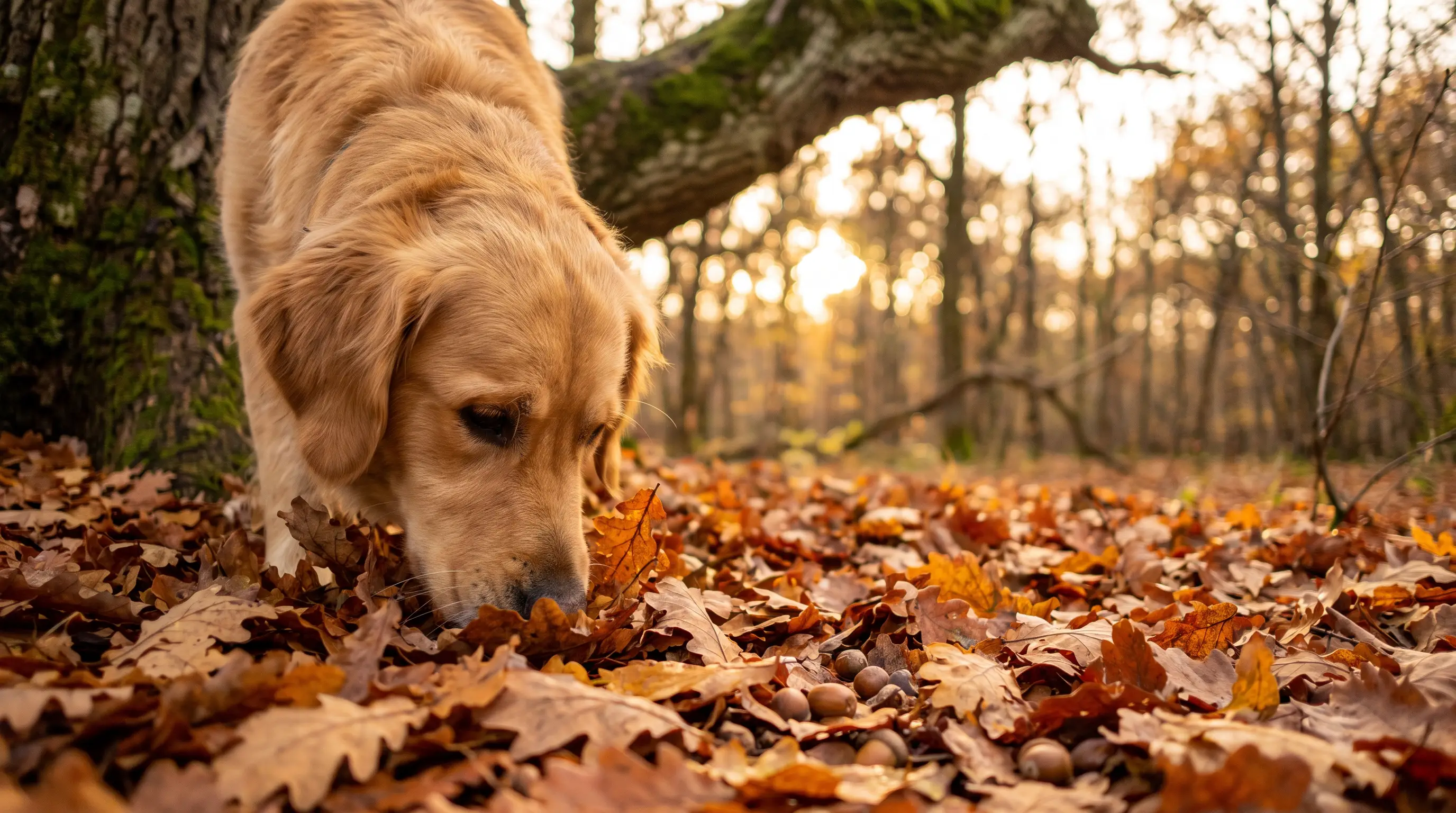
Autumn dangers for dogs: acorns, conkers and mushrooms
Autumn puts three scavenging hazards on the ground — acorns, conkers and wild mushrooms — plus rat bait and fermenting fruit. What's toxic, what the warning signs are, and when to call the vet.

Winter pet dangers: antifreeze, road salt and chocolate season
Antifreeze is the winter emergency — sweet, deadly and quick. Plus gritted-salt paws, the festive-food gauntlet and cats sheltering in warm car engines. What to watch and when it's urgent.
Read for the season, filter for your region
Two things decide when a hazard matters: the season and where you live. The seasonal part is simple — heat peaks in summer, antifreeze in winter — but the regional part is easy to forget. Some of the worst hazards are Mediterranean: processionary caterpillars and the sandflies that spread leishmaniasis are a serious concern in Italy, Spain and southern France and a non-issue much further north. Others invert it — conkers are a northern autumn problem, while antifreeze and chocolate are universal. So read this collection for the season, then cross off whatever your own area does not have and watch the rest closely.
Whatever the month, two habits do most of the work: a dog that will leave things on cue and come back when called, since nearly every hazard here starts with a pet eating or chasing something, and having your vet's and your nearest emergency vet's numbers saved before you need them — because for antifreeze, wild mushrooms and rat bait, calling early rather than waiting for symptoms is what matters most.