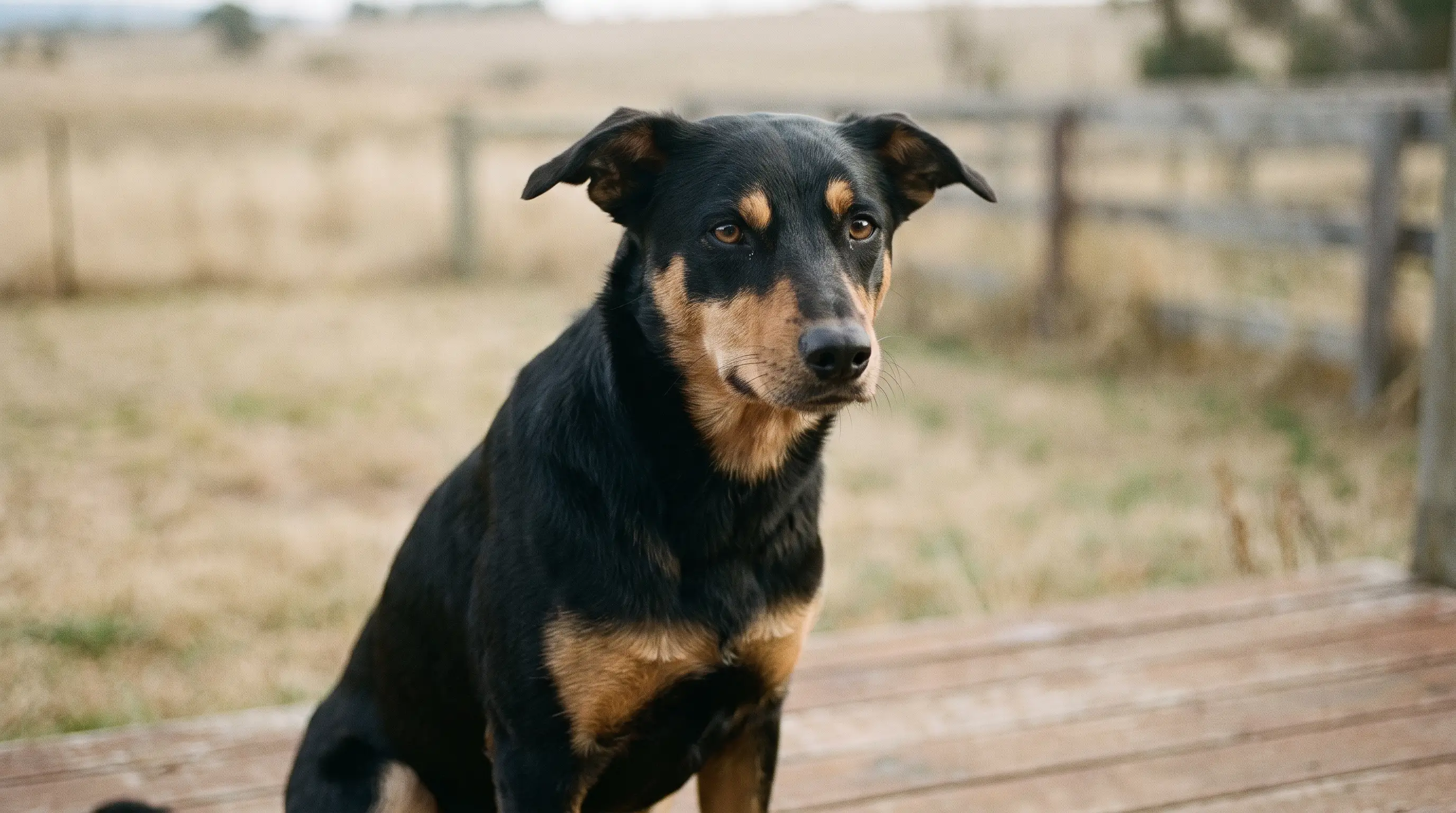
What is a Kelpie? Australia's tireless farm dog
A Kelpie is the Australian Kelpie, a medium-sized herding breed developed in Australia in the late 1800s to muster huge flocks of sheep across vast, punishing country. Lean, quick and almost impossible to tire, it's one of the great working dogs — and a lot of dog for anyone expecting a easygoing pet. Here's what the breed actually is, and the honest answers to the size, coat and temperament questions people ask most.
Where the Kelpie comes from
The Australian Kelpie was developed by Australian sheep farmers in the 1870s from collie-type dogs brought over from Scotland, bred hard for one thing: working enormous flocks over huge distances in heat that would flatten most dogs. The breed takes its name from an early working bitch called Kelpie, herself named after a shape-shifting water spirit of Scottish folklore.
Two types exist today and it's worth knowing which you're looking at. Working Kelpies are bred purely for herding ability and vary in look; show (or bench) Kelpies are bred to a fixed appearance standard. Both carry the same deep drive to work.
Size, coat and shedding
A Kelpie is a compact medium dog — roughly 43–51 cm at the shoulder and about 14–20 kg, with females at the lighter end. It's built lean and athletic rather than heavy, which is part of how it covers so much ground.
The coat is a short, weather-resistant double coat that comes in black, red, chocolate, fawn and more. Grooming is genuinely easy: a weekly brush does it. Kelpies do shed, at a moderate steady level year-round with a heavier drop when the seasons turn, so 'low-maintenance coat' is true, 'non-shedding' is not.
Temperament: who a Kelpie actually suits
This is the part that matters most. A Kelpie is intensely energetic, highly intelligent and built to work all day, and that doesn't switch off in a suburban living room. Without a real job — herding, dog sport, long structured exercise and training — a Kelpie gets bored, and a bored Kelpie invents work, usually involving your furniture, your garden or your heels.
For an active, experienced owner who wants a dog to do things with, it's a superb, devoted companion. For a first-time owner after a calm housemate, it's the wrong dog. If that drive appeals but you're weighing options, the Border Collie sits in the same demanding bracket, and our breed background guides can help you compare honestly.
Common questions
What is a Kelpie?
A Kelpie is the Australian Kelpie, a medium-sized herding breed developed in Australia in the late 1800s to muster sheep across large, hot country. It's a lean, intelligent, extremely high-energy working dog, prized on farms for its stamina and drive.
Do Kelpies shed?
Yes, moderately. Kelpies have a short double coat that sheds steadily year-round, with a heavier seasonal moult. Grooming is easy — a weekly brush is enough — but they are not a non-shedding breed.
How big is a Kelpie?
A Kelpie is a compact medium dog, roughly 43–51 cm tall at the shoulder and about 14–20 kg, with females usually lighter than males. It's built lean and athletic rather than bulky.
Are Kelpies good family pets?
They can be, but only for active, experienced homes. Kelpies have huge energy and a strong working drive, and they need a real job and plenty of exercise. In a quiet or first-time household, that drive tends to turn into boredom and destructive behaviour.
Are Kelpies the same as Border Collies?
No, they're separate breeds, though both are intense herding dogs from collie-type roots. Kelpies were developed in Australia for mustering in heat and tend to work with more independence; Border Collies come from the Anglo-Scottish border and are known for their intense 'eye'.
See also
More in Dogs
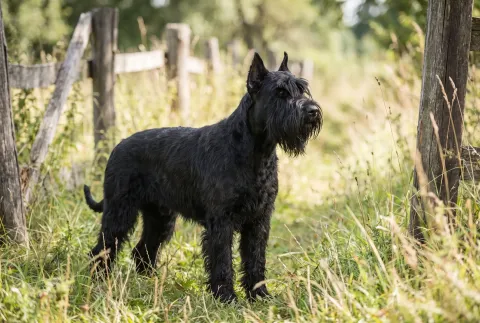
Are Schnauzers terriers? No — here's their real group
They've got the beard, the wiry coat and the attitude, but Schnauzers aren't terriers. Why the world's biggest registry files them somewhere else entirely.
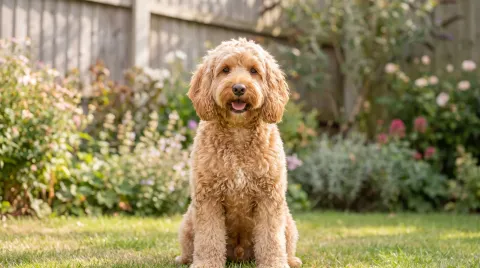
Is a Cockapoo a breed? What designer crosses really are
A Cockapoo is a hugely popular dog — but not a breed any major registry recognises. Why a cross isn't a breed, what F1 and F1b actually mean, and why it matters.
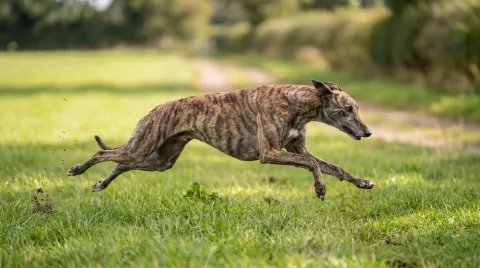
The fastest dog breeds, and how fast they really go
The Greyhound hits about 72 km/h — second only to the cheetah, and the winner over any real distance. Honest top speeds for the sighthounds and the surprises, plus how fast a Dobermann actually is.
The smallest dog breeds in the world
The Chihuahua is officially the smallest, at 1.5–3 kg. Here are the toy breeds just above it — and an honest warning about the 'teacup' label, which is marketing, not a breed.

Low-shedding dog breeds, ranked from our own data
We scored every breed for shedding, 1 to 5. Here are the ones that scored lowest — the curly coats worth the grooming bill, the genuinely low-maintenance short-hairs, and why none of them are hypoallergenic.
Which dog breeds are actually ancient?
Genetics keeps naming the same handful of breeds as “ancient” — but that word means isolated from the Victorian breed factory, not unchanged since antiquity.