The smallest dog breeds in the world
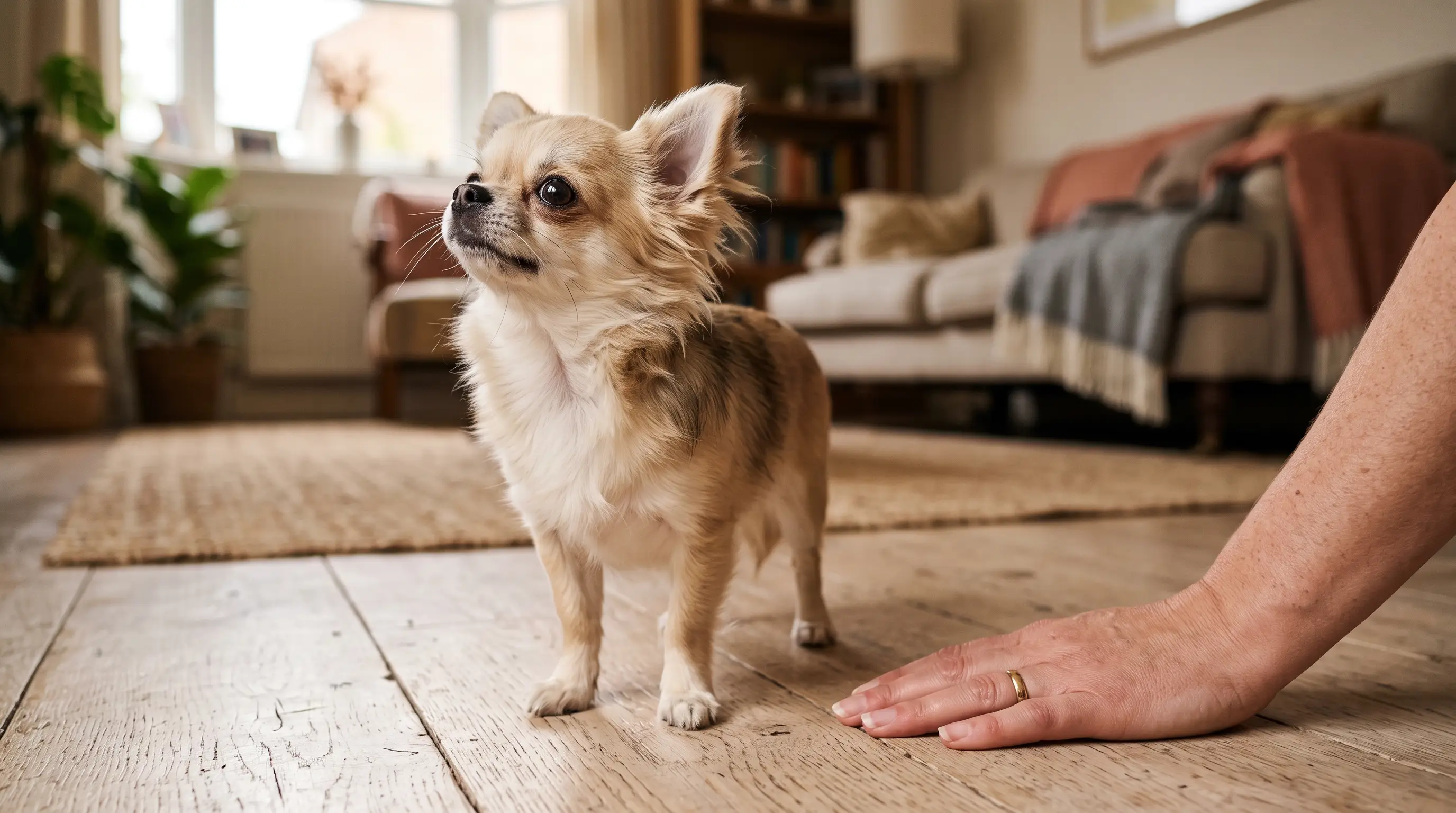
The smallest dog breed in the world is the Chihuahua, which the breed standard caps at around 3 kg and which often weighs less. Just above it sits a whole tier of toy breeds — Yorkshire Terrier, Pomeranian, Maltese, Papillon and more — bred down over centuries as companions. What none of them are is a 'teacup' anything: that word is a marketing label, not a breed or a size, and it is the one part of the small-dog world that deserves real caution. Here are the genuine smallest breeds, and the honest catch with the ones sold as tinier still.
The Chihuahua: officially the smallest
The Chihuahua is the smallest recognised dog breed in the world. The standard puts an ideal weight at roughly 1.5 to 3 kg, and it stands only about 15 to 23 cm at the shoulder — small enough to sit comfortably in the crook of an arm. It comes from Mexico, where it is thought to descend from the Techichi, a small companion dog kept by the Toltec and Aztec civilisations, which gives it one of the longest pedigrees of any toy breed.
What the size does not tell you is the personality. Chihuahuas are famously bold, sharp and loyal to one or two people, with a self-image several sizes larger than the body carrying it. That combination — tiny, long-lived and enormous of character — is exactly why the breed has stayed near the top of the popularity lists for so long, and why "small dog" and "quiet, easy dog" are not remotely the same thing.
The toy tier just above it
A cluster of toy breeds sits just above the Chihuahua, most of them bred purely for company. The Yorkshire Terrier tops out around 3.2 kg, the Pomeranian runs roughly 1.9 to 3.5 kg under its cloud of coat, and the Maltese, an ancient lapdog of the Mediterranean, sits at about 3 to 4 kg. The Papillon, with its butterfly ears, is feather-light at 2 to 4.5 kg and quicker-witted than its looks suggest.
Round it out with the Affenpinscher, the Brussels Griffon, the Japanese Chin and the toy varieties of the Poodle, and you have the honest shortlist of the world's smallest dogs. Every one of them is a real breed with a written standard and a health picture you can look up — which is the crucial difference from what comes next.
The 'teacup' warning
There is no such thing as a teacup breed. "Teacup", "micro" and "pocket" are marketing words attached to dogs bred to be smaller than any standard allows — usually by breeding runts to runts, or by passing off an underdeveloped puppy as a permanently tiny adult. Kennel clubs recognise none of them, because they describe a selling point, not a breed.
The problem is not the cuteness, it is the health. Deliberately undersizing a dog stacks the odds towards fragile, easily broken bones, dangerous drops in blood sugar (hypoglycaemia), heart and liver defects, a soft spot on the skull that never closes, collapsing windpipes and shortened lives. A responsible breeder aims for a healthy dog at the low end of a normal standard, not for the smallest animal that will fit in a handbag. If a listing leads with "teacup" and a price, treat it as a warning label, not a feature. A healthy small Chihuahua is already about as small as a dog can safely be.
Living with a very small dog
A tiny dog is a genuine joy in the right home, but the size brings its own rules. These are fragile animals: a leap off the sofa, a misjudged step in the kitchen or rough handling by a small child can cause real injury, which is why most toy breeds are a better match for calm, adult households than for homes with toddlers. They chill easily, so a coat in winter is practical rather than silly, and their crowded little mouths make dental disease one of the most common health problems in the group — daily tooth care matters more here than in almost any big dog.
Set against that, the appeal is obvious. Small dogs travel easily, cost less to feed, suit a flat, and typically live a long time — many toy breeds reach their mid-teens. They tend to have outsized personalities and firm opinions, so they still need training and socialising rather than carrying everywhere. If a flat is your situation, our list of the best dogs for apartments weighs size against temperament, and the fastest breeds are the other end of the same spectrum.
Common questions
What is the smallest dog breed?
The Chihuahua is the smallest recognised dog breed in the world. Its breed standard sets an ideal weight of about 1.5 to 3 kg, and it stands only around 15 to 23 cm tall at the shoulder. It originates in Mexico and is thought to descend from the ancient Techichi companion dog, giving it one of the longest histories of any toy breed.
How small is a Chihuahua?
A Chihuahua typically weighs between 1.5 and 3 kg and stands about 15 to 23 cm at the shoulder — small enough to sit in the crook of your arm. Despite the tiny frame, the breed is bold, alert and full of personality, so a Chihuahua behaves nothing like its size and needs proper training and socialising rather than simply being carried around.
What is a teacup dog?
'Teacup' is a marketing term, not a breed or a recognised size. It is applied to dogs bred to be smaller than any breed standard allows — often Chihuahuas, Pomeranians or Yorkshire Terriers — usually by breeding undersized dogs together or selling an underdeveloped puppy as a permanently tiny adult. No kennel club recognises 'teacup', 'micro' or 'pocket' as real categories.
Are teacup dogs healthy?
Often not. Deliberately breeding dogs below standard size raises the risk of fragile bones, dangerous drops in blood sugar, heart and liver defects, an unclosed soft spot on the skull, collapsing windpipes and a shorter life. A responsible breeder aims for a healthy dog at the low end of a normal standard, not the smallest possible animal, so a 'teacup' price tag should be read as a warning rather than a selling point.
What is the smallest dog breed that doesn't shed?
The Maltese and the toy Poodle are among the smallest low-shedding breeds, both tiny companions with coats that drop very little hair. The trade-off is grooming: those low-shedding coats need regular brushing and clipping to stay healthy. Low-shedding is not the same as hypoallergenic, so allergy sufferers should still meet the actual dog before committing.
What is a good small dog for an apartment?
Many toy breeds suit flats well because they need little space and are content indoors, though they still need daily walks and mental stimulation. Calm, adaptable small dogs like the Maltese, Bichon or a well-exercised Chihuahua tend to do best. Just match the individual dog's energy and noise level to your home — some small breeds bark a great deal, which matters more in a flat.
See also
More in Dogs
Are Schnauzers terriers? No — here's their real group
They've got the beard, the wiry coat and the attitude, but Schnauzers aren't terriers. Why the world's biggest registry files them somewhere else entirely.
What is a Kelpie? Australia's tireless farm dog
The Australian Kelpie is a medium herding dog built for endless work in brutal heat. What it is, how big it gets, whether it sheds, and who it actually suits.
Is a Cockapoo a breed? What designer crosses really are
A Cockapoo is a hugely popular dog — but not a breed any major registry recognises. Why a cross isn't a breed, what F1 and F1b actually mean, and why it matters.
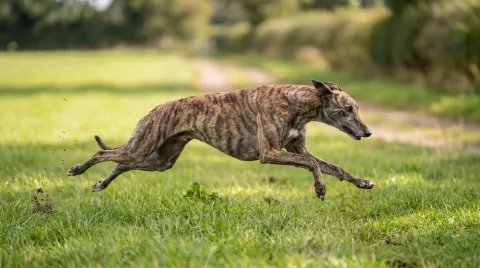
The fastest dog breeds, and how fast they really go
The Greyhound hits about 72 km/h — second only to the cheetah, and the winner over any real distance. Honest top speeds for the sighthounds and the surprises, plus how fast a Dobermann actually is.
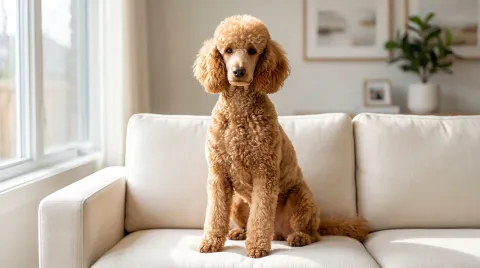
Low-shedding dog breeds, ranked from our own data
We scored every breed for shedding, 1 to 5. Here are the ones that scored lowest — the curly coats worth the grooming bill, the genuinely low-maintenance short-hairs, and why none of them are hypoallergenic.
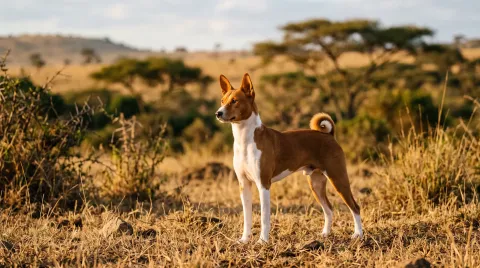
Which dog breeds are actually ancient?
Genetics keeps naming the same handful of breeds as “ancient” — but that word means isolated from the Victorian breed factory, not unchanged since antiquity.