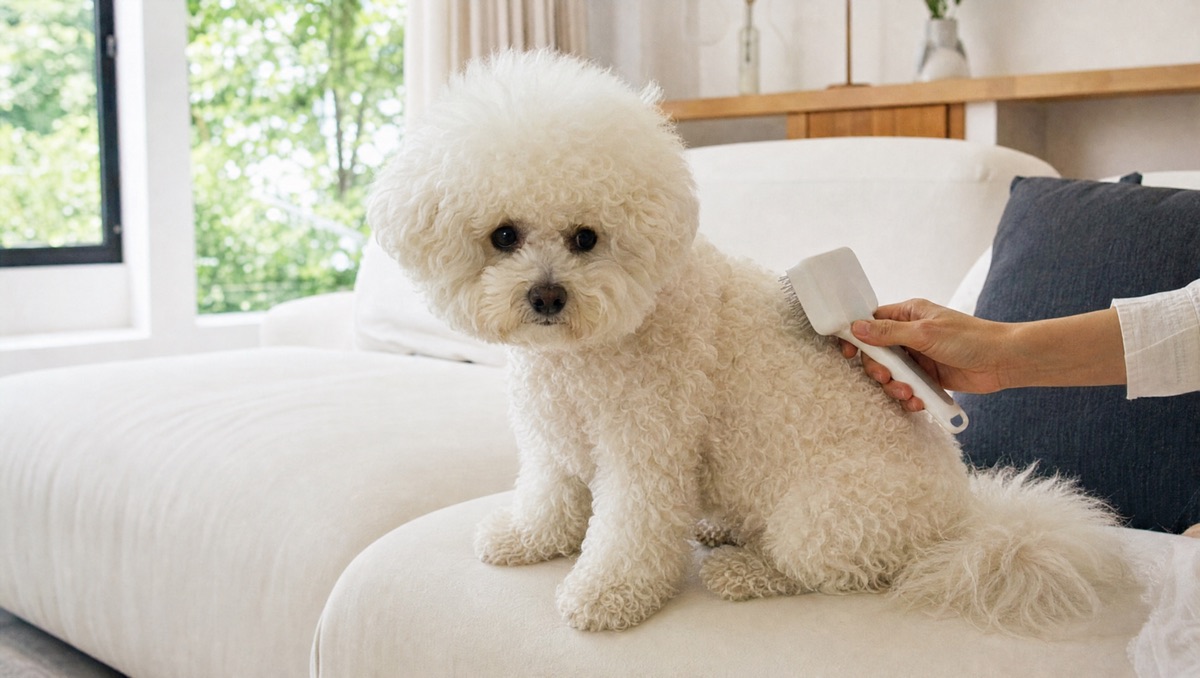
Best low-shedding dogs
Kinder to allergies and to your sofa. No dog is truly hypoallergenic, but these shed far less — usually in exchange for regular grooming.
Prefer a personal match? Take the 60-second breed finder →
The ranked shortlist
Hand-picked by our editors using breed trait profiles — scores are out of 5.
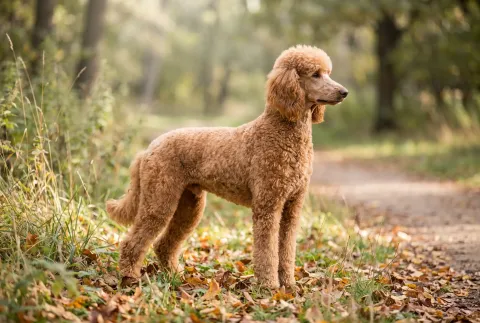
1. Standard Poodle
5/5Brilliant, and quietly low-shedding.
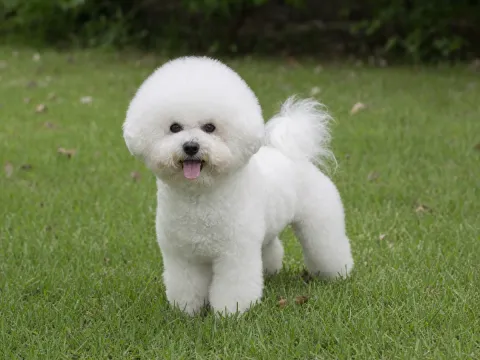
2. Bichon Frisé
5/5A cheerful powder-puff — low-shedding, people-loving and endlessly merry.
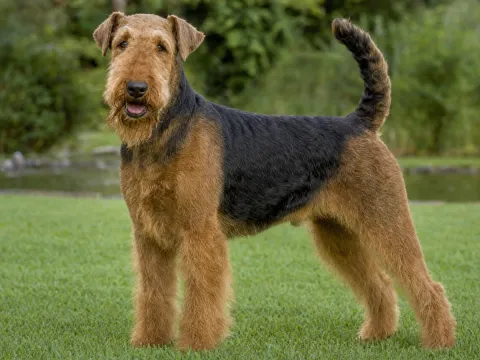
3. Airedale Terrier
4/5The King of Terriers — the biggest of the clan, clever and versatile.
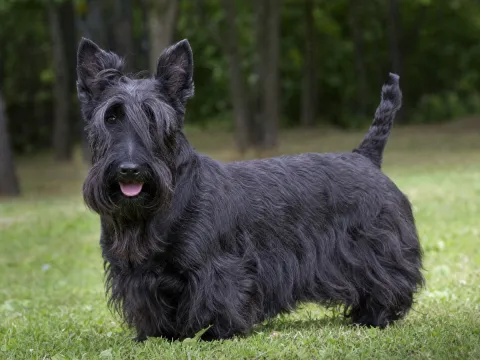
4. Scottish Terrier
4/5Dignified, bearded and gloriously stubborn — the aloof little laird.
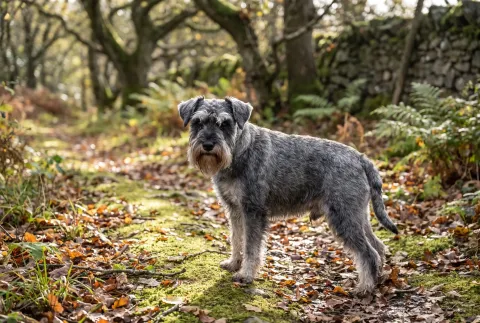
5. Miniature Schnauzer
4/5A bearded farm ratter turned family sentinel — small dog, serious opinions.
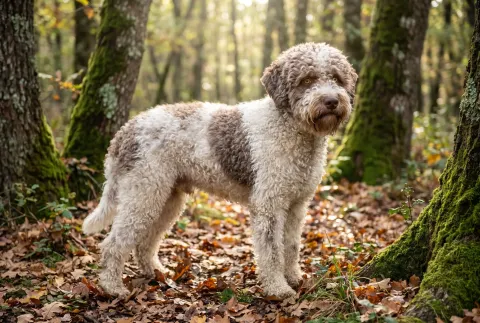
6. Lagotto Romagnolo
4/5Italy's curly truffle hunter — a nose with a very good dog attached.
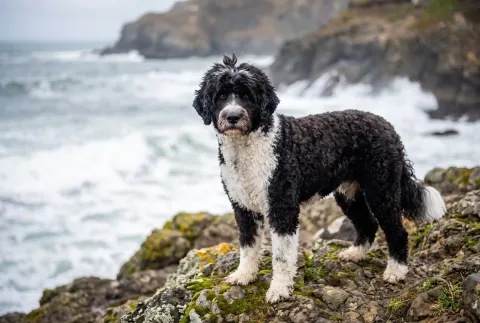
7. Portuguese Water Dog
4/5A fisherman's crewmate in a wetsuit of curls — happiest halfway into the water.
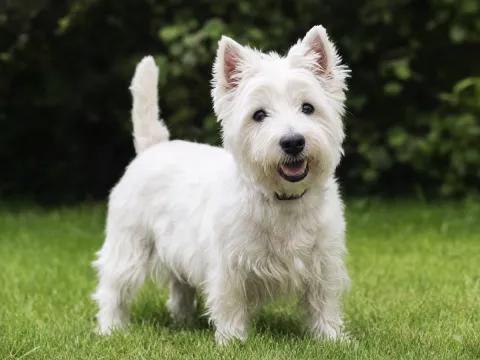
8. West Highland White Terrier
3/5A perky white ratter with terrier fire and a big-city grin.
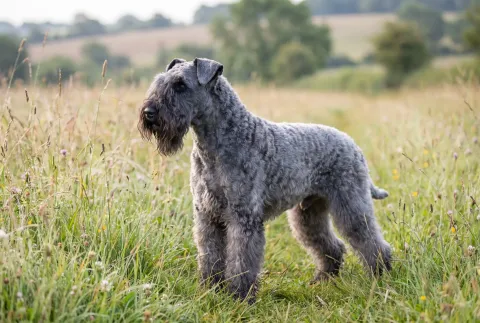
9. Kerry Blue Terrier
3/5Ireland's blue-coated all-rounder — a farm terrier with a poet's coat and a fighter's heart.
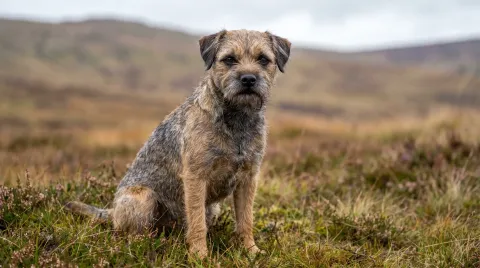
10. Border Terrier
3/5An otter-headed hill terrier — tough as old boots, sweet as anything.
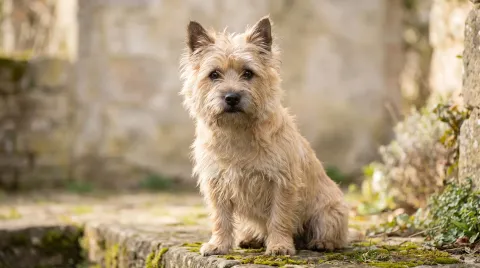
11. Cairn Terrier
3/5The Highlands in miniature — shaggy, fearless and forever on the trail of something.
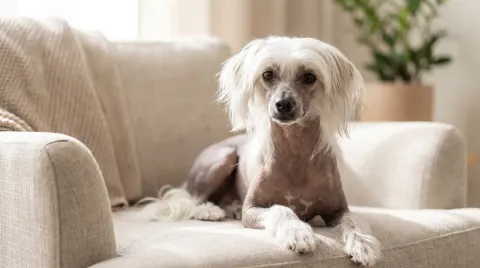
12. Chinese Crested
3/5A warm little shadow in a fur stole — the dog that forgot to grow a coat.
Low-shedding isn't allergy-free
Allergies react to dander and saliva, not just hair — so 'hypoallergenic' is a myth. What these breeds offer is far less loose hair around the home, thanks to curly or wiry coats that trap shed fur. The trade-off is grooming: expect regular brushing and clipping or hand-stripping.
Common questions
Is there a truly hypoallergenic dog breed?
No. Every dog produces some Can f 1, the allergen behind most dog allergies, so no coat type removes it entirely. What these breeds offer is far less loose hair to carry that allergen around the home — a real, useful difference, but not a guarantee for every allergic person.
What's the difference between low-shedding and hypoallergenic?
Low-shedding is about how much hair ends up on your floors and sofa. Allergies react mainly to the Can f 1 protein in saliva, dander and urine, which every dog produces regardless of coat — so a low-shedding dog is kinder to your vacuum cleaner, and only sometimes kinder to your sinuses. If allergies specifically are the priority, see our dogs for people with allergies list.
How much grooming do low-shedding dogs need?
More than the coat suggests. Curly and wiry coats that trap shed fur instead of scattering it still need regular brushing, plus professional clipping or hand-stripping every six to eight weeks — the trade-off for the hair staying on the dog instead of the sofa.