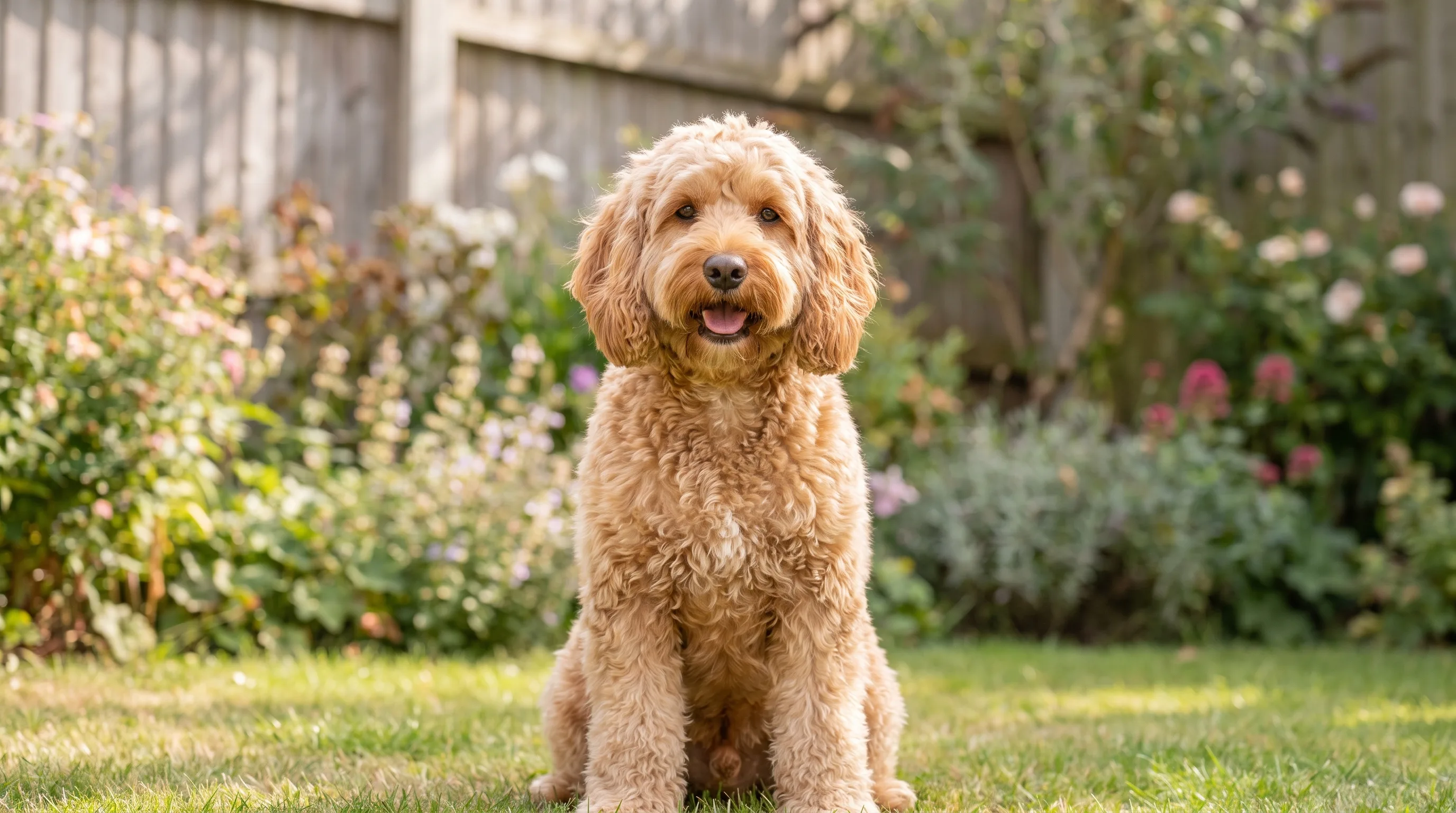
Is a Cockapoo a breed? What designer crosses really are
No — a Cockapoo is not a breed. It's a cross between a Cocker Spaniel and a Poodle, and no major registry — not the FCI, the AKC or the UK Kennel Club — recognises it as one. That isn't a knock on the dog, which is a lovely mix of two real breeds. It's a point about what the word 'breed' actually means, and it explains why two Cockapoos can look and behave so differently.
Why a cross isn't a breed
A breed is more than two purebred parents. To be recognised as a breed, a type of dog has to breed true: mate two of them and you reliably get puppies that match a written standard, generation after generation. That consistency is the whole point of a breed.
A Cockapoo doesn't do that yet. A first-cross Cockapoo is genetically half Cocker Spaniel and half Poodle, and its puppies can land anywhere across that range — curlier or straighter coats, bigger or smaller, one parent's temperament or the other's. A cross only becomes a breed after many generations of careful breeding fix a consistent type, which is exactly the process Cockapoos haven't been through. Our guide to how dog registries work explains where that line sits.
What F1, F1b and F2 actually mean
Cockapoo breeders use generation labels, and they're worth understanding because they're the closest thing to a guarantee you'll get — which is to say, not much of one. F1 is a first cross: Cocker Spaniel × Poodle, a 50/50 mix. F1b is an F1 Cockapoo bred back to a Poodle, so it's about three-quarters Poodle, often done to push for a curlier, lower-shedding coat. F2 is two Cockapoos bred together, and it's the most variable of all.
The honest takeaway: none of these labels guarantees a coat type or a temperament, and no Cockapoo is reliably 'hypoallergenic' — that's a claim about the Poodle side that doesn't carry over dependably in a cross. If low shedding is essential for you, meet the actual parents and, ideally, older pups from the same lines.
A mix of two real breeds — which is fine
None of this makes a Cockapoo fake or lesser. It makes it a mix of two excellent breeds: the Cocker Spaniel brings warmth, sociability and those soft ears, and the Poodle brings brains and the curly, often lower-shedding coat that made the cross popular in the first place.
It's the same story behind a lot of famous 'breeds' that aren't — PAW Patrol's Skye is a Cockapoo, for instance, which is canon but not a registered breed. Most dogs on earth are mixes, and a well-bred cross of two sound breeds can be a wonderful dog; the honest framing is just to call it what it is. For the full picture, see our mixed-breed hub.
Common questions
Is a Cockapoo a breed?
No. A Cockapoo is a cross between a Cocker Spaniel and a Poodle, and no major registry — the FCI, the AKC or the UK Kennel Club — recognises it as a breed. It's a popular designer cross, not a breed with a fixed standard.
What is an F1 Cockapoo?
An F1 Cockapoo is a first-generation cross: one Cocker Spaniel parent and one Poodle parent, a 50/50 mix. Because it's a first cross, its coat, size and temperament can vary a lot from puppy to puppy, even within one litter.
Do Cockapoos breed true?
No, which is the main reason they aren't a recognised breed. Cross two Cockapoos and the puppies vary widely rather than matching a consistent type. A cross only becomes a breed after generations of breeding fix a reliable standard.
Are Cockapoos hypoallergenic?
Not reliably. The idea comes from the Poodle side, but in a cross the low-shedding coat isn't guaranteed and can vary between puppies. No dog is truly hypoallergenic, so if allergies are a concern, spend time with the specific dog before committing.
Is a Cockapoo a purebred?
No. A purebred has two parents of the same registered breed and breeds true to a standard. A Cockapoo has one Cocker Spaniel and one Poodle parent, so it's a crossbreed — a mix of two real breeds rather than a breed in its own right.
See also
More in Dogs
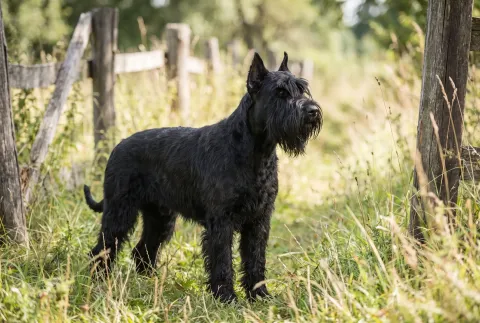
Are Schnauzers terriers? No — here's their real group
They've got the beard, the wiry coat and the attitude, but Schnauzers aren't terriers. Why the world's biggest registry files them somewhere else entirely.
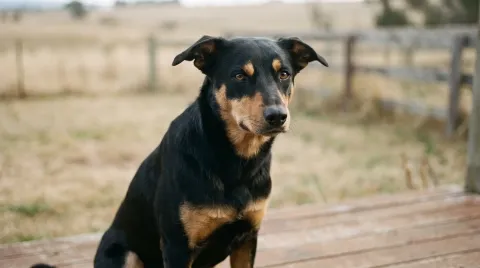
What is a Kelpie? Australia's tireless farm dog
The Australian Kelpie is a medium herding dog built for endless work in brutal heat. What it is, how big it gets, whether it sheds, and who it actually suits.
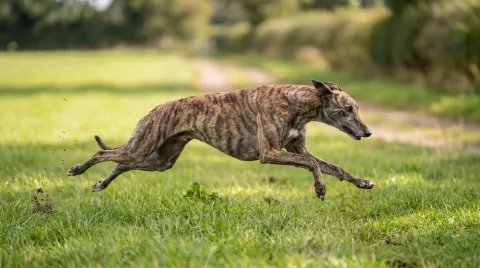
The fastest dog breeds, and how fast they really go
The Greyhound hits about 72 km/h — second only to the cheetah, and the winner over any real distance. Honest top speeds for the sighthounds and the surprises, plus how fast a Dobermann actually is.
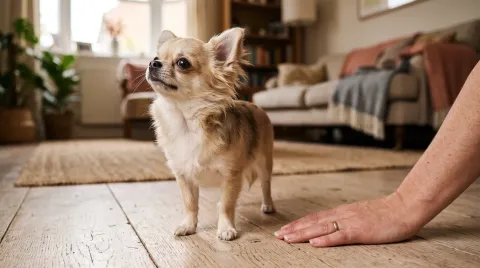
The smallest dog breeds in the world
The Chihuahua is officially the smallest, at 1.5–3 kg. Here are the toy breeds just above it — and an honest warning about the 'teacup' label, which is marketing, not a breed.

Low-shedding dog breeds, ranked from our own data
We scored every breed for shedding, 1 to 5. Here are the ones that scored lowest — the curly coats worth the grooming bill, the genuinely low-maintenance short-hairs, and why none of them are hypoallergenic.

Which dog breeds are actually ancient?
Genetics keeps naming the same handful of breeds as “ancient” — but that word means isolated from the Victorian breed factory, not unchanged since antiquity.