How cats domesticated themselves
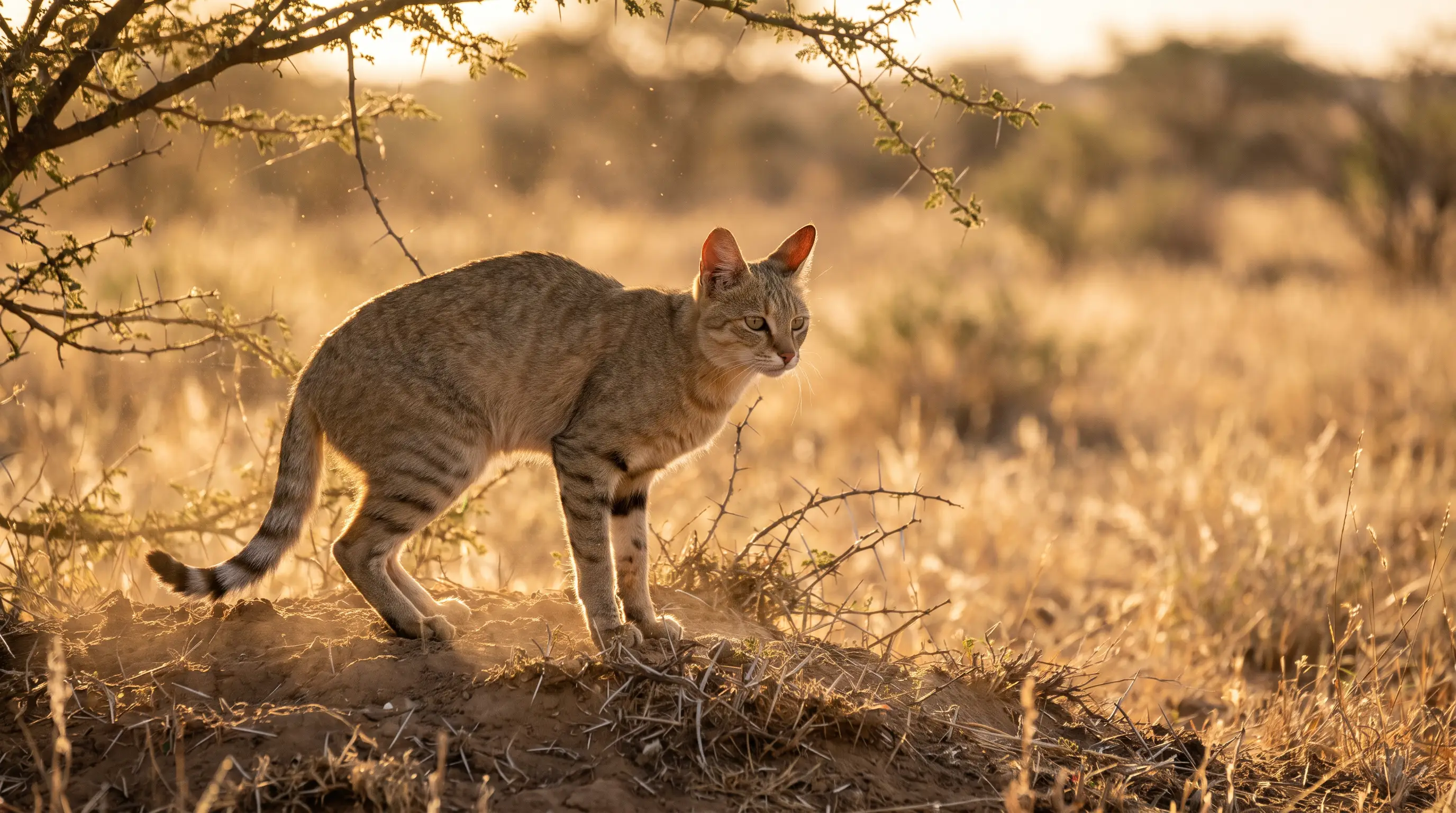
Nobody domesticated the cat the way we domesticated the dog, the cow or the chicken. There was no breeding programme and no job interview. About 10,000 years ago, in the Fertile Crescent, wildcats worked out that human grain stores were full of mice, moved in to hunt them, and the tamest ones did best. The cat that curls on your sofa is genetically almost identical to the wildcat still living rough across the Near East — which is why people say the cat domesticated itself.
It started with grain, not affection
The story begins with farming. When people in the Fertile Crescent — roughly modern Turkey, Syria, Iraq and Iran — started storing grain about 10,000 years ago, they accidentally built the perfect mouse habitat. Where there are mice in that number, something comes to eat them, and the something was the Near Eastern wildcat, Felis silvestris lybica. It did not need taming to turn up; a granary is a hunting ground it would choose anyway.
This is what biologists call the commensal pathway to domestication: the animal invites itself, drawn by the food and rubbish that farming creates, long before anyone decides to keep it. The wolf that became the dog took a similar first step around human camps. The cat's version was quieter and later, and it hinged entirely on the mouse.
The cats that tolerated people out-bred the ones that fled
Once wildcats were living around villages, natural selection did the domesticating, with humans barely lifting a finger. A wildcat that bolted at the first human footstep ate less and raised fewer kittens near that reliable food supply. A wildcat that could sit tight while a farmer walked past kept the good territory. Over many generations, tolerance of people paid off, and the population drifted toward the bolder, calmer end.
That is domestication running on its own. People were not choosing which cats bred, so the cat was never reshaped into dozens of working types the way the dog was. It kept the wildcat's body, its hunting drive and its independence, and simply added a tolerance for humans on top. The friendliest cats got the mice and the shelter; the rest stayed wild.
The DNA points to one wildcat, and one region
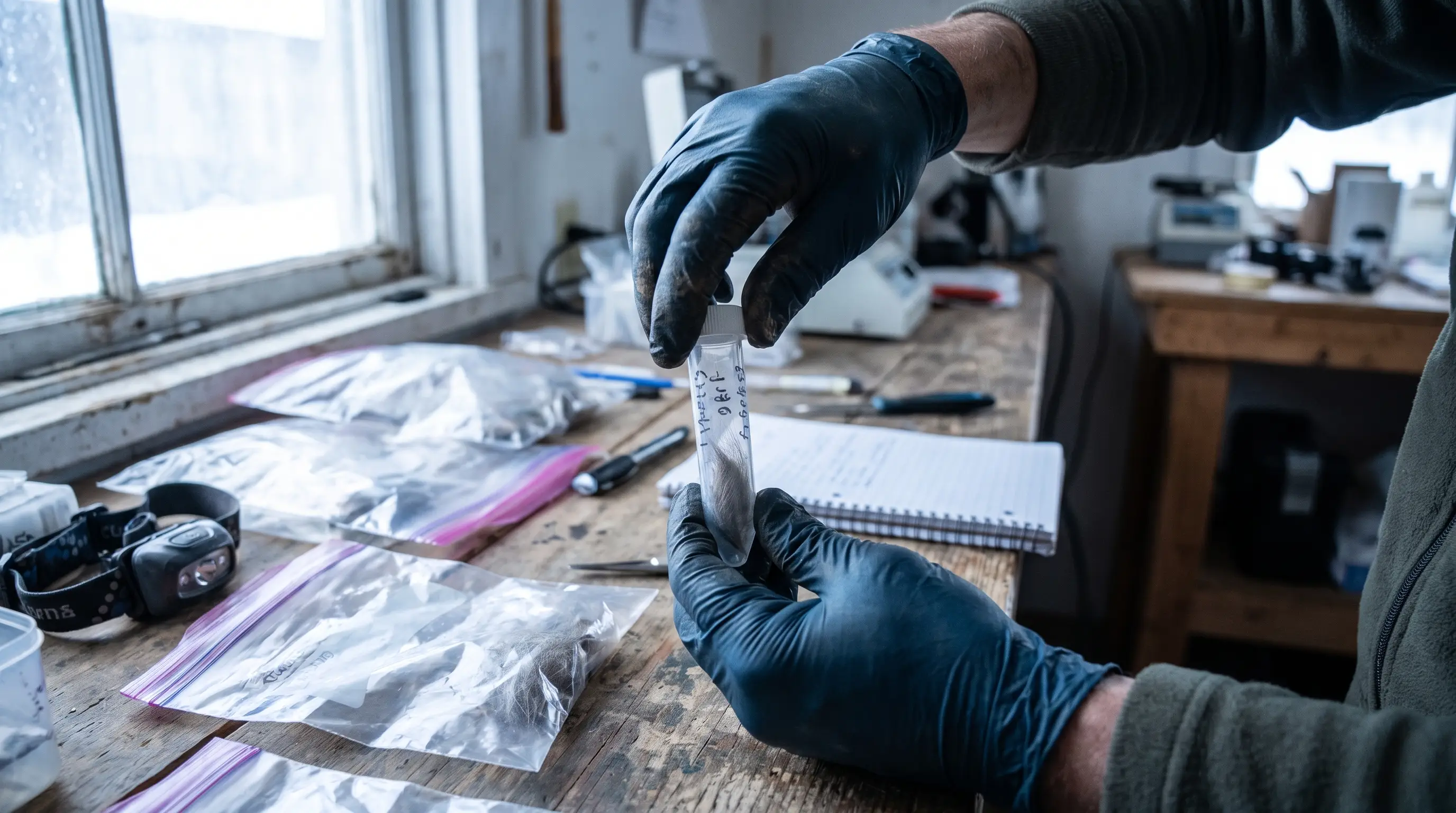
Genetics settled the where and the who. A large 2007 study led by Carlos Driscoll sampled hundreds of wildcats and house cats and traced every domestic cat on Earth back to Felis silvestris lybica from the Near East — not the European wildcat, not the African one further south, but the lybica line specifically. A 2017 ancient-DNA study by Claudio Ottoni's team then read the genes of cats from archaeological sites across thousands of years and found two great expansions: first out of the Near East with early farmers, then a second wave of an Egyptian lineage that spread around the Mediterranean by ship, mousing on board.
The oldest hard evidence of the bond is a grave. On Cyprus, at a site called Shillourokambos, archaeologists found a cat deliberately buried beside a person about 9,500 years ago. Cyprus has no native cats, so someone carried it there by boat — proof that people and cats were already travelling together long before Egypt gets the credit.
Egypt made cats famous, not domestic
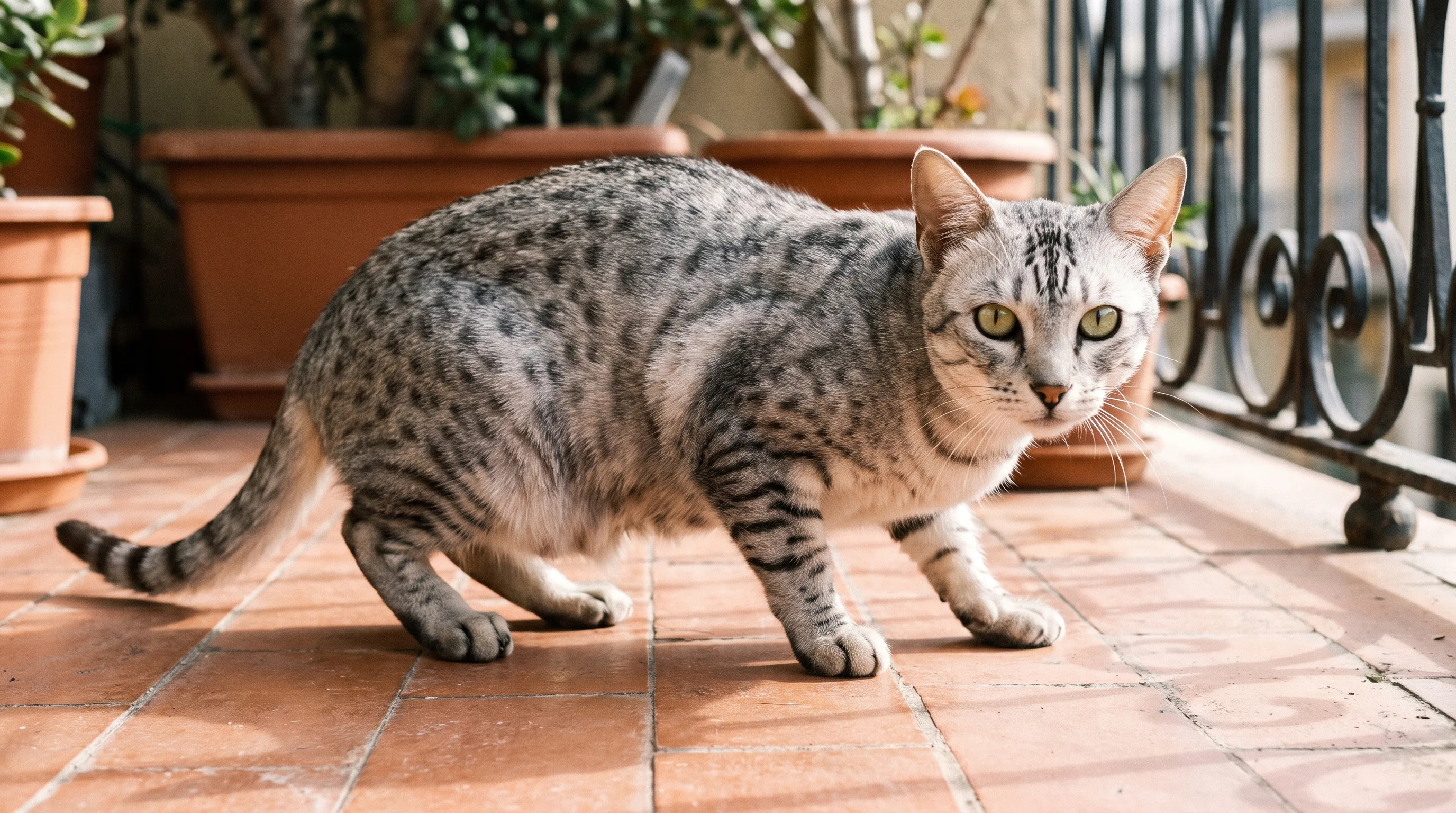
The familiar image of the sacred Egyptian cat is real but late. Egyptians revered cats, mummified them in their millions and linked them to the goddess Bastet, but that flowering happened around 3,600 years ago — thousands of years after cats were already living with Near Eastern farmers. Egypt polished the cat's reputation and, through trade and shipping, helped push it across the world. It did not start the process.
One visible change did come later still. The blotched tabby pattern most pet cats wear — the swirled marbling, as opposed to the wildcat's thin mackerel stripes — only becomes common in the medieval period. It is one of the few clear marks that a cat has been shaped at all, and even that took thousands of years to show up.
Your cat is still, genetically, a wildcat
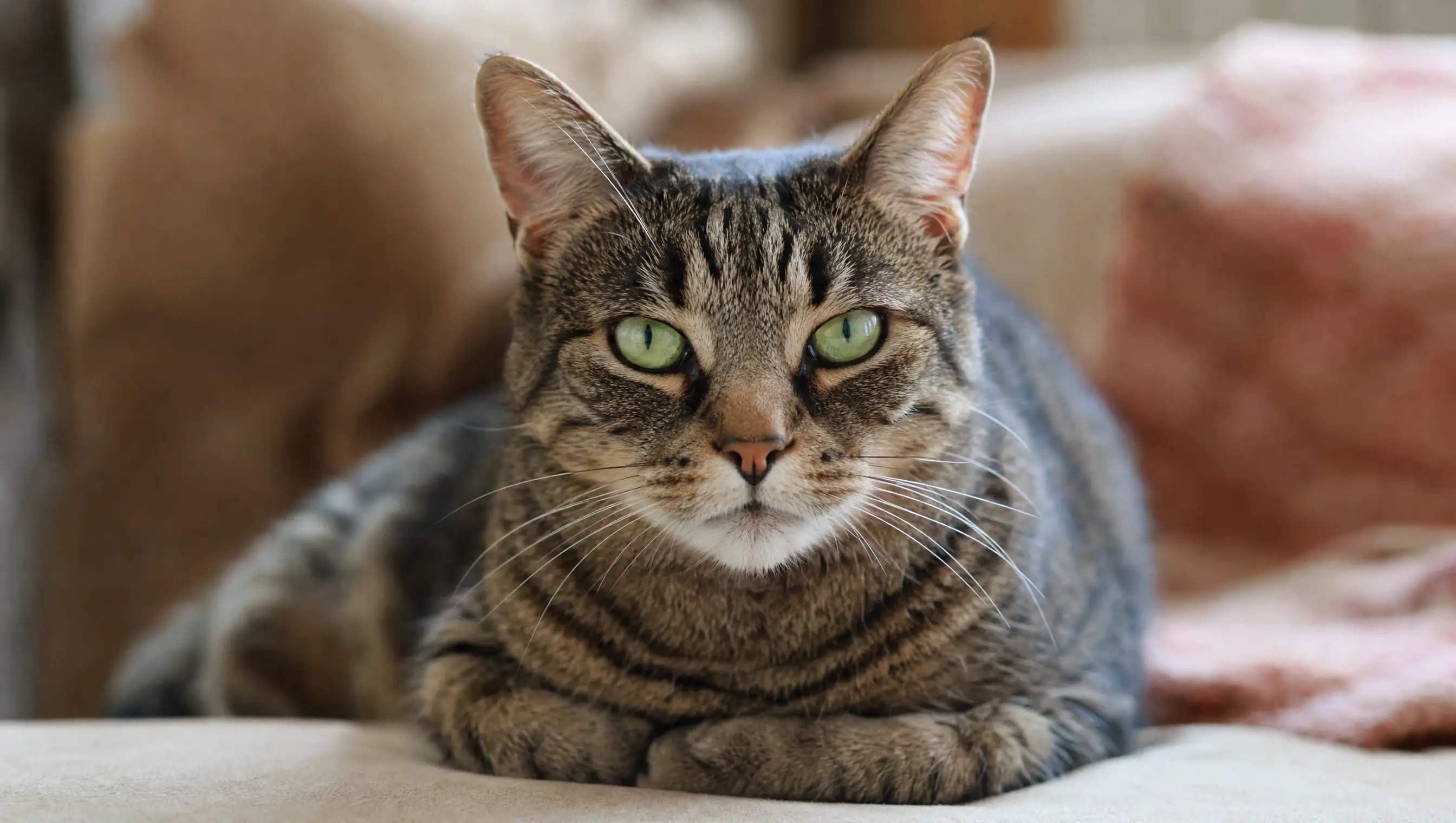
The upshot is that the domestic cat barely diverged from its wild ancestor. House cats and Near Eastern wildcats interbreed freely and are hard to tell apart in the genes; the differences are a handful of changes tied to tameness, coat and digestion rather than a wholesale redesign. Most of the world's cats are not a breed at all but the domestic shorthair, essentially the self-made village cat in your living room.
This is why a well-fed pet cat still hunts, still wants to patrol a territory, and can go feral within a generation if it has to. It never handed those instincts over, because nobody bred them out. The pedigree cat breeds — the Abyssinian, the Siamese, the Maine Coon — are almost all inventions of the last 150 years, a thin recent layer on top of an animal that domesticated itself and then, more or less, kept its own counsel.
Common questions
When were cats domesticated?
About 10,000 years ago in the Fertile Crescent of the Near East, when wildcats moved into early farming villages to hunt the mice drawn to stored grain. The oldest direct evidence is a cat buried beside a person on Cyprus roughly 9,500 years ago.
Did cats really domesticate themselves?
Largely, yes. People did not choose which cats bred; wildcats that tolerated humans got the food and shelter around villages and out-bred the shyer ones. Natural selection near human settlements did the taming, which is why cats changed far less than dogs or livestock.
What animal are domestic cats descended from?
All domestic cats descend from the Near Eastern wildcat, Felis silvestris lybica. A 2007 genetic study traced every house cat back to this single wildcat subspecies from the Near East, not the European or southern African wildcats.
Were cats first domesticated in Egypt?
No. Egypt's famous cat worship came around 3,600 years ago, thousands of years after cats already lived with Near Eastern farmers. Egypt spread cats widely through trade and made them famous, but domestication started much earlier and further east.
Why are cats less tame than dogs?
Because humans never selectively bred cats for work or temperament the way they bred dogs. Cats domesticated themselves for access to mice and shelter, keeping their wild hunting instincts and independence largely intact, so a house cat is genetically almost identical to its wild ancestor.
More in Cats
What the world looks like to a cat
Blurry up close, washed-out in colour, six times brighter at night — and smelling like a newspaper you can't read. A tour of your home through your cat's senses, and what it changes about how you run it.
Whiskers: the instrument panel on your cat's face
Air-current radar, gap gauge, mood indicator and night-hunting sight — whiskers do jobs eyes can't. How the instruments work, what whisker positions tell you, and the honest verdict on whisker fatigue.

What selective breeding actually does to an animal
Choosing which animals have babies is the most powerful force in a pet’s biology. A Soviet fox experiment shows how fast it works — and how much it costs.
How we know: reading the ancient DNA of dogs and cats
The story of pet origins was rewritten in the last fifteen years — not by new bones, but by pulling readable DNA out of old ones. Here is how that actually works.
Why cats can’t taste sweetness — and dogs can
A cat is deaf to sugar because a single taste gene broke long ago. That one fact opens up the whole biology of the obligate carnivore in your kitchen.
Why is my cat spraying? What it means and how to stop it
Spraying isn't a litter-box failure — it's a message about territory, written in urine. How to tell it from peeing, what's behind it, and the fixes that hold.