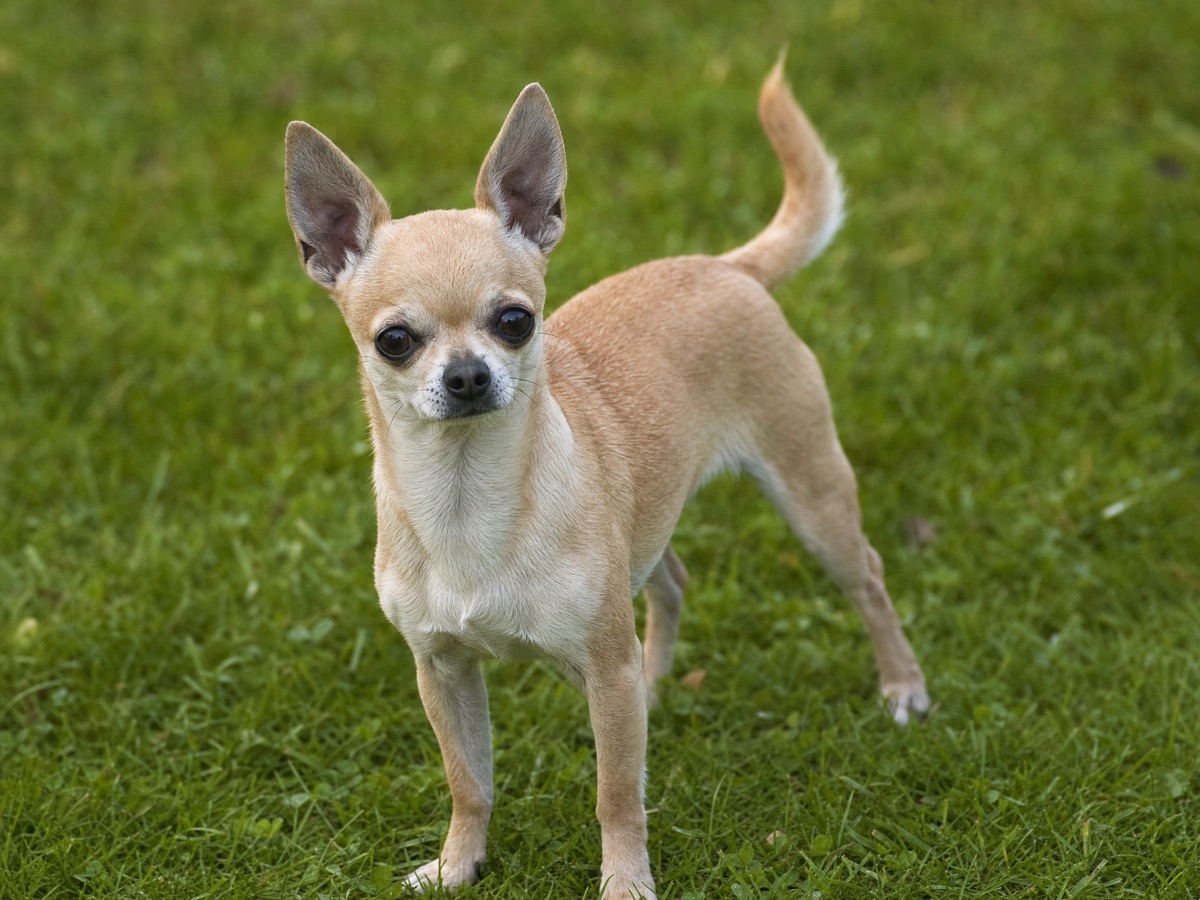
Chihuahua
The world's smallest dog with the world's biggest attitude.
On these lists: Small dogs
Vital stats
| Size | Toy · 15–23 cm |
| Weight | 1–3 kg |
| Life expectancy | 14–16 years |
| Energy | Moderate — 30 min/day |
| Shedding | Light to moderate |
| Coat | Smooth or long coat · every colour |
| Group | Toy · FCI №218 / AKC |
| Origin | Mexico |
| FCI group | 9 — Companion and Toy Dogs · FCI 218 |
Breed traits
Friendliness
Care
Mind
The Chihuahua by the numbers
The Chihuahua facts owners search for most — price, lifespan, weight, shedding and colours, in one place.
Widely bred, so you can usually find a litter from a registered breeder without a long wait. Ongoing costs stay modest — it eats little and routine vet care sits at the lower end.
We don't quote a single figure: the real price swings with breeder, region, bloodline and health testing — and a rescue costs a fraction of a breeder's litter. Adopting is almost always the cheapest route.
Temperament
Descended from the Techichi dogs of ancient Mexico, the Chihuahua was never bred to work — only to be with someone, completely. That wiring produces a saucy, terrier-like companion that picks its person, guards them from sofas and doorways, and treats dogs twenty times its size as equals, which is both its charm and its danger.
Habits & quirks
The burrower
Under blankets, under cushions, under your jumper — a Chihuahua nests wherever warmth lives.
Shiver mode
It trembles when cold, excited or dramatic, which is often; keep a jumper handy.
One true person
It loves the household but worships one member with total, jealous devotion.
Big-dog delusion
It will square up to Great Danes on principle — your job is to prevent the rematch.
Health
The Chihuahua is a long-lived little dog, and most of its health needs come down to size. The kneecaps can slip out of place (patellar luxation), the heart is prone with age to mitral valve disease, and the tiny jaw crowds its teeth — so dental care here is not cosmetic. None of this should put you off: for its size it's a robust breed. But it does mean a vet who knows small dogs, a daily toothbrush, and a breeder who is honest about hearts and knees.
Nutrition
| Feeding | Grams matter at this size — measure meals, go easy on treats, and never free-feed. |
| Dental care | Tiny jaws crowd teeth; daily brushing and vet dental checks prevent early tooth loss. |
| Safety | Protect from falls, rough toddlers and large dogs — a knee-height jump is a cliff to a 2 kg dog. |
| Training | Socialise early and train it like a real dog — carried everywhere and never told no, it becomes a tyrant. |
At this size, grams matter. A few extra treats are a real part of a Chihuahua's day, so weigh the meals, stay honest about treats, and never leave the bowl down to graze from. The target is a dog you can feel the ribs on but not see them — a chunky Chihuahua puts needless strain on those little knees and that little heart. Small jaws also do better on a kibble sized for toy breeds, or on food you can mash.
Puppy guide
A Chihuahua puppy is tiny and breakable, and the two jobs that matter most are keeping it safe and treating it like a real dog. A jump from the sofa or a knock from a toddler or a big dog can do real harm, so manage the world around it carefully. At the same time, socialize hard and train properly: a Chihuahua that is carried everywhere and never told no grows into a tyrant, the so-called small dog syndrome. Start the toothbrushing habit young, while it's still a novelty.
Training
Train a Chihuahua exactly as you would a big dog, because the only thing standing between a well-mannered companion and a snapping little despot is the training you bother to do. They are bright and quick to learn, and they respond to the same kind, reward-based approach that works on any breed — the mistake owners make is deciding a dog this small doesn't need rules. Socialize early and widely, teach it to walk on its own four feet, and be as consistent about no as you are generous with yes.
Known health issues
No breed is problem-free. These are the conditions most worth knowing about for this breed — with what a good breeder screens for and what an owner watches. General guidance, not a substitute for your vet.
Slipping kneecap
A kneecap that slips out of place, common in small breeds and usually manageable. Good breeders screen: Vet-checked knees on the parents. Watch for: An occasional skip or hop on a back leg.
Heart murmur (mitral valve)
A leaky heart valve that becomes common with age, especially in small breeds and the Cavalier. Good breeders screen: Heart-tested parents, ideally cardiologist-cleared. Watch for: A cough, tiring on walks, or faster breathing at rest.
Worried about a symptom right now? Why is my dog shaking or trembling? Causes and when to see a vet
Life expectancy
Chihuahuas live 14–16 years. The Chihuahua is one of the longest-lived breeds going, and it's the small daily habits that protect that long life: keep the teeth clean, keep the dog lean, guard against falls, and buy from a breeder who screens for heart and knee problems. Look after those and a Chihuahua can be a companion for a very long time.
Popular Chihuahua mixes
Chiweenie
A tiny, bold charmer with a big personality and a long back to protect; watch the jumps.
Chorkie
A pint-sized, spirited lapdog with a fine coat and plenty to say.
Chug
A compact, affectionate clown; watch the flat-faced Pug's breathing in the heat.
Pomchi
A fluffy, alert little dog with a big bark and a stubborn streak.
Chi-Poo
A small, clever, lower-shedding companion that thrives on attention and easy training.
Similar breeds
Breeds with a similar build and background — worth a look if this one isn't quite the fit.
Breeds that look like this
Common questions
Are Chihuahuas good with children?
Better with gentle older children — they're tiny and fragile, and can be defensive if handled roughly. Supervise closely with toddlers.
Do Chihuahuas bark a lot?
They can — they're alert and territorial little watchdogs. Early socialisation and training curb excessive barking and wariness.
How long do Chihuahuas live?
Often 14–16 years, and some go well beyond — they're among the longest-lived of all breeds. Good dental care and a lean weight are the best predictors of a long run.
Does the Chihuahua shed a lot?
Moderately. The Chihuahua sheds a fair amount, steadily through the year with heavier seasonal patches. A weekly brush keeps most of the loose hair off your floors and clothes.
Is the Chihuahua hypoallergenic?
Not really. No dog is truly hypoallergenic, and the Chihuahua's shedding coat releases plenty of the dander that sets off allergies. If someone at home is allergic, this isn't the easiest breed to live with — spend time around one first.
Is the Chihuahua easy to train?
Reasonably. The Chihuahua is trainable with consistency and rewards, though it isn't the quickest study. Keep sessions short and positive, and be patient with the basics like recall.
Stories featuring this breed
All stories →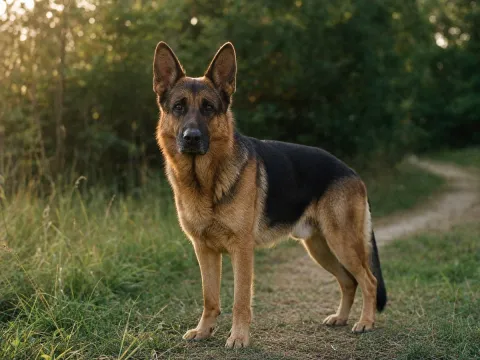
PAW Patrol breeds: every pup's real dog, from Chase to Tracker
Chase is a German Shepherd, Zuma is a Chocolate Labrador, and Skye's Cockapoo isn't a registered breed at all. The honest, canon breed behind every PAW Patrol pup.
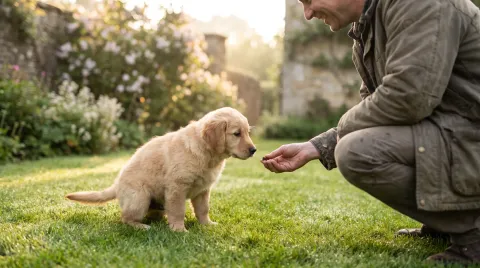
House training a puppy: the schedule that actually works
Most house-training failures are a supervision problem, not a stubborn puppy. The realistic age-based schedule, the signals to watch for, and how to recover from a setback.
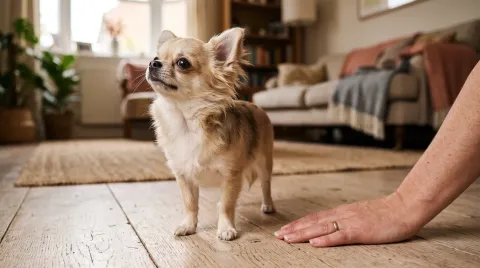
The smallest dog breeds in the world
The Chihuahua is officially the smallest, at 1.5–3 kg. Here are the toy breeds just above it — and an honest warning about the 'teacup' label, which is marketing, not a breed.